English
- Afrikaans
- Albanian
- Amharic
- Arabic
- Armenian
- Azerbaijani
- Basque
- Belarusian
- Bengali
- Bosnian
- Bulgarian
- Catalan
- Cebuano
- Corsican
- Croatian
- Czech
- Danish
- Dutch
- English
- Esperanto
- Estonian
- Finnish
- French
- Frisian
- Galician
- Georgian
- German
- Greek
- Gujarati
- Haitian Creole
- hausa
- hawaiian
- Hebrew
- Hindi
- Miao
- Hungarian
- Icelandic
- igbo
- Indonesian
- irish
- Italian
- Japanese
- Javanese
- Kannada
- kazakh
- Khmer
- Rwandese
- Korean
- Kurdish
- Kyrgyz
- Lao
- Latin
- Latvian
- Lithuanian
- Luxembourgish
- Macedonian
- Malgashi
- Malay
- Malayalam
- Maltese
- Maori
- Marathi
- Mongolian
- Myanmar
- Nepali
- Norwegian
- Norwegian
- Occitan
- Pashto
- Persian
- Polish
- Portuguese
- Punjabi
- Romanian
- Russian
- Samoan
- Scottish Gaelic
- Serbian
- Sesotho
- Shona
- Sindhi
- Sinhala
- Slovak
- Slovenian
- Somali
- Spanish
- Sundanese
- Swahili
- Swedish
- Tagalog
- Tajik
- Tamil
- Tatar
- Telugu
- Thai
- Turkish
- Turkmen
- Ukrainian
- Urdu
- Uighur
- Uzbek
- Vietnamese
- Welsh
- Bantu
- Yiddish
- Yoruba
- Zulu

Telephone: +86 13120555503
Email: frank@cypump.com


Apr . 01, 2024 17:55 Back to list
best clean water double suction pump Performance Analysis
Introduction
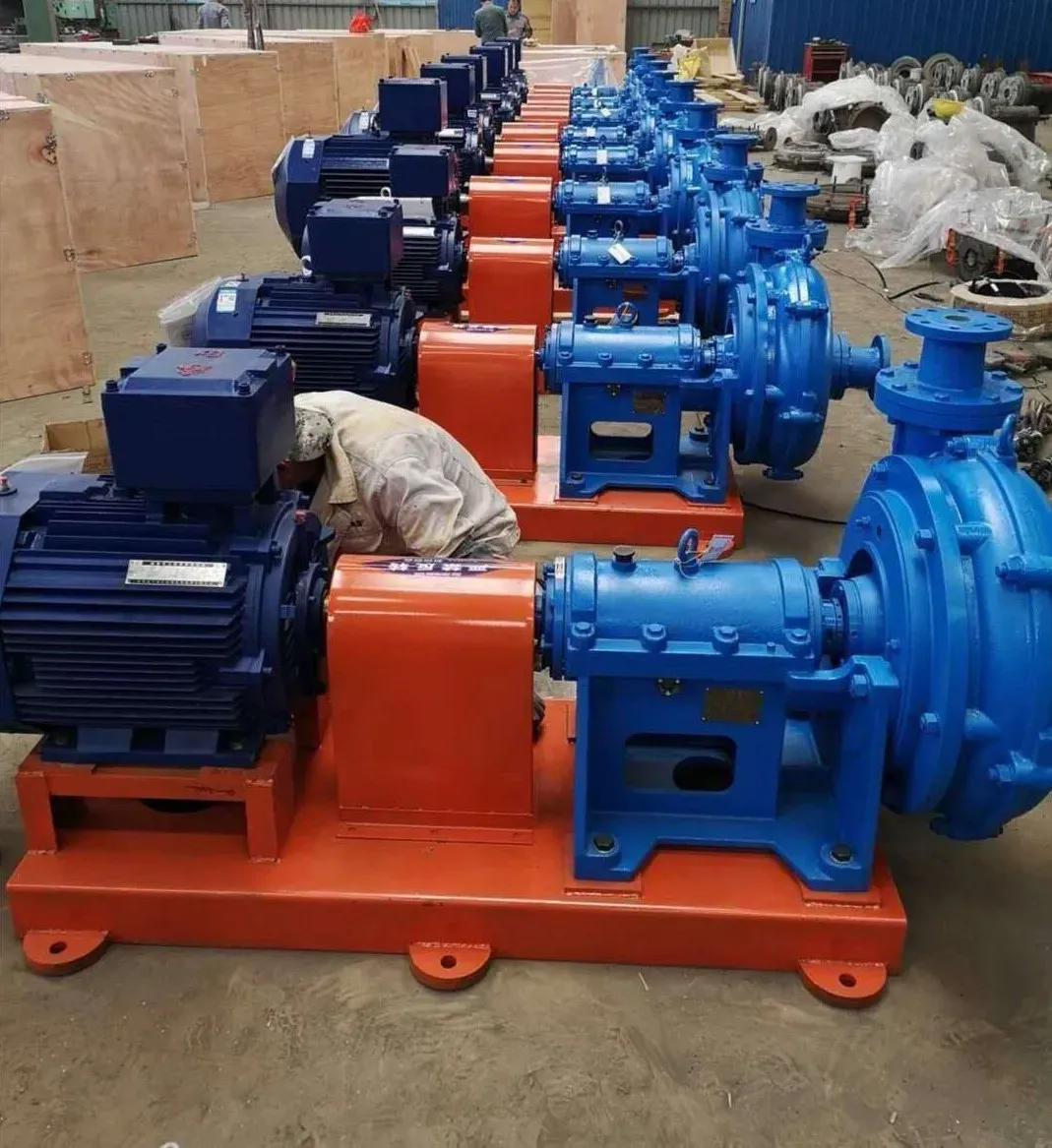
Double suction pumps represent a critical component in numerous industrial water management systems, designed for high-volume fluid transfer. This technical guide focuses on best clean water double suction pumps, analyzing their technical position within the industry chain, core performance characteristics, and practical considerations. These pumps, distinguished by their intake on both sides of the impeller, mitigate axial thrust and offer increased flow rates compared to single-suction designs. They are broadly utilized in water supply networks, irrigation systems, power plant cooling, and large-scale industrial processing where reliable and efficient water movement is paramount. A key performance indicator (KPI) for these pumps is their Net Positive Suction Head Required (NPSHr), directly influencing system reliability and preventing cavitation. This guide will dissect the material science, manufacturing processes, engineering principles, potential failure modes, and relevant industry standards associated with best clean water double suction pumps, providing a comprehensive understanding for engineers, procurement managers, and maintenance personnel.
Material Science & Manufacturing
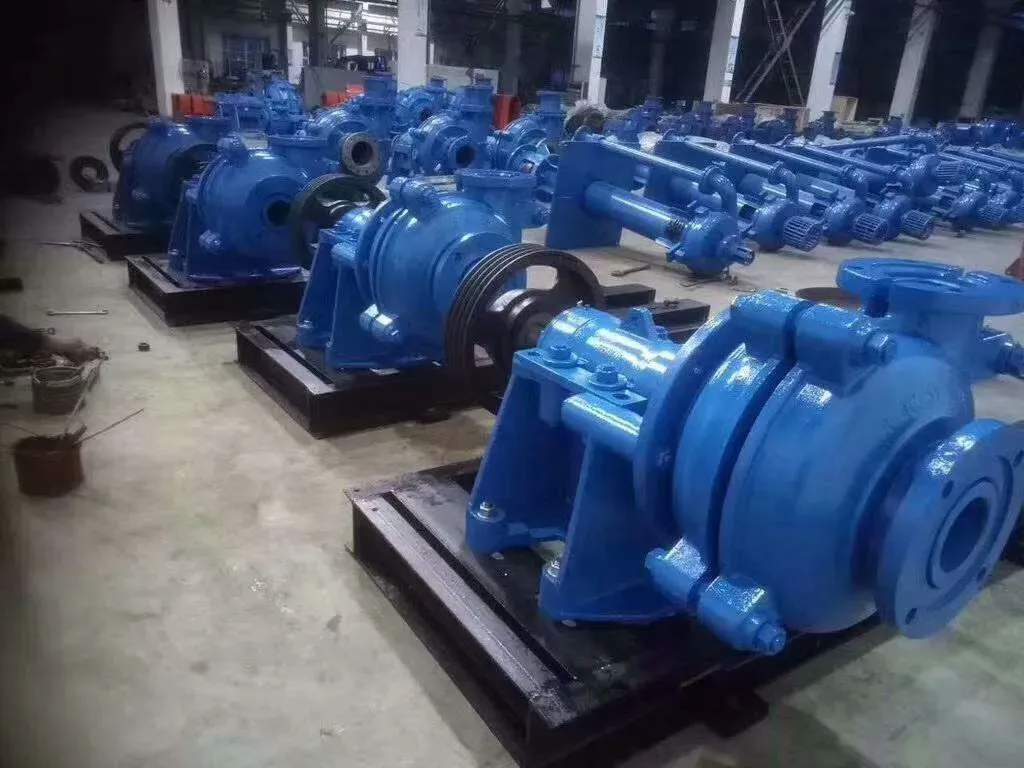
The performance and longevity of a clean water double suction pump are inextricably linked to the materials used in its construction and the precision of its manufacturing process. Pump casings are typically constructed from cast iron (ASTM A48 Class 30 or equivalent), offering a balance of cost-effectiveness and corrosion resistance in potable water applications. However, for more aggressive environments or higher fluid temperatures, materials like ductile iron (ASTM A536-85) or stainless steel (304/316 per ASTM A743) are employed. The impeller, the rotating component responsible for imparting energy to the fluid, commonly utilizes cast iron, bronze (ASTM B584), or stainless steel. Impeller material selection hinges on fluid abrasiveness and the requirement for cavitation resistance. Shafts are typically made from high-strength carbon steel (AISI 1045 or equivalent) and undergo hardening and tempering processes to enhance their resistance to torsional stress and fatigue. Seals are crucial, with common materials including elastomers like nitrile rubber (NBR) or Viton (FKM), selected based on chemical compatibility with the pumped fluid and operating temperature. Manufacturing processes include sand casting for the casing, investment casting or centrifugal casting for the impeller, and precision machining for all rotating components. Critical parameters during manufacturing include impeller balancing (to minimize vibration), shaft alignment (to prevent bearing wear), and surface finishing (to reduce friction and corrosion). Welding processes, when utilized, must adhere to AWS D1.1 standards to ensure structural integrity. Non-Destructive Testing (NDT) techniques like ultrasonic testing (UT) and radiographic testing (RT) are essential for verifying weld quality and detecting internal flaws.
Performance & Engineering
The performance of a double suction pump is governed by several engineering principles, including fluid dynamics, hydraulic design, and mechanical stress analysis. Key performance indicators beyond flow rate and head include pump efficiency, NPSHr, and hydraulic power. Pump efficiency, typically ranging from 70-85%, is affected by impeller design, casing geometry, and internal clearances. A critical aspect is minimizing hydraulic losses due to friction and turbulence. NPSHr, as previously mentioned, is paramount to prevent cavitation, a phenomenon where vapor bubbles form within the pump, causing noise, vibration, and impeller damage. Cavitation is directly related to the fluid’s vapor pressure, fluid temperature, and the pump’s operating speed. Force analysis focuses on radial and axial thrusts acting on the impeller. The double suction design inherently reduces axial thrust; however, proper bearing selection and lubrication are vital to manage residual forces. Environmental resistance considerations include corrosion prevention, particularly in coastal or industrial environments. Protective coatings like epoxy or polyurethane can extend pump life. Compliance requirements vary by region but generally include adherence to ISO 9906 (rotodynamic pumps - hydraulic performance), and regional water quality standards (e.g., NSF/ANSI 61 for potable water systems). Furthermore, the pump's motor must comply with relevant energy efficiency standards, such as IE3 or IE4 (IEC 60034-30) to minimize operational costs and environmental impact.
Technical Specifications
| Parameter | Unit | Typical Range (Best Clean Water Pump) | Industry Standard |
|---|---|---|---|
| Flow Rate | m³/h | 50 – 1500 | ISO 9906 |
| Head | m | 10 – 100 | ISO 9906 |
| Pump Speed | rpm | 1450 – 3600 | IEC 60034-1 |
| NPSHr | m | 2 – 8 | ISO 9906 |
| Maximum Solid Size | mm | 5 | Pump Manufacturer Specification |
| Operating Temperature | °C | 0 – 80 | Pump Manufacturer Specification |
Failure Mode & Maintenance
Double suction pumps, despite their robust design, are susceptible to several failure modes. Fatigue cracking in the impeller, particularly around the blade roots, is a common issue, exacerbated by cavitation and high operating speeds. This can be detected through regular visual inspections and Non-Destructive Testing (NDT) such as dye penetrant testing or ultrasonic testing. Delamination of protective coatings (e.g., epoxy) on the casing can lead to corrosion, requiring recoating or replacement. Bearing failure, manifested as increased noise and vibration, can result from inadequate lubrication, misalignment, or excessive load. Seal failure, leading to leakage, is often caused by wear, chemical incompatibility, or improper installation. Oxidation and corrosion of internal components are accelerated by aggressive fluids or prolonged exposure to moisture. Preventive maintenance is crucial. This includes regular lubrication of bearings, inspection of seals for wear, monitoring of vibration levels, and periodic cleaning of the pump internals. Oil analysis can detect early signs of bearing wear. Impeller balancing should be performed annually or after any significant repair. Systematic vibration analysis can identify imbalances or misalignments before they escalate into major failures. A detailed maintenance log should be maintained, documenting all inspections, repairs, and component replacements. For cavitation damage, addressing the root cause – insufficient NPSHa (Net Positive Suction Head Available) – is essential, which may involve adjusting system piping or pump operating conditions.
Industry FAQ
Q: What is the impact of fluid viscosity on the performance of a double suction pump?
A: Increased fluid viscosity leads to higher frictional losses within the pump, reducing both flow rate and efficiency. The pump’s performance curve will shift downwards, requiring a more powerful motor to achieve the desired flow rate and head. It's crucial to consult the pump manufacturer’s performance curves and derating factors for viscous fluids.
Q: How do I determine the correct NPSHa for my system?
A: NPSHa is calculated based on the static suction head, vapor pressure of the fluid, fluid temperature, and friction losses in the suction piping. Ensure your calculated NPSHa is significantly higher than the pump’s NPSHr (typically a safety margin of at least 1 meter) to prevent cavitation.
Q: What is the recommended bearing lubrication schedule for a typical double suction pump?
A: The lubrication schedule depends on the bearing type (e.g., grease-lubricated or oil-lubricated) and the pump’s operating conditions. Generally, grease-lubricated bearings require periodic greasing (every 3-6 months), while oil-lubricated bearings require regular oil level checks and oil changes (every 6-12 months). Refer to the pump manufacturer’s recommendations.
Q: How can I mitigate the risk of corrosion in a double suction pump handling slightly corrosive fluids?
A: Selecting corrosion-resistant materials (e.g., stainless steel, ductile iron with protective coatings) is paramount. Regular inspection for signs of corrosion is essential. Consider using sacrificial anodes or corrosion inhibitors in the fluid. Proper drainage and ventilation can also help minimize corrosion.
Q: What are the key differences between a horizontally split case pump and a vertically split case pump?
A: Horizontally split case pumps are easier to maintain as the impeller and internal components can be accessed without disturbing the suction and discharge piping. Vertically split case pumps require less floor space but are more complex to maintain as the casing must be lifted to access the internals. The choice depends on site constraints and maintenance accessibility requirements.
Conclusion
Best clean water double suction pumps represent a mature yet continually optimized technology crucial for diverse industrial applications. Their efficiency, reliability, and ability to handle high flow rates are undeniable assets. However, successful implementation demands a thorough understanding of material science, manufacturing precision, and adherence to relevant engineering principles. Regular monitoring of key performance indicators, proactive maintenance, and addressing potential failure modes are essential for maximizing pump lifespan and minimizing operational costs.
Future advancements in pump technology are likely to focus on improved hydraulic designs, incorporating computational fluid dynamics (CFD) for optimization, and utilizing advanced materials for enhanced corrosion resistance and wear resistance. The integration of smart sensors and remote monitoring systems will enable predictive maintenance, further reducing downtime and optimizing performance. Continued refinement of these pumps will play a vital role in sustainable water management practices and efficient industrial operations.
-
Effluent vs Sump Pump Performance Analysis
News2026-05-22
-
effluent septic pump Performance Engineering
News2026-05-22
-
best sewer pumps Performance Engineering
News2026-05-22
-
best sewer pump Performance Analysis
News2026-05-22
-
best sewage pumps Performance Engineering
News2026-05-22
-
basement bathroom sewage pump Material Science Manufacturing
News2026-05-21
-
wastewater treatment plant pumps Material Science Manufacturing
News2026-05-21
-
waste water pump for basement Material Science Manufacturing
News2026-05-21
-
sump pump sewage Performance Analysis
News2026-05-21
-
sump pump for sewage Material Science and Manufacturing
News2026-05-21
-
sump pump for septic systems Material Science Manufacturing
News2026-05-20
-
sump pump and ejector pump Material Science Manufacturing
News2026-05-20
-
sewage treatment plant pumps Performance Analysis
News2026-05-20
-
sewage tank pump Material Science and Manufacturing
News2026-05-20
-
sewage pump for septic tank Performance Analysis
News2026-05-20




