English
- Afrikaans
- Albanian
- Amharic
- Arabic
- Armenian
- Azerbaijani
- Basque
- Belarusian
- Bengali
- Bosnian
- Bulgarian
- Catalan
- Cebuano
- Corsican
- Croatian
- Czech
- Danish
- Dutch
- English
- Esperanto
- Estonian
- Finnish
- French
- Frisian
- Galician
- Georgian
- German
- Greek
- Gujarati
- Haitian Creole
- hausa
- hawaiian
- Hebrew
- Hindi
- Miao
- Hungarian
- Icelandic
- igbo
- Indonesian
- irish
- Italian
- Japanese
- Javanese
- Kannada
- kazakh
- Khmer
- Rwandese
- Korean
- Kurdish
- Kyrgyz
- Lao
- Latin
- Latvian
- Lithuanian
- Luxembourgish
- Macedonian
- Malgashi
- Malay
- Malayalam
- Maltese
- Maori
- Marathi
- Mongolian
- Myanmar
- Nepali
- Norwegian
- Norwegian
- Occitan
- Pashto
- Persian
- Polish
- Portuguese
- Punjabi
- Romanian
- Russian
- Samoan
- Scottish Gaelic
- Serbian
- Sesotho
- Shona
- Sindhi
- Sinhala
- Slovak
- Slovenian
- Somali
- Spanish
- Sundanese
- Swahili
- Swedish
- Tagalog
- Tajik
- Tamil
- Tatar
- Telugu
- Thai
- Turkish
- Turkmen
- Ukrainian
- Urdu
- Uighur
- Uzbek
- Vietnamese
- Welsh
- Bantu
- Yiddish
- Yoruba
- Zulu

Telephone: +86 13120555503
Email: frank@cypump.com


Apr . 01, 2024 17:55 Back to list
best chemical pipeline water pump Performance Analysis
Introduction
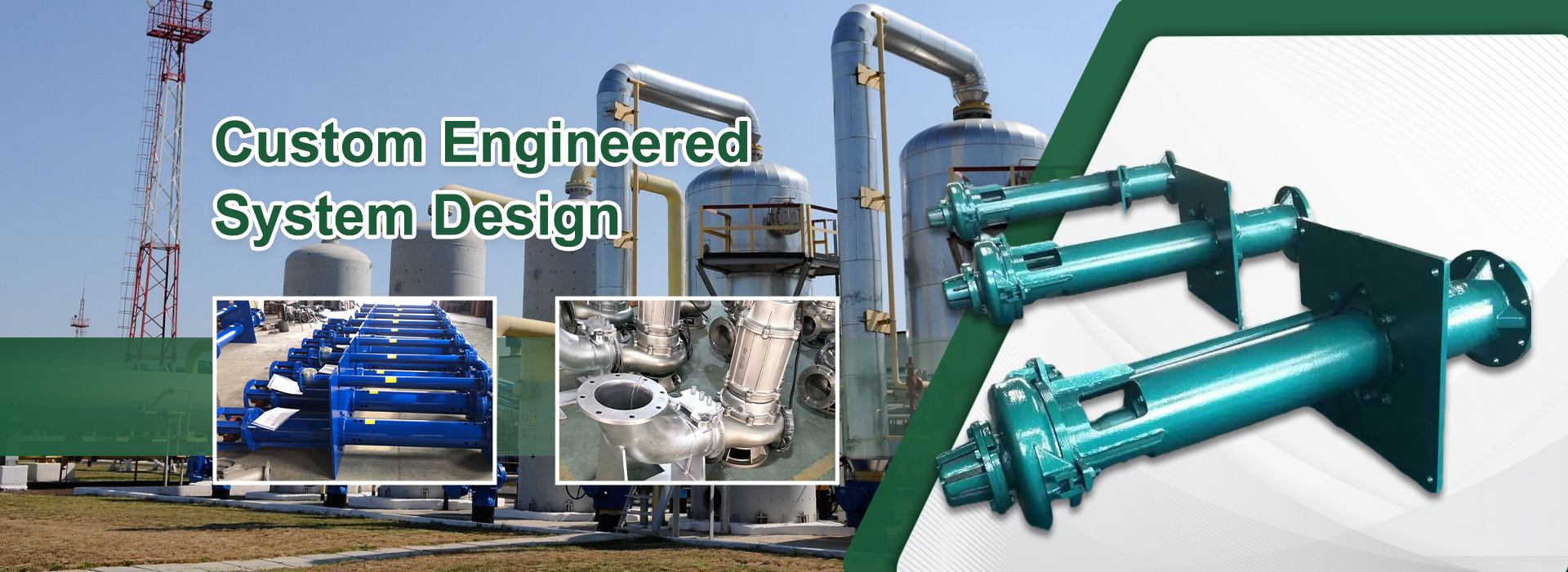
Centrifugal pumps designed for chemical pipeline applications represent a critical component in the safe and efficient transfer of corrosive and hazardous fluids across a variety of industries, including petrochemical processing, pharmaceutical manufacturing, and water treatment. These pumps differ significantly from standard water pumps due to the stringent requirements for material compatibility, sealing integrity, and containment to prevent leaks and ensure operator safety. This guide provides a detailed technical overview of best chemical pipeline water pumps, covering material science, manufacturing processes, performance characteristics, failure modes, maintenance procedures, and relevant industry standards. The core performance metrics revolve around maintaining fluid integrity (avoiding contamination), preventing leakage, and ensuring consistent flow rates and pressures under demanding operating conditions. The primary pain point for users is balancing operational reliability with the high cost of specialized materials and the critical need to adhere to stringent environmental and safety regulations. Selecting the appropriate pump requires a thorough understanding of the chemical properties of the fluid being transferred and the specific demands of the pipeline system.
Material Science & Manufacturing
The construction of chemical pipeline water pumps necessitates the use of materials exhibiting exceptional resistance to corrosion, erosion, and chemical attack. Common materials include 316 Stainless Steel (for moderate chemical resistance), Alloy 20 (improved resistance to sulfuric acid and other aggressive chemicals), Hastelloy C-276 (superior resistance to a broad range of corrosive media including chlorides), and various fluoropolymers like PTFE and PFA for seals and linings. The choice of material is dictated by the chemical composition, concentration, temperature, and flow velocity of the fluid. Manufacturing processes vary depending on pump component. Pump casings are frequently produced through investment casting or sand casting, followed by precision machining to ensure dimensional accuracy and surface finish. Impellers are typically manufactured using centrifugal casting for optimal strength and resistance to cavitation. Shafts are made from high-strength alloy steels, undergoing heat treatment to enhance hardness and tensile strength. Seals represent a critical area, often employing mechanical seals constructed from silicon carbide or tungsten carbide faces, with secondary seals made from PTFE or Viton. Welding processes, where applicable, must be performed using techniques like GTAW (Gas Tungsten Arc Welding) or SMAW (Shielded Metal Arc Welding) with specific filler metals compatible with the base material to prevent weld decay. Parameter control is paramount – particularly in heat treatment cycles to ensure correct material properties are achieved, and in surface finishing to minimize surface defects that could initiate corrosion. Non-destructive testing (NDT) methods, such as radiographic inspection and liquid penetrant testing, are routinely employed to verify the integrity of welds and castings.
Performance & Engineering
Performance analysis of chemical pipeline pumps centers around hydraulic efficiency, net positive suction head required (NPSHr), and the pump’s ability to handle varying flow rates and pressures. Force analysis considers the radial and axial thrust loads imposed on the impeller and shaft, requiring careful bearing selection and shaft design to prevent premature failure. Environmental resistance is critical; pumps must withstand ambient temperatures, humidity, and potential exposure to corrosive atmospheres. Compliance requirements are stringent, often dictated by API 610 (Centrifugal Pumps – Refinery Service), ASME B31.3 (Process Piping), and relevant environmental regulations regarding emissions and leakage prevention. Functional implementation requires careful consideration of the pipeline layout, fluid viscosity, and system head loss. Cavitation, a significant concern, arises when the absolute pressure at the impeller inlet drops below the vapor pressure of the fluid, leading to bubble formation and subsequent implosion, causing erosion and noise. Pump curves are essential tools, providing performance data at various flow rates and heads. Proper pump sizing and system design minimize cavitation risk and maximize pump efficiency. Material selection significantly impacts hydraulic performance; smoother internal surfaces reduce friction losses and improve efficiency. The selection of appropriate seal arrangements (single, double, or cartridge seals) directly affects leakage prevention and operational reliability. Flow velocity within the pump casing and piping must be carefully controlled to minimize erosion and solids deposition.
Technical Specifications
| Parameter | Unit | Typical Range (Alloy 20 Construction) | Typical Range (Hastelloy C-276 Construction) |
|---|---|---|---|
| Flow Rate | GPM (Gallons Per Minute) | 50 – 500 | 100 – 1000 |
| Head | ft (Feet) | 100 – 300 | 200 – 600 |
| Temperature Range | °F (Degrees Fahrenheit) | -20 to 250 | -20 to 400 |
| Pressure Rating | PSI (Pounds per Square Inch) | 150 – 400 | 200 – 600 |
| Seal Type | - | Mechanical Seal (Single or Double) | Mechanical Seal (Double with Barrier Fluid) |
| Material of Construction (Casing) | - | Alloy 20 | Hastelloy C-276 |
Failure Mode & Maintenance
Failure modes in chemical pipeline pumps are diverse and often related to material degradation or mechanical stress. Fatigue cracking can occur in the pump casing or impeller due to cyclic loading. Corrosion, particularly pitting and crevice corrosion, is a common failure mechanism, especially in areas with stagnant fluid or localized stress concentrations. Delamination can occur in polymer linings or coatings due to poor adhesion or chemical attack. Erosion is prevalent in pumps handling abrasive fluids or slurries. Oxidation can lead to the formation of surface oxides, reducing material strength and corrosion resistance. Mechanical seal failure is a frequent issue, often caused by seal wear, chemical incompatibility, or improper installation. Maintenance should be proactive and include regular inspections for leaks, vibration analysis, and performance monitoring. Lubrication of bearings is critical, using compatible greases designed for chemical environments. Seal replacement should be performed at scheduled intervals, or when signs of leakage are detected. Periodic cleaning of the pump casing and impeller removes deposits that can contribute to corrosion or erosion. Non-destructive testing (NDT) methods, such as ultrasonic testing, can detect cracks or defects before they lead to catastrophic failure. A comprehensive maintenance program should also include documentation of all maintenance activities and performance data for trend analysis.
Industry FAQ
Q: What are the key considerations when selecting a pump material for handling concentrated hydrochloric acid?
A: Concentrated hydrochloric acid is highly corrosive. Alloy 20 offers good resistance, but Hastelloy C-276 is generally preferred due to its superior resistance to chloride stress corrosion cracking. PTFE or PFA linings and seals are also essential to prevent degradation. Regular inspections for pitting corrosion are crucial.
Q: How does pump speed affect cavitation and pump efficiency?
A: Increasing pump speed generally increases flow rate but also increases the risk of cavitation. Higher speeds also lead to increased friction losses, potentially reducing pump efficiency. Optimal pump speed is determined by balancing flow requirements with cavitation risk and efficiency considerations.
Q: What is the purpose of a double mechanical seal arrangement with a barrier fluid?
A: A double mechanical seal arrangement provides a secondary barrier against leakage. The barrier fluid, typically a clean, compatible liquid, is circulated between the seals to lubricate, cool, and flush away any potential leakage from the primary seal. This significantly enhances safety and environmental protection.
Q: What are the potential consequences of using an incompatible gasket material?
A: Using an incompatible gasket material can lead to gasket swelling, degradation, or chemical attack. This can result in leaks, reduced sealing effectiveness, and potential contamination of the process fluid. Always consult a chemical compatibility chart to select the appropriate gasket material.
Q: What is NPSHr and why is it important?
A: NPSHr (Net Positive Suction Head Required) is the minimum absolute pressure required at the pump suction to prevent cavitation. If the available NPSH (Net Positive Suction Head) in the system is less than the NPSHr, cavitation will occur, leading to performance degradation and potential pump damage. Proper system design and pump selection are crucial to ensure adequate NPSH.
Conclusion
The selection and application of chemical pipeline water pumps demands a comprehensive understanding of material science, hydraulic principles, and industry regulations. Prioritizing material compatibility with the process fluid is paramount, and the choice between materials like Alloy 20 and Hastelloy C-276 significantly influences long-term reliability and operational safety. Proper pump sizing, meticulous maintenance procedures, and adherence to relevant standards like API 610 are essential for minimizing downtime and ensuring efficient fluid transfer.
Looking forward, advancements in pump design and materials are focused on improving energy efficiency, reducing maintenance requirements, and enhancing environmental performance. The implementation of predictive maintenance techniques, utilizing sensor data and machine learning algorithms, will enable proactive identification of potential failures and optimize maintenance schedules. Continuous innovation in sealing technology will further minimize leakage risks and improve overall system reliability.
-
Comprehensive Guide to Waterproof ORings for Optimal Sealing Solutions
News2026-06-09
-
heavy duty submersible pump Performance Analysis
News2026-06-25
-
best submersible pump for septic tank Performance Analysis
News2026-06-25
-
basement sewer ejector pump Performance Analysis
News2026-06-25
-
basement pumps ejector pumps Performance Analysis
News2026-06-25
-
basement lift pump Performance and Engineering
News2026-06-25
-
basement bathroom pump systems Performance Analysis
News2026-06-24
-
basement bathroom ejector pump system Performance Engineering
News2026-06-24
-
2 hp sewage pump Performance Engineering
News2026-06-24
-
1 hp septic pump Performance Engineering
News2026-06-24
-
submersible effluent pump Performance Analysis
News2026-06-24
-
submergable pump Material Science
News2026-06-23
-
sewer injection pump Performance Engineering
News2026-06-23
-
Sewer Ejector Pump System Performance Analysis
News2026-06-23
-
septic tank pump for sale Performance Engineering
News2026-06-23




