English
- Afrikaans
- Albanian
- Amharic
- Arabic
- Armenian
- Azerbaijani
- Basque
- Belarusian
- Bengali
- Bosnian
- Bulgarian
- Catalan
- Cebuano
- Corsican
- Croatian
- Czech
- Danish
- Dutch
- English
- Esperanto
- Estonian
- Finnish
- French
- Frisian
- Galician
- Georgian
- German
- Greek
- Gujarati
- Haitian Creole
- hausa
- hawaiian
- Hebrew
- Hindi
- Miao
- Hungarian
- Icelandic
- igbo
- Indonesian
- irish
- Italian
- Japanese
- Javanese
- Kannada
- kazakh
- Khmer
- Rwandese
- Korean
- Kurdish
- Kyrgyz
- Lao
- Latin
- Latvian
- Lithuanian
- Luxembourgish
- Macedonian
- Malgashi
- Malay
- Malayalam
- Maltese
- Maori
- Marathi
- Mongolian
- Myanmar
- Nepali
- Norwegian
- Norwegian
- Occitan
- Pashto
- Persian
- Polish
- Portuguese
- Punjabi
- Romanian
- Russian
- Samoan
- Scottish Gaelic
- Serbian
- Sesotho
- Shona
- Sindhi
- Sinhala
- Slovak
- Slovenian
- Somali
- Spanish
- Sundanese
- Swahili
- Swedish
- Tagalog
- Tajik
- Tamil
- Tatar
- Telugu
- Thai
- Turkish
- Turkmen
- Ukrainian
- Urdu
- Uighur
- Uzbek
- Vietnamese
- Welsh
- Bantu
- Yiddish
- Yoruba
- Zulu

Telephone: +86 13120555503
Email: frank@cypump.com


Apr . 01, 2024 17:55 Back to list
basement waste water pump Performance Engineering
Introduction
Basement wastewater pumps are engineered devices designed to remove accumulated water from basements, crawlspaces, and other below-grade areas. They represent a critical component in preventing water damage, mold growth, and structural deterioration in residential and commercial buildings. These pumps differ from standard sewage ejectors in their intended application; they handle primarily clean or grey water resulting from rainwater influx, appliance discharge (washing machines, dehumidifiers), or minor plumbing leaks, rather than blackwater from toilets. Their technical position within the building infrastructure chain is as a preventative measure, operating in tandem with foundation waterproofing, drainage systems, and sump pits. Core performance characteristics include flow rate (gallons per hour – GPH), head (maximum vertical lift in feet), horsepower (HP), and solids handling capability (maximum particle size the pump can process without clogging). A key pain point in the industry is the selection of appropriately sized pumps for specific application needs and mitigating the impact of sediment and debris on long-term reliability.
Material Science & Manufacturing
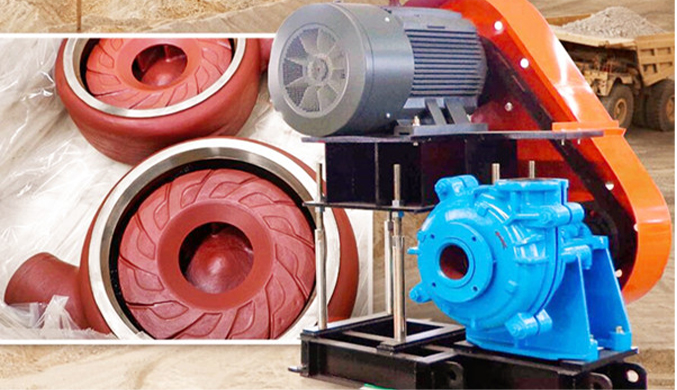
The construction of basement wastewater pumps leverages a range of materials chosen for their durability, corrosion resistance, and mechanical properties. Pump housings are commonly manufactured from cast iron (ASTM A48 Class 30), thermoplastic polymers (Polypropylene - PP, or engineered ABS), or stainless steel (304 or 316). Cast iron provides robust physical protection and dampening, but requires a protective coating (epoxy or powder coating) to resist corrosion. Thermoplastics are lightweight, corrosion-resistant, and cost-effective, but may have lower temperature and pressure ratings. Stainless steel offers superior corrosion resistance and mechanical strength, albeit at a higher cost. Impellers, responsible for water movement, are often constructed from thermoplastic polymers (like PPO – Polyphenylene Oxide) or stainless steel. Shafts are typically made from 4140 alloy steel, heat treated for increased hardness and wear resistance. Seals are crucial for preventing leakage and are commonly composed of materials like Viton (fluorocarbon rubber) or EPDM (ethylene propylene diene monomer) selected for their chemical compatibility with various water compositions. Manufacturing processes involve investment casting (for complex housing geometries), injection molding (for thermoplastic components), and machining (for shafts and impellers). Key parameter control during manufacturing includes maintaining tight tolerances on impeller balance to minimize vibration, ensuring proper seal seating to prevent leakage, and applying consistent coatings to protect against corrosion. Welding (SMAW, GMAW) is used for steel components requiring assembly, strictly adhering to AWS D1.1 standards.
Performance & Engineering
The performance of a basement wastewater pump is dictated by several key engineering principles. Hydraulic design focuses on maximizing pump efficiency and head pressure. Bernoulli’s principle governs the relationship between fluid velocity and pressure; impeller geometry is optimized to convert rotational energy into kinetic energy, subsequently increasing water pressure. Force analysis considers the radial and axial forces acting on the impeller and shaft during operation. Shaft deflection and bearing loads are critical design parameters to ensure longevity and prevent failure. Environmental resistance is paramount, considering the potential for exposure to corrosive substances (dissolved minerals, cleaning agents) and varying temperatures. Pump motors are typically induction motors, designed for continuous duty operation within specified voltage and frequency ranges. Compliance requirements include adherence to UL 778 (safety standards for submersible pumps) and ENERGY STAR certification for energy efficiency. Functional implementation necessitates proper sizing of the pump to the inflow rate and discharge height. Static head (vertical distance from the pump to the discharge point) and dynamic head (friction losses in the piping system) must be accurately calculated to ensure the pump can effectively remove the water. Installation considerations include proper grounding to prevent electrical hazards and the inclusion of a check valve to prevent backflow.
Technical Specifications
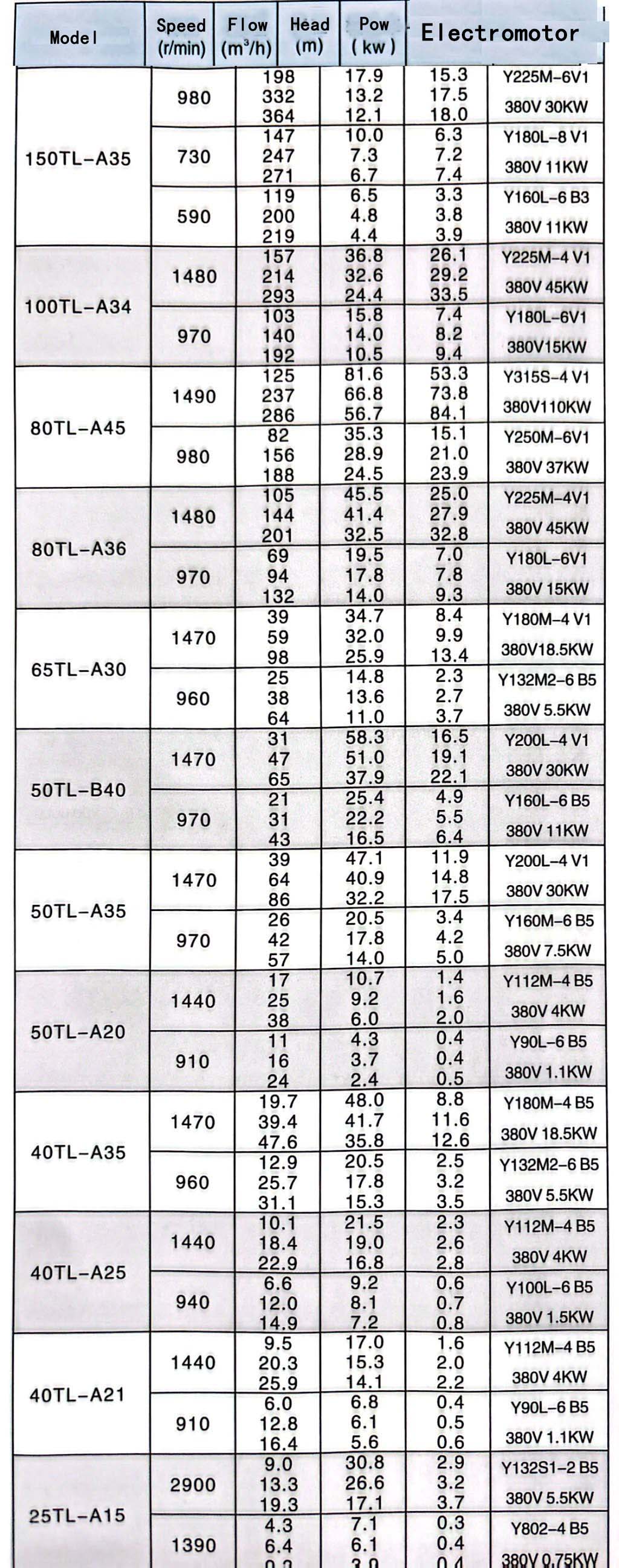
| Pump Type | Flow Rate (GPH) | Head (ft) | Horsepower (HP) |
|---|---|---|---|
| Submersible, Thermoplastic | 1,200 | 25 | 1/3 |
| Submersible, Cast Iron | 2,500 | 40 | 1/2 |
| Pedestal, Cast Iron | 800 | 15 | 1/4 |
| Submersible, Stainless Steel | 3,500 | 50 | 3/4 |
| Submersible, Thermoplastic (High Efficiency) | 1,500 | 30 | 1/3 |
| Submersible, Cast Iron (Commercial Grade) | 5,000 | 60 | 1 |
Failure Mode & Maintenance
Basement wastewater pumps are susceptible to several failure modes. Fatigue cracking in the pump housing, particularly in cast iron models, can occur due to cyclical stress and corrosion. Impeller degradation (erosion, cavitation) reduces pump efficiency and can lead to blockage. Seal failure is a common issue, resulting in leakage and motor damage. Bearing failure (due to wear, corrosion, or lack of lubrication) causes increased noise and vibration. Electrical failures (short circuits, winding burnout) are often caused by moisture ingress or voltage fluctuations. Solids accumulation can cause jamming and overheating. Oxidation of metal components leads to corrosion and reduced lifespan. Preventative maintenance is crucial. Regularly inspect the pump for leaks, unusual noises, and vibration. Flush the sump pit to remove sediment and debris. Check the float switch for proper operation. Lubricate bearings according to manufacturer recommendations. Periodically test the pump’s performance to ensure it meets specified flow rate and head requirements. If the pump is exposed to corrosive chemicals, consider using a more corrosion-resistant material (stainless steel) or implementing a chemical neutralization system. Complete motor winding insulation resistance testing per IEEE 43 standards annually is recommended for critical applications.
Industry FAQ
Q: What is the difference between a basement wastewater pump and a sewage ejector?
A: While both pumps move water, a basement wastewater pump handles primarily clean or grey water (rainwater, appliance discharge), while a sewage ejector is designed to handle blackwater (wastewater from toilets). Sewage ejectors require a more robust motor and impeller design to handle solids, and are subject to stricter plumbing code requirements.
Q: How do I determine the correct pump size for my basement?
A: Correct sizing requires calculating the total dynamic head (TDH) – the vertical lift plus friction losses in the piping – and estimating the maximum inflow rate. Consult pump performance curves to select a pump that can deliver the required flow rate at the calculated TDH. Oversizing the pump can lead to inefficient operation and increased energy consumption.
Q: What causes a pump to repeatedly cycle on and off?
A: Repeated cycling often indicates a problem with the float switch, a partially clogged impeller, or a small leak in the discharge piping. The float switch may be improperly adjusted or malfunctioning. The impeller could be obstructed by debris, reducing pump capacity. A leak will cause the pump to constantly attempt to lower the water level.
Q: What materials offer the best corrosion resistance in a basement environment?
A: Stainless steel (304 or 316) provides excellent corrosion resistance in most basement environments. Thermoplastic housings (Polypropylene) are also highly corrosion-resistant. However, cast iron housings require a durable epoxy or powder coating to prevent rust.
Q: What maintenance procedures are crucial for extending pump lifespan?
A: Regularly clean the sump pit to remove sediment. Inspect and test the float switch. Check for leaks and unusual noises. Lubricate bearings (if applicable). Periodically test the pump’s performance. Consider annual professional inspection and maintenance.
Conclusion
Basement wastewater pumps represent a vital safeguard against water damage in below-grade structures. Their selection and installation necessitate a comprehensive understanding of hydraulic principles, material science, and relevant safety standards. Proper pump sizing, corrosion resistance, and preventative maintenance are critical for ensuring long-term reliability and minimizing the risk of costly repairs.
The continued development of pump technology will likely focus on improved energy efficiency, enhanced solids handling capabilities, and smart features such as remote monitoring and automated diagnostics. Adherence to industry standards (UL, ENERGY STAR) and a proactive approach to maintenance remain essential for optimal performance and longevity of these critical building systems.
-
sump pump for septic systems Material Science Manufacturing
News2026-05-20
-
sump pump and ejector pump Material Science Manufacturing
News2026-05-20
-
sewage treatment plant pumps Performance Analysis
News2026-05-20
-
sewage tank pump Material Science and Manufacturing
News2026-05-20
-
sewage pump for septic tank Performance Analysis
News2026-05-20
-
Sewage Pump and Tank Performance Analysis
News2026-05-19
-
Sewage Ejector Pump Replacement Performance Analysis
News2026-05-19
-
sewage ejector pump for basement bathroom Material Science Manufacturing
News2026-05-19
-
sewage ejection pump Material Science and Manufacturing
News2026-05-19
-
in line sewage pump Performance Analysis
News2026-05-19
-
effluent sump pump Performance Analysis
News2026-05-18
-
best grinder pump for sewage Performance Engineering
News2026-05-18
-
basement waste water pump Performance Engineering
News2026-05-18
-
sump pump sewer Performance Analysis
News2026-05-18
-
sump pump for sewer Performance Analysis
News2026-05-18




