English
- Afrikaans
- Albanian
- Amharic
- Arabic
- Armenian
- Azerbaijani
- Basque
- Belarusian
- Bengali
- Bosnian
- Bulgarian
- Catalan
- Cebuano
- Corsican
- Croatian
- Czech
- Danish
- Dutch
- English
- Esperanto
- Estonian
- Finnish
- French
- Frisian
- Galician
- Georgian
- German
- Greek
- Gujarati
- Haitian Creole
- hausa
- hawaiian
- Hebrew
- Hindi
- Miao
- Hungarian
- Icelandic
- igbo
- Indonesian
- irish
- Italian
- Japanese
- Javanese
- Kannada
- kazakh
- Khmer
- Rwandese
- Korean
- Kurdish
- Kyrgyz
- Lao
- Latin
- Latvian
- Lithuanian
- Luxembourgish
- Macedonian
- Malgashi
- Malay
- Malayalam
- Maltese
- Maori
- Marathi
- Mongolian
- Myanmar
- Nepali
- Norwegian
- Norwegian
- Occitan
- Pashto
- Persian
- Polish
- Portuguese
- Punjabi
- Romanian
- Russian
- Samoan
- Scottish Gaelic
- Serbian
- Sesotho
- Shona
- Sindhi
- Sinhala
- Slovak
- Slovenian
- Somali
- Spanish
- Sundanese
- Swahili
- Swedish
- Tagalog
- Tajik
- Tamil
- Tatar
- Telugu
- Thai
- Turkish
- Turkmen
- Ukrainian
- Urdu
- Uighur
- Uzbek
- Vietnamese
- Welsh
- Bantu
- Yiddish
- Yoruba
- Zulu

Telephone: +86 13120555503
Email: frank@cypump.com


Apr . 01, 2024 17:55 Back to list
basement waste pump Performance Analysis
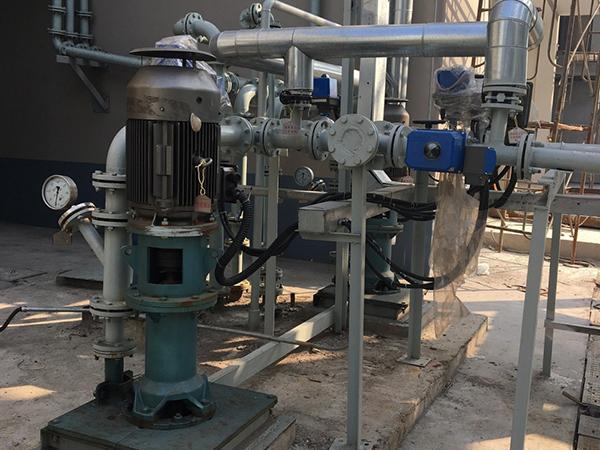
Introduction
Basement waste pumps, also known as sewage ejectors or grinder pumps, are critical components in residential and commercial plumbing systems where gravity drainage is insufficient. These pumps are specifically designed to handle wastewater from fixtures located below the sewer line, such as basement bathrooms, laundry rooms, and utility sinks. The technical position within the building infrastructure chain is as a vital transfer point, bridging the gap between localized wastewater sources and the municipal sewer system or septic tank. Core performance is defined by its pumping capacity (gallons per minute - GPM), total dynamic head (TDH – the vertical distance the pump can lift the fluid), solids handling capability, and overall reliability in a consistently wet and often corrosive environment. Industry pain points center around pump failure due to solids buildup, impeller damage, motor burnout from overheating or improper voltage, and corrosion of pump housing materials. Ensuring proper pump selection, installation, and maintenance is paramount to prevent costly basement flooding and wastewater backups.
Material Science & Manufacturing
The construction of a basement waste pump involves several key materials, each selected for specific properties. Pump housings are commonly manufactured from cast iron (ASTM A48 Class 30) due to its robustness, corrosion resistance (when properly coated), and cost-effectiveness. However, stainless steel (304 or 316 grades – ASTM A240) is increasingly used, particularly for components in direct contact with wastewater, offering superior corrosion protection, especially against hydrogen sulfide attack. Impellers, responsible for fluid transfer, are often made from engineered plastics like polypropylene (PP) or glass-reinforced nylon (GRN) offering high resistance to abrasion from solids. Motors are typically induction motors, encapsulated within a watertight housing, and utilize Class B or F insulation (IEC 60034-1) to withstand the damp environment. Shafts are generally constructed from 410 stainless steel (ASTM A276) for strength and corrosion resistance. Manufacturing processes include: 1) Casting: For the pump housing, utilizing sand casting or investment casting. Precise control of cooling rates is critical to prevent stress concentrations and cracking. 2) Injection Molding: For plastic components like impellers and check valves. Mold temperature and injection pressure directly affect dimensional accuracy and material properties. 3) Machining: For precision components like shafts and impeller hubs, ensuring tight tolerances. 4) Welding (for stainless steel housings): Utilizing TIG welding to ensure a corrosion-resistant and structurally sound weld. Control of weld parameters (current, voltage, shielding gas) is critical. 5) Coating: Epoxy coatings are applied to cast iron housings for enhanced corrosion protection. Coating thickness and adhesion are critical parameters.
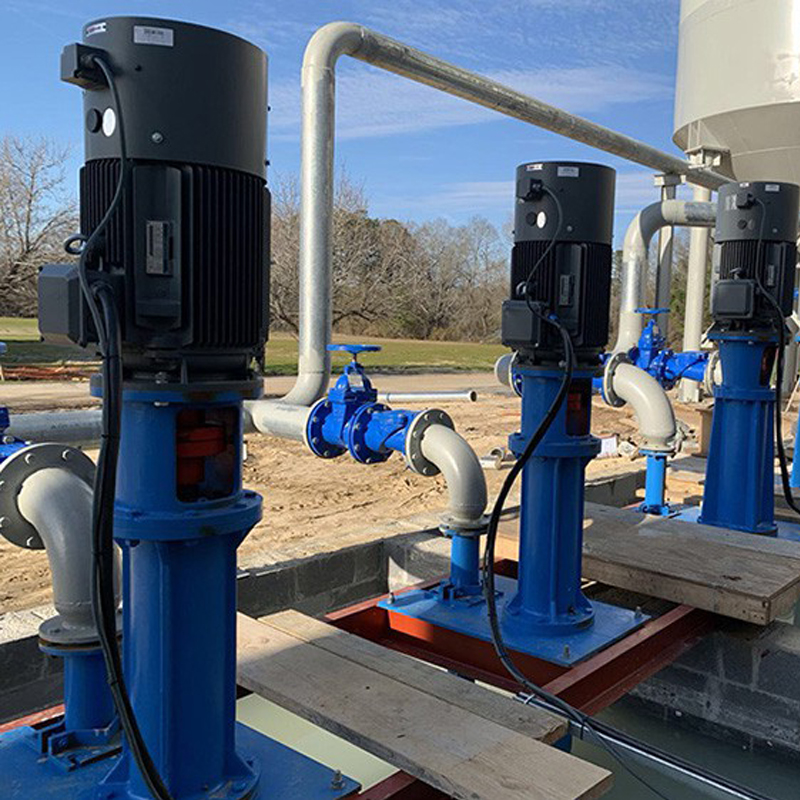
Performance & Engineering
The performance of a basement waste pump is dictated by several engineering principles. Force analysis focuses on hydraulic forces exerted on the impeller and the mechanical stresses on the motor shaft. Cavitation, the formation of vapor bubbles due to low pressure, is a critical concern, leading to impeller erosion and reduced pump efficiency. Proper pump submergence and minimizing suction lift are crucial to prevent cavitation. Environmental resistance is paramount. Wastewater contains corrosive substances like sulfates, chlorides, and hydrogen sulfide (H2S). Material selection, as discussed previously, is key. The pump’s electrical components must be watertight to prevent short circuits and electrical shock (meeting IEC 60335-2-40 standards for submersible pumps). Compliance requirements vary regionally. In North America, pumps must adhere to UL 778 (Submersible Sump and Sewage Pumps) and CSA C22.2 No. 108 (Motors and Generators). European standards include CE marking and compliance with the Machinery Directive 2006/42/EC. Functional implementation considerations include: 1) Switching Mechanisms: Float switches are commonly used to automatically activate and deactivate the pump based on water level. Reliability of the switch mechanism is vital. 2) Check Valves: Prevent backflow of wastewater when the pump is off. Proper sealing and minimal head loss are essential. 3) Discharge Piping: Piping material (PVC, ABS, cast iron) must be compatible with wastewater and able to withstand the pressure generated by the pump. Proper slope is required to ensure effective drainage.
Technical Specifications
| Pump Type | Motor Horsepower (HP) | Maximum Total Dynamic Head (TDH) - ft | Maximum Flow Rate (GPM) |
|---|---|---|---|
| Submersible Sewage Pump | 1/2 HP | 25 | 45 |
| Submersible Sump Pump | 1/3 HP | 20 | 30 |
| Grinder Pump | 3/4 HP | 40 | 60 |
| Automatic Ejector Pump | 1 HP | 30 | 50 |
| High-Head Sewage Pump | 1 HP | 50 | 40 |
| Commercial Grinder Pump | 2 HP | 60 | 80 |
Failure Mode & Maintenance
Basement waste pump failures commonly stem from several modes. Fatigue cracking can occur in the impeller due to repeated stress from solids impact. Delamination of plastic impellers can also result from prolonged exposure to abrasive particles. Corrosion of the pump housing, particularly in cast iron models lacking adequate coating, leads to leaks and eventual pump failure. Motor burnout can be caused by overheating due to inadequate cooling, improper voltage supply, or jammed impellers. Seal failure allows wastewater to enter the motor housing, causing short circuits. Clogging is a frequent issue, stemming from non-biodegradable items (rags, wipes) entering the pump. Maintenance protocols should include: 1) Regular Inspection: Checking for leaks, unusual noises, and vibration. 2) Impeller Cleaning: Periodically removing debris from the impeller. 3) Float Switch Testing: Ensuring proper operation of the float switch. 4) Discharge Line Flushing: Clearing any obstructions in the discharge pipe. 5) Motor Check: Monitoring motor temperature and voltage. 6) Preventative Coating Application: Re-applying epoxy coatings to cast iron housings every 3-5 years. 7) Professional Servicing: Annual inspection by a qualified plumber to assess overall pump health and identify potential issues.
Industry FAQ
Q: What is the primary difference between a sewage ejector and a grinder pump?
A: Sewage ejectors are designed to pump wastewater containing solids, typically up to 2 inches in diameter, relying on gravity and impeller action. Grinder pumps, however, incorporate a rotating cutting blade to reduce solids to a slurry before pumping, allowing for smaller diameter discharge pipes and longer pumping distances. Grinder pumps are generally required when connecting to smaller sewer lines or when dealing with significant amounts of solids.
Q: How do I determine the correct pump size for my application?
A: Pump sizing depends on several factors: the vertical distance the pump needs to lift the wastewater (total dynamic head), the flow rate required to evacuate the wastewater within a reasonable timeframe, and the size of the pipes. A hydraulic calculation, taking into account friction losses, is essential. Consulting with a plumbing engineer is recommended for complex installations.
Q: What is the best material for the pump housing in a corrosive environment?
A: Stainless steel (316 grade) offers the best corrosion resistance, particularly against hydrogen sulfide (H2S) and chloride attack. While more expensive than cast iron, the extended lifespan and reduced maintenance costs often justify the initial investment in corrosive environments. Epoxy-coated cast iron provides a cost-effective alternative for less severe conditions.
Q: What type of maintenance is required for a basement waste pump?
A: Routine maintenance includes inspecting for leaks, cleaning the impeller, testing the float switch, and flushing the discharge line. Annual professional servicing is recommended to assess overall pump health and identify potential issues before they become critical. Preventing the introduction of non-biodegradable materials into the pump system is crucial.
Q: What safety precautions should be taken when installing or servicing a basement waste pump?
A: Always disconnect the power supply before performing any maintenance. Wear appropriate personal protective equipment (PPE), including gloves, eye protection, and a respirator if dealing with potentially hazardous wastewater. Ensure the work area is well-ventilated. Follow all local electrical codes and plumbing regulations.
Conclusion
Basement waste pumps are indispensable components in managing wastewater in below-grade applications. The selection of appropriate materials, coupled with robust manufacturing processes, directly impacts the pump's longevity and reliability. Understanding the performance characteristics—GPM, TDH, and solids handling capacity—is crucial for proper sizing and efficient operation.
Proactive maintenance, encompassing regular inspections, cleaning, and adherence to safety protocols, is essential to prevent premature failure and costly repairs. Ongoing advancements in pump technology, such as improved impeller designs and more durable materials, will continue to enhance the performance and lifespan of these critical wastewater management systems.
-
Comprehensive Guide to Waterproof ORings for Optimal Sealing Solutions
News2026-06-09
-
heavy duty submersible pump Performance Analysis
News2026-06-25
-
best submersible pump for septic tank Performance Analysis
News2026-06-25
-
basement sewer ejector pump Performance Analysis
News2026-06-25
-
basement pumps ejector pumps Performance Analysis
News2026-06-25
-
basement lift pump Performance and Engineering
News2026-06-25
-
basement bathroom pump systems Performance Analysis
News2026-06-24
-
basement bathroom ejector pump system Performance Engineering
News2026-06-24
-
2 hp sewage pump Performance Engineering
News2026-06-24
-
1 hp septic pump Performance Engineering
News2026-06-24
-
submersible effluent pump Performance Analysis
News2026-06-24
-
submergable pump Material Science
News2026-06-23
-
sewer injection pump Performance Engineering
News2026-06-23
-
Sewer Ejector Pump System Performance Analysis
News2026-06-23
-
septic tank pump for sale Performance Engineering
News2026-06-23




