English
- Afrikaans
- Albanian
- Amharic
- Arabic
- Armenian
- Azerbaijani
- Basque
- Belarusian
- Bengali
- Bosnian
- Bulgarian
- Catalan
- Cebuano
- Corsican
- Croatian
- Czech
- Danish
- Dutch
- English
- Esperanto
- Estonian
- Finnish
- French
- Frisian
- Galician
- Georgian
- German
- Greek
- Gujarati
- Haitian Creole
- hausa
- hawaiian
- Hebrew
- Hindi
- Miao
- Hungarian
- Icelandic
- igbo
- Indonesian
- irish
- Italian
- Japanese
- Javanese
- Kannada
- kazakh
- Khmer
- Rwandese
- Korean
- Kurdish
- Kyrgyz
- Lao
- Latin
- Latvian
- Lithuanian
- Luxembourgish
- Macedonian
- Malgashi
- Malay
- Malayalam
- Maltese
- Maori
- Marathi
- Mongolian
- Myanmar
- Nepali
- Norwegian
- Norwegian
- Occitan
- Pashto
- Persian
- Polish
- Portuguese
- Punjabi
- Romanian
- Russian
- Samoan
- Scottish Gaelic
- Serbian
- Sesotho
- Shona
- Sindhi
- Sinhala
- Slovak
- Slovenian
- Somali
- Spanish
- Sundanese
- Swahili
- Swedish
- Tagalog
- Tajik
- Tamil
- Tatar
- Telugu
- Thai
- Turkish
- Turkmen
- Ukrainian
- Urdu
- Uighur
- Uzbek
- Vietnamese
- Welsh
- Bantu
- Yiddish
- Yoruba
- Zulu

Telephone: +86 13120555503
Email: frank@cypump.com


Apr . 01, 2024 17:55 Back to list
basement sewer pump Performance Analysis
Introduction
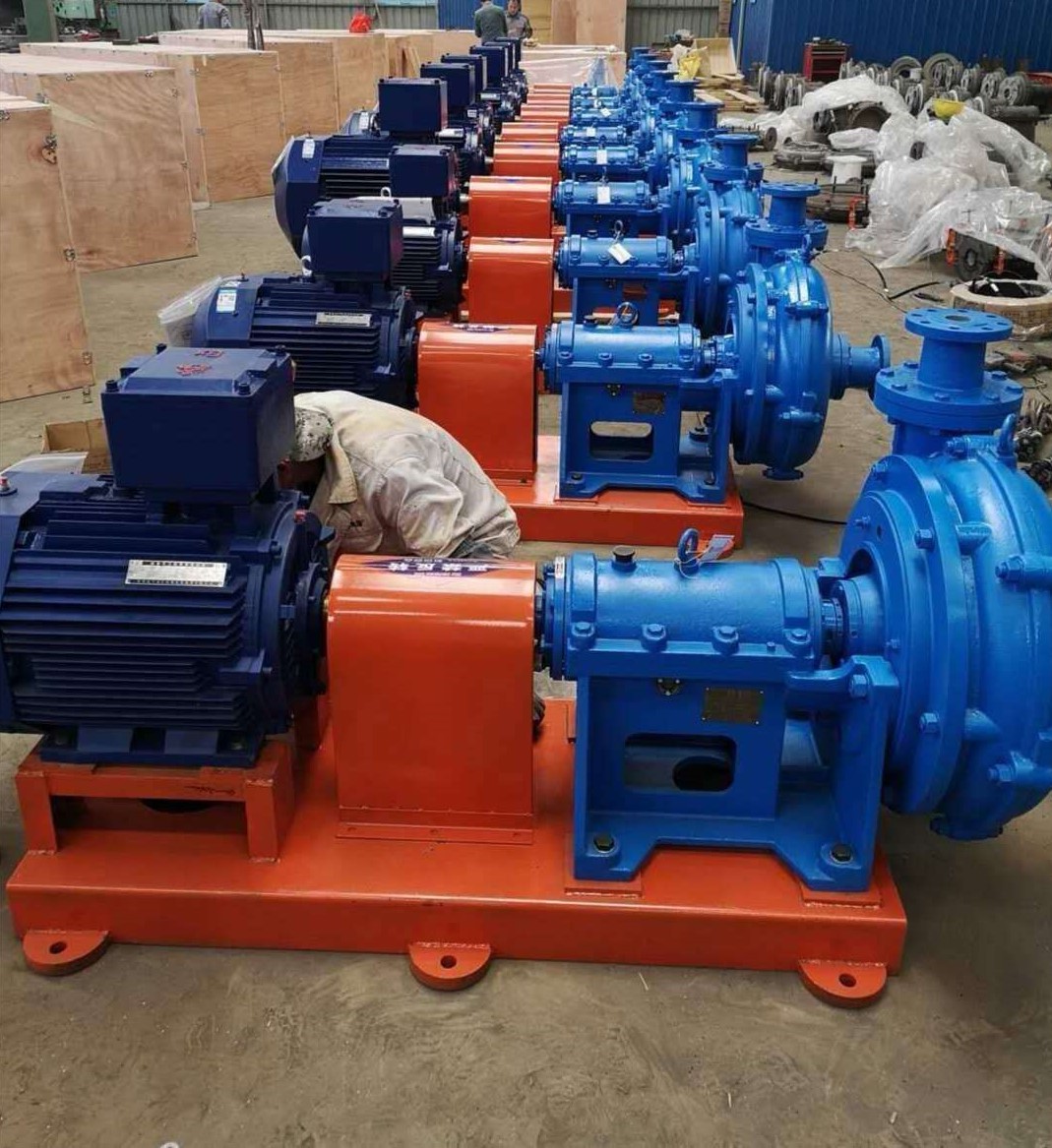
Basement sewer pumps, also known as effluent pumps, are critical components in residential and commercial wastewater management systems. Positioned within a basin typically installed in the lowest level of a building, these pumps are designed to transfer wastewater from areas below the sewer mainline to the municipal sewer system or a septic tank. Unlike sump pumps which handle groundwater intrusion, sewer pumps are specifically engineered to handle solids-laden wastewater. Their performance is defined by flow rate (gallons per minute - GPM), head (vertical distance the pump can lift the wastewater), and the solids handling capability (diameter of solids the pump can process without clogging). The industry faces core challenges relating to pump longevity in abrasive environments, energy efficiency, and reliable float switch operation, all impacting lifecycle cost and minimizing potential for sewage backup and property damage. This guide provides an in-depth technical overview of basement sewer pumps, covering material science, manufacturing, performance, failure modes, and relevant industry standards.
Material Science & Manufacturing
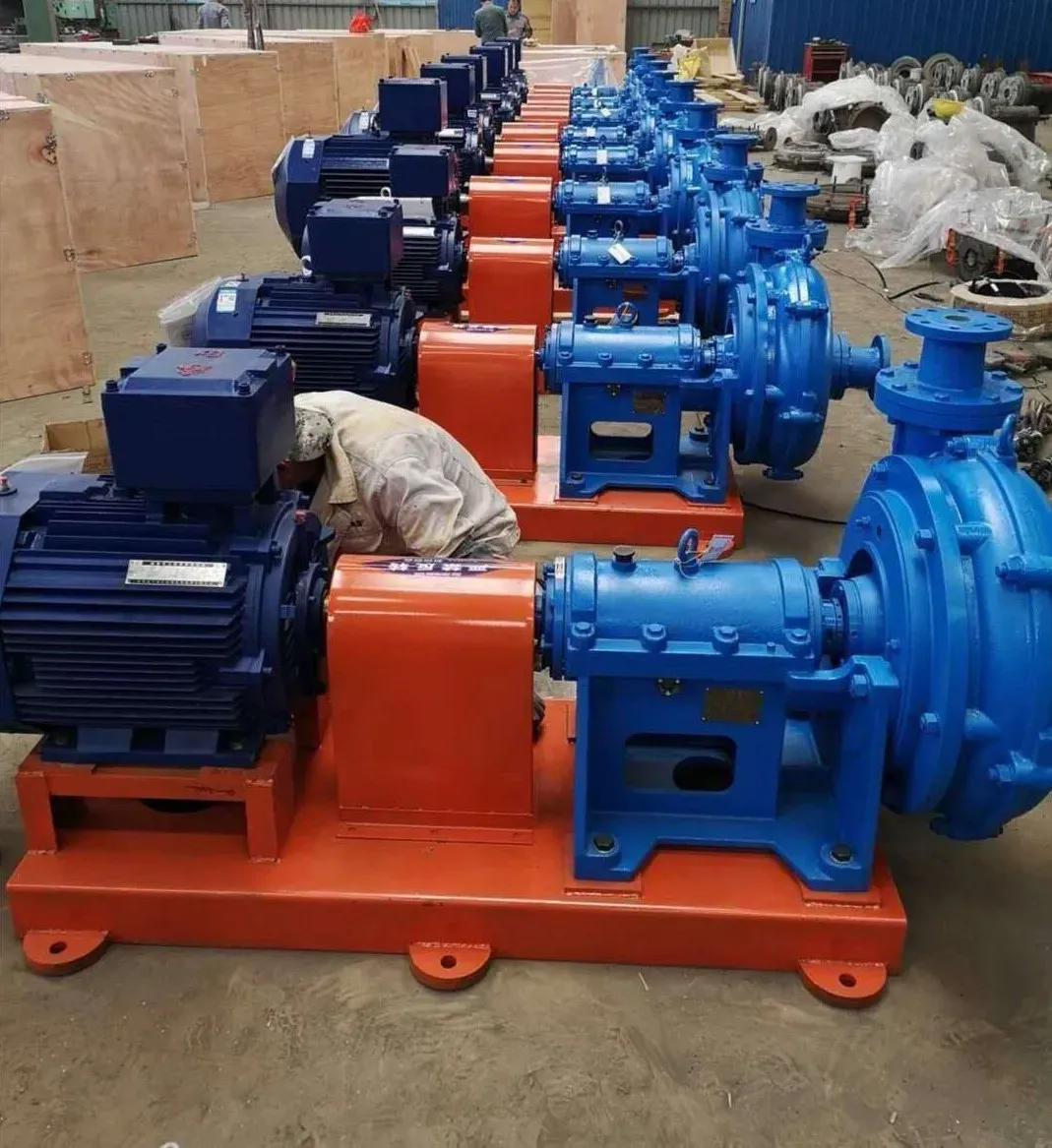
The core components of a basement sewer pump demand specific material properties to withstand the corrosive and abrasive nature of wastewater. Pump housings are commonly constructed from cast iron (ASTM A48 Class 30) offering a balance of cost, strength, and corrosion resistance. However, epoxy-coated cast iron is increasingly preferred to enhance protection against acidic and alkaline components present in sewage. Impellers, responsible for moving the wastewater, are frequently manufactured from high-strength engineered polymers like polypropylene or glass-filled PBT (Polybutylene Terephthalate). These materials offer excellent resistance to abrasion from sand, grit, and other solids. Shafts are typically made from stainless steel (304 or 316) due to their high tensile strength, corrosion resistance, and ability to withstand torsional stress. Seals, crucial for preventing leakage, are often composed of materials like Viton (fluoroelastomer) or EPDM (ethylene propylene diene monomer) rubber, selected for their chemical compatibility with wastewater constituents.
Manufacturing processes vary depending on the component. Cast iron housings are produced via sand casting, followed by machining to achieve precise dimensions and surface finishes. Impellers are typically injection molded, requiring careful control of melt temperature, injection pressure, and cooling rates to minimize warping and ensure dimensional accuracy. Shafts are machined from solid stock using CNC turning and milling processes. Assembly involves precise alignment and torque specifications for all fasteners. Critical parameters during manufacturing include impeller balancing to minimize vibration, seal installation force to ensure leak-proof operation, and coating thickness for epoxy-coated housings to guarantee adequate corrosion protection. Quality control incorporates hydrostatic testing to verify housing integrity, electrical safety testing to ensure compliance with UL/CSA standards, and performance testing to validate flow rate and head characteristics.
Performance & Engineering
The performance of a basement sewer pump is dictated by its hydraulic design and motor characteristics. Pump selection is primarily based on Total Dynamic Head (TDH), which is the sum of static head (vertical lift), friction head (resistance within the piping system), and velocity head. Hydraulic Institute standards (ANSI/HI) define methods for calculating TDH accurately. Pump curves, provided by manufacturers, illustrate the relationship between flow rate and head. Efficient pump operation requires selecting a pump whose operating point (flow rate and head) aligns closely with the system requirements. Motor selection is critical. Single-phase motors are common for residential applications, while three-phase motors are used in commercial settings due to their higher efficiency and power capacity. Motor power (horsepower - HP) is determined by the required flow rate and head.
Engineering considerations include preventing pump cavitation, a phenomenon caused by low pressure at the impeller inlet, leading to vapor bubble formation and subsequent impeller damage. Proper submergence of the pump is essential to maintain sufficient Net Positive Suction Head Available (NPSHA) and avoid cavitation. Float switch design is paramount for automatic pump operation. Typically, pumps employ a vertical float switch that activates the pump when the water level rises and deactivates it when the water level falls. Reliable float switch operation requires preventing switch binding due to debris accumulation and ensuring proper float switch travel. Furthermore, pump selection must consider solids handling capability. Impeller design (vortex, recessed, or solids-handling) directly impacts the size and type of solids the pump can process without clogging. Compliance with relevant codes, such as the Uniform Plumbing Code (UPC) and the International Plumbing Code (IPC), is essential to ensure safe and reliable system operation.
Technical Specifications
| Parameter | Typical Range (Residential) | Typical Range (Commercial) | Units |
|---|---|---|---|
| Flow Rate | 40-120 | 150-500 | GPM (Gallons per Minute) |
| Total Dynamic Head | 10-30 | 30-100 | Feet |
| Solids Handling Capability | Up to 2" | Up to 3" | Inches |
| Motor Horsepower | 1/2 - 1 HP | 1-5 HP | HP (Horsepower) |
| Voltage | 115/230V | 230/460V | Volts |
| Discharge Pipe Size | 1.25" - 2" | 2" - 4" | Inches |
Failure Mode & Maintenance
Basement sewer pump failures commonly stem from several sources. A primary failure mode is impeller blockage caused by non-biodegradable materials (wipes, feminine hygiene products, etc.). This leads to motor overload and potential pump burnout. Another frequent failure is seal failure, resulting in leakage and potential motor damage. Corrosion of cast iron components, particularly in acidic wastewater environments, can lead to housing cracks and pump failure. Float switch malfunctions, often due to debris accumulation or mechanical wear, can cause pumps to run continuously or fail to operate when needed. Motor winding failure, resulting from overheating or electrical surges, is a significant concern.
Preventive maintenance is critical for extending pump life. Regular inspection and removal of debris from the basin is essential. Periodic cleaning of the impeller and volute (pump housing) can prevent blockages. Annual inspection of the float switch and its linkage is recommended, along with lubrication of moving parts. Monitoring motor amperage draw can indicate potential problems such as impeller blockage or winding degradation. Electrical connections should be checked for corrosion and tightness. Routine visual inspection for leaks is crucial. In the event of pump failure, a thorough failure analysis should be conducted to identify the root cause and prevent recurrence. Replacement of worn seals, impellers, or motors may be necessary. Proper disposal of wastewater during pump repair or replacement is also essential to maintain environmental compliance.
Industry FAQ
Q: What is the primary difference between a sump pump and a sewer pump?
A: Sump pumps are designed to remove groundwater accumulation, handling primarily clean water. Sewer pumps, conversely, are engineered to handle wastewater containing solids and require more robust construction and impeller designs capable of processing this material without clogging. They discharge to a sewer line, not a drainage area.
Q: How do I determine the correct pump size (flow rate and head) for my application?
A: Correct sizing requires calculating the Total Dynamic Head (TDH) – the vertical lift plus friction losses in the piping. Then, assess the expected flow rate based on peak usage scenarios. Consult pump curves provided by manufacturers to select a pump that operates efficiently at your calculated TDH and flow rate.
Q: What is the best way to prevent pump clogging?
A: The most effective method is to prevent non-biodegradable materials from entering the system. Educate building occupants about appropriate disposal practices (avoid flushing wipes, feminine hygiene products, or excessive amounts of grease). Install a strainer or screen on the basin inlet to capture larger debris.
Q: What type of motor protection is typically included in a quality basement sewer pump?
A: Quality pumps typically incorporate thermal overload protection to prevent motor burnout due to overheating. Some models may also include current overload protection to protect against excessive amperage draw caused by impeller blockage or other issues.
Q: What material is best for the pump housing to resist corrosion?
A: While cast iron is common, epoxy-coated cast iron provides superior corrosion resistance. Stainless steel housings (316SS) offer the highest level of corrosion protection but come at a higher cost. The choice depends on the specific wastewater composition and anticipated service life.
Conclusion
Basement sewer pumps are indispensable for managing wastewater in below-grade applications. Successful deployment hinges on a thorough understanding of their underlying material science, manufacturing processes, and performance characteristics. Proper selection, based on calculated Total Dynamic Head and flow rate requirements, is critical for optimal efficiency and longevity. Implementing a robust preventive maintenance program, focused on debris removal, float switch inspection, and monitoring motor performance, significantly reduces the risk of failure and extends pump lifespan.
The industry trend is leaning towards higher efficiency motors, improved impeller designs for solids handling, and more robust materials for corrosion resistance. Adhering to relevant industry standards (ANSI/HI, UPC, IPC) ensures safe and compliant system operation. Future advancements will likely focus on smart pump technologies incorporating remote monitoring, predictive maintenance capabilities, and automated alerts, further enhancing reliability and minimizing the potential for costly sewage backups.
-
Comprehensive Guide to Waterproof ORings for Optimal Sealing Solutions
News2026-06-09
-
best sewage ejector pump Performance Engineering
News2026-06-11
-
aerobic septic system pump Performance Analysis
News2026-06-11
-
Sumergible Pump Performance Analysis
News2026-06-11
-
ejector pump for basement Performance Engineering
News2026-06-11
-
sewer lift pump Performance Engineering
News2026-06-11
-
Septic Pump Replacement Performance Analysis
News2026-06-10
-
Septic Pump Price Performance Analysis
News2026-06-10
-
pumps for septic systems Material Science Manufacturing
News2026-06-10
-
ejector pumps for basement bathrooms Performance Analysis
News2026-06-10
-
Ejector Pump Cost Analysis
News2026-06-10
-
drainage pumps Performance and Engineering
News2026-06-09
-
basement bathroom ejector pump Material Science
News2026-06-09
-
Sewer Ejector Pump Cost Performance Analysis
News2026-06-09
-
Septic Tank Pump Replacement Performance Analysis
News2026-06-09




