English
- Afrikaans
- Albanian
- Amharic
- Arabic
- Armenian
- Azerbaijani
- Basque
- Belarusian
- Bengali
- Bosnian
- Bulgarian
- Catalan
- Cebuano
- Corsican
- Croatian
- Czech
- Danish
- Dutch
- English
- Esperanto
- Estonian
- Finnish
- French
- Frisian
- Galician
- Georgian
- German
- Greek
- Gujarati
- Haitian Creole
- hausa
- hawaiian
- Hebrew
- Hindi
- Miao
- Hungarian
- Icelandic
- igbo
- Indonesian
- irish
- Italian
- Japanese
- Javanese
- Kannada
- kazakh
- Khmer
- Rwandese
- Korean
- Kurdish
- Kyrgyz
- Lao
- Latin
- Latvian
- Lithuanian
- Luxembourgish
- Macedonian
- Malgashi
- Malay
- Malayalam
- Maltese
- Maori
- Marathi
- Mongolian
- Myanmar
- Nepali
- Norwegian
- Norwegian
- Occitan
- Pashto
- Persian
- Polish
- Portuguese
- Punjabi
- Romanian
- Russian
- Samoan
- Scottish Gaelic
- Serbian
- Sesotho
- Shona
- Sindhi
- Sinhala
- Slovak
- Slovenian
- Somali
- Spanish
- Sundanese
- Swahili
- Swedish
- Tagalog
- Tajik
- Tamil
- Tatar
- Telugu
- Thai
- Turkish
- Turkmen
- Ukrainian
- Urdu
- Uighur
- Uzbek
- Vietnamese
- Welsh
- Bantu
- Yiddish
- Yoruba
- Zulu

Telephone: +86 13120555503
Email: frank@cypump.com


Apr . 01, 2024 17:55 Back to list
basement sewer ejector pump Performance Analysis
Introduction
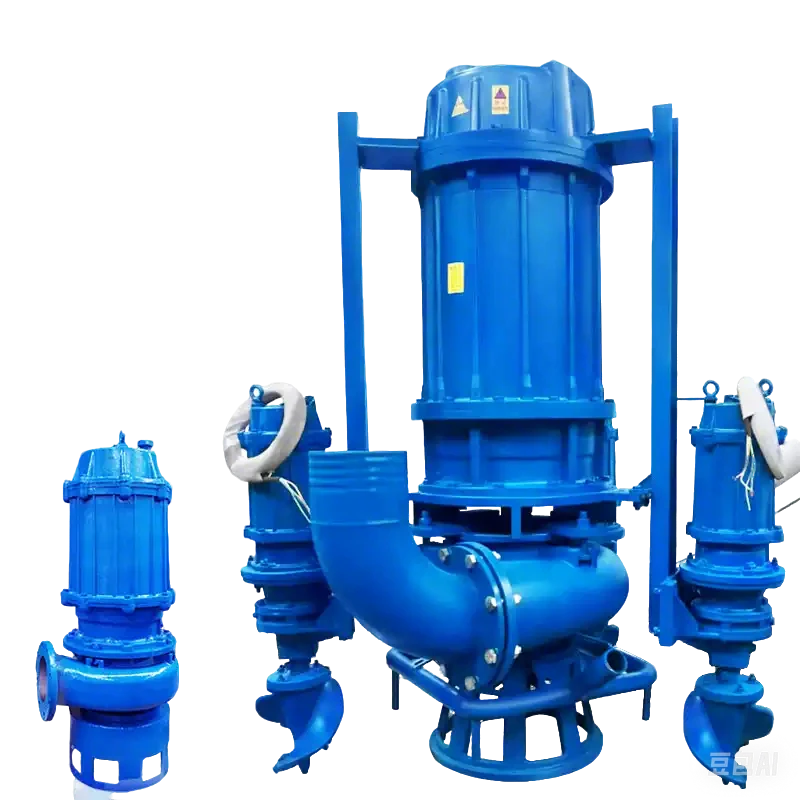
Basement sewer ejector pumps are critical components in residential and commercial plumbing systems where gravity drainage is insufficient. Positioned in a basin typically installed in a basement floor, these pumps forcibly transfer wastewater to the municipal sewer system or septic tank. Unlike standard sump pumps that handle groundwater intrusion, ejector pumps are specifically designed for sewage and wastewater. Their technical position in the wastewater management chain is between the point of waste generation (toilets, showers, laundry) and the primary treatment infrastructure. Core performance metrics include pumping capacity (gallons per minute - GPM), head pressure (vertical distance the pump can lift the wastewater), motor horsepower (HP), and solids handling capability (diameter of solid waste the pump can process without clogging). The increasing frequency of basement finishing and the challenges posed by aging sewer infrastructure drive the demand for reliable and efficient ejector pumps.
Material Science & Manufacturing
Ejector pump construction hinges on materials resistant to corrosive wastewater and capable of withstanding continuous submerged operation. Pump housings are commonly manufactured from cast iron (ASTM A48 Class 30) due to its durability, cost-effectiveness, and inherent corrosion resistance when properly coated. Epoxy coatings are widely applied to the cast iron interiors to enhance chemical resistance against hydrogen sulfide, sulfates, and other aggressive components found in sewage. Impellers, responsible for moving the wastewater, are frequently made from engineered polymers such as glass-filled polypropylene (PP-GL) or high-density polyethylene (HDPE) due to their excellent resistance to abrasion and degradation. Motor housings often utilize stainless steel (304 or 316) for superior corrosion protection. Shafts are typically constructed from 410 stainless steel, offering a balance of strength and corrosion resistance. Manufacturing processes involve casting (for iron housings), injection molding (for polymer impellers), and machining (for shafts and other precision components). A critical parameter during impeller injection molding is maintaining consistent wall thickness to prevent stress concentrations and ensure hydraulic efficiency. Welding processes used in assembling components must be performed with electrodes designed for the specific materials being joined to prevent corrosion and maintain structural integrity. Quality control focuses on hydrostatic testing of housings to verify leak tightness and dynamic balancing of impellers to minimize vibration and noise.
Performance & Engineering
The performance of a basement sewer ejector pump is governed by principles of fluid dynamics and electrical engineering. Force analysis focuses on the hydraulic forces exerted on the impeller and the mechanical stresses on the motor shaft. Cavitation, the formation of vapor bubbles due to low pressure, is a significant concern, particularly with high-lift applications. Pump design incorporates impeller geometry optimized to minimize cavitation risk. Environmental resistance is crucial, particularly against moisture and temperature fluctuations. Motors are typically sealed and thermally protected (UL/CSA certified) to prevent overheating and short circuits. Compliance requirements are dictated by local plumbing codes and electrical safety standards (NEC, IEC). Functional implementation involves a float switch system that automatically activates the pump when the wastewater level reaches a predetermined point and deactivates it when the level drops. The reliability of this float switch mechanism is paramount; mechanical float switches are prone to failure due to debris buildup, while electronic sensors offer improved reliability but are susceptible to electrical interference. Proper venting of the ejector pump system is essential to prevent air locking and ensure efficient operation. Head pressure calculations must account for friction losses in the discharge piping and the elevation difference between the pump and the discharge point.
Technical Specifications
| Horsepower (HP) | Maximum Head (ft) | Flow Rate (GPM) | Solids Handling (in) |
|---|---|---|---|
| 1/3 HP | 25 | 45 | 1.5 |
| 1/2 HP | 35 | 60 | 2 |
| 3/4 HP | 45 | 75 | 2.5 |
| 1 HP | 55 | 90 | 3 |
| 1.5 HP | 65 | 110 | 3.5 |
| 2 HP | 75 | 130 | 4 |
Failure Mode & Maintenance
Basement sewer ejector pumps are susceptible to several failure modes. Fatigue cracking of the impeller, particularly in aggressive wastewater environments, is common. Delamination of epoxy coatings on cast iron housings can lead to corrosion. Clogging due to fibrous materials or solid waste is a frequent issue, leading to motor overload and potential burnout. Bearing failure in the motor can result from lack of lubrication or contamination. Oxidation of electrical connections can cause intermittent operation or complete failure. Maintenance protocols should include regular inspection of the float switch for proper operation and cleaning to remove debris. Periodic flushing of the pump basin to remove sediment buildup is crucial. Annual inspection of the epoxy coating for signs of damage and recoating as needed is recommended. Motor bearings should be lubricated according to manufacturer’s specifications. When troubleshooting a failed pump, a multimeter should be used to verify electrical continuity and voltage. A thorough visual inspection of the impeller and housing is necessary to identify signs of wear or damage. Preventive maintenance, including regular cleaning and inspection, significantly extends the lifespan of the pump and reduces the risk of costly repairs.
Industry FAQ
Q: What is the difference between a submersible ejector pump and a pedestal ejector pump?
A: Submersible ejector pumps are fully immersed in the wastewater basin, offering quieter operation and eliminating the need for priming. They are generally more efficient and reliable. Pedestal pumps have the motor positioned above the basin, requiring priming and potentially being noisier. Pedestal pumps are typically less expensive but have a shorter lifespan and are more prone to mechanical issues.
Q: How do I determine the correct horsepower for my ejector pump?
A: The required horsepower depends on the vertical lift (head) and the horizontal distance the wastewater needs to be pumped. A higher head and longer distance require more horsepower. Consider the pipe diameter and friction losses as well. Refer to pump performance curves provided by the manufacturer to select the appropriate horsepower for your specific application.
Q: What causes an ejector pump to cycle on and off frequently?
A: Frequent cycling can be caused by a faulty float switch, a leak in the check valve, or a partially clogged impeller. A malfunctioning float switch may not accurately detect the wastewater level, causing the pump to turn on and off unnecessarily. A leaking check valve allows wastewater to flow back into the basin, triggering the pump to reactivate. Clogging reduces pump efficiency and can also lead to cycling.
Q: What type of wastewater can a standard ejector pump handle?
A: Standard ejector pumps are designed to handle typical residential wastewater, including sewage, toilet paper, and greywater from showers and laundry. However, they are not designed for excessive amounts of grease, feminine hygiene products, or other non-biodegradable materials. Introducing these items can cause clogging and damage the pump.
Q: How important is a backup system for an ejector pump?
A: A backup system, such as a battery backup or a secondary ejector pump, is highly recommended, especially in areas prone to power outages or for critical applications. A power outage can render the primary pump inoperable, leading to sewage backup and potential flooding. A backup system provides redundancy and ensures continued wastewater removal.
Conclusion
Basement sewer ejector pumps are essential components for effective wastewater management in situations where gravity drainage is inadequate. Their reliable operation relies on careful material selection, precise manufacturing processes, and adherence to industry standards. Understanding the principles of fluid dynamics and potential failure modes is critical for proper installation, maintenance, and troubleshooting. Choosing the correct pump size and horsepower, based on specific application requirements, is paramount to ensure efficient and long-lasting performance.
Future advancements in ejector pump technology will likely focus on improved energy efficiency, enhanced sensor integration for predictive maintenance, and the development of more robust materials capable of withstanding increasingly corrosive wastewater conditions. The integration of IoT-enabled monitoring systems will allow for remote diagnostics and proactive intervention, minimizing downtime and maximizing operational life. Continued research into impeller design and motor technologies will further optimize pump performance and reduce energy consumption.
-
Comprehensive Guide to Waterproof ORings for Optimal Sealing Solutions
News2026-06-09
-
heavy duty submersible pump Performance Analysis
News2026-06-25
-
best submersible pump for septic tank Performance Analysis
News2026-06-25
-
basement sewer ejector pump Performance Analysis
News2026-06-25
-
basement pumps ejector pumps Performance Analysis
News2026-06-25
-
basement lift pump Performance and Engineering
News2026-06-25
-
basement bathroom pump systems Performance Analysis
News2026-06-24
-
basement bathroom ejector pump system Performance Engineering
News2026-06-24
-
2 hp sewage pump Performance Engineering
News2026-06-24
-
1 hp septic pump Performance Engineering
News2026-06-24
-
submersible effluent pump Performance Analysis
News2026-06-24
-
submergable pump Material Science
News2026-06-23
-
sewer injection pump Performance Engineering
News2026-06-23
-
Sewer Ejector Pump System Performance Analysis
News2026-06-23
-
septic tank pump for sale Performance Engineering
News2026-06-23




