English
- Afrikaans
- Albanian
- Amharic
- Arabic
- Armenian
- Azerbaijani
- Basque
- Belarusian
- Bengali
- Bosnian
- Bulgarian
- Catalan
- Cebuano
- Corsican
- Croatian
- Czech
- Danish
- Dutch
- English
- Esperanto
- Estonian
- Finnish
- French
- Frisian
- Galician
- Georgian
- German
- Greek
- Gujarati
- Haitian Creole
- hausa
- hawaiian
- Hebrew
- Hindi
- Miao
- Hungarian
- Icelandic
- igbo
- Indonesian
- irish
- Italian
- Japanese
- Javanese
- Kannada
- kazakh
- Khmer
- Rwandese
- Korean
- Kurdish
- Kyrgyz
- Lao
- Latin
- Latvian
- Lithuanian
- Luxembourgish
- Macedonian
- Malgashi
- Malay
- Malayalam
- Maltese
- Maori
- Marathi
- Mongolian
- Myanmar
- Nepali
- Norwegian
- Norwegian
- Occitan
- Pashto
- Persian
- Polish
- Portuguese
- Punjabi
- Romanian
- Russian
- Samoan
- Scottish Gaelic
- Serbian
- Sesotho
- Shona
- Sindhi
- Sinhala
- Slovak
- Slovenian
- Somali
- Spanish
- Sundanese
- Swahili
- Swedish
- Tagalog
- Tajik
- Tamil
- Tatar
- Telugu
- Thai
- Turkish
- Turkmen
- Ukrainian
- Urdu
- Uighur
- Uzbek
- Vietnamese
- Welsh
- Bantu
- Yiddish
- Yoruba
- Zulu

Telephone: +86 13120555503
Email: frank@cypump.com


Apr . 01, 2024 17:55 Back to list
basement sewage pump system Performance Engineering
Introduction
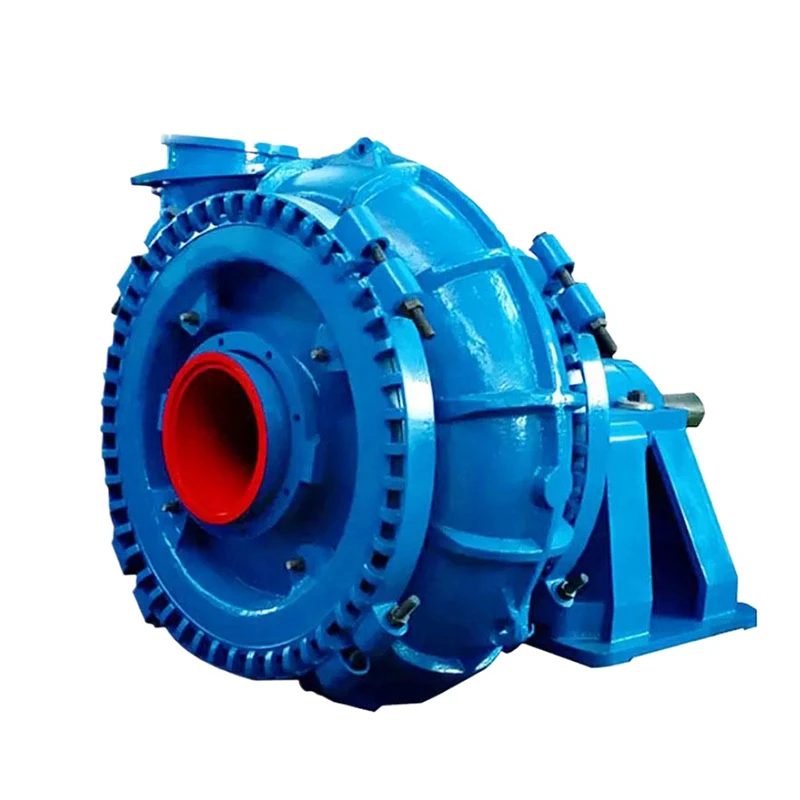
Basement sewage pump systems are critical components of residential and commercial drainage infrastructure, specifically designed to remove wastewater from areas below the main sewer line. These systems function as a vital safeguard against basement flooding, preventing property damage and health hazards associated with sewage backups. Unlike standard sump pumps which handle groundwater intrusion, sewage pumps are engineered to handle solids present in wastewater, including toilet paper, fecal matter, and other debris. Their technical position in the building services chain is post-fixture, accepting discharge from toilets, showers, laundry, and other plumbing appliances located below the gravity-fed sewer line. Core performance metrics include flow rate (gallons per minute – GPM), total dynamic head (TDH – the vertical distance the pump can lift the wastewater), horsepower (HP), and solids handling capability (typically measured in diameter of solids). The increasing frequency of extreme weather events and aging municipal infrastructure are driving demand for robust and reliable basement sewage pump systems.
Material Science & Manufacturing
The construction of a typical basement sewage pump system involves several key materials and manufacturing processes. Pump housings are frequently constructed from cast iron (ASTM A48 Class 30) due to its high tensile strength, durability, and resistance to corrosion from wastewater. However, stainless steel (specifically 304 or 316 grades – ASTM A240) is increasingly used, offering superior corrosion resistance but at a higher cost. Impellers, responsible for moving the wastewater, are often made from high-strength engineered polymers like glass-filled polypropylene or stainless steel. Shaft materials typically include 4140 alloy steel, hardened and tempered for exceptional torsional strength. Seals are critical components, often utilizing silicon carbide mechanical seals (to ANSI/ASME B73.1 standards) for their abrasion resistance and compatibility with various wastewater compositions. Manufacturing processes involve sand casting for housings, injection molding for polymer components, and precision machining for shafts and impellers. Welding (SMAW or GMAW – AWS D1.1) is used in some designs for assembling pump components. Parameter control is paramount; critical dimensions are maintained via CNC machining and coordinate measuring machines (CMMs). Cast iron composition is rigorously tested for tensile strength, hardness, and chemical composition (spectrometric analysis). Polymer shrinkage rates during injection molding are carefully monitored to prevent dimensional inaccuracies.
Performance & Engineering
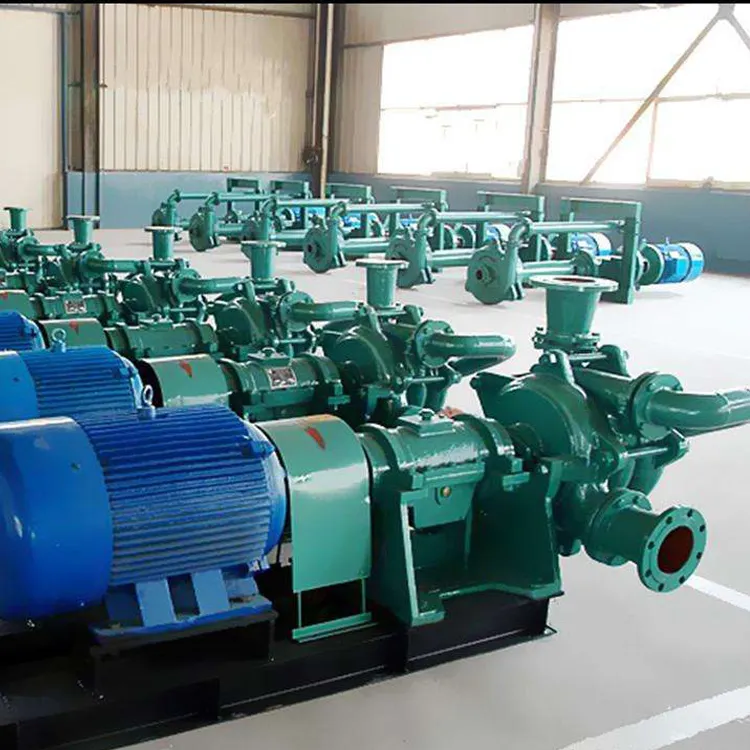
The performance of a basement sewage pump system is fundamentally governed by hydraulic principles and motor characteristics. Force analysis includes calculating the hydrostatic pressure exerted by the wastewater column and the dynamic forces generated by the impeller rotation. The pump curve, a graphical representation of flow rate versus head, is a critical engineering tool for selecting the appropriate pump for a given application. Environmental resistance is a key consideration; systems must withstand constant exposure to moisture, corrosive wastewater, and fluctuating temperatures. Materials selection, as described previously, plays a significant role. Proper ventilation is vital to prevent motor overheating. Compliance requirements include UL/CSA certification (UL 778 – Motor Operated Pumps) for electrical safety and NSF/ANSI 61 for materials used in contact with potable water (even for sewage pumps, residual water contact can occur during testing and maintenance). Functional implementation necessitates careful consideration of piping layout, check valve placement (to prevent backflow), and alarm system integration (float switches – SPDT configuration) to provide early warning of pump failure or high water levels. Calculating Net Positive Suction Head Required (NPSHr) is crucial to prevent cavitation, which can significantly reduce pump efficiency and lifespan.
Technical Specifications
| Pump Type | Motor Horsepower (HP) | Maximum Total Dynamic Head (TDH) - ft | Maximum Flow Rate (GPM) |
|---|---|---|---|
| Submersible Sewage Pump | 1/2 HP | 25 | 45 |
| Submersible Sewage Pump | 3/4 HP | 35 | 60 |
| Submersible Sewage Pump | 1 HP | 45 | 75 |
| Submersible Sewage Pump | 1.5 HP | 55 | 90 |
| Pedestal Sewage Pump | 1/3 HP | 20 | 30 |
| Pedestal Sewage Pump | 1/2 HP | 28 | 40 |
Failure Mode & Maintenance
Basement sewage pump systems are subject to several common failure modes. Fatigue cracking in the pump housing can occur due to cyclical stress from water hammer or vibration. Delamination of impeller blades can result from cavitation or impact from solids. Degradation of seals leads to leakage and loss of pumping efficiency. Oxidation of metallic components, particularly in cast iron housings, can accelerate corrosion. Clogging of the impeller with debris is a frequent issue. Maintenance solutions include regular inspection of seals and replacement as needed (typically every 1-2 years). Periodic flushing of the pump basin to remove sediment and debris. Checking and cleaning the impeller for obstructions. Lubricating bearings (if applicable, in pedestal pump models – using a lithium-based grease). Monitoring motor amperage to detect signs of overload or winding failure. Preventative maintenance also involves ensuring proper ventilation to prevent motor overheating. For cast iron housings, applying a corrosion-inhibiting coating can extend service life. Failure analysis should include visual inspection for cracks, examination of seal wear patterns, and assessment of impeller integrity.
Industry FAQ
Q: What is the difference between a sump pump and a sewage pump, and why can’t I simply use a sump pump in a basement sewage application?
A: Sump pumps are designed to handle clear water infiltration, like groundwater. Their impellers are designed for low viscosity fluids and cannot effectively process solids. Sewage pumps have robust impellers designed to macerate or pass solids, preventing clogging and ensuring reliable operation with wastewater containing fecal matter, toilet paper, and other debris. Using a sump pump for sewage will almost certainly result in immediate clogging and pump failure, potentially causing a sewage backup.
Q: What size pump do I need for my basement, and how is Total Dynamic Head calculated?
A: Pump sizing depends on several factors, including the distance the wastewater needs to be lifted (Total Dynamic Head – TDH), the flow rate required, and the size of the plumbing fixtures served. TDH is calculated by adding the vertical distance from the pump to the discharge point, plus the friction loss in the piping (which depends on pipe diameter, length, and flow velocity). A qualified plumbing engineer should perform these calculations to ensure proper pump selection.
Q: What is a check valve, and why is it important in a sewage pump system?
A: A check valve is a one-way valve installed in the discharge piping to prevent backflow of wastewater into the pump basin when the pump shuts off. This prevents the pump from having to “re-lift” the water, reducing stress on the motor and extending pump lifespan. It also prevents potential contamination of the basement floor.
Q: How often should I replace my sewage pump, and what are the warning signs that it’s failing?
A: The typical lifespan of a sewage pump is 7-10 years, depending on usage and maintenance. Warning signs of failure include excessive noise, reduced flow rate, frequent cycling (short-cycling), and alarm activation. A burnt electrical smell is also a critical indicator of impending failure. Regular inspection and preventative maintenance can extend the pump’s lifespan.
Q: What are the advantages and disadvantages of submersible vs. pedestal sewage pumps?
A: Submersible pumps are quieter, more efficient, and less prone to freezing. However, they require removal of the entire unit for maintenance. Pedestal pumps are easier to service, as the motor is located above the basin, but they are noisier and more susceptible to freezing. The choice depends on the specific application and local climate.
Conclusion
Basement sewage pump systems represent a critical infrastructure component for managing wastewater in below-grade applications. Their selection and implementation require a thorough understanding of hydraulic principles, materials science, and industry standards. Proper pump sizing, materials selection resistant to corrosive wastewater, and adherence to relevant safety and performance certifications (UL, NSF) are paramount to ensuring reliable and long-lasting operation.
Future advancements in sewage pump technology are likely to focus on improved energy efficiency through variable frequency drives (VFDs), smart pump control systems incorporating remote monitoring and diagnostics, and the development of even more robust and corrosion-resistant materials. Prioritizing preventative maintenance and regularly assessing system performance will continue to be vital for mitigating the risk of costly sewage backups and maintaining a safe and sanitary environment.
-
Comprehensive Guide to Waterproof ORings for Optimal Sealing Solutions
News2026-06-09
-
heavy duty submersible pump Performance Analysis
News2026-06-25
-
best submersible pump for septic tank Performance Analysis
News2026-06-25
-
basement sewer ejector pump Performance Analysis
News2026-06-25
-
basement pumps ejector pumps Performance Analysis
News2026-06-25
-
basement lift pump Performance and Engineering
News2026-06-25
-
basement bathroom pump systems Performance Analysis
News2026-06-24
-
basement bathroom ejector pump system Performance Engineering
News2026-06-24
-
2 hp sewage pump Performance Engineering
News2026-06-24
-
1 hp septic pump Performance Engineering
News2026-06-24
-
submersible effluent pump Performance Analysis
News2026-06-24
-
submergable pump Material Science
News2026-06-23
-
sewer injection pump Performance Engineering
News2026-06-23
-
Sewer Ejector Pump System Performance Analysis
News2026-06-23
-
septic tank pump for sale Performance Engineering
News2026-06-23




