English
- Afrikaans
- Albanian
- Amharic
- Arabic
- Armenian
- Azerbaijani
- Basque
- Belarusian
- Bengali
- Bosnian
- Bulgarian
- Catalan
- Cebuano
- Corsican
- Croatian
- Czech
- Danish
- Dutch
- English
- Esperanto
- Estonian
- Finnish
- French
- Frisian
- Galician
- Georgian
- German
- Greek
- Gujarati
- Haitian Creole
- hausa
- hawaiian
- Hebrew
- Hindi
- Miao
- Hungarian
- Icelandic
- igbo
- Indonesian
- irish
- Italian
- Japanese
- Javanese
- Kannada
- kazakh
- Khmer
- Rwandese
- Korean
- Kurdish
- Kyrgyz
- Lao
- Latin
- Latvian
- Lithuanian
- Luxembourgish
- Macedonian
- Malgashi
- Malay
- Malayalam
- Maltese
- Maori
- Marathi
- Mongolian
- Myanmar
- Nepali
- Norwegian
- Norwegian
- Occitan
- Pashto
- Persian
- Polish
- Portuguese
- Punjabi
- Romanian
- Russian
- Samoan
- Scottish Gaelic
- Serbian
- Sesotho
- Shona
- Sindhi
- Sinhala
- Slovak
- Slovenian
- Somali
- Spanish
- Sundanese
- Swahili
- Swedish
- Tagalog
- Tajik
- Tamil
- Tatar
- Telugu
- Thai
- Turkish
- Turkmen
- Ukrainian
- Urdu
- Uighur
- Uzbek
- Vietnamese
- Welsh
- Bantu
- Yiddish
- Yoruba
- Zulu

Telephone: +86 13120555503
Email: frank@cypump.com


Apr . 01, 2024 17:55 Back to list
basement sewage pump Performance Engineering
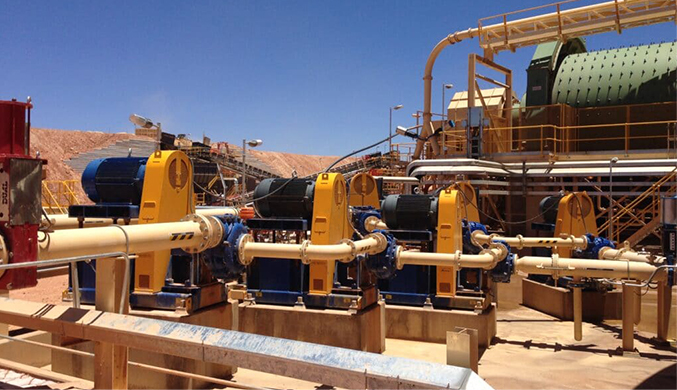
Introduction
Basement sewage pumps, also known as ejector pumps, are critical components in residential and commercial plumbing systems where gravity drainage is insufficient. Their primary function is to collect wastewater from fixtures located below the main sewer line and transfer it to the municipal sewer system or a septic tank. This necessitates a robust design capable of handling solids and aggressive waste materials. Within the broader pumping industry, basement sewage pumps occupy a specialized niche differentiated by their submersible design, solids-handling capabilities, and compact footprint. Performance is evaluated by flow rate (gallons per minute or GPM), head (vertical lift capability in feet), horsepower (HP), and solids handling capacity (diameter of solids the pump can process). Addressing common issues like pump failure due to clogging, corrosion, and motor burnout represents a significant pain point for homeowners and plumbing professionals, driving demand for improved materials, intelligent control systems, and enhanced preventative maintenance protocols.
Material Science & Manufacturing
The construction of a typical basement sewage pump involves several key materials, each selected for specific performance characteristics. The pump housing and impeller are commonly constructed from cast iron (ASTM A48 Class 30) due to its durability, resistance to corrosion (when coated), and cost-effectiveness. However, stainless steel (specifically 304 or 316, per ASTM A240) is increasingly favored for its superior corrosion resistance, particularly in environments with high acidity or salinity. Impeller materials must withstand abrasive wear from solids; thus, hardened alloys or engineered polymers are frequently employed. The pump's motor housing is typically made of cast iron or steel, providing a protective enclosure for the electrical components. Shafts are generally constructed from 4140 alloy steel, heat-treated to achieve high tensile strength and resistance to torsional stress. Seals, critical for preventing water ingress into the motor, are often made from nitrile rubber (Buna-N) or Viton (fluoroelastomer), chosen for their chemical compatibility with wastewater.
Manufacturing processes include sand casting for the housing and impeller, machining for precision fitting of components, and welding for joining structural elements (meeting AWS D1.1 standards). The electric motor is assembled through winding, insulation, and encapsulation processes, ensuring waterproofing and electrical safety (UL 508A compliance). Quality control involves hydrostatic testing to verify housing integrity, dynamic balancing of the impeller to minimize vibration, and electrical safety testing per IEC 60335-2-40 standards. Powder coating or epoxy coating is applied to cast iron components to enhance corrosion resistance. Careful parameter control during casting (temperature, cooling rate, mold design) is essential to minimize porosity and ensure structural integrity.
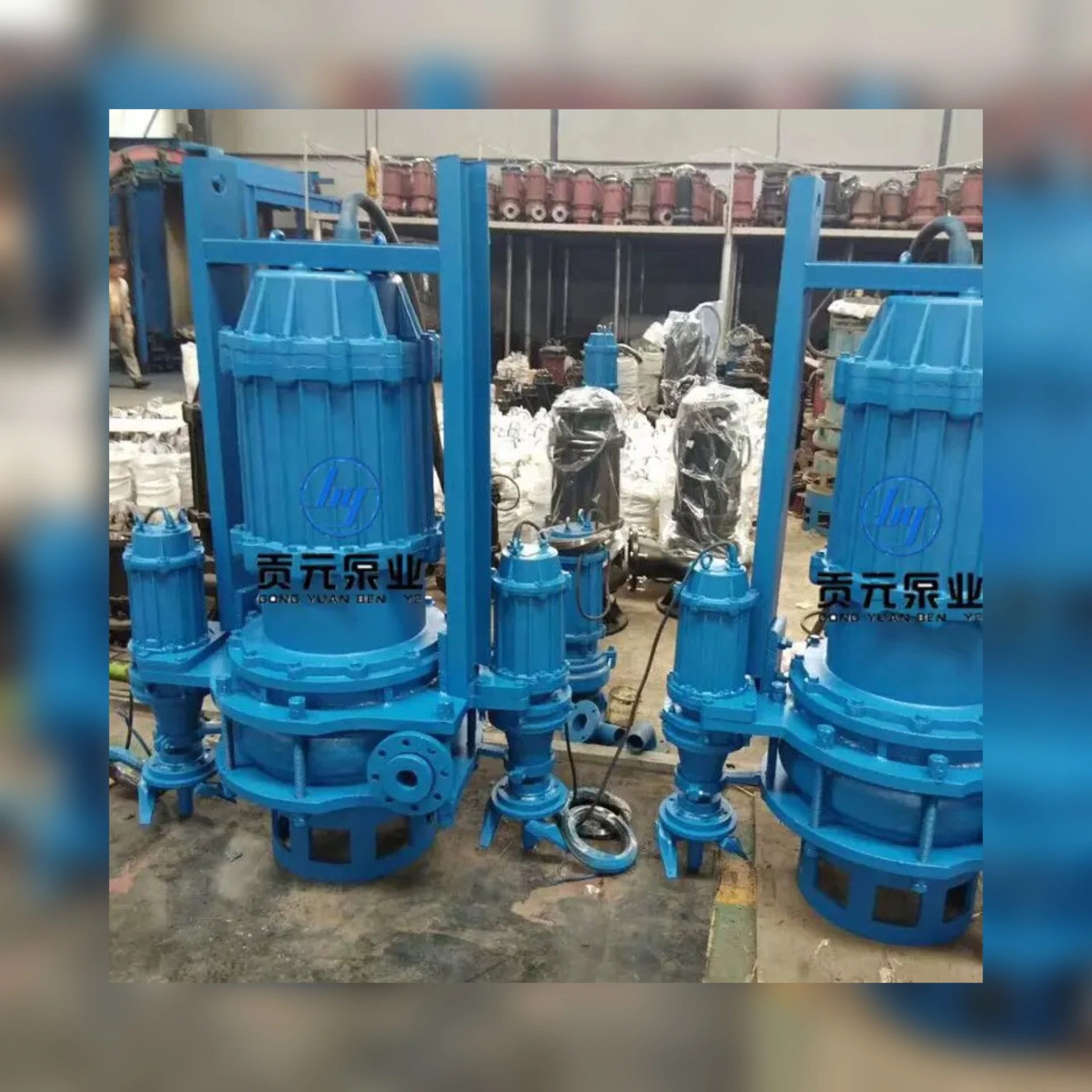
Performance & Engineering
Basement sewage pump performance is fundamentally governed by fluid dynamics and mechanical engineering principles. The pump's capacity to move wastewater depends on its impeller design (radial, mixed flow, or axial), rotational speed (RPM), and the hydraulic head it must overcome. Force analysis considers the static head (vertical distance to the discharge point), dynamic head (friction losses in the piping system), and pressure head (pressure at the discharge point). Environmental resistance is a crucial design consideration. Pumps must operate reliably in potentially corrosive wastewater environments and withstand temperature fluctuations. Compliance with regulations such as EPA guidelines regarding discharge limits and local plumbing codes (UPC/IPC) is paramount.
Engineering considerations extend to the pump's electrical system. Submersible motors require robust waterproofing (typically Class H insulation) and thermal overload protection to prevent burnout. Control systems often incorporate float switches or pressure transducers to automatically activate and deactivate the pump based on water level. Pump curves, generated through rigorous testing, provide a graphical representation of the pump's performance characteristics (flow rate vs. head) at various operating points. Cavitation, a phenomenon caused by low pressure at the impeller inlet, is a potential failure mode that must be mitigated through proper pump sizing and system design. Finite element analysis (FEA) is used to optimize component designs and predict stress concentrations under load. Vibration analysis ensures smooth operation and prevents premature bearing wear.
Technical Specifications
| Horsepower (HP) | Maximum Head (ft) | Maximum Flow Rate (GPM) | Solids Handling Capacity (in) |
|---|---|---|---|
| 1/3 HP | 25 | 45 | 1.5 |
| 1/2 HP | 35 | 60 | 2 |
| 3/4 HP | 45 | 75 | 2.5 |
| 1 HP | 55 | 90 | 3 |
| 1.5 HP | 65 | 110 | 3.5 |
| 2 HP | 75 | 130 | 4 |
Failure Mode & Maintenance
Basement sewage pumps are susceptible to several failure modes. Clogging, caused by debris such as rags, wipes, and plastic objects, is a frequent issue, leading to motor overload and potential burnout. Corrosion, particularly in cast iron housings, can result in structural weakening and leakage. Fatigue cracking can occur in the impeller or shaft due to repeated stress cycles. Seal failure allows water to enter the motor, causing short circuits and corrosion. Motor burnout results from overheating, often caused by prolonged operation in low-flow conditions or a faulty thermal overload protector. Oxidation of electrical connections can lead to intermittent operation or complete failure.
Preventative maintenance is crucial for extending pump life. Regular inspection of the inlet screen and removal of debris prevents clogging. Periodic cleaning of the pump housing removes accumulated solids and reduces corrosion. Lubrication of bearings (if applicable) minimizes friction and wear. Electrical connection checks ensure proper continuity and prevent oxidation. Monitoring pump run times and power consumption can identify potential issues before they escalate. In the event of failure, a thorough failure analysis should be conducted to identify the root cause and prevent recurrence. Replacement of worn components (impeller, seals, bearings) restores pump performance. Professional maintenance should be performed by qualified personnel, adhering to all applicable safety regulations.
Industry FAQ
Q: What is the significance of the pump's head rating in relation to my application?
A: The head rating specifies the maximum vertical distance the pump can effectively lift wastewater. It’s critical to calculate the total dynamic head – including static lift, friction losses in the pipe, and any pressure at the discharge point – and select a pump with a head rating exceeding that value. Undersizing the pump will result in reduced flow rate and potential pump failure.
Q: How do different impeller materials affect pump lifespan and performance?
A: Cast iron impellers are cost-effective but susceptible to corrosion, particularly in aggressive wastewater environments. Stainless steel impellers offer superior corrosion resistance, extending pump lifespan. Hardened alloys or engineered polymers are used when handling abrasive solids. The optimal impeller material depends on the specific wastewater composition and operational conditions.
Q: What are the common causes of pump clogging, and how can they be prevented?
A: Clogging is typically caused by non-biodegradable materials such as rags, wipes, feminine hygiene products, and plastic objects. Prevention involves installing an inlet screen to filter out large debris, educating users about proper disposal practices, and regularly inspecting and cleaning the pump’s intake.
Q: What role does the thermal overload protector play in pump safety and longevity?
A: The thermal overload protector is a safety device that automatically shuts off the pump motor if it overheats, preventing damage to the motor windings. This can occur due to prolonged operation in low-flow conditions, clogging, or excessive load. Regular testing of the thermal overload protector is essential.
Q: What level of waterproofing is typical for a submersible sewage pump, and what are the implications of a seal failure?
A: Submersible sewage pumps typically utilize Class H insulation, providing a high degree of waterproofing. However, seal failure can compromise this protection, allowing water to enter the motor and cause short circuits, corrosion, and ultimately, pump failure. Regular inspection and replacement of seals are crucial maintenance steps.
Conclusion
Basement sewage pumps represent a vital, albeit often overlooked, component in wastewater management systems. Their selection and proper application require a thorough understanding of fluid dynamics, material science, and electrical engineering principles. The trend towards more durable materials, intelligent control systems, and proactive maintenance strategies is driven by the need to minimize downtime, reduce life-cycle costs, and ensure reliable operation in challenging environments.
Future developments will likely focus on incorporating advanced sensor technology for predictive maintenance, optimizing impeller designs for improved efficiency, and developing more environmentally friendly materials. Continued adherence to industry standards and best practices will be essential for maintaining the integrity and performance of these critical systems. The long-term viability of basement sewage pumps hinges on a commitment to innovation and a holistic approach to system design and maintenance.
-
Comprehensive Guide to Waterproof ORings for Optimal Sealing Solutions
News2026-06-09
-
heavy duty submersible pump Performance Analysis
News2026-06-25
-
best submersible pump for septic tank Performance Analysis
News2026-06-25
-
basement sewer ejector pump Performance Analysis
News2026-06-25
-
basement pumps ejector pumps Performance Analysis
News2026-06-25
-
basement lift pump Performance and Engineering
News2026-06-25
-
basement bathroom pump systems Performance Analysis
News2026-06-24
-
basement bathroom ejector pump system Performance Engineering
News2026-06-24
-
2 hp sewage pump Performance Engineering
News2026-06-24
-
1 hp septic pump Performance Engineering
News2026-06-24
-
submersible effluent pump Performance Analysis
News2026-06-24
-
submergable pump Material Science
News2026-06-23
-
sewer injection pump Performance Engineering
News2026-06-23
-
Sewer Ejector Pump System Performance Analysis
News2026-06-23
-
septic tank pump for sale Performance Engineering
News2026-06-23




