English
- Afrikaans
- Albanian
- Amharic
- Arabic
- Armenian
- Azerbaijani
- Basque
- Belarusian
- Bengali
- Bosnian
- Bulgarian
- Catalan
- Cebuano
- Corsican
- Croatian
- Czech
- Danish
- Dutch
- English
- Esperanto
- Estonian
- Finnish
- French
- Frisian
- Galician
- Georgian
- German
- Greek
- Gujarati
- Haitian Creole
- hausa
- hawaiian
- Hebrew
- Hindi
- Miao
- Hungarian
- Icelandic
- igbo
- Indonesian
- irish
- Italian
- Japanese
- Javanese
- Kannada
- kazakh
- Khmer
- Rwandese
- Korean
- Kurdish
- Kyrgyz
- Lao
- Latin
- Latvian
- Lithuanian
- Luxembourgish
- Macedonian
- Malgashi
- Malay
- Malayalam
- Maltese
- Maori
- Marathi
- Mongolian
- Myanmar
- Nepali
- Norwegian
- Norwegian
- Occitan
- Pashto
- Persian
- Polish
- Portuguese
- Punjabi
- Romanian
- Russian
- Samoan
- Scottish Gaelic
- Serbian
- Sesotho
- Shona
- Sindhi
- Sinhala
- Slovak
- Slovenian
- Somali
- Spanish
- Sundanese
- Swahili
- Swedish
- Tagalog
- Tajik
- Tamil
- Tatar
- Telugu
- Thai
- Turkish
- Turkmen
- Ukrainian
- Urdu
- Uighur
- Uzbek
- Vietnamese
- Welsh
- Bantu
- Yiddish
- Yoruba
- Zulu

Telephone: +86 13120555503
Email: frank@cypump.com


Apr . 01, 2024 17:55 Back to list
basement sewage ejector pump Material Science Manufacturing
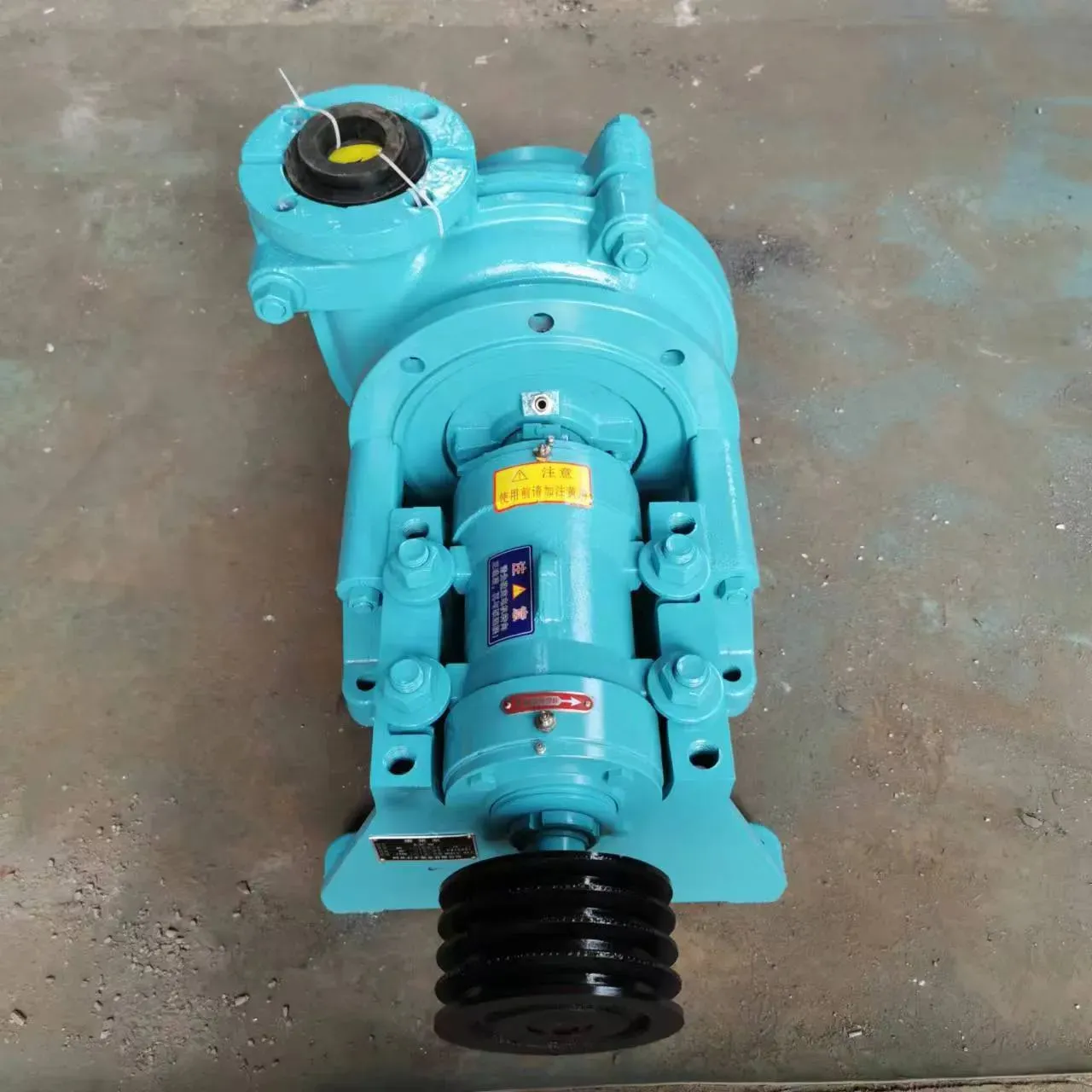
Introduction
Basement sewage ejector pumps are engineered systems designed to relocate wastewater from areas below the main sewer line to the municipal sewage system or a suitable septic tank. Their technical position within the wastewater management chain is critical for preventing basement flooding and sanitation issues in residential and commercial buildings. Unlike traditional sump pumps which handle primarily groundwater, sewage ejector pumps are specifically designed to process solid-laden wastewater. Core performance characteristics revolve around pumping capacity (gallons per minute – GPM), total dynamic head (TDH) measured in feet, motor horsepower (HP), and the pump’s ability to handle solids of a specified size. These pumps address a significant pain point in construction and property management – the difficulty of effectively removing sewage from basements and low-lying areas where gravity drainage is insufficient. The inherent challenge lies in maintaining reliable operation in a harsh environment prone to clogging, corrosion, and continuous submersion.
Material Science & Manufacturing
The construction of a basement sewage ejector pump demands careful material selection to ensure durability and resistance to corrosive elements present in wastewater. Pump housings are commonly constructed from cast iron (ASTM A48 Class 30), known for its high tensile strength and resistance to impact. However, ductile iron (ASTM A536-89) is increasingly preferred due to its superior impact resistance and ductility, reducing the risk of cracking. Impellers, the rotating component that generates the pumping action, are typically manufactured from stainless steel (304 or 316 – ASTM A240), offering excellent corrosion resistance against hydrogen sulfide and other aggressive compounds. Pump seals are often composed of silicon carbide mechanical seals, providing a robust barrier against leakage and abrasion. Manufacturing processes involve several key stages: casting the pump housing, machining critical components for precise fit, welding (AWS D1.1 compliant) for structural integrity, and applying a protective epoxy coating (ASTM D3451) to the cast iron to inhibit corrosion. Parameter control during the casting process—specifically, mold temperature, pouring rate, and cooling speed—directly impacts the microstructure of the cast iron, influencing its tensile strength and resistance to stress corrosion cracking. The impeller balancing process is critical for minimizing vibration and maximizing pump efficiency.
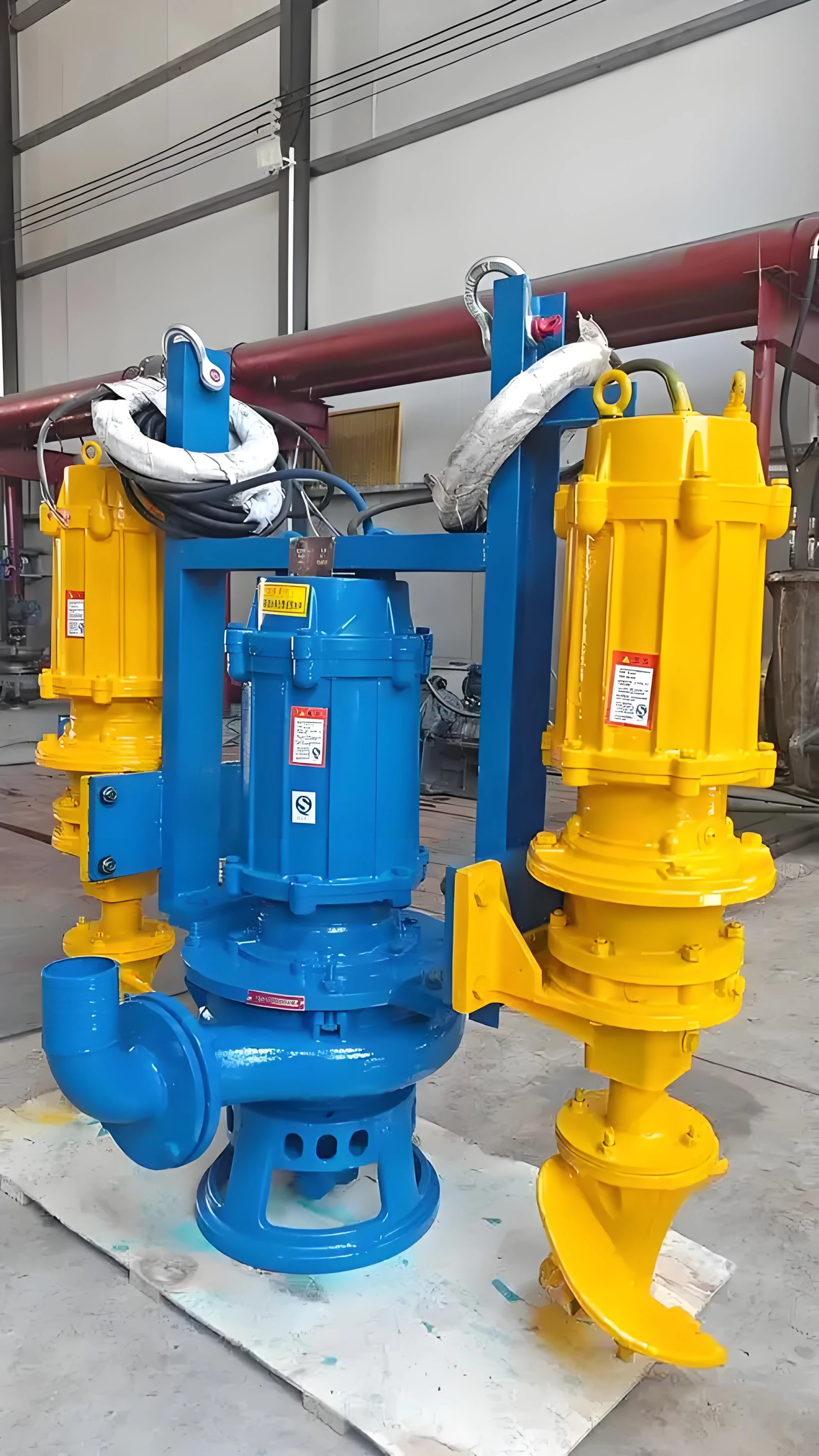
Performance & Engineering
The performance of a sewage ejector pump is dictated by several engineering principles. Force analysis centers on the hydraulic forces exerted on the impeller, the motor’s torque output, and the static and dynamic head pressures. The pump curve, a graphical representation of flow rate versus head, is a vital design consideration. Environmental resistance is paramount, requiring the pump to withstand continuous submersion, varying temperatures, and the corrosive nature of sewage. Compliance with National Electrical Manufacturers Association (NEMA) standards (specifically NEMA MG 1) ensures motor safety and performance. Pump sizing requires careful consideration of the anticipated wastewater volume, the vertical distance (head) the pump must lift the wastewater, and the horizontal distance (pipe friction loss). A crucial engineering detail is the design of the impeller vanes. Open-channel impellers are preferred for handling solids, minimizing clogging, while vortex impellers are ideal for highly abrasive fluids. Furthermore, the check valve design (ASTM A743) must prevent backflow and maintain prime. A float switch mechanism, typically utilizing a tethered float or pressure sensors, automatically activates and deactivates the pump based on water level, preventing dry running and overflow.
Technical Specifications
| Horsepower (HP) | Maximum Head (ft) | Maximum Flow Rate (GPM) | Solids Handling Capability (in) |
|---|---|---|---|
| 1/3 HP | 25 | 45 | 2 |
| 1/2 HP | 35 | 60 | 2.5 |
| 3/4 HP | 45 | 75 | 3 |
| 1 HP | 55 | 90 | 3.5 |
| 1.5 HP | 65 | 110 | 4 |
| 2 HP | 75 | 130 | 4.5 |
Failure Mode & Maintenance
Basement sewage ejector pumps are susceptible to several failure modes. Fatigue cracking in the pump housing can occur due to cyclical stress from pumping and temperature fluctuations. Delamination of the epoxy coating exposes the cast iron to corrosion, leading to rust and eventual housing failure. Impeller damage, often resulting from the ingestion of abrasive materials or large solids, reduces pumping efficiency. Seal failure allows wastewater to leak into the motor, causing short circuits and motor burnout. Clogging is a frequent issue, caused by debris such as rags, sanitary products, and grease. Oxidation of electrical components, particularly in humid environments, can lead to control system malfunctions. Preventative maintenance is crucial. Regularly inspect the pump for leaks, corrosion, and unusual noises. Flush the pump with clean water to remove accumulated debris. Lubricate motor bearings according to manufacturer’s recommendations. Periodically test the float switch to ensure proper operation. Annual inspection by a qualified technician is recommended, including impeller inspection, seal replacement if necessary, and verification of electrical connections. Addressing clogging promptly and avoiding the introduction of non-biodegradable materials into the sewage system will significantly extend the pump’s lifespan.
Industry FAQ
Q: What is the appropriate sizing methodology for a sewage ejector pump, and what factors contribute to an accurate calculation?
A: Accurate sizing necessitates a thorough assessment of several factors. Firstly, determine the total dynamic head (TDH) – the vertical lift plus friction losses in the piping. Secondly, calculate the peak flow rate based on the number of fixtures contributing to the sewage load, considering their individual discharge rates (gallons per minute). Finally, factor in safety margins – typically 20-30% – to accommodate unforeseen fluctuations in flow. Use pump curves provided by manufacturers to select a pump that delivers the required flow at the calculated TDH.
Q: How does the material composition of the pump impact its long-term performance in a sewage environment?
A: The material composition is paramount. Cast iron housings, while cost-effective, require robust epoxy coatings to prevent corrosion. Ductile iron offers superior impact resistance. Stainless steel (304 or 316) impellers are essential for resisting corrosion from hydrogen sulfide and other aggressive compounds. Silicon carbide mechanical seals provide a durable barrier against leakage and abrasion. Selecting the appropriate materials drastically extends the pump’s service life.
Q: What are the common causes of pump failure related to solids handling, and how can these be mitigated?
A: Common causes include impeller jamming, seal damage from abrasive solids, and clogging of the intake screen. Mitigation strategies involve utilizing pumps with open-channel or vortex impellers designed for solids handling. Implementing a pre-screen or strainer upstream of the pump can capture larger debris. Educating users to avoid flushing non-biodegradable materials down the drain is crucial.
Q: What maintenance procedures are critical for extending the lifespan of a sewage ejector pump?
A: Regular maintenance includes inspecting for leaks, corrosion, and unusual noises; flushing the pump with clean water to remove debris; lubricating motor bearings; testing the float switch; and annually inspecting the impeller and seals. Promptly addressing clogging issues is also essential.
Q: What safety precautions should be observed when installing and maintaining a sewage ejector pump?
A: Always disconnect power before performing any maintenance. Wear appropriate personal protective equipment (PPE), including gloves, safety glasses, and a respirator. Ensure adequate ventilation in the basement. Follow all applicable electrical codes and regulations. If you are not qualified, hire a licensed electrician or plumber.
Conclusion
Basement sewage ejector pumps represent a critical component in wastewater management, particularly in properties situated below the municipal sewer line. Their effective operation hinges on a confluence of factors – robust material selection, precise manufacturing processes, sound engineering design, and diligent preventative maintenance. Selecting a pump with appropriate horsepower, head capacity, and solids handling capabilities, based on a thorough site assessment, is paramount. Addressing potential failure modes, such as corrosion, clogging, and mechanical wear, through proactive maintenance extends the pump’s operational lifespan and minimizes costly repairs or replacements.
Looking ahead, advancements in pump technology are focused on enhancing energy efficiency, improving solids handling capabilities, and incorporating smart monitoring systems for predictive maintenance. The integration of variable frequency drives (VFDs) allows pumps to operate at optimal speeds, reducing energy consumption and extending component life. Remote monitoring capabilities enable proactive identification of potential issues, preventing catastrophic failures and minimizing downtime. Continued adherence to industry standards and best practices will ensure the reliable and efficient operation of these vital wastewater management systems.
-
Comprehensive Guide to Waterproof ORings for Optimal Sealing Solutions
News2026-06-09
-
heavy duty submersible pump Performance Analysis
News2026-06-25
-
best submersible pump for septic tank Performance Analysis
News2026-06-25
-
basement sewer ejector pump Performance Analysis
News2026-06-25
-
basement pumps ejector pumps Performance Analysis
News2026-06-25
-
basement lift pump Performance and Engineering
News2026-06-25
-
basement bathroom pump systems Performance Analysis
News2026-06-24
-
basement bathroom ejector pump system Performance Engineering
News2026-06-24
-
2 hp sewage pump Performance Engineering
News2026-06-24
-
1 hp septic pump Performance Engineering
News2026-06-24
-
submersible effluent pump Performance Analysis
News2026-06-24
-
submergable pump Material Science
News2026-06-23
-
sewer injection pump Performance Engineering
News2026-06-23
-
Sewer Ejector Pump System Performance Analysis
News2026-06-23
-
septic tank pump for sale Performance Engineering
News2026-06-23




