English
- Afrikaans
- Albanian
- Amharic
- Arabic
- Armenian
- Azerbaijani
- Basque
- Belarusian
- Bengali
- Bosnian
- Bulgarian
- Catalan
- Cebuano
- Corsican
- Croatian
- Czech
- Danish
- Dutch
- English
- Esperanto
- Estonian
- Finnish
- French
- Frisian
- Galician
- Georgian
- German
- Greek
- Gujarati
- Haitian Creole
- hausa
- hawaiian
- Hebrew
- Hindi
- Miao
- Hungarian
- Icelandic
- igbo
- Indonesian
- irish
- Italian
- Japanese
- Javanese
- Kannada
- kazakh
- Khmer
- Rwandese
- Korean
- Kurdish
- Kyrgyz
- Lao
- Latin
- Latvian
- Lithuanian
- Luxembourgish
- Macedonian
- Malgashi
- Malay
- Malayalam
- Maltese
- Maori
- Marathi
- Mongolian
- Myanmar
- Nepali
- Norwegian
- Norwegian
- Occitan
- Pashto
- Persian
- Polish
- Portuguese
- Punjabi
- Romanian
- Russian
- Samoan
- Scottish Gaelic
- Serbian
- Sesotho
- Shona
- Sindhi
- Sinhala
- Slovak
- Slovenian
- Somali
- Spanish
- Sundanese
- Swahili
- Swedish
- Tagalog
- Tajik
- Tamil
- Tatar
- Telugu
- Thai
- Turkish
- Turkmen
- Ukrainian
- Urdu
- Uighur
- Uzbek
- Vietnamese
- Welsh
- Bantu
- Yiddish
- Yoruba
- Zulu

Telephone: +86 13120555503
Email: frank@cypump.com


Apr . 01, 2024 17:55 Back to list
basement pumps ejector pumps Performance Analysis
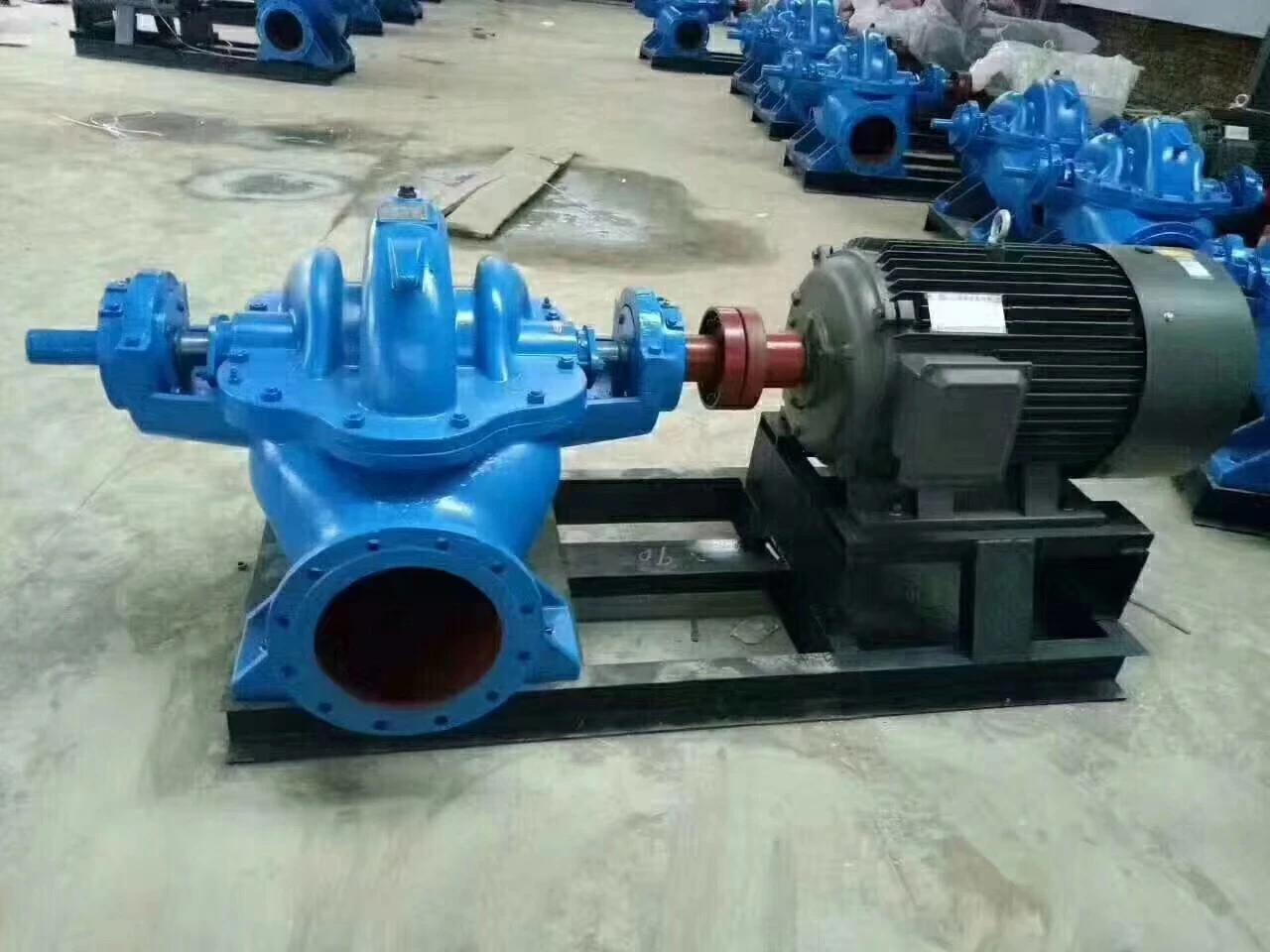
Introduction
Basement pumps and ejector pumps are critical components of residential, commercial, and industrial dewatering systems, specifically designed to remove accumulated water from areas below the main drainage line. While often used interchangeably, a key distinction exists. Basement pumps are typically submersible and handle water containing low solids content, directly lifting it to a discharge point. Ejector pumps, conversely, utilize a venturi system to create a vacuum, enabling them to lift wastewater – often containing higher solids – from significantly lower elevations, such as below a septic tank or in deep basement sumps. Their technical position within the broader wastewater management chain is as a primary means of preventing flooding, mitigating structural damage, and maintaining sanitary conditions. Core performance metrics include flow rate (gallons per minute - GPM), head (vertical lift capacity in feet), motor horsepower, solids handling capability (diameter in inches), and energy efficiency. The increasing frequency of extreme weather events and aging infrastructure are driving demand for robust and reliable pump systems.
Material Science & Manufacturing
The construction of basement and ejector pumps relies on a carefully selected range of materials to withstand the corrosive nature of wastewater and ensure long-term durability. Pump housings are commonly manufactured from cast iron (ASTM A48 Class 30), offering excellent strength and wear resistance, although stainless steel (304 or 316 – ASTM A240) is increasingly favored for its superior corrosion resistance, especially in environments with aggressive chemicals or high sulfur content. Impellers, the rotating components responsible for generating flow, are frequently made from engineered polymers like Polypropylene (PP) or Polyvinyl Chloride (PVC) for lighter-duty applications and bronze (ASTM B148) or stainless steel for handling abrasive solids. Shafts are typically constructed from 4140 alloy steel, heat-treated for increased strength and hardness. Seals are crucial for preventing leakage and are often comprised of materials like Buna-N rubber (nitrile rubber) for oil resistance or Viton (fluoroelastomer) for broader chemical compatibility. Manufacturing processes involve several key steps: casting for the housing, machining for precise impeller and shaft dimensions, injection molding for polymer components, and automated assembly incorporating rigorous quality control checks. Weld integrity, particularly in stainless steel housings, is paramount, adhering to AWS D1.1 standards. Parameter control during casting, such as cooling rates and alloy composition, significantly impacts the final material properties and performance.
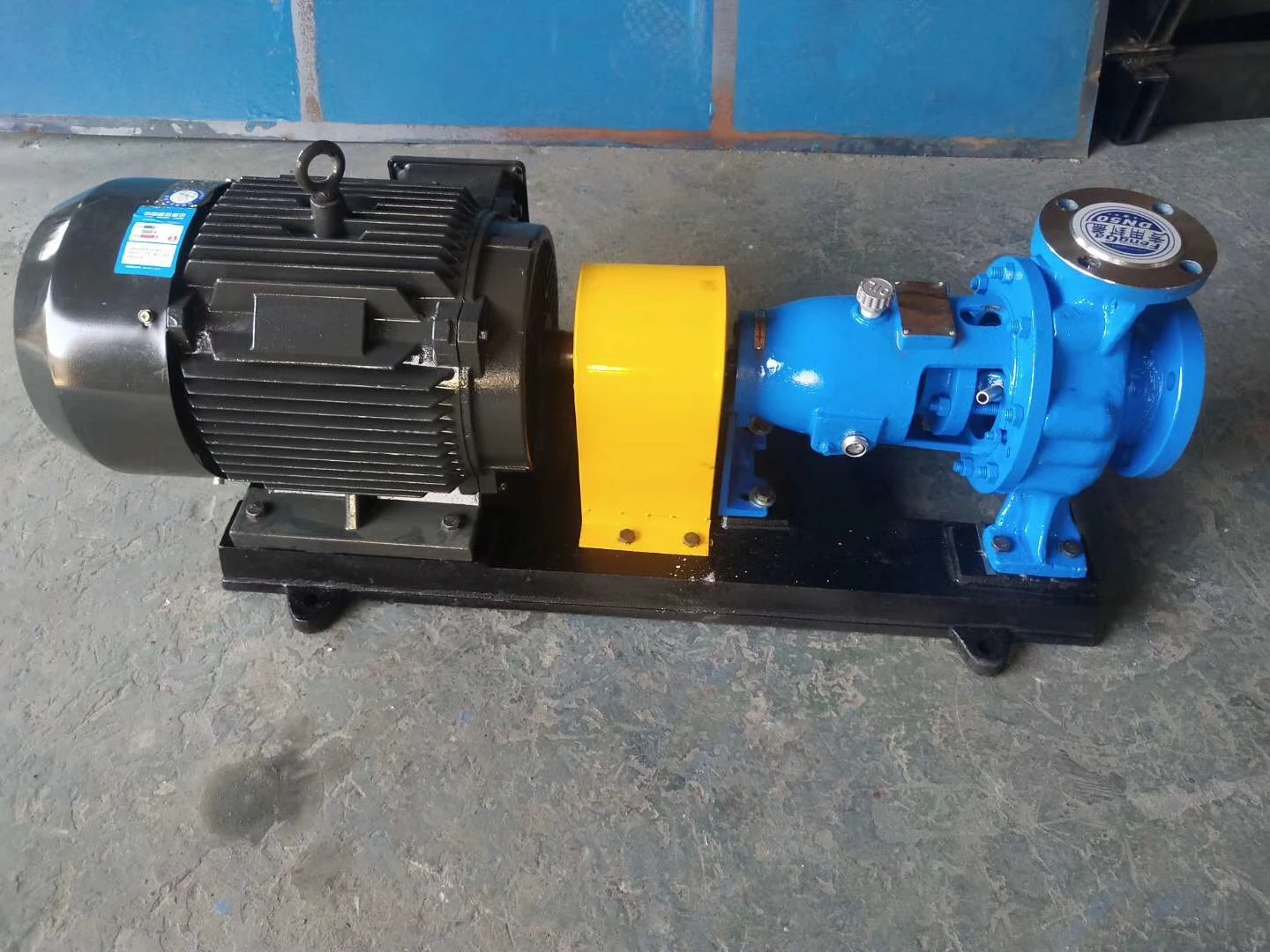
Performance & Engineering
Performance evaluation of basement and ejector pumps centers on hydraulic efficiency, motor efficiency, and overall system reliability. Force analysis is critical in designing the impeller and volute casing to minimize cavitation – the formation and collapse of vapor bubbles, which can erode pump components. The Bernoulli principle governs fluid flow within the pump, dictating the relationship between pressure, velocity, and elevation. Ejector pumps specifically require precise nozzle and throat dimensions to optimize the venturi effect and maximize lift capacity. Environmental resistance is a significant consideration; pumps operating in flooded basements must be designed to withstand submersion for extended periods without compromising electrical safety (meeting NEMA standards for submersible pumps). Compliance requirements include UL listing for safety, ENERGY STAR certification for energy efficiency, and adherence to local plumbing codes. Furthermore, the pump’s curve—a graphical representation of head versus flow rate—must align with the specific system requirements. Proper pipe sizing and minimizing friction losses in the discharge piping are essential for achieving optimal performance. The selection of a variable frequency drive (VFD) allows for precise control of pump speed and flow rate, optimizing energy consumption and reducing wear and tear.
Technical Specifications
| Parameter | Basement Pump (Typical) | Ejector Pump (Typical) | Unit |
|---|---|---|---|
| Flow Rate | 25-75 | 40-120 | GPM |
| Total Head | 10-25 | 15-50 | Feet |
| Motor Horsepower | 1/3 - 1 | 3/4 - 2 | HP |
| Solids Handling | 1/4 | 1-2 | Inches |
| Impeller Material | Polypropylene | Bronze/Stainless Steel | - |
| Housing Material | Cast Iron | Stainless Steel | - |
Failure Mode & Maintenance
Common failure modes in basement and ejector pumps include impeller wear, seal failure, motor burnout, and clogging. Impeller wear is often caused by abrasive solids in the wastewater, leading to reduced efficiency and flow rate. Seal failure results in leakage and can lead to motor damage. Motor burnout typically occurs due to overheating, caused by insufficient cooling or excessive demand. Clogging is a frequent issue, particularly in ejector pumps, stemming from debris accumulation in the intake or venturi system. Failure analysis reveals that cavitation erosion, corrosion, and electrical shorts are also significant contributing factors. Preventative maintenance is crucial for extending pump life. This includes regular inspection of seals and bearings, cleaning of intake screens, flushing of the pump housing to remove debris, and monitoring motor temperature. Lubrication of bearings with appropriate grease (NLGI Grade 2) is essential. For ejector pumps, periodic inspection of the venturi nozzle for wear or blockage is necessary. When troubleshooting, always disconnect power before performing any maintenance. Replacement of worn components should adhere to OEM specifications to maintain performance and warranty validity. Routine monitoring of pump operation through sound analysis (listening for unusual noises) and vibration analysis can provide early warning signs of potential problems.
Industry FAQ
Q: What is the primary difference between a submersible basement pump and an ejector pump in terms of application?
A: Submersible basement pumps are best suited for removing water that accumulates due to rainfall or groundwater seepage, where the water source is relatively close to the discharge point. Ejector pumps are required when the water source is significantly lower than the discharge point – for example, a septic tank or a very deep basement sump – because they create a vacuum to lift the water.
Q: How does the material of the pump housing impact its lifespan and cost?
A: Cast iron housings are more affordable but are susceptible to corrosion, reducing their lifespan in aggressive environments. Stainless steel housings offer superior corrosion resistance, significantly extending the pump’s life, but they come at a higher initial cost. The choice depends on the water chemistry and the desired service life.
Q: What are the critical factors to consider when selecting the appropriate horsepower for a basement or ejector pump?
A: Horsepower should be determined by the total dynamic head (TDH) – the vertical distance the water needs to be lifted plus friction losses in the piping – and the desired flow rate. Undersized pumps will struggle to meet demand, while oversized pumps can be inefficient and cycle on/off frequently, reducing their lifespan.
Q: What preventative maintenance tasks should be performed regularly on an ejector pump to avoid costly repairs?
A: Regular maintenance should include cleaning the intake screen to prevent clogging, inspecting the venturi nozzle for wear or blockage, and listening for unusual noises that may indicate impeller wear or bearing failure. Periodic flushing of the pump housing is also beneficial.
Q: How do I determine if a pump is experiencing cavitation, and what steps can be taken to mitigate it?
A: Cavitation is often indicated by a rattling or grinding noise within the pump. It occurs when the pressure drops too low, causing vapor bubbles to form and collapse. Mitigation strategies include ensuring adequate inlet pressure, reducing pump speed, and verifying that the pump is properly sized for the application.
Conclusion
Basement and ejector pumps represent a crucial element in water management systems, safeguarding property and hygiene. The selection process necessitates a thorough understanding of hydraulic principles, material science, and operational requirements. While basement pumps address typical water accumulation, ejector pumps offer a specialized solution for lifting wastewater from considerable depths. Proper material selection, meticulous manufacturing, and diligent maintenance are paramount to ensuring reliable and long-lasting performance.
Future advancements in pump technology will likely focus on enhanced energy efficiency through optimized impeller designs and the integration of smart controls. The increasing adoption of remote monitoring systems will enable proactive maintenance and reduce downtime. Continued research into corrosion-resistant materials and improved sealing technologies will further extend pump lifespan and minimize environmental impact.
-
Comprehensive Guide to Waterproof ORings for Optimal Sealing Solutions
News2026-06-09
-
heavy duty submersible pump Performance Analysis
News2026-06-25
-
best submersible pump for septic tank Performance Analysis
News2026-06-25
-
basement sewer ejector pump Performance Analysis
News2026-06-25
-
basement pumps ejector pumps Performance Analysis
News2026-06-25
-
basement lift pump Performance and Engineering
News2026-06-25
-
basement bathroom pump systems Performance Analysis
News2026-06-24
-
basement bathroom ejector pump system Performance Engineering
News2026-06-24
-
2 hp sewage pump Performance Engineering
News2026-06-24
-
1 hp septic pump Performance Engineering
News2026-06-24
-
submersible effluent pump Performance Analysis
News2026-06-24
-
submergable pump Material Science
News2026-06-23
-
sewer injection pump Performance Engineering
News2026-06-23
-
Sewer Ejector Pump System Performance Analysis
News2026-06-23
-
septic tank pump for sale Performance Engineering
News2026-06-23




