English
- Afrikaans
- Albanian
- Amharic
- Arabic
- Armenian
- Azerbaijani
- Basque
- Belarusian
- Bengali
- Bosnian
- Bulgarian
- Catalan
- Cebuano
- Corsican
- Croatian
- Czech
- Danish
- Dutch
- English
- Esperanto
- Estonian
- Finnish
- French
- Frisian
- Galician
- Georgian
- German
- Greek
- Gujarati
- Haitian Creole
- hausa
- hawaiian
- Hebrew
- Hindi
- Miao
- Hungarian
- Icelandic
- igbo
- Indonesian
- irish
- Italian
- Japanese
- Javanese
- Kannada
- kazakh
- Khmer
- Rwandese
- Korean
- Kurdish
- Kyrgyz
- Lao
- Latin
- Latvian
- Lithuanian
- Luxembourgish
- Macedonian
- Malgashi
- Malay
- Malayalam
- Maltese
- Maori
- Marathi
- Mongolian
- Myanmar
- Nepali
- Norwegian
- Norwegian
- Occitan
- Pashto
- Persian
- Polish
- Portuguese
- Punjabi
- Romanian
- Russian
- Samoan
- Scottish Gaelic
- Serbian
- Sesotho
- Shona
- Sindhi
- Sinhala
- Slovak
- Slovenian
- Somali
- Spanish
- Sundanese
- Swahili
- Swedish
- Tagalog
- Tajik
- Tamil
- Tatar
- Telugu
- Thai
- Turkish
- Turkmen
- Ukrainian
- Urdu
- Uighur
- Uzbek
- Vietnamese
- Welsh
- Bantu
- Yiddish
- Yoruba
- Zulu

Telephone: +86 13120555503
Email: frank@cypump.com


Apr . 01, 2024 17:55 Back to list
basement plumbing pump Performance Engineering
Introduction
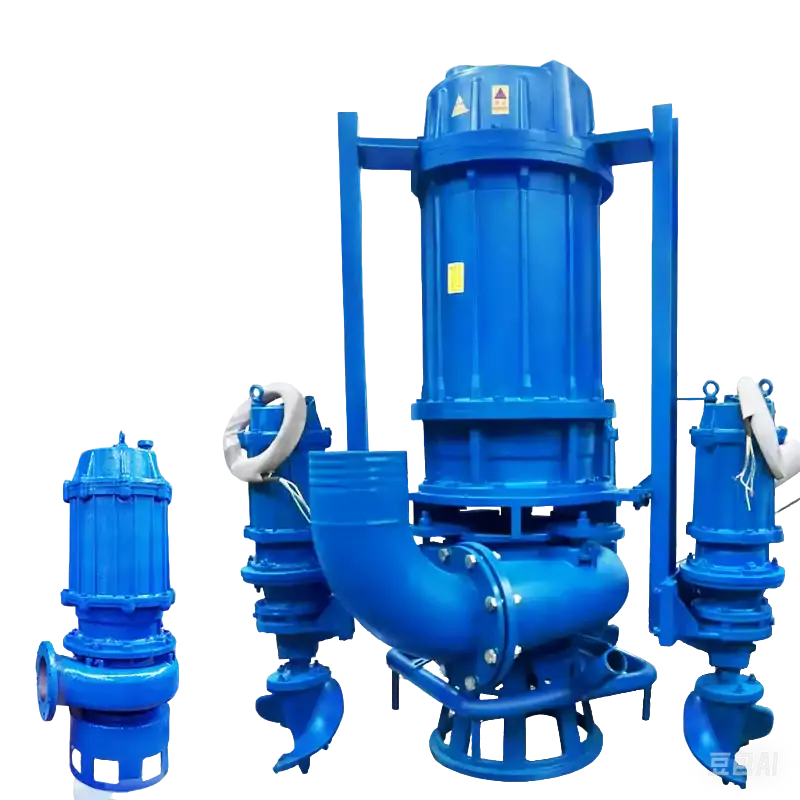
Basement plumbing pumps, also known as sump pumps, are critical components in residential and commercial buildings located in areas prone to flooding or high water tables. Positioned within a sump pit, typically constructed of concrete or durable plastic, these pumps automatically remove accumulated water that would otherwise compromise the structural integrity of the foundation and potentially lead to mold growth and extensive property damage. Technically, these pumps are centrifugal pumps, employing an impeller to create suction and discharge water through a discharge pipe. Their core performance is measured by flow rate (gallons per hour – GPH) and head (the maximum height to which the pump can lift water), alongside energy efficiency and reliability, with increasingly sophisticated models incorporating features like battery backup and alarm systems. A key industry pain point lies in balancing initial cost with long-term reliability, as pump failure during peak flood events can have catastrophic consequences. Selection considerations center around pump type (submersible versus pedestal), horsepower, and the specific hydrological conditions of the installation site.
Material Science & Manufacturing
The construction of basement plumbing pumps relies on a combination of materials selected for their durability, corrosion resistance, and mechanical strength. Pump housings are commonly manufactured from cast iron, polypropylene, or engineered thermoplastic polymers. Cast iron provides excellent weight and rigidity, but requires a protective coating (epoxy or powder coating) to prevent corrosion from prolonged exposure to water. Polypropylene is lightweight, resistant to most chemicals found in groundwater, and cost-effective, but offers lower structural strength. Impellers are frequently constructed from Noryl, a modified polyphenylene oxide (PPO) resin, known for its exceptional resistance to abrasion and hydraulic shock. Shaft materials typically include stainless steel (304 or 316 grade) due to their superior corrosion resistance. Manufacturing processes vary based on component. Housings are often created using sand casting for cast iron or injection molding for polymers. Impellers utilize investment casting or injection molding. Submersible pumps require hermetic sealing of the motor housing, often achieved through epoxy encapsulation or specialized gasket materials (e.g., nitrile rubber, Viton). Critical parameter control focuses on dimensional accuracy of the impeller to maximize hydraulic efficiency, consistency of polymer density to ensure uniform structural integrity, and the quality of welding (if applicable) for metallic components. Motor windings are insulated with Class H insulation (180°C rating) to withstand operating temperatures and moisture exposure.
Performance & Engineering
The performance of a basement plumbing pump is governed by principles of fluid dynamics and mechanical engineering. Force analysis considers the hydrostatic pressure exerted by the water column, the centrifugal force generated by the impeller, and the frictional losses within the piping system. Pumps are engineered to handle a range of flow rates, typically from 1/3 horsepower (HP) to 1 HP, corresponding to flow rates of 30-100 GPH for smaller pumps and 60-200+ GPH for larger models. Head pressure, the maximum vertical distance the pump can lift water, is a critical specification, typically ranging from 5 to 25 feet. Environmental resistance is paramount, particularly resistance to corrosion from acidic or alkaline groundwater. The pump’s switch mechanism, typically a vertical float switch or a pressure transducer, must be reliable and accurately detect water level changes. Compliance requirements often include UL listing (Underwriters Laboratories) for electrical safety and certification to NSF/ANSI 61 standards for materials in contact with potable water (in some applications). Properly sized discharge piping is crucial to minimize friction losses and prevent pump cavitation. Pump curves, generated through hydraulic testing, illustrate the relationship between flow rate, head, and power consumption, allowing for optimal pump selection based on specific application requirements. Thermal overload protection is incorporated into the motor to prevent damage from overheating.
Technical Specifications
| Parameter | Submersible Pump (1/3 HP) | Pedestal Pump (1/2 HP) | Battery Backup System (1/4 HP) |
|---|---|---|---|
| Flow Rate (GPH) | 30-50 | 60-80 | 20-40 |
| Maximum Head (ft) | 10 | 15 | 8 |
| Motor Voltage (V) | 120 | 120 | 12/24 (DC) |
| Discharge Pipe Size (in) | 3/4 or 1 | 1 or 1.25 | 3/4 |
| Minimum Pit Diameter (in) | 12 | 16 | 12 |
| Switch Type | Vertical Float | Vertical Float | Pressure Transducer |
Failure Mode & Maintenance
Basement plumbing pumps are susceptible to several failure modes. Fatigue cracking of the impeller, particularly in pumps handling abrasive sediments, is a common issue. Delamination of the pump housing, especially in plastic models, can occur due to prolonged exposure to UV radiation and temperature fluctuations. Electrical failures, including motor winding burnout and switch malfunctions, are frequent causes of pump stoppage. Clogging of the intake screen by debris (sand, gravel, leaves) restricts water flow and can lead to overheating. Corrosion of metallic components, particularly in aggressive groundwater environments, reduces structural integrity. Oxidation of electrical connections causes increased resistance and potential for short circuits. Preventative maintenance is critical. Regular inspection of the intake screen and removal of debris is essential. Periodic testing of the pump (e.g., pouring water into the sump pit) ensures proper operation of the switch and motor. Annual inspection of electrical connections and wiring, along with lubrication of motor bearings (if applicable), extends pump lifespan. For submersible pumps, checking the hermetic seal is crucial to prevent water ingress into the motor. If the pump fails, a thorough failure analysis should be conducted to determine the root cause and prevent recurrence. Consider replacing the pump every 5-7 years, depending on usage and environmental conditions.
Industry FAQ
Q: What is the difference between a submersible and a pedestal pump, and which is better for my application?
A: Submersible pumps are designed to be fully immersed in the sump pit, offering quieter operation and eliminating the need for priming. Pedestal pumps have the motor mounted above the pit on a pedestal, requiring priming and generally being louder. Submersible pumps are generally preferred for most residential applications due to their efficiency and reduced noise. Pedestal pumps might be considered where accessibility for maintenance is a primary concern, or in situations where the sump pit is particularly shallow.
Q: How do I properly size a sump pump for my basement?
A: Sizing requires evaluating the potential water inflow rate and the vertical distance water needs to be lifted (head). Determine the square footage of your basement's foundation and estimate the amount of rainfall in your area. A general rule of thumb is to choose a pump with a flow rate of at least 10 GPH per square foot of foundation. Account for the head by adding the vertical distance from the pump to the discharge point. Oversizing the pump slightly is generally preferable to undersizing.
Q: What is a battery backup sump pump, and is it necessary?
A: A battery backup sump pump provides continued operation during power outages, which are often concurrent with heavy rainfall and flooding events. It’s a crucial investment for areas prone to frequent power disruptions. Battery capacity determines the runtime; larger batteries provide longer backup. Regular battery testing and replacement are essential to ensure reliability.
Q: What type of discharge pipe should I use, and what are the key considerations for its installation?
A: Typically, PVC or polyethylene discharge pipes are used. The pipe diameter should match the pump’s discharge port. Ensure the pipe slopes downwards away from the house to prevent water from freezing and causing a blockage. A check valve should be installed to prevent water from flowing back into the sump pit when the pump shuts off. Consider extending the discharge pipe sufficiently far away from the foundation to avoid water pooling and potential re-entry. Local building codes may specify requirements for discharge pipe installation.
Q: How often should I replace my sump pump, even if it appears to be functioning correctly?
A: Even with regular maintenance, sump pumps have a limited lifespan. A typical lifespan is 5-7 years, but this can vary depending on usage and environmental conditions. Replacing the pump proactively, before it fails completely, minimizes the risk of catastrophic flooding. Consider replacement as part of a planned maintenance schedule.
Conclusion
Basement plumbing pumps represent a critical safeguard against water damage in susceptible structures. Their performance relies on a complex interplay of material science, hydraulic engineering, and robust manufacturing processes. Selecting the appropriate pump requires careful consideration of flow rate, head pressure, environmental conditions, and power reliability. Proactive maintenance, including regular inspection, cleaning, and testing, is essential to maximize pump lifespan and ensure dependable operation when needed most.
Effective sump pump system design extends beyond the pump itself, encompassing properly sized discharge piping, reliable switch mechanisms, and potential battery backup solutions. Understanding the potential failure modes and implementing preventative measures are key to mitigating the risk of costly water damage. As climate change leads to more frequent and intense rainfall events, the importance of a well-maintained and appropriately specified sump pump system will only continue to grow.
-
Comprehensive Guide to Waterproof ORings for Optimal Sealing Solutions
News2026-06-09
-
basement plumbing pump Performance Engineering
News2026-06-14
-
water submersible pump Performance Engineering
News2026-06-14
-
Septic Systems with Pumps Performance Analysis
News2026-06-14
-
Septic Pump Systems Performance Analysis
News2026-06-14
-
septic ejector pump Material Science and Manufacturing
News2026-06-14
-
septic effluent pump Performance and Engineering
News2026-06-13
-
ejector sump pump Performance Engineering
News2026-06-13
-
Wastewater Pump Performance Analysis
News2026-06-13
-
waste water pumps Material Science Manufacturing
News2026-06-13
-
submersible sewage pumps Material Science Manufacturing
News2026-06-13
-
submersable pumps Performance Analysis
News2026-06-12
-
submerge pump Performance Analysis
News2026-06-12
-
Septic Tank Lift Pump Performance Analysis
News2026-06-12
-
Septic System Pump Replacement Performance Analysis
News2026-06-12




