English
- Afrikaans
- Albanian
- Amharic
- Arabic
- Armenian
- Azerbaijani
- Basque
- Belarusian
- Bengali
- Bosnian
- Bulgarian
- Catalan
- Cebuano
- Corsican
- Croatian
- Czech
- Danish
- Dutch
- English
- Esperanto
- Estonian
- Finnish
- French
- Frisian
- Galician
- Georgian
- German
- Greek
- Gujarati
- Haitian Creole
- hausa
- hawaiian
- Hebrew
- Hindi
- Miao
- Hungarian
- Icelandic
- igbo
- Indonesian
- irish
- Italian
- Japanese
- Javanese
- Kannada
- kazakh
- Khmer
- Rwandese
- Korean
- Kurdish
- Kyrgyz
- Lao
- Latin
- Latvian
- Lithuanian
- Luxembourgish
- Macedonian
- Malgashi
- Malay
- Malayalam
- Maltese
- Maori
- Marathi
- Mongolian
- Myanmar
- Nepali
- Norwegian
- Norwegian
- Occitan
- Pashto
- Persian
- Polish
- Portuguese
- Punjabi
- Romanian
- Russian
- Samoan
- Scottish Gaelic
- Serbian
- Sesotho
- Shona
- Sindhi
- Sinhala
- Slovak
- Slovenian
- Somali
- Spanish
- Sundanese
- Swahili
- Swedish
- Tagalog
- Tajik
- Tamil
- Tatar
- Telugu
- Thai
- Turkish
- Turkmen
- Ukrainian
- Urdu
- Uighur
- Uzbek
- Vietnamese
- Welsh
- Bantu
- Yiddish
- Yoruba
- Zulu

Telephone: +86 13120555503
Email: frank@cypump.com


Apr . 01, 2024 17:55 Back to list
basement lift pump Performance and Engineering
Introduction
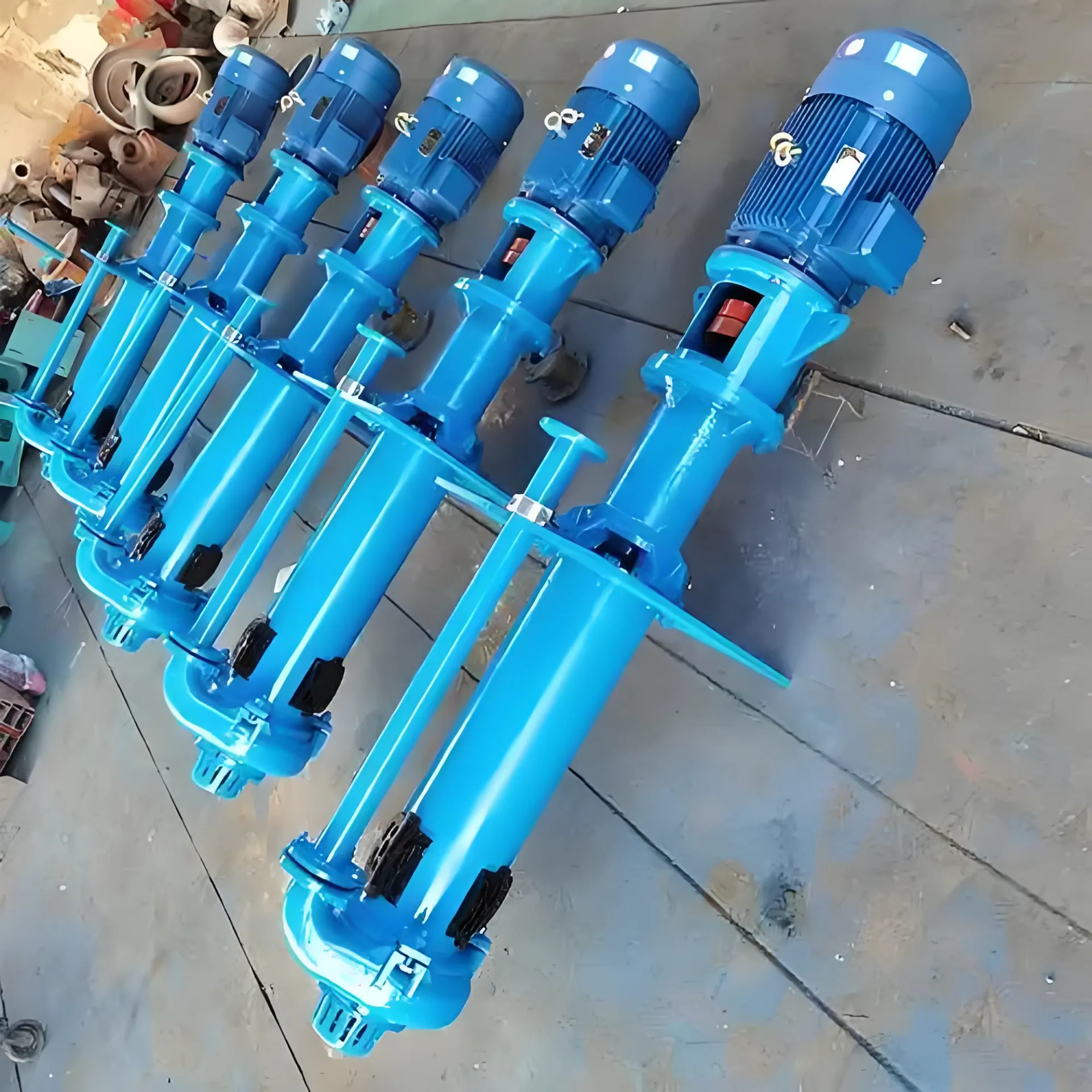
Basement lift pumps, also known as sump pumps, are critical components in residential and commercial buildings situated in areas prone to groundwater intrusion or heavy rainfall. Their primary function is to remove accumulated water from a basement or crawlspace, preventing flooding and subsequent structural damage, mold growth, and loss of property. Technically, these pumps operate on the principle of positive displacement or centrifugal force to transfer water from a collection basin (sump pit) to a designated discharge point, typically outside the building foundation. Within the broader fluid handling industry, basement lift pumps occupy a specific niche focused on low-lift, high-volume water removal – differentiating them from general-purpose pumps designed for irrigation, wastewater treatment, or high-pressure applications. Performance is critically linked to pump horsepower, flow rate (gallons per hour – GPH), lift height (vertical distance the pump can move water), and activation sensitivity (float switch or pressure sensor settings). The core pain point in the industry revolves around reliability, energy efficiency, and the prevention of pump failure during peak demand (e.g., severe storms), which can lead to catastrophic basement flooding.
Material Science & Manufacturing
The construction of basement lift pumps involves a combination of materials selected for their durability, corrosion resistance, and mechanical properties. Pump housings are commonly manufactured from cast iron (ASTM A48 Class 30), polypropylene (PP), or polyethylene (PE). Cast iron provides robust structural integrity and dampens noise but is susceptible to corrosion without proper protective coatings (epoxy or powder coating). PP and PE offer excellent chemical resistance and are lightweight but may lack the structural rigidity of cast iron. Impellers, responsible for water movement, are often made of thermoplastic materials like Noryl (modified PPO) or stainless steel (304 or 316). Stainless steel is preferred for its superior resistance to abrasion and corrosion, especially in pumps handling debris-laden water. Shaft materials are typically stainless steel (410 or 420 series) due to their strength and resistance to torsional stress. Seals are crucial for preventing leakage and are usually composed of nitrile rubber (NBR) or Viton (fluoroelastomer) depending on the water chemistry and temperature. Manufacturing processes include die casting for housings, injection molding for thermoplastic components, machining for metal parts, and automated assembly for complete pump units. Key parameter control during manufacturing focuses on dimensional accuracy of impellers (to maximize efficiency), concentricity of the shaft (to minimize vibration), and proper sealing (to ensure watertight operation). Welding is often employed in the fabrication of cast iron housings and requires strict quality control to prevent porosity and cracking.
Performance & Engineering
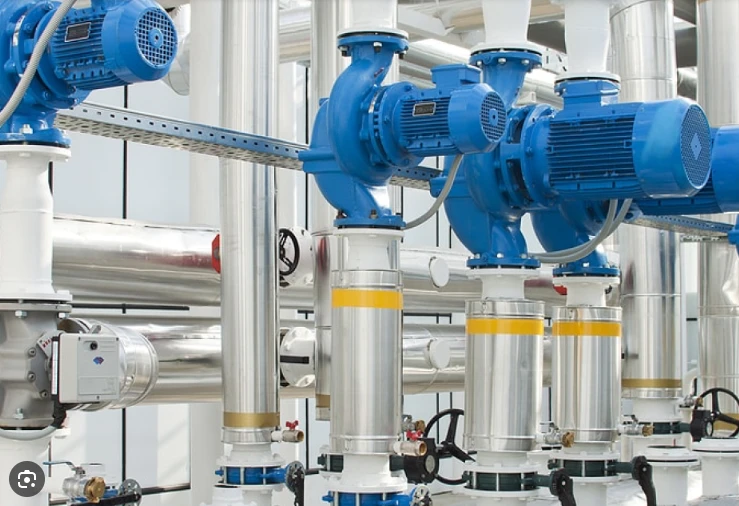
The performance of a basement lift pump is fundamentally governed by hydraulic principles, specifically Bernoulli’s equation and the affinity laws for pumps. Force analysis considers the hydrostatic pressure exerted by the water column, the pump’s head (total dynamic head – TDH), and the friction losses within the piping system. TDH is the sum of static lift (vertical distance) and friction head (resistance to flow). Environmental resistance focuses on the pump’s ability to operate reliably in potentially corrosive environments. Groundwater can contain dissolved minerals, salts, and organic matter that can accelerate corrosion. Therefore, materials selection and protective coatings are paramount. Compliance requirements are dictated by UL 778 (Standard for Submersible Sump and Sewage Pumps) and potentially local building codes regarding flood prevention. Functional implementation necessitates careful sizing of the pump to match the inflow rate of water. Undersized pumps will fail to keep up during heavy rainfall, while oversized pumps may cycle on and off excessively, reducing their lifespan. The pump’s discharge pipe must be sloped correctly to prevent backflow and equipped with a check valve to prevent water from re-entering the sump pit when the pump shuts off. Proper electrical grounding is also crucial for safety, as basement environments are often damp.
Technical Specifications
| Pump Type | Horsepower (HP) | Maximum Flow Rate (GPH) | Maximum Head (ft) |
|---|---|---|---|
| Submersible | 1/3 | 3,000 | 25 |
| Pedestal | 1/2 | 4,500 | 30 |
| Submersible (Cast Iron) | 3/4 | 6,000 | 35 |
| Water Powered | N/A | Variable (based on water pressure) | 10 |
| Submersible (Thermoplastic) | 1 | 7,500 | 40 |
| Pedestal (Heavy Duty) | 1 | 5,000 | 35 |
Failure Mode & Maintenance
Basement lift pump failures commonly stem from several sources. Fatigue cracking of the impeller, particularly in pumps handling abrasive solids, is a frequent issue. Delamination of the pump housing, especially in plastic models, can occur due to thermal stress or UV exposure. Degradation of seals and gaskets leads to leakage and loss of prime. Oxidation and corrosion of metal components reduce their structural integrity. Clogging of the intake screen by debris (sand, gravel, leaves) restricts flow and can cause the pump to overheat. Electrical failures, such as burnt-out motors or faulty float switches, are also common. Preventative maintenance is critical. This includes regular inspection and cleaning of the sump pit to remove debris, testing the float switch functionality, and periodically checking for corrosion. The pump should be disconnected from power before any maintenance is performed. Lubrication of the motor bearings (if applicable) extends pump life. In areas with aggressive water chemistry, consider using pumps with corrosion-resistant materials or installing a water softener to pre-treat the incoming water. Annual professional inspection is recommended to identify and address potential problems before they escalate into major failures. Replacing the pump every 5-7 years is a conservative approach to avoid catastrophic basement flooding, particularly in areas prone to frequent power outages or severe weather events.
Industry FAQ
Q: What is the difference between a submersible and a pedestal sump pump, and which is generally preferred for most residential applications?
A: Submersible pumps are fully immersed in the sump pit, offering quieter operation and generally higher pumping capacity. Pedestal pumps have the motor mounted above the pit on a pedestal, making them more accessible for maintenance but louder and often less efficient. For most residential applications, submersible pumps are preferred due to their superior performance, quieter operation, and reduced risk of freezing.
Q: How do I determine the appropriate horsepower for my basement lift pump?
A: Pump horsepower is determined by the depth of the sump pit, the frequency of water inflow, and the desired pumping rate. A general rule of thumb is 1/3 HP for a typical residential application with a shallow pit (less than 10 feet) and moderate water inflow. Deeper pits and heavier inflow rates may require 1/2 HP or 3/4 HP models. Consulting with a plumbing professional is recommended for accurate sizing.
Q: What are the advantages of a pump with a cast iron versus a thermoplastic housing?
A: Cast iron housings provide greater durability and noise reduction but are susceptible to corrosion if not properly coated. Thermoplastic housings are lightweight, corrosion-resistant, and cost-effective but may lack the structural rigidity of cast iron. For applications where durability and noise are paramount, cast iron is preferred. For areas with corrosive water, thermoplastic is a better choice.
Q: How can I protect my sump pump from freezing during the winter months?
A: Freezing can damage the pump and discharge pipe. Insulating the discharge pipe, ensuring proper ventilation in the sump pit, and considering a battery backup system in case of power outages are crucial. In extremely cold climates, a heated discharge pipe may be necessary.
Q: What is a battery backup system for a sump pump, and is it necessary?
A: A battery backup system provides power to the pump during power outages, preventing basement flooding. It's highly recommended in areas prone to frequent power failures, particularly during storms. The battery capacity should be sufficient to operate the pump for an extended period (at least 24 hours) depending on the expected outage duration.
Conclusion
Basement lift pumps represent a crucial line of defense against water damage in susceptible structures. The selection and implementation of the appropriate pump require a comprehensive understanding of hydraulic principles, material science, and potential failure modes. Correct sizing, meticulous installation, and diligent preventative maintenance are paramount to ensuring reliable operation and minimizing the risk of costly basement flooding.
Looking forward, innovations in pump technology are focusing on enhanced energy efficiency (through variable speed drives and optimized impeller designs), improved sensing capabilities (to detect early signs of failure), and integration with smart home systems (for remote monitoring and control). The adoption of these advancements will contribute to greater reliability, reduced operating costs, and enhanced peace of mind for homeowners and building managers.
-
Comprehensive Guide to Waterproof ORings for Optimal Sealing Solutions
News2026-06-09
-
heavy duty submersible pump Performance Analysis
News2026-06-25
-
best submersible pump for septic tank Performance Analysis
News2026-06-25
-
basement sewer ejector pump Performance Analysis
News2026-06-25
-
basement pumps ejector pumps Performance Analysis
News2026-06-25
-
basement lift pump Performance and Engineering
News2026-06-25
-
basement bathroom pump systems Performance Analysis
News2026-06-24
-
basement bathroom ejector pump system Performance Engineering
News2026-06-24
-
2 hp sewage pump Performance Engineering
News2026-06-24
-
1 hp septic pump Performance Engineering
News2026-06-24
-
submersible effluent pump Performance Analysis
News2026-06-24
-
submergable pump Material Science
News2026-06-23
-
sewer injection pump Performance Engineering
News2026-06-23
-
Sewer Ejector Pump System Performance Analysis
News2026-06-23
-
septic tank pump for sale Performance Engineering
News2026-06-23




