English
- Afrikaans
- Albanian
- Amharic
- Arabic
- Armenian
- Azerbaijani
- Basque
- Belarusian
- Bengali
- Bosnian
- Bulgarian
- Catalan
- Cebuano
- Corsican
- Croatian
- Czech
- Danish
- Dutch
- English
- Esperanto
- Estonian
- Finnish
- French
- Frisian
- Galician
- Georgian
- German
- Greek
- Gujarati
- Haitian Creole
- hausa
- hawaiian
- Hebrew
- Hindi
- Miao
- Hungarian
- Icelandic
- igbo
- Indonesian
- irish
- Italian
- Japanese
- Javanese
- Kannada
- kazakh
- Khmer
- Rwandese
- Korean
- Kurdish
- Kyrgyz
- Lao
- Latin
- Latvian
- Lithuanian
- Luxembourgish
- Macedonian
- Malgashi
- Malay
- Malayalam
- Maltese
- Maori
- Marathi
- Mongolian
- Myanmar
- Nepali
- Norwegian
- Norwegian
- Occitan
- Pashto
- Persian
- Polish
- Portuguese
- Punjabi
- Romanian
- Russian
- Samoan
- Scottish Gaelic
- Serbian
- Sesotho
- Shona
- Sindhi
- Sinhala
- Slovak
- Slovenian
- Somali
- Spanish
- Sundanese
- Swahili
- Swedish
- Tagalog
- Tajik
- Tamil
- Tatar
- Telugu
- Thai
- Turkish
- Turkmen
- Ukrainian
- Urdu
- Uighur
- Uzbek
- Vietnamese
- Welsh
- Bantu
- Yiddish
- Yoruba
- Zulu

Telephone: +86 13120555503
Email: frank@cypump.com


Apr . 01, 2024 17:55 Back to list
basement ejector pump Material Science Manufacturing
Introduction
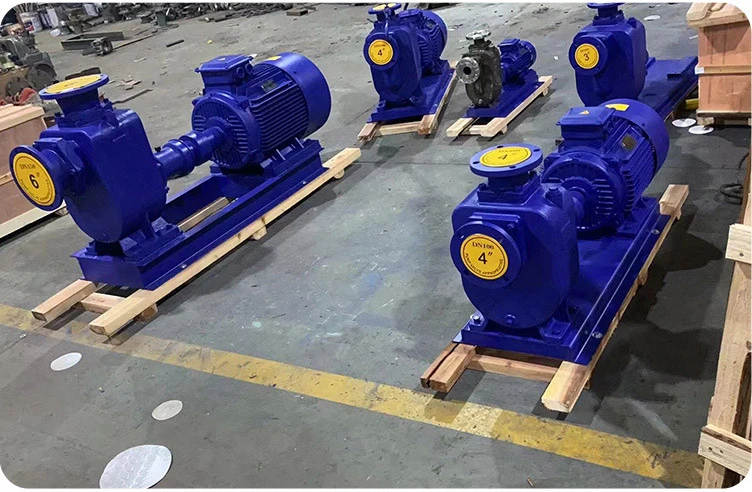
Basement ejector pumps are critical components in residential and commercial plumbing systems where wastewater sources—such as laundry facilities, shower stalls, or toilets—are located below the municipal sewer line. Functionally, these pumps transfer wastewater against gravity to reach the sewer main, preventing backflow and potential flooding. Their technical position within the wastewater management chain is downstream of fixture drainage and upstream of the sanitary sewer system. Core performance metrics include flow rate (gallons per minute/hour), head (vertical lift capacity in feet), motor horsepower, and solids handling capability. A key industry pain point revolves around pump failure due to solids buildup, corrosion from aggressive wastewater components, and inadequate sealing, leading to costly property damage and health hazards. Proper selection, installation, and maintenance are paramount to ensuring reliable operation and longevity.
Material Science & Manufacturing
The construction of a typical basement ejector pump involves several key materials. Pump housings are commonly manufactured from cast iron (ASTM A48 Class 30), offering a balance of cost, strength, and corrosion resistance, though susceptible to rusting without adequate coating. Impellers, responsible for generating the fluid flow, are frequently constructed from engineered plastics like polypropylene (PP) or glass-filled nylon, chosen for their resistance to corrosion and abrasion. Shafts are typically made from stainless steel (304 or 316) to withstand torsional stress and corrosive environments. Seals are often composed of nitrile rubber (NBR) or Viton (fluoroelastomer) depending on the expected wastewater composition and temperature.
Manufacturing processes vary based on component. Cast iron housings are produced via sand casting, requiring precise mold creation and controlled metal pouring to ensure dimensional accuracy and prevent porosity. Plastic impellers are generally injection molded, where molten plastic is forced into a mold cavity under high pressure. Critical parameters in injection molding include melt temperature, injection pressure, and cooling rate, influencing the impeller's structural integrity and hydrodynamic performance. Stainless steel shafts are typically machined from bar stock, involving turning, milling, and grinding operations to achieve tight tolerances. Seal assembly is a precision process, ensuring proper compression and alignment to prevent leakage. Surface treatments, such as epoxy coating for cast iron and passivation for stainless steel, are applied to enhance corrosion resistance. Quality control involves hydrostatic testing of the housing for leaks, dynamic balancing of the impeller for vibration reduction, and electrical safety testing of the motor.
Performance & Engineering
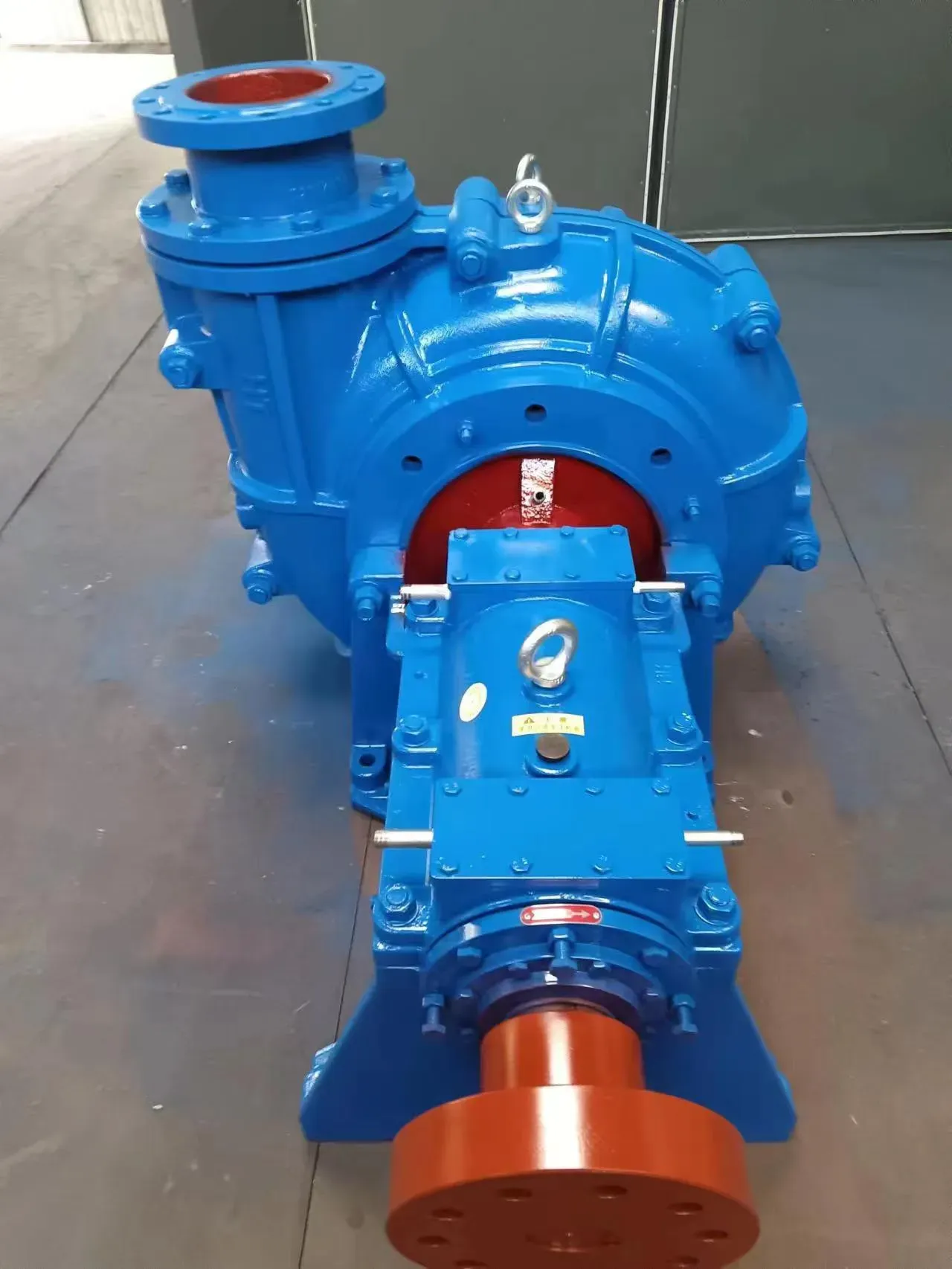
Basement ejector pump performance is heavily influenced by hydraulic and mechanical engineering principles. Force analysis considers the hydrostatic pressure exerted by the wastewater column, the dynamic pressure generated by the impeller, and the frictional losses within the piping system. The pump’s head capacity—the maximum vertical distance it can lift the wastewater—is directly related to the impeller’s design (blade angle, diameter) and the motor’s power output. Environmental resistance is a crucial factor. Pumps operating in basements are susceptible to humidity, temperature fluctuations, and potentially corrosive gases released from wastewater decomposition (hydrogen sulfide, methane). Materials selection and protective coatings are paramount to mitigating these effects.
Compliance requirements vary by region. In North America, pumps must meet UL 778 (Safety for Submersible Pumps) and may be subject to local plumbing codes regarding backflow prevention and discharge routing. European standards include EN 60335-2-40 (Safety of electrical appliances for household and similar purposes - Part 2-40: Particular requirements for submersible pumps). Effective functional implementation requires accurate sizing of the pump to the application. Factors include the volume of wastewater generated, the vertical lift required, the length and diameter of the discharge piping, and the expected frequency of operation. Incorrect sizing can lead to pump overload, premature failure, or inadequate wastewater removal. Proper installation includes securing the pump within a basin, providing adequate ventilation, and installing a check valve to prevent backflow when the pump is off.
Technical Specifications
| Horsepower (HP) | Maximum Head (Feet) | Maximum Flow Rate (GPM) | Solids Handling Capacity (Inches) |
|---|---|---|---|
| 1/3 HP | 25 | 40 | 1/2 |
| 1/2 HP | 30 | 55 | 3/4 |
| 3/4 HP | 40 | 70 | 1 |
| 1 HP | 50 | 90 | 1 1/4 |
| 1.5 HP | 60 | 120 | 1 1/2 |
| 2 HP | 70 | 150 | 2 |
Failure Mode & Maintenance
Basement ejector pump failures typically fall into several categories. Fatigue cracking of the impeller, particularly in plastic impellers, can occur due to repeated stress from solids impact and cavitation. Delamination of epoxy coatings on cast iron housings exposes the underlying metal to corrosion. Degradation of rubber seals leads to leakage and loss of prime. Oxidation of electrical components, exacerbated by humidity, causes motor failure. Solids buildup within the pump chamber and discharge piping restricts flow and overloads the motor. A common failure analysis reveals that a significant percentage of failures are attributable to improper installation (e.g., pump sitting directly on the basin floor, allowing sediment to be drawn in) or inadequate maintenance.
Professional maintenance solutions include regular inspection (at least annually) for signs of corrosion, leakage, or unusual noise. Flushing the pump chamber and discharge piping to remove sediment and debris is crucial. Periodic testing of the check valve ensures proper operation. Lubricating the motor bearings (if applicable) extends motor life. Replacing worn seals and impellers prevents leakage and maintains pump efficiency. For pumps operating in corrosive environments, consider upgrading to more corrosion-resistant materials (e.g., stainless steel housings, Viton seals). Implementing a pump alarm system with a high-level switch provides early warning of potential failures and prevents sewage backup. Scheduled preventative maintenance contracts with qualified plumbing professionals offer comprehensive care and minimize the risk of catastrophic failures.
Industry FAQ
Q: What is the impact of wastewater pH on pump longevity?
A: Highly acidic (low pH) or alkaline (high pH) wastewater accelerates corrosion of pump components, particularly cast iron and stainless steel. Acidic conditions promote pitting corrosion, while alkaline conditions can lead to stress corrosion cracking. Regular monitoring of wastewater pH and implementing neutralization strategies (if necessary) can significantly extend pump life. Selection of pumps with more corrosion-resistant materials, such as 316 stainless steel or engineered plastics, is also critical in corrosive environments.
Q: How does the impeller design affect pump efficiency?
A: Impeller design—including blade angle, number of blades, and impeller diameter—directly influences pump efficiency. A properly designed impeller maximizes hydraulic energy transfer from the motor to the fluid. Impellers with optimized blade angles minimize turbulence and energy losses. The impeller diameter must be appropriately matched to the pump’s required head and flow rate. Dynamic balancing of the impeller is essential to minimize vibration and energy wastage.
Q: What are the benefits of a submersible pump versus a pedestal pump?
A: Submersible pumps, fully immersed in the wastewater, offer several advantages over pedestal pumps (where the motor is above ground). Submersible pumps are quieter, as the water dampens noise. They are less susceptible to overheating, as the water provides cooling. They require less space, as there's no external motor housing. However, submersible pumps are more complex to service, as they require removal from the basin.
Q: What type of electrical protection is recommended for basement ejector pumps?
A: Ground Fault Circuit Interrupter (GFCI) protection is mandatory for all basement ejector pumps to prevent electric shock hazards. A dedicated circuit is also recommended to avoid overloading the electrical system. Consider surge protection to protect the pump’s electronic components from voltage spikes. Regular inspection of the electrical connections and wiring is crucial to identify and address any potential hazards.
Q: How can I prevent solids from damaging my ejector pump?
A: Installing a strainer or inlet screen prevents large solids from entering the pump chamber. Avoid flushing inappropriate items (e.g., feminine hygiene products, wipes) down toilets. Regular flushing of the pump chamber and discharge piping removes accumulated sediment. Consider a pump with a vortex impeller design, which is less susceptible to clogging from solids. Regularly inspect and clean the inlet screen.
Conclusion
Basement ejector pumps represent a vital, yet often overlooked, component of modern plumbing infrastructure. Their reliable operation is contingent upon a complex interplay of material science, hydraulic engineering, and adherence to stringent safety and performance standards. Proper selection, encompassing considerations of horsepower, head, flow rate, and solids handling capacity, is critical for matching the pump to the specific application requirements. Implementing a comprehensive maintenance program, including regular inspection, cleaning, and component replacement, is paramount to maximizing pump lifespan and preventing costly failures.
Looking ahead, advancements in pump technology are focused on enhancing efficiency, reducing energy consumption, and improving remote monitoring capabilities. Smart pumps equipped with sensors and data analytics provide real-time performance data, enabling predictive maintenance and optimizing operational efficiency. The integration of variable frequency drives (VFDs) allows for modulating pump speed to match demand, further reducing energy costs and extending pump life. Continued research into corrosion-resistant materials and improved impeller designs will further enhance the reliability and longevity of these essential wastewater management components.
-
Comprehensive Guide to Waterproof ORings for Optimal Sealing Solutions
News2026-06-09
-
Septic Pump Replacement Performance Analysis
News2026-06-10
-
Septic Pump Price Performance Analysis
News2026-06-10
-
pumps for septic systems Material Science Manufacturing
News2026-06-10
-
ejector pumps for basement bathrooms Performance Analysis
News2026-06-10
-
Ejector Pump Cost Analysis
News2026-06-10
-
drainage pumps Performance and Engineering
News2026-06-09
-
basement bathroom ejector pump Material Science
News2026-06-09
-
Sewer Ejector Pump Cost Performance Analysis
News2026-06-09
-
Septic Tank Pump Replacement Performance Analysis
News2026-06-09
-
septic sump pump Performance and Engineering
News2026-06-09
-
Septic Pump System Performance Analysis
News2026-06-08
-
pump for septic Material Science
News2026-06-08
-
basement sewer pump Performance Analysis
News2026-06-08
-
submerged pump Performance Engineering
News2026-06-08




