English
- Afrikaans
- Albanian
- Amharic
- Arabic
- Armenian
- Azerbaijani
- Basque
- Belarusian
- Bengali
- Bosnian
- Bulgarian
- Catalan
- Cebuano
- Corsican
- Croatian
- Czech
- Danish
- Dutch
- English
- Esperanto
- Estonian
- Finnish
- French
- Frisian
- Galician
- Georgian
- German
- Greek
- Gujarati
- Haitian Creole
- hausa
- hawaiian
- Hebrew
- Hindi
- Miao
- Hungarian
- Icelandic
- igbo
- Indonesian
- irish
- Italian
- Japanese
- Javanese
- Kannada
- kazakh
- Khmer
- Rwandese
- Korean
- Kurdish
- Kyrgyz
- Lao
- Latin
- Latvian
- Lithuanian
- Luxembourgish
- Macedonian
- Malgashi
- Malay
- Malayalam
- Maltese
- Maori
- Marathi
- Mongolian
- Myanmar
- Nepali
- Norwegian
- Norwegian
- Occitan
- Pashto
- Persian
- Polish
- Portuguese
- Punjabi
- Romanian
- Russian
- Samoan
- Scottish Gaelic
- Serbian
- Sesotho
- Shona
- Sindhi
- Sinhala
- Slovak
- Slovenian
- Somali
- Spanish
- Sundanese
- Swahili
- Swedish
- Tagalog
- Tajik
- Tamil
- Tatar
- Telugu
- Thai
- Turkish
- Turkmen
- Ukrainian
- Urdu
- Uighur
- Uzbek
- Vietnamese
- Welsh
- Bantu
- Yiddish
- Yoruba
- Zulu

Telephone: +86 13120555503
Email: frank@cypump.com


Apr . 01, 2024 17:55 Back to list
basement bathroom sewage pump Material Science Manufacturing

Introduction
Basement bathroom sewage pumps are engineered solutions for wastewater removal in locations where gravity drainage is not feasible. Primarily utilized in basement bathrooms, laundry rooms, or any area below the main sewer line, these pumps effectively transfer sewage, greywater, and other non-potable waste to the municipal sewer system or a septic tank. Unlike traditional sump pumps designed for water intrusion, sewage pumps are specifically constructed to handle solids, requiring robust impeller designs and corrosion-resistant materials. The selection of an appropriate sewage pump is critical, encompassing considerations of flow rate, head pressure, solids handling capability, and motor protection to ensure reliable performance and prevent system failures. Their application is pivotal in expanding living space and functionality within residential and commercial buildings, resolving inherent drainage limitations.
Material Science & Manufacturing
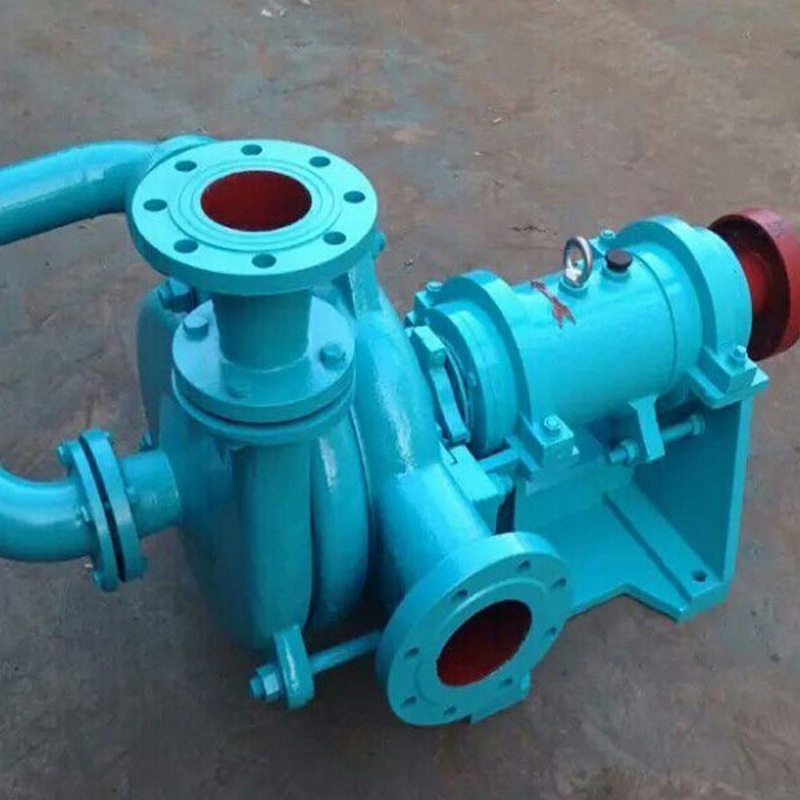
The core components of a basement bathroom sewage pump necessitate specific material selections to withstand the corrosive nature of wastewater and the mechanical stresses of continuous operation. Pump housings are commonly constructed from cast iron (ASTM A48 Class 30) due to its durability, vibration damping, and cost-effectiveness. However, stainless steel (304 or 316 grade, adhering to ASTM A240) is increasingly favored for enhanced corrosion resistance, particularly in environments with aggressive chemicals. Impellers, the rotating element responsible for generating flow, are typically manufactured from high-strength engineered polymers such as glass-filled polypropylene or thermoset materials like epoxy resin. These materials provide a balance of abrasion resistance, impact strength, and resistance to sewage constituents. Shafts utilize 4140 or 4340 alloy steel (SAE J404 standards) and are heat-treated for high tensile strength and torsional rigidity. Seals are vital for preventing leakage and are usually composed of silicon carbide (SiC) against SiC or tungsten carbide (WC) mechanical seals offering exceptional wear resistance and chemical compatibility. Manufacturing processes involve precision casting for housings, injection molding for polymer components, and CNC machining for shafts and impellers. Critical parameter control during manufacturing includes dimensional accuracy to ensure proper fit and alignment of components, ensuring leak-proof operation and maximizing pump efficiency. Welding procedures, where applicable, must adhere to AWS D1.1 standards to maintain structural integrity.
Performance & Engineering
The performance of a basement bathroom sewage pump is dictated by several key engineering principles. Hydraulic design focuses on optimizing impeller geometry and volute casing shape to maximize flow rate and head pressure. Force analysis is critical, particularly regarding the radial and axial loads imposed on the impeller shaft by the fluid dynamic forces. These forces are calculated using computational fluid dynamics (CFD) simulations and validated through physical testing to prevent premature bearing failure. Environmental resistance is paramount; pumps must withstand exposure to hydrogen sulfide (H2S), chlorides, and other corrosive agents present in sewage. This necessitates material selection and the application of protective coatings (e.g., epoxy powder coating, conforming to ASTM D3951). Motor selection is crucial, with submersible motors typically utilizing Class F insulation (IEC 60034-18-41) to withstand the thermal stresses associated with continuous submerged operation. Overload protection is provided by thermal overload relays and/or electronic motor protectors, complying with UL 778 standards. Pump performance curves, detailing flow rate versus head pressure, are generated through standardized testing procedures (Hydraulic Institute standards) to facilitate proper pump sizing for specific applications. Compliance requirements include certifications from organizations like NSF International (for potable water compatibility, if applicable) and adherence to local plumbing codes.
Technical Specifications
| Parameter | Unit | Typical Range (Residential) | Typical Range (Commercial) |
|---|---|---|---|
| Flow Rate | GPM (Gallons Per Minute) | 25-45 | 75-150 |
| Total Dynamic Head | ft (Feet) | 10-20 | 30-60 |
| Solids Handling Capability | in (Inches) | Up to 2 | Up to 3 |
| Motor Horsepower | HP | 1/3 - 1 | 1 - 5 |
| Voltage | V (Volts) | 115/230 | 230/460 |
| Discharge Outlet Size | in (Inches) | 1.25 - 2 | 2 - 4 |
Failure Mode & Maintenance
Basement bathroom sewage pumps are susceptible to several failure modes. Fatigue cracking in the impeller, particularly at the base of the blades, can occur due to cyclical stress from solids impact. Delamination of polymer impellers is another common failure, stemming from moisture absorption and freeze-thaw cycles. Mechanical seal failure, evidenced by leakage around the pump housing, is often caused by abrasive particles or chemical attack. Bearing failure, indicated by excessive noise or vibration, can result from lack of lubrication, misalignment, or overloading. Motor failure may arise from overheating due to inadequate cooling or electrical faults. Oxidation and corrosion of metal components, especially in aggressive wastewater environments, can lead to decreased structural integrity. Preventative maintenance is critical. Regular inspection of the impeller for wear and damage, seal replacement every 12-24 months (or as needed), and periodic cleaning of the pump basin to remove debris are essential. Lubrication of bearings, according to manufacturer specifications, extends their lifespan. Monitoring motor current and temperature can identify potential overheating issues. Annual testing of pump operation ensures proper functionality and allows for timely identification of developing problems. Routine flushing with clean water can help mitigate corrosion and buildup of scale.
Industry FAQ
Q: What is the difference between a sewage pump and a sump pump?
A: Sump pumps are designed primarily for removing clean water intrusion, while sewage pumps are engineered to handle wastewater containing solids. Sewage pumps have a different impeller design optimized for solids handling and are constructed from materials resistant to corrosion from sewage constituents. Sump pumps are not suitable for pumping sewage and can become clogged or damaged.
Q: How do I determine the correct pump size for my application?
A: Proper pump sizing requires evaluating the total dynamic head (vertical lift plus friction losses in the discharge pipe) and the required flow rate. The flow rate is determined by the number of fixtures served and their usage patterns. Consulting pump performance curves and utilizing sizing calculators provided by manufacturers is recommended.
Q: What causes a sewage pump to fail prematurely?
A: Common causes include solids buildup leading to impeller blockage, mechanical seal failure due to abrasive particles, motor overheating, and corrosion of pump components. Regular maintenance and proper pump sizing are crucial for extending pump life.
Q: What is the best material for a sewage pump housing in a corrosive environment?
A: Stainless steel (316 grade) offers superior corrosion resistance compared to cast iron, particularly in environments with high levels of hydrogen sulfide or chlorides. Epoxy-coated cast iron is also an option, providing a protective barrier against corrosion.
Q: How often should the mechanical seal be replaced?
A: Mechanical seal replacement frequency depends on the operating conditions and the quality of the wastewater. As a general guideline, seals should be inspected annually and replaced every 12-24 months, or sooner if leakage is observed.
Conclusion
Basement bathroom sewage pumps are essential components in wastewater management for locations below the main sewer line. Successful implementation hinges upon a thorough understanding of material science, hydraulic engineering, and the specific operational demands of the application. Selecting a pump constructed from corrosion-resistant materials, ensuring proper sizing based on head pressure and flow rate, and implementing a robust preventative maintenance program are paramount for reliable long-term performance.
Future advancements in sewage pump technology will likely focus on improved impeller designs for increased solids handling capability, more durable seal materials, and the integration of smart monitoring systems for predictive maintenance. These innovations will further enhance pump efficiency, reduce downtime, and minimize the total cost of ownership.
-
basement bathroom sewage pump Material Science Manufacturing
News2026-05-21
-
wastewater treatment plant pumps Material Science Manufacturing
News2026-05-21
-
waste water pump for basement Material Science Manufacturing
News2026-05-21
-
sump pump sewage Performance Analysis
News2026-05-21
-
sump pump for sewage Material Science and Manufacturing
News2026-05-21
-
sump pump for septic systems Material Science Manufacturing
News2026-05-20
-
sump pump and ejector pump Material Science Manufacturing
News2026-05-20
-
sewage treatment plant pumps Performance Analysis
News2026-05-20
-
sewage tank pump Material Science and Manufacturing
News2026-05-20
-
sewage pump for septic tank Performance Analysis
News2026-05-20
-
Sewage Pump and Tank Performance Analysis
News2026-05-19
-
Sewage Ejector Pump Replacement Performance Analysis
News2026-05-19
-
sewage ejector pump for basement bathroom Material Science Manufacturing
News2026-05-19
-
sewage ejection pump Material Science and Manufacturing
News2026-05-19
-
in line sewage pump Performance Analysis
News2026-05-19




