English
- Afrikaans
- Albanian
- Amharic
- Arabic
- Armenian
- Azerbaijani
- Basque
- Belarusian
- Bengali
- Bosnian
- Bulgarian
- Catalan
- Cebuano
- Corsican
- Croatian
- Czech
- Danish
- Dutch
- English
- Esperanto
- Estonian
- Finnish
- French
- Frisian
- Galician
- Georgian
- German
- Greek
- Gujarati
- Haitian Creole
- hausa
- hawaiian
- Hebrew
- Hindi
- Miao
- Hungarian
- Icelandic
- igbo
- Indonesian
- irish
- Italian
- Japanese
- Javanese
- Kannada
- kazakh
- Khmer
- Rwandese
- Korean
- Kurdish
- Kyrgyz
- Lao
- Latin
- Latvian
- Lithuanian
- Luxembourgish
- Macedonian
- Malgashi
- Malay
- Malayalam
- Maltese
- Maori
- Marathi
- Mongolian
- Myanmar
- Nepali
- Norwegian
- Norwegian
- Occitan
- Pashto
- Persian
- Polish
- Portuguese
- Punjabi
- Romanian
- Russian
- Samoan
- Scottish Gaelic
- Serbian
- Sesotho
- Shona
- Sindhi
- Sinhala
- Slovak
- Slovenian
- Somali
- Spanish
- Sundanese
- Swahili
- Swedish
- Tagalog
- Tajik
- Tamil
- Tatar
- Telugu
- Thai
- Turkish
- Turkmen
- Ukrainian
- Urdu
- Uighur
- Uzbek
- Vietnamese
- Welsh
- Bantu
- Yiddish
- Yoruba
- Zulu

Telephone: +86 13120555503
Email: frank@cypump.com


Apr . 01, 2024 17:55 Back to list
basement bathroom pump systems Performance Analysis

Introduction
Basement bathroom pump systems are engineered solutions designed to efficiently remove wastewater from bathrooms located below the sewer line. These systems are critical for enabling functional bathroom installations in basements, crawl spaces, and other areas where gravity drainage is insufficient. Technically, these systems consist of a collection basin (sump pit), a submersible pump, check valves, discharge piping, and often, alarm systems for failure notification. Their position in the plumbing chain is downstream of fixtures such as toilets, showers, and sinks, and prior to connection with the municipal sewer system or septic tank. Core performance metrics revolve around pumping capacity (gallons per minute/hour), head pressure (vertical lift capability), solids handling capability (diameter of particles passed), and reliability, all of which directly impact the usability and longevity of basement bathroom facilities. A key industry pain point is the susceptibility to clogging and pump failure, leading to costly emergency service calls and potential water damage. Proper specification and maintenance are paramount to mitigate these risks.
Material Science & Manufacturing
The construction of basement bathroom pump systems relies on a range of materials selected for durability, chemical resistance, and corrosion prevention. Pump housings are commonly manufactured from cast iron (ASTM A48 Class 30), polypropylene (PP), or stainless steel (typically 304 or 316). Cast iron provides robustness and vibration damping but requires a protective coating (epoxy or powder coat) to prevent rust. Polypropylene offers excellent chemical resistance to wastewater components but has lower strength and temperature tolerance. Stainless steel provides the best overall corrosion resistance and strength but is more expensive. Impellers, responsible for generating pumping action, are often made from Noryl (a modified PPE), stainless steel, or engineered thermoplastics. Seals are critical components, commonly utilizing materials like Viton (fluoroelastomer) or EPDM rubber for resistance to wastewater chemicals and abrasive particles. Manufacturing processes vary depending on the component. Pump housings are typically created using sand casting or injection molding. Impellers are often manufactured through injection molding or investment casting. Assembly involves precise fitting of the impeller, seal, and motor within the housing. Key parameter control during manufacturing includes dimensional accuracy of internal passages (critical for pump performance), seal concentricity (to prevent leakage), and coating thickness (for corrosion protection). Welding processes, if utilized (e.g., for stainless steel housings), must adhere to AWS D1.1 standards for structural welding.
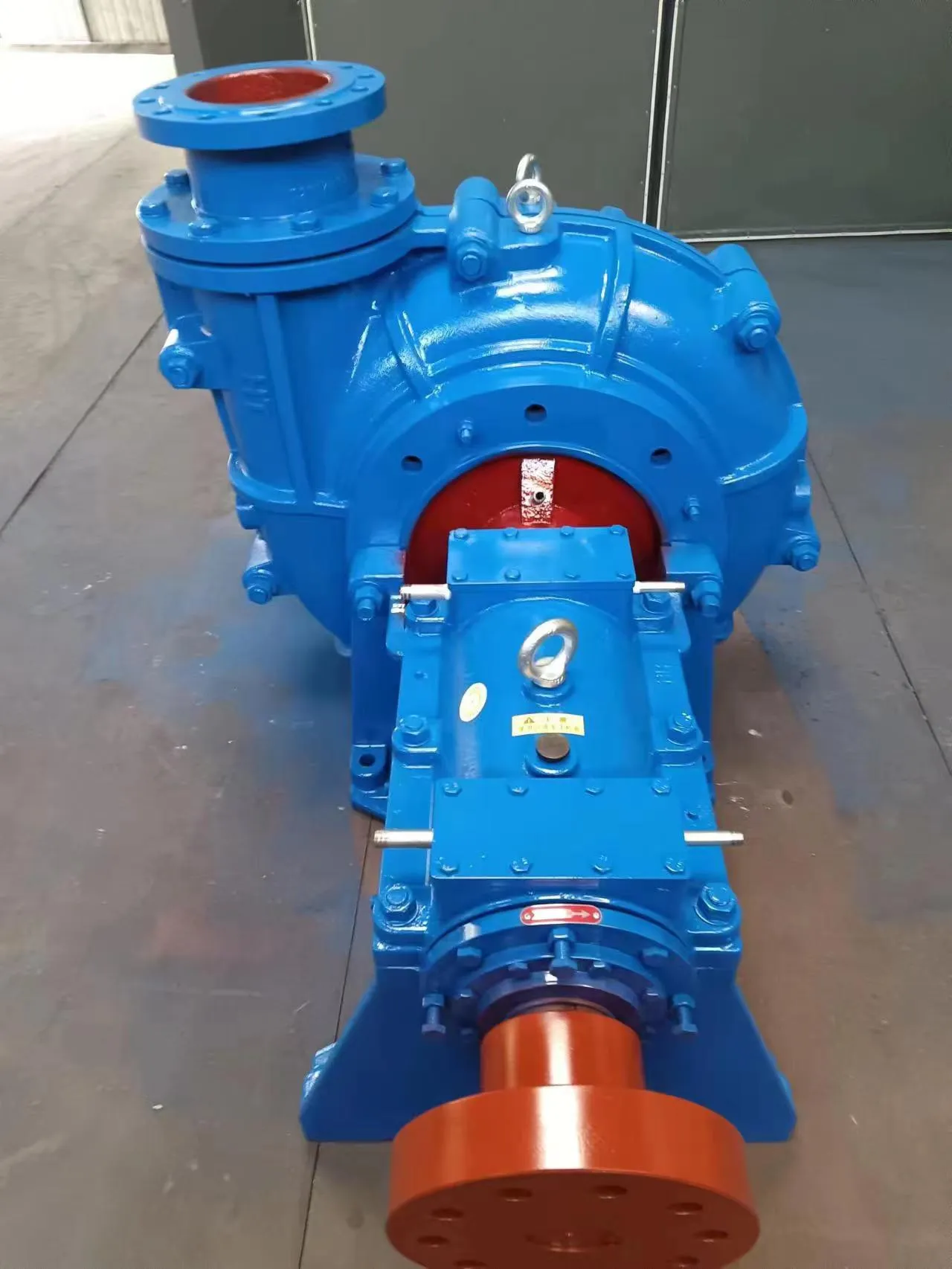
Performance & Engineering
The performance of a basement bathroom pump system is heavily influenced by hydraulic design and motor characteristics. Force analysis centers around calculating the required pump head (total dynamic head – TDH), which accounts for static lift (vertical distance to discharge point), friction losses in piping, and pressure at the discharge point. Pump curves, provided by manufacturers, illustrate the relationship between flow rate and head. Environmental resistance is a key consideration; pumps are continuously exposed to corrosive wastewater containing organic matter, detergents, and potentially abrasive solids. Materials selection, as discussed previously, directly impacts this resistance. Compliance requirements often include UL 778 (safety for submersible pumps), CSA C22.2 No. 108 (Canadian safety standards), and adherence to local plumbing codes. Functional implementation involves proper sizing of the pump to match the fixture unit load and ensuring adequate ventilation in the sump pit to prevent the build-up of hazardous gases. Check valves are essential to prevent backflow when the pump shuts off, reducing the risk of siphonage and potential contamination. Alarm systems, often incorporating float switches, provide early warning of pump failure or high water levels, mitigating potential flooding.
Technical Specifications
| Parameter | Typical Value (1/3 HP Pump) | Typical Value (1/2 HP Pump) | Typical Value (3/4 HP Pump) |
|---|---|---|---|
| Horsepower (HP) | 1/3 | 1/2 | 3/4 |
| Voltage (V) | 120 | 120/240 | 240 |
| Maximum Head (ft) | 25 | 35 | 45 |
| Maximum Flow Rate (GPM) | 45 | 60 | 75 |
| Solids Handling Capability (in) | 1.5 | 1.5 | 2 |
| Discharge Pipe Size (in) | 1.25 | 1.5 | 2 |
Failure Mode & Maintenance
Basement bathroom pump systems are susceptible to several failure modes. Fatigue cracking in pump housings, particularly cast iron, can occur due to cyclical stress. Clogging, often from non-biodegradable items (wipes, feminine hygiene products), is a common issue, leading to pump burnout. Delamination of coatings on cast iron housings exposes the metal to corrosion. Impeller damage, caused by abrasive particles, reduces pumping efficiency. Seal failure results in leakage and potential motor damage. Oxidation of electrical connections causes intermittent operation or complete failure. Maintenance strategies include regular inspection of the sump pit for debris, periodic cleaning of the pump intake, annual inspection of seals and electrical connections, and testing of the alarm system. Preventative maintenance schedules should be established based on usage frequency and wastewater characteristics. For clogged pumps, the power should be disconnected before attempting to remove the obstruction. If corrosion is evident, the pump housing may need to be replaced. Motor overcurrent protection (circuit breakers) are critical to prevent damage from pump overload. When replacing components, ensure compatibility with the pump model and adhere to manufacturer’s instructions.
Industry FAQ
Q: What is the optimal sizing criteria for a basement bathroom pump, considering both flow rate and head pressure?
A: Optimal sizing requires a thorough assessment of the fixture unit load (the number and type of fixtures connected to the system) and the total dynamic head (TDH). The TDH is calculated by summing the static lift (vertical distance to the discharge point), friction losses in the piping (dependent on pipe material, diameter, and length), and any pressure at the discharge point. A pump curve should be consulted to ensure the selected pump can deliver the required flow rate at the calculated TDH. Oversizing can lead to short cycling and premature wear, while undersizing results in insufficient pumping capacity.
Q: How do different impeller materials (Noryl vs. Stainless Steel) affect pump performance and longevity in abrasive wastewater conditions?
A: Noryl impellers offer good abrasion resistance and are cost-effective, but they are susceptible to degradation over time when exposed to harsh chemicals or extremely abrasive particles. Stainless steel impellers (typically 304 or 316) offer superior durability and resistance to abrasion and corrosion, extending the pump's lifespan in demanding applications. However, they are more expensive. For wastewater containing significant solids, a stainless steel impeller is highly recommended.
Q: What are the key considerations for selecting the appropriate check valve for a basement bathroom pump system?
A: The check valve must be compatible with the pump’s discharge pipe size and material. The material (e.g., PVC, CPVC, stainless steel) should resist corrosion from wastewater components. The valve’s cracking pressure (the pressure required to open the valve) should be low enough to allow the pump to start easily, but high enough to prevent backflow. A silent check valve design can minimize water hammer noise. Regular inspection for debris buildup is crucial to maintain optimal function.
Q: What alarm system features are essential for ensuring reliable notification of pump failures in a basement bathroom application?
A: A reliable alarm system should include both a high-level float switch (to detect rising water levels) and a pump failure alarm (to indicate when the pump is running continuously without discharging water). Audible and visual alarms are essential. Ideally, the alarm system should be capable of sending remote notifications (e.g., via SMS or email) to alert homeowners or maintenance personnel. Battery backup is crucial to ensure continued operation during power outages.
Q: How does the choice of pump housing material (Cast Iron, Polypropylene, Stainless Steel) impact the overall lifespan and maintenance requirements of the system?
A: Cast iron housings are robust but require protective coatings to prevent corrosion, necessitating regular inspection and recoating. Polypropylene housings offer excellent chemical resistance but are less durable and can become brittle over time. Stainless steel housings provide the longest lifespan and require minimal maintenance due to their superior corrosion resistance. The overall cost is higher, but the reduced maintenance and extended service life can offset the initial investment.
Conclusion
Basement bathroom pump systems represent a critical infrastructure component for enabling functional bathroom facilities below the sewer line. Selecting the appropriate system requires careful consideration of hydraulic performance (flow rate, head pressure), material compatibility, and compliance with relevant safety standards. The industry pain points of clogging, corrosion, and pump failure underscore the importance of preventative maintenance, regular inspection, and proper material selection.
Future advancements in pump technology may focus on improved impeller designs for enhanced solids handling, more durable and corrosion-resistant materials, and the integration of smart sensors for predictive maintenance. A shift towards more environmentally friendly pump designs, utilizing energy-efficient motors and minimizing noise pollution, is also anticipated. Prioritizing a holistic approach encompassing system design, material selection, and ongoing maintenance will ensure long-term reliability and minimize the total cost of ownership for basement bathroom pump systems.
-
Comprehensive Guide to Waterproof ORings for Optimal Sealing Solutions
News2026-06-09
-
basement bathroom pump systems Performance Analysis
News2026-06-24
-
basement bathroom ejector pump system Performance Engineering
News2026-06-24
-
2 hp sewage pump Performance Engineering
News2026-06-24
-
1 hp septic pump Performance Engineering
News2026-06-24
-
submersible effluent pump Performance Analysis
News2026-06-24
-
submergable pump Material Science
News2026-06-23
-
sewer injection pump Performance Engineering
News2026-06-23
-
Sewer Ejector Pump System Performance Analysis
News2026-06-23
-
septic tank pump for sale Performance Engineering
News2026-06-23
-
septic pump for sale Performance Engineering
News2026-06-23
-
septic ejector system Performance Analysis
News2026-06-22
-
replace septic pump Performance Analysis
News2026-06-22
-
pump system septic tank Performance Analysis
News2026-06-22
-
lift pump for sewer Performance and Engineering
News2026-06-22




