English
- Afrikaans
- Albanian
- Amharic
- Arabic
- Armenian
- Azerbaijani
- Basque
- Belarusian
- Bengali
- Bosnian
- Bulgarian
- Catalan
- Cebuano
- Corsican
- Croatian
- Czech
- Danish
- Dutch
- English
- Esperanto
- Estonian
- Finnish
- French
- Frisian
- Galician
- Georgian
- German
- Greek
- Gujarati
- Haitian Creole
- hausa
- hawaiian
- Hebrew
- Hindi
- Miao
- Hungarian
- Icelandic
- igbo
- Indonesian
- irish
- Italian
- Japanese
- Javanese
- Kannada
- kazakh
- Khmer
- Rwandese
- Korean
- Kurdish
- Kyrgyz
- Lao
- Latin
- Latvian
- Lithuanian
- Luxembourgish
- Macedonian
- Malgashi
- Malay
- Malayalam
- Maltese
- Maori
- Marathi
- Mongolian
- Myanmar
- Nepali
- Norwegian
- Norwegian
- Occitan
- Pashto
- Persian
- Polish
- Portuguese
- Punjabi
- Romanian
- Russian
- Samoan
- Scottish Gaelic
- Serbian
- Sesotho
- Shona
- Sindhi
- Sinhala
- Slovak
- Slovenian
- Somali
- Spanish
- Sundanese
- Swahili
- Swedish
- Tagalog
- Tajik
- Tamil
- Tatar
- Telugu
- Thai
- Turkish
- Turkmen
- Ukrainian
- Urdu
- Uighur
- Uzbek
- Vietnamese
- Welsh
- Bantu
- Yiddish
- Yoruba
- Zulu

Telephone: +86 13120555503
Email: frank@cypump.com


Apr . 01, 2024 17:55 Back to list
basement bathroom ejector pump Material Science
Introduction
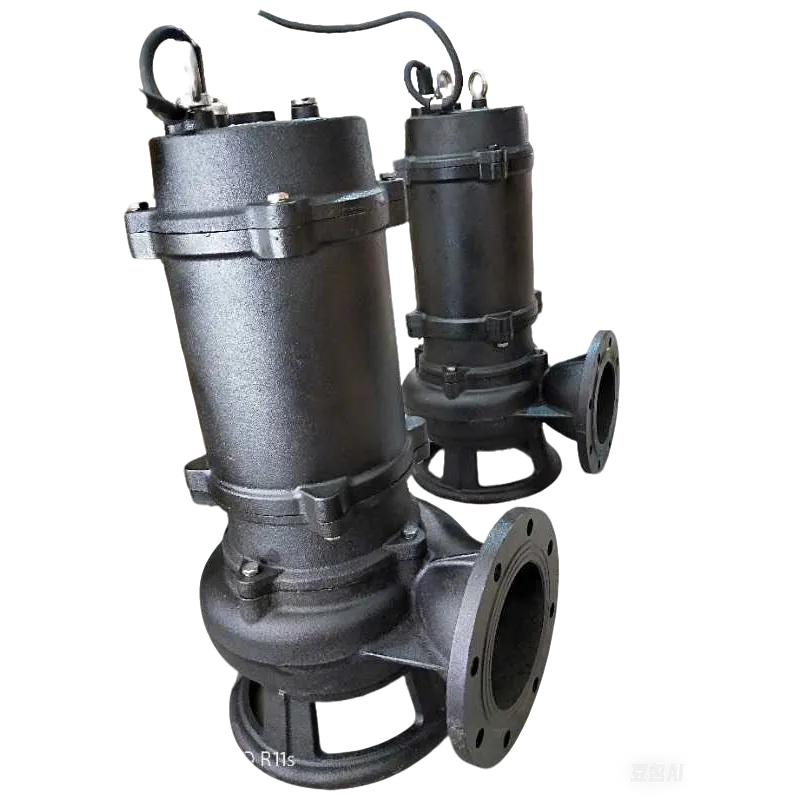
Basement bathroom ejector pumps are critical components in residential and commercial plumbing systems where wastewater drainage relies on lifting effluent against gravity. Positioned in basement facilities, these pumps facilitate the conveyance of sewage, greywater, and other liquid waste to the municipal sewer system or a septic tank. Unlike conventional gravity-fed drainage, ejector pumps are indispensable when fixtures are situated below the main sewer line. Their core performance centers around reliable fluid handling, watertight operation, and resistance to corrosive elements found in wastewater. A primary pain point in this industry revolves around pump failure due to solids handling limitations, insufficient head pressure calculations for specific installations, and the longevity of pump components in harsh chemical environments. Incorrect selection or installation frequently results in costly repairs, property damage, and potential health hazards.
Material Science & Manufacturing
Ejector pump construction utilizes a variety of materials selected for their chemical resistance, durability, and cost-effectiveness. Pump housings are commonly manufactured from cast iron (ASTM A48 Class 30), stainless steel (typically 304 or 316 for enhanced corrosion resistance – ASTM A240), or engineered polymers like polypropylene. Impellers, responsible for generating fluid flow, are frequently constructed of a glass-filled polypropylene, cast iron, or stainless steel. Shafts are almost universally stainless steel (304 or 410). Seals are a critical component, employing materials like Viton (fluoroelastomer) or EPDM (ethylene propylene diene monomer rubber) for compatibility with diverse wastewater compositions. Manufacturing processes include: 1) Casting: For iron and stainless steel housings, utilizing sand casting or investment casting. Parameter control focuses on alloy composition verification, cooling rates to prevent porosity, and surface finish. 2) Injection Molding: Predominantly used for polymer components. Critical parameters include mold temperature, injection pressure, and material melt flow index. 3) Machining: To achieve precise dimensional tolerances on rotating components like impellers and shafts. CNC machining is common, with tight control over cutting speeds and feed rates. 4) Assembly: A critical phase involving precise seal installation, impeller balancing, and motor coupling. Quality control measures include hydrostatic testing to verify watertight integrity and performance testing to confirm flow rate and head pressure specifications.
Performance & Engineering
The performance of a basement ejector pump is fundamentally governed by hydraulic principles. Force analysis involves calculating the head pressure (the vertical distance the pump lifts the wastewater), flow rate (gallons per minute - GPM), and horsepower (HP) required. Bernoulli’s principle dictates the relationship between pressure, velocity, and elevation. Pump curves, provided by manufacturers, graphically depict the relationship between head and flow rate. Environmental resistance is a significant concern. Pumps must withstand continuous submersion in wastewater, which can contain corrosive substances (sulfides, acids) and abrasive particles. Motor enclosures are typically rated to IP68 (Ingress Protection 68) indicating complete dust tightness and protection against prolonged submersion. Compliance requirements include UL/CSA certification (UL 778 for submersible pumps), ensuring electrical safety, and adherence to local plumbing codes regarding backflow prevention and discharge regulations. Functional implementation necessitates proper venting to prevent air locking, appropriate check valve installation to prevent backflow, and a properly sized discharge pipe to minimize friction losses. Failure to adequately address these engineering considerations leads to reduced pump efficiency, premature failure, and potential system backups.
Technical Specifications
| Parameter | Typical Value (Residential - 1/3 HP) | Typical Value (Commercial - 1 HP) | Units |
|---|---|---|---|
| Maximum Head | 25 | 40 | Feet |
| Maximum Flow Rate | 45 | 85 | GPM |
| Motor Horsepower | 1/3 | 1 | HP |
| Discharge Outlet Size | 1.5 | 2 | Inches |
| Solids Handling Capability | 1 | 2 | Inches |
| Minimum Pit Depth | 18 | 24 | Inches |
Failure Mode & Maintenance
Ejector pump failures typically manifest in several forms. Fatigue cracking of the impeller, particularly in cast iron models, can occur due to cyclical loading and exposure to abrasive particles. Delamination of polymer impellers can occur from prolonged exposure to high temperatures and chemically aggressive wastewater. Seal failure is a common issue, leading to leakage and motor damage; degradation of Viton or EPDM seals occurs with prolonged exposure to certain chemicals or high temperatures. Motor winding failure results from overheating due to improper ventilation, excessive run times, or electrical surges. Clog formation from non-biodegradable items (feminine hygiene products, wipes) is a prevalent cause of pump stalling and motor overload. Maintenance strategies include: 1) Regular inspection (every 6-12 months) for leaks, unusual noises, and vibration. 2) Cleaning of the pump basin to remove debris and sediment. 3) Seal replacement as a preventative measure (every 2-3 years, or as indicated by leakage). 4) Motor lubrication (if applicable – some motors are sealed). 5) Electrical connection checks to ensure secure wiring and prevent corrosion. Preventative measures such as installing a strainer basket and educating users about proper disposal practices can significantly extend pump life. Regular monitoring of the pump’s amperage draw can also indicate impending failure.
Industry FAQ
Q: What is the optimal method for determining the required pump horsepower for a basement bathroom ejector pump application?
A: Determining horsepower necessitates a comprehensive assessment of the total dynamic head (TDH). TDH incorporates static lift (vertical distance from the pump to the discharge point), friction losses in the piping, and any pressure losses through valves or fittings. Once the TDH is calculated, and the desired flow rate (based on the number and type of fixtures served) is established, a pump curve can be consulted to select a pump capable of delivering the required flow at the calculated head. Oversizing the pump can lead to short cycling and premature wear, while undersizing results in insufficient flow and potential backups. Accurate TDH calculation is paramount.
Q: What are the key considerations when selecting materials for ejector pump components exposed to sulfuric acid, commonly found in wastewater?
A: Sulfuric acid is highly corrosive. For components in direct contact with the wastewater, stainless steel (specifically 316 stainless steel, which incorporates molybdenum for enhanced corrosion resistance - ASTM A240) is preferred over 304 stainless steel. Polymer components should be constructed of materials like polypropylene or polyethylene, which demonstrate good resistance to sulfuric acid. Avoid materials like cast iron, which are susceptible to corrosion in acidic environments. Regularly inspect all components for signs of corrosion and replace as needed.
Q: What is the role of a check valve in an ejector pump system, and what types are most suitable?
A: A check valve prevents backflow of wastewater into the pump basin when the pump is off. This is crucial for maintaining proper drainage and preventing the pump from cycling unnecessarily. Swing check valves and ball check valves are commonly used. Ball check valves offer quicker response times and are less prone to clogging, making them generally preferred for ejector pump applications. The check valve must be sized appropriately for the discharge pipe to minimize flow restriction.
Q: How does the pit depth influence the performance and longevity of the ejector pump?
A: Insufficient pit depth can lead to short cycling, as the pump will turn on and off frequently due to fluctuations in wastewater levels. This increases wear and tear on the motor and pump components. A minimum pit depth is necessary to provide adequate residence time for solids to settle and prevent the pump from sucking air. Additionally, sufficient pit depth allows for proper ventilation and prevents the pump from overheating. Consult manufacturer's specifications for recommended pit dimensions.
Q: What are the common causes of ejector pump failure related to solids handling, and what preventative measures can be implemented?
A: Pump failure related to solids handling typically stems from the introduction of non-biodegradable items into the system (wipes, feminine hygiene products, rags). These items can clog the impeller, jam the pump mechanism, or damage the seals. Preventative measures include installing a strainer basket at the inlet of the pump basin, educating users about proper disposal practices, and periodically inspecting and cleaning the pump basin to remove any accumulated debris.
Conclusion
Basement bathroom ejector pumps represent a vital, yet often overlooked, component of modern plumbing infrastructure. Selecting the correct pump necessitates a detailed engineering analysis considering head pressure, flow rate, wastewater composition, and potential solids loading. Material selection is paramount, with stainless steel and chemically resistant polymers proving essential for long-term reliability in harsh environments.
Effective maintenance, including regular inspections, seal replacement, and debris removal, is crucial for maximizing pump lifespan and preventing costly failures. Future developments will likely focus on improved impeller designs for enhanced solids handling, more energy-efficient motors, and integrated monitoring systems for proactive failure detection. A comprehensive understanding of these technical aspects ensures optimal system performance and safeguards against property damage and health risks.
-
Comprehensive Guide to Waterproof ORings for Optimal Sealing Solutions
News2026-06-09
-
drainage pumps Performance and Engineering
News2026-06-09
-
basement bathroom ejector pump Material Science
News2026-06-09
-
Sewer Ejector Pump Cost Performance Analysis
News2026-06-09
-
Septic Tank Pump Replacement Performance Analysis
News2026-06-09
-
septic sump pump Performance and Engineering
News2026-06-09
-
Septic Pump System Performance Analysis
News2026-06-08
-
pump for septic Material Science
News2026-06-08
-
basement sewer pump Performance Analysis
News2026-06-08
-
submerged pump Performance Engineering
News2026-06-08
-
Septic System Pumps Performance Analysis
News2026-06-08
-
septic system pump Material Science and Manufacturing
News2026-06-07
-
pump for septic tank Material Science Manufacturing
News2026-06-07
-
submersible sewage pump Material Science
News2026-06-07
-
Sewage Ejector Material Science and Manufacturing
News2026-06-07




