English
- Afrikaans
- Albanian
- Amharic
- Arabic
- Armenian
- Azerbaijani
- Basque
- Belarusian
- Bengali
- Bosnian
- Bulgarian
- Catalan
- Cebuano
- Corsican
- Croatian
- Czech
- Danish
- Dutch
- English
- Esperanto
- Estonian
- Finnish
- French
- Frisian
- Galician
- Georgian
- German
- Greek
- Gujarati
- Haitian Creole
- hausa
- hawaiian
- Hebrew
- Hindi
- Miao
- Hungarian
- Icelandic
- igbo
- Indonesian
- irish
- Italian
- Japanese
- Javanese
- Kannada
- kazakh
- Khmer
- Rwandese
- Korean
- Kurdish
- Kyrgyz
- Lao
- Latin
- Latvian
- Lithuanian
- Luxembourgish
- Macedonian
- Malgashi
- Malay
- Malayalam
- Maltese
- Maori
- Marathi
- Mongolian
- Myanmar
- Nepali
- Norwegian
- Norwegian
- Occitan
- Pashto
- Persian
- Polish
- Portuguese
- Punjabi
- Romanian
- Russian
- Samoan
- Scottish Gaelic
- Serbian
- Sesotho
- Shona
- Sindhi
- Sinhala
- Slovak
- Slovenian
- Somali
- Spanish
- Sundanese
- Swahili
- Swedish
- Tagalog
- Tajik
- Tamil
- Tatar
- Telugu
- Thai
- Turkish
- Turkmen
- Ukrainian
- Urdu
- Uighur
- Uzbek
- Vietnamese
- Welsh
- Bantu
- Yiddish
- Yoruba
- Zulu

Telephone: +86 13120555503
Email: frank@cypump.com


Apr . 01, 2024 17:55 Back to list
Axial vs Mixed Flow Pump Performance Analysis
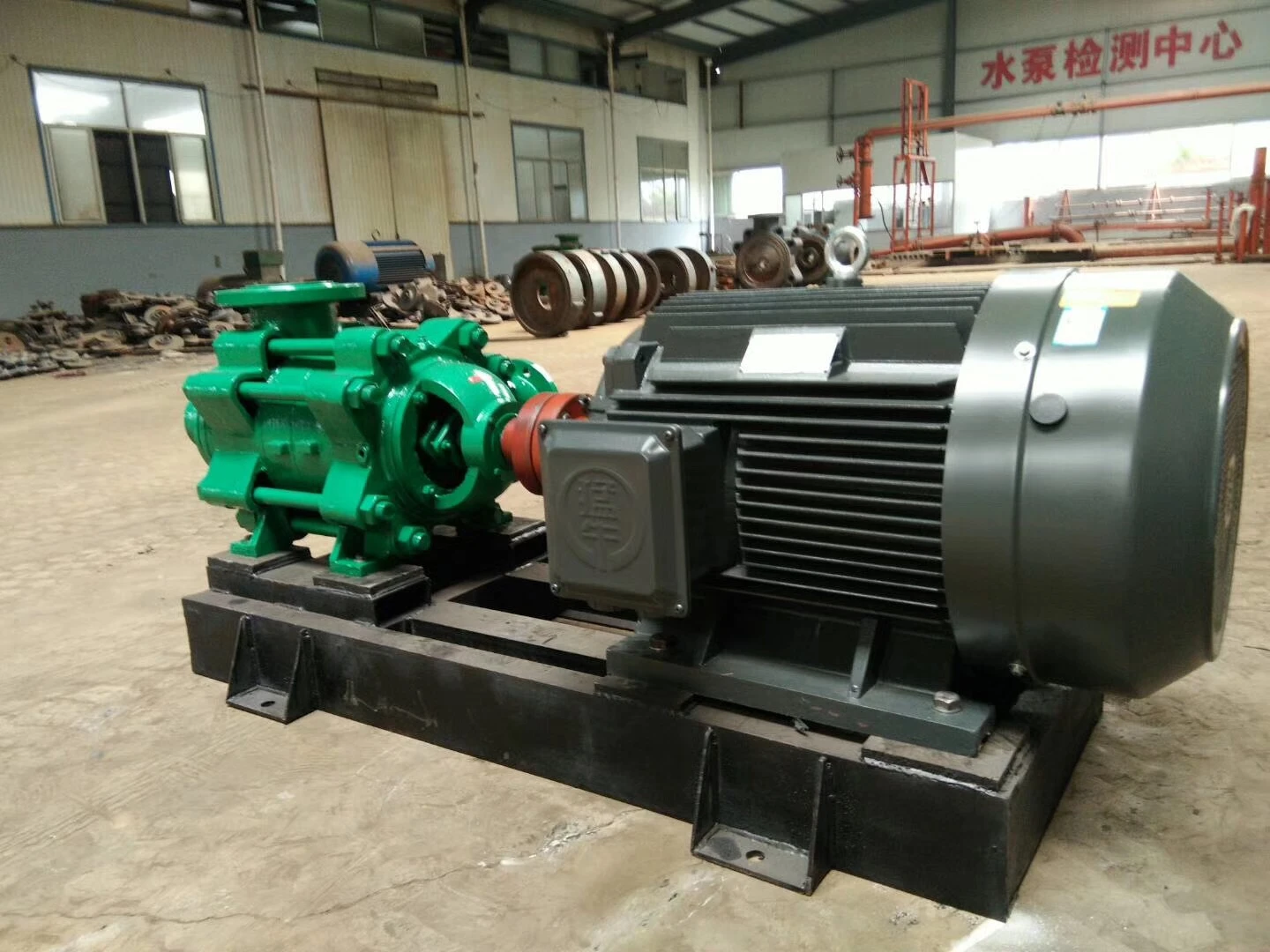
Introduction
Axial and mixed flow pumps represent distinct methodologies for imparting energy to fluids, serving critical roles across diverse industrial sectors including water management, power generation, and process industries. While both are centrifugal pump classifications, their impeller designs and resulting hydraulic characteristics dictate their suitability for varying applications. Axial flow pumps, characterized by fluid moving parallel to the pump’s rotational axis, excel in high-flow, low-head scenarios. Conversely, mixed flow pumps, featuring fluid exiting at an angle between 0 and 90 degrees relative to the axis, offer a compromise between flow rate and head, making them adaptable to a broader range of conditions. This guide provides an in-depth examination of these pump types, encompassing material science, manufacturing processes, performance engineering, failure modes, and relevant industry standards. A core pain point in pump selection lies in optimizing efficiency across fluctuating operational demands and ensuring long-term reliability under corrosive or abrasive conditions, issues directly addressed in this analysis.
Material Science & Manufacturing
The construction of both axial and mixed flow pumps relies heavily on metallurgy and material compatibility to withstand hydrodynamic stresses, cavitation erosion, and potential chemical attack. Impellers are commonly cast from ductile iron (ASTM A48 Class 35B) for moderate applications, offering a balance of strength and cost-effectiveness. Higher performance pumps, particularly those handling corrosive fluids, utilize stainless steel alloys (304, 316 – ASTM A743), duplex stainless steels (UNS S31803, S32205 – ASTM A965) or nickel alloys (e.g., Alloy 20 – ASTM B829). Casing materials follow similar selection criteria, with cast iron, carbon steel (ASTM A216 WCB), or stainless steel dominating. Shafts typically employ alloy steel (4140 – ASTM A297), heat-treated to achieve high tensile strength and fatigue resistance. Manufacturing processes differ significantly based on component complexity. Impellers often utilize investment casting (lost-wax casting) for intricate blade geometries. Welding procedures (AWS D1.1) are critical for casing assembly, requiring qualified welders and adherence to non-destructive testing (NDT) methods such as radiographic inspection (ASTM E94) and ultrasonic testing (ASTM A388). Balancing of impellers is paramount (ISO 1940-1) to minimize vibration and ensure smooth operation. Surface treatments, including epoxy coatings (ASTM D3487) or specialized polymers, enhance corrosion resistance. Proper material selection and manufacturing control are crucial to mitigating cavitation damage, a primary failure mode.
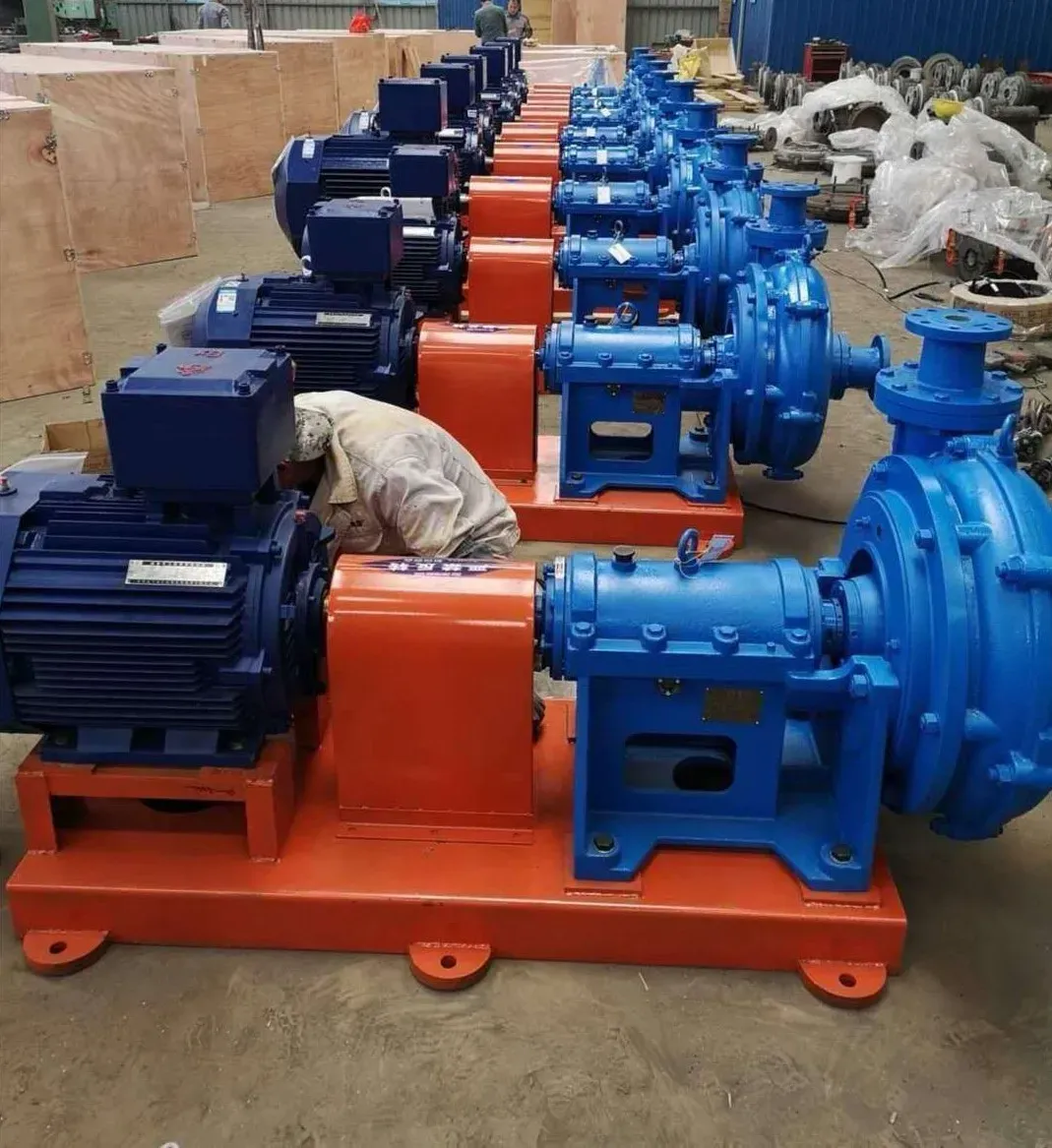
Performance & Engineering
Performance evaluation hinges on characterizing pump curves – relationships between head (H), flow rate (Q), and efficiency (η). Axial flow pumps exhibit a relatively flat head-flow curve, maintaining consistent head across a wide flow range but with lower head compared to mixed flow designs. Mixed flow pumps showcase a steeper curve, offering increased head capability but with more significant head reduction at higher flow rates. The specific speed (Ns) – a dimensionless parameter (Ns = N√Q/H^(3/4), where N is rotational speed) – distinguishes the two. Axial flow pumps have high specific speeds (typically >10,000), while mixed flow pumps have intermediate specific speeds (1,000 - 10,000). Hydraulic design incorporates Computational Fluid Dynamics (CFD) analysis to optimize impeller blade angles and casing volute geometry for minimizing energy losses. Force analysis, including radial and axial thrust, is critical for bearing selection and shaft stability. Axial flow pumps inherently generate significant axial thrust, requiring robust thrust bearings. Environmental resistance is addressed through material selection and protective coatings. Compliance standards, such as Hydraulic Institute (HI) standards (HI 1.6, 1.5), dictate performance testing and reporting protocols. Net Positive Suction Head Required (NPSHr) is a critical parameter, requiring careful system design to prevent cavitation. Understanding the system resistance curve is vital for proper pump selection and system optimization. The pump must operate within its optimal efficiency range to minimize energy consumption and lifecycle costs.
Technical Specifications
| Parameter | Axial Flow Pump | Mixed Flow Pump | Units |
|---|---|---|---|
| Specific Speed (Ns) | >10,000 | 1,000 - 10,000 | - |
| Head Range | 2 – 20 | 10 – 50 | m |
| Flow Rate Range | 100 – 10,000 | 50 – 5,000 | m³/hr |
| Efficiency (η) | 70 – 85 | 75 – 90 | % |
| Axial Thrust | High | Moderate | - |
| Suction Specific Speed (Ssu) | >0.5 | 0.3-0.5 | - |
Failure Mode & Maintenance
Common failure modes in axial and mixed flow pumps stem from cavitation erosion, corrosion, erosion, and mechanical fatigue. Cavitation, caused by vapor bubble collapse due to insufficient NPSH, leads to impeller damage and reduced performance. Corrosion, particularly in seawater or chemically aggressive fluids, degrades impeller and casing materials. Erosion, from abrasive particles in the fluid, wears down impeller blades and casing surfaces. Fatigue cracking can occur in impellers and shafts due to cyclic loading. Failure analysis (ASTM E2003) is crucial for determining root causes. Preventive maintenance includes regular visual inspections for corrosion or wear, vibration analysis (ISO 10816) to detect bearing faults or impeller imbalance, and oil analysis (ASTM D4057) to monitor lubricant condition. Impeller balancing (ISO 1940-1) should be performed periodically. Casing welds should be inspected for cracks using NDT methods. Shaft alignment should be verified to minimize bearing loads. For severe corrosion, replacement of components with more resistant materials or application of protective coatings may be necessary. Addressing cavitation requires increasing NPSH available or reducing pump speed. Proper lubrication and bearing maintenance are essential for extending pump life. Routine monitoring of pump performance parameters – flow rate, head, and power consumption – can identify deviations indicating potential problems.
Industry FAQ
Q: What are the key considerations when selecting between an axial and mixed flow pump for a wastewater treatment plant?
A: For wastewater treatment, consider the total dynamic head (TDH) and flow rate requirements. Axial flow pumps are favored for high flow, low head applications like transferring water between basins. Mixed flow pumps are suitable if moderate head is required, such as pumping from a lift station. Additionally, the presence of solids in the wastewater impacts selection; impeller design must minimize clogging and wear. Energy efficiency and lifecycle costs are also key factors.
Q: How does impeller material selection impact the longevity of a pump in a seawater application?
A: Seawater is highly corrosive due to its chloride content. Standard ductile iron impellers will rapidly corrode. Duplex stainless steels (S31803, S32205) or super austenitic stainless steels offer superior corrosion resistance. Coatings like epoxy or ceramic can provide additional protection, but their effectiveness diminishes over time. Regular inspection and maintenance are crucial, even with corrosion-resistant materials.
Q: What are the typical causes of axial thrust in axial flow pumps, and how are they mitigated?
A: Axial thrust is inherent in axial flow pump design, arising from the pressure distribution on the impeller blades. It’s mitigated through the use of robust thrust bearings, often hydrostatic or tilting-pad designs. Balancing devices, such as balance drums or balance discs, can reduce thrust loads by counteracting the pressure forces. Proper impeller alignment and balancing are critical.
Q: What are the limitations of using CFD analysis in pump design, and what validation methods are employed?
A: CFD analysis relies on accurate turbulence models and boundary conditions. Limitations include computational cost for complex geometries and potential inaccuracies in modeling cavitation or multiphase flows. Validation is performed through experimental testing, comparing CFD predictions with measured pump performance characteristics (head, flow, efficiency) and flow visualization techniques.
Q: How do vibration analysis and oil analysis contribute to predictive maintenance of these pump types?
A: Vibration analysis detects imbalances, misalignment, bearing defects, and cavitation damage by monitoring vibration frequencies and amplitudes. Oil analysis identifies wear debris, contamination, and lubricant degradation, providing insights into component wear and potential failure modes. Combining these analyses allows for proactive maintenance scheduling, minimizing downtime and preventing catastrophic failures.
Conclusion
Axial and mixed flow pumps represent distinct yet complementary solutions within the centrifugal pump landscape. Axial flow pumps excel in high-volume, low-head applications, while mixed flow pumps bridge the gap, offering a versatile performance profile. Careful consideration of specific speed, head-flow characteristics, material compatibility, and potential failure modes is paramount during pump selection. Optimizing performance requires rigorous engineering analysis, incorporating CFD modeling, force analysis, and adherence to industry standards such as those defined by the Hydraulic Institute and ISO.
Future trends in pump technology focus on enhancing efficiency through advanced impeller designs, utilizing variable frequency drives (VFDs) for precise flow control, and incorporating smart sensors for predictive maintenance. Materials research continues to explore novel alloys and coatings for improved corrosion and erosion resistance. Implementing digital twins – virtual replicas of physical pumps – will facilitate remote monitoring, performance optimization, and proactive failure prediction. Ultimately, a holistic approach encompassing design, manufacturing, operation, and maintenance is essential for maximizing the lifecycle cost-effectiveness of these critical industrial assets.
-
Precision at the Pump: How Better Machining Protects Flow and Uptime
News2026-11-20
-
Why Pump Reliability Begins Before the First Drop of Fluid
News2026-11-20
-
Beyond the Pump: Designing Safer Access Around Critical Water Infrastructure
News2026-11-20
-
Why Pumping Stations Depend on the Infrastructure Beneath the Pumps
News2026-11-20
-
Beyond the Pump Room: How Smarter Loading Protects Industrial Equipment
News2026-11-19
-
When Pumps Stop: Designing More Resilient Power for Critical Pumping Systems
News2026-11-19
-
The Hidden Role of Dust and Gas Monitoring in Reliable Pump Operations
News2026-11-19
-
The Hidden Role of Mineral Compounds in Extending Industrial Pump Lifespan
News2026-10-12
-
Why Pump System Reliability Depends on Precision Hose Assembly Methods
News2026-09-15
-
How Advanced Imaging Films Are Transforming Pump Component Quality Control
News2026-08-25
-
How Advanced Filtration Protects Pump Systems from Premature Wear and Costly Downtime
News2026-08-25
-
How Steel Material Selection Drives Pump Reliability in Heavy-Duty Systems
News2026-08-25
-
Ensuring Pump System Efficiency: The Role of High-Quality Pipe Fittings and Tubing
News2026-08-24
-
Optimizing Fluid Dynamics and Material Consistency in Industrial Processing
News2026-08-18
-
Innovations and Challenges in Hydraulic Systems for Heavy Machinery
News2026-08-13




