English
- Afrikaans
- Albanian
- Amharic
- Arabic
- Armenian
- Azerbaijani
- Basque
- Belarusian
- Bengali
- Bosnian
- Bulgarian
- Catalan
- Cebuano
- Corsican
- Croatian
- Czech
- Danish
- Dutch
- English
- Esperanto
- Estonian
- Finnish
- French
- Frisian
- Galician
- Georgian
- German
- Greek
- Gujarati
- Haitian Creole
- hausa
- hawaiian
- Hebrew
- Hindi
- Miao
- Hungarian
- Icelandic
- igbo
- Indonesian
- irish
- Italian
- Japanese
- Javanese
- Kannada
- kazakh
- Khmer
- Rwandese
- Korean
- Kurdish
- Kyrgyz
- Lao
- Latin
- Latvian
- Lithuanian
- Luxembourgish
- Macedonian
- Malgashi
- Malay
- Malayalam
- Maltese
- Maori
- Marathi
- Mongolian
- Myanmar
- Nepali
- Norwegian
- Norwegian
- Occitan
- Pashto
- Persian
- Polish
- Portuguese
- Punjabi
- Romanian
- Russian
- Samoan
- Scottish Gaelic
- Serbian
- Sesotho
- Shona
- Sindhi
- Sinhala
- Slovak
- Slovenian
- Somali
- Spanish
- Sundanese
- Swahili
- Swedish
- Tagalog
- Tajik
- Tamil
- Tatar
- Telugu
- Thai
- Turkish
- Turkmen
- Ukrainian
- Urdu
- Uighur
- Uzbek
- Vietnamese
- Welsh
- Bantu
- Yiddish
- Yoruba
- Zulu

Telephone: +86 13120555503
Email: frank@cypump.com


Apr . 01, 2024 17:55 Back to list
axial pump Performance Analysis
Introduction
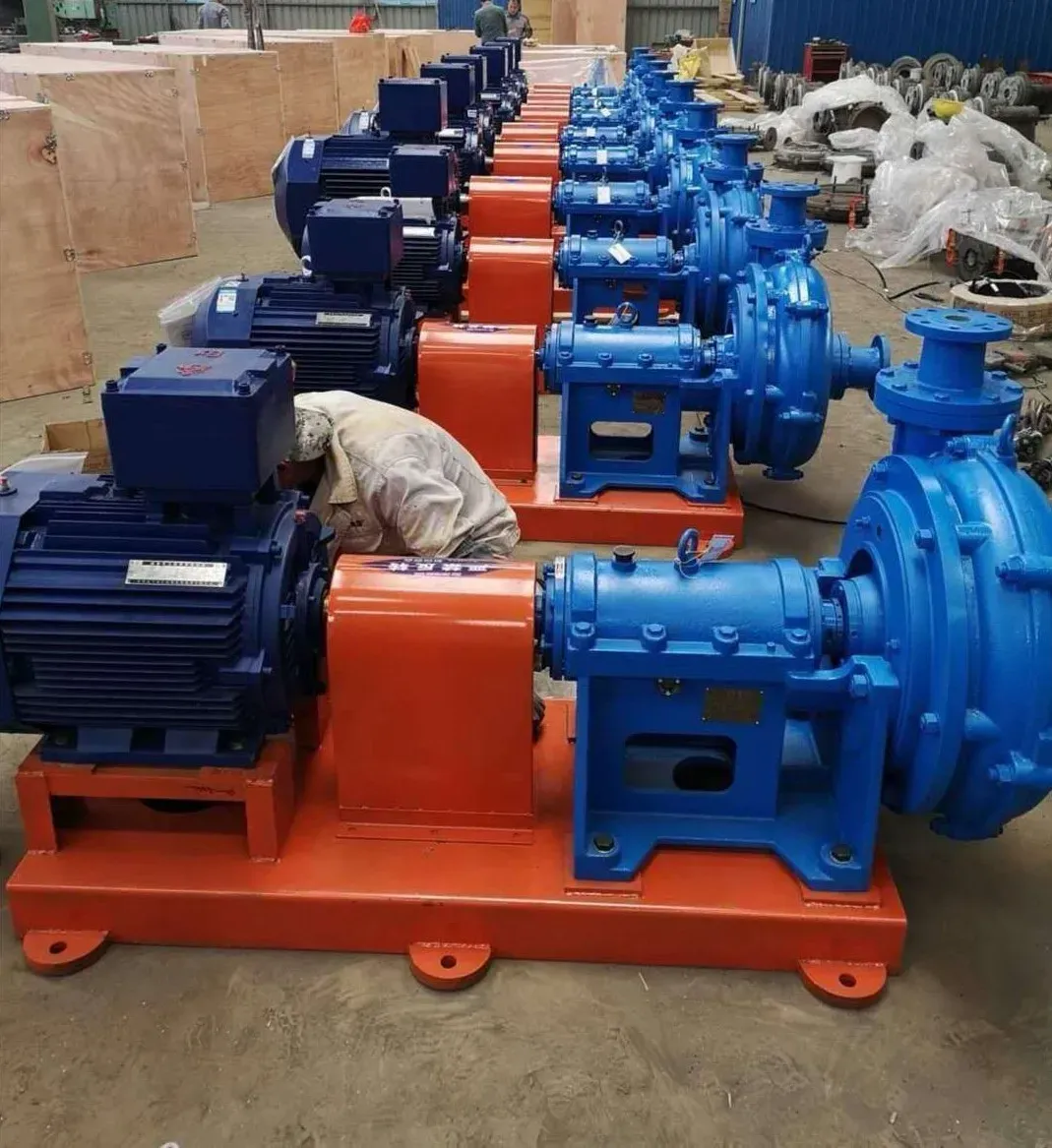
The axial pump is a dynamic fluid transfer machine characterized by fluid flowing parallel to the pump’s axis of rotation. It is a critical component across diverse industries including power generation, water treatment, oil & gas, and large-scale irrigation. Unlike centrifugal pumps which impart energy radially, axial pumps deliver energy kinetically, converting rotational energy into velocity energy, subsequently converted to pressure. Axial pumps typically excel in applications requiring high flow rates at relatively low head (pressure). Their design allows for a compact footprint relative to their capacity, making them ideal for installations with space constraints. Performance is largely dictated by blade geometry, rotational speed, and the fluid’s properties. Understanding the intricacies of axial pump design, materials, and operational parameters is paramount for optimizing system efficiency and mitigating potential failures.
Material Science & Manufacturing
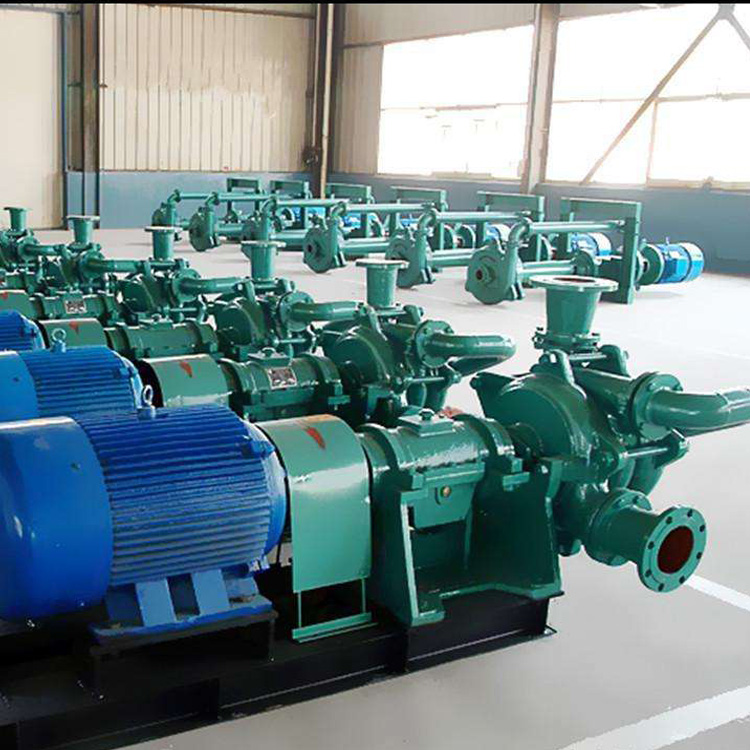
Axial pump construction involves several key materials, each selected for specific properties and operational demands. Impeller and diffuser blades are frequently manufactured from stainless steel alloys (304, 316, 17-4PH) offering corrosion resistance and high tensile strength. Cast iron (ASTM A48 Class 30) is commonly used for pump casings due to its machinability, affordability, and vibration damping characteristics. Shafts are typically crafted from high-strength alloy steels (e.g., 4140, 4340) undergoing heat treatment (hardening and tempering) to achieve optimal fatigue resistance and yield strength. Sealing components (mechanical seals, packing) necessitate materials compatible with the pumped fluid – options include silicon carbide, tungsten carbide, PTFE, and various elastomers.
Manufacturing processes vary depending on component complexity. Impellers are often produced via investment casting for intricate blade profiles, followed by precision machining for dimensional accuracy and surface finish. Diffusers may be manufactured using similar casting techniques or through CNC milling. Casings are commonly produced via sand casting, shell molding, or investment casting. Welding processes, particularly shielded metal arc welding (SMAW) and gas tungsten arc welding (GTAW), are crucial for joining casing components. Parameter control is vital: precise temperature control during heat treatment prevents distortion and maintains material properties; maintaining tight tolerances during machining ensures proper blade clearances and hydrodynamic efficiency. Non-destructive testing (NDT) methods like ultrasonic testing (UT) and radiographic testing (RT) are employed to detect internal flaws in castings and welds.
Performance & Engineering
Axial pump performance is fundamentally governed by fluid dynamics principles. The pump's head (pressure rise) is directly related to the velocity imparted to the fluid by the rotating impeller. Force analysis considers centrifugal forces acting on the impeller, hydrodynamic forces exerted by the fluid, and bearing loads. Cavitation – the formation and collapse of vapor bubbles within the pump – is a significant concern. It occurs when the absolute pressure at the impeller inlet falls below the fluid’s vapor pressure, leading to noise, vibration, and erosion of impeller blades. Net Positive Suction Head Required (NPSHr) is a crucial parameter, indicating the minimum pressure required at the pump inlet to prevent cavitation.
Environmental resistance is another key engineering consideration. Exposure to corrosive fluids necessitates material selection as previously discussed. Temperature fluctuations impact fluid viscosity and density, influencing pump performance. Operating in abrasive environments requires wear-resistant coatings or materials. Compliance requirements, such as those defined by API 610 (Centrifugal and Reciprocating Pumps) and ISO 13709 (Petroleum and natural gas industries — Design and operation of subsea production systems), dictate material traceability, manufacturing standards, and testing procedures to ensure safety and reliability. Functional implementation demands precise alignment of pump components to minimize vibration and maximize efficiency. Variable Frequency Drives (VFDs) are frequently employed to control pump speed and flow rate, optimizing performance for varying system demands.
Technical Specifications
| Parameter | Typical Range (Small Axial Pump) | Typical Range (Medium Axial Pump) | Typical Range (Large Axial Pump) |
|---|---|---|---|
| Flow Rate (m³/hr) | 0.5 - 5 | 5 - 50 | 50 - 500+ |
| Head (m) | 2 - 10 | 10 - 30 | 30 - 100+ |
| Impeller Diameter (mm) | 100 - 200 | 200 - 500 | 500 - 1500+ |
| Rotational Speed (RPM) | 1450 - 3600 | 1450 - 3600 | 900 - 2900 |
| Power (kW) | 0.75 - 5.5 | 5.5 - 75 | 75 - 500+ |
| Efficiency (%) | 65 - 75 | 70 - 85 | 75 - 90 |
Failure Mode & Maintenance
Axial pumps are susceptible to several failure modes. Cavitation, as previously discussed, causes impeller erosion and reduced performance. Fatigue cracking can occur in impeller blades due to cyclic loading and stress concentration. Bearing failure, often stemming from inadequate lubrication or excessive loading, leads to vibration and potential shaft damage. Shaft misalignment causes increased stress on seals and bearings, accelerating wear. Corrosion, particularly in aggressive fluid environments, degrades pump components, reducing structural integrity. Delamination of coatings (e.g., protective linings) compromises corrosion resistance. Oxidation can affect material properties at elevated temperatures.
Preventative maintenance is crucial. Regular vibration analysis detects bearing wear and misalignment. Oil analysis monitors lubricant condition and identifies contaminants. Impeller inspections reveal cavitation damage and erosion. Seal replacements prevent leakage and maintain pump efficiency. Proper alignment procedures minimize stress on components. Periodic flushing of the pump casing removes debris and prevents clogging. When failures occur, root cause analysis (RCA) is essential to identify the underlying issue and prevent recurrence. Replacement of damaged components with OEM-specified parts ensures compatibility and performance. Adhering to manufacturer’s recommended maintenance schedules is paramount for maximizing pump lifespan and minimizing downtime.
Industry FAQ
Q: What are the key differences between axial and centrifugal pumps, and when would I choose one over the other?
A: Centrifugal pumps are best suited for high head, low flow applications, while axial pumps excel in high flow, low head scenarios. Axial pumps are typically more efficient at high flow rates but are more sensitive to changes in system head. Centrifugal pumps are more robust to variations in operating conditions and can handle solids more effectively. Consider the application's specific flow and head requirements, as well as the fluid characteristics, when making your selection.
Q: How can I mitigate the risk of cavitation in an axial pump installation?
A: Ensure adequate Net Positive Suction Head Available (NPSHa) exceeds the pump’s NPSHr by a sufficient margin (typically 1-2 meters). Minimize suction line losses by using larger diameter piping and reducing the number of fittings. Lower the fluid temperature to reduce vapor pressure. Raise the pump's elevation relative to the fluid source. Avoid air entrainment in the suction line.
Q: What type of materials are best suited for axial pumps handling seawater?
A: Seawater is highly corrosive due to its chloride content. Duplex stainless steels (e.g., 2205) and super austenitic stainless steels (e.g., 6Mo) offer superior corrosion resistance compared to standard 316 stainless steel. Titanium alloys are also excellent choices but are more expensive. Consider using sacrificial anodes to protect less corrosion-resistant components.
Q: What is the typical lifespan of an axial pump impeller, and what factors influence it?
A: An axial pump impeller's lifespan can range from 5 to 20+ years, depending on operating conditions. Factors influencing lifespan include fluid corrosivity, solids content, operating speed, cavitation exposure, and the quality of materials and manufacturing. Regular inspections and preventative maintenance can significantly extend impeller life.
Q: How does Variable Frequency Drive (VFD) control impact the efficiency and longevity of an axial pump?
A: VFDs allow for precise speed control, enabling optimization of pump performance to match varying system demands. This reduces energy consumption and minimizes wear and tear. However, improper VFD settings can introduce harmonic distortion, potentially damaging motor windings. Proper installation and commissioning are crucial for realizing the benefits of VFD control.
Conclusion
The axial pump remains a vital technology for high-flow, low-head fluid transfer applications. Its efficiency, compact design, and adaptability to various industries contribute to its widespread adoption. Successful implementation, however, necessitates a thorough understanding of material science, manufacturing processes, and hydrodynamic principles. Addressing potential failure modes through preventative maintenance and adhering to relevant industry standards are critical for maximizing pump reliability and minimizing operational costs.
Future trends in axial pump technology focus on enhancing efficiency through advanced blade designs and computational fluid dynamics (CFD) optimization. The integration of smart sensors and predictive maintenance algorithms will further improve operational reliability and reduce downtime. Exploring novel materials and coatings will enhance corrosion resistance and extend pump lifespan in challenging environments. Ultimately, continued innovation in axial pump technology will play a crucial role in optimizing fluid handling systems across diverse industrial sectors.
-
Precision at the Pump: How Better Machining Protects Flow and Uptime
News2026-11-20
-
Why Pump Reliability Begins Before the First Drop of Fluid
News2026-11-20
-
Beyond the Pump: Designing Safer Access Around Critical Water Infrastructure
News2026-11-20
-
Why Pumping Stations Depend on the Infrastructure Beneath the Pumps
News2026-11-20
-
Beyond the Pump Room: How Smarter Loading Protects Industrial Equipment
News2026-11-19
-
When Pumps Stop: Designing More Resilient Power for Critical Pumping Systems
News2026-11-19
-
The Hidden Role of Dust and Gas Monitoring in Reliable Pump Operations
News2026-11-19
-
The Hidden Role of Mineral Compounds in Extending Industrial Pump Lifespan
News2026-10-12
-
Why Pump System Reliability Depends on Precision Hose Assembly Methods
News2026-09-15
-
How Advanced Imaging Films Are Transforming Pump Component Quality Control
News2026-08-25
-
How Advanced Filtration Protects Pump Systems from Premature Wear and Costly Downtime
News2026-08-25
-
How Steel Material Selection Drives Pump Reliability in Heavy-Duty Systems
News2026-08-25
-
Ensuring Pump System Efficiency: The Role of High-Quality Pipe Fittings and Tubing
News2026-08-24
-
Optimizing Fluid Dynamics and Material Consistency in Industrial Processing
News2026-08-18
-
Innovations and Challenges in Hydraulic Systems for Heavy Machinery
News2026-08-13




