English
- Afrikaans
- Albanian
- Amharic
- Arabic
- Armenian
- Azerbaijani
- Basque
- Belarusian
- Bengali
- Bosnian
- Bulgarian
- Catalan
- Cebuano
- Corsican
- Croatian
- Czech
- Danish
- Dutch
- English
- Esperanto
- Estonian
- Finnish
- French
- Frisian
- Galician
- Georgian
- German
- Greek
- Gujarati
- Haitian Creole
- hausa
- hawaiian
- Hebrew
- Hindi
- Miao
- Hungarian
- Icelandic
- igbo
- Indonesian
- irish
- Italian
- Japanese
- Javanese
- Kannada
- kazakh
- Khmer
- Rwandese
- Korean
- Kurdish
- Kyrgyz
- Lao
- Latin
- Latvian
- Lithuanian
- Luxembourgish
- Macedonian
- Malgashi
- Malay
- Malayalam
- Maltese
- Maori
- Marathi
- Mongolian
- Myanmar
- Nepali
- Norwegian
- Norwegian
- Occitan
- Pashto
- Persian
- Polish
- Portuguese
- Punjabi
- Romanian
- Russian
- Samoan
- Scottish Gaelic
- Serbian
- Sesotho
- Shona
- Sindhi
- Sinhala
- Slovak
- Slovenian
- Somali
- Spanish
- Sundanese
- Swahili
- Swedish
- Tagalog
- Tajik
- Tamil
- Tatar
- Telugu
- Thai
- Turkish
- Turkmen
- Ukrainian
- Urdu
- Uighur
- Uzbek
- Vietnamese
- Welsh
- Bantu
- Yiddish
- Yoruba
- Zulu

Telephone: +86 13120555503
Email: frank@cypump.com


Apr . 01, 2024 17:55 Back to list
axial flow pump Performance Engineering
Introduction
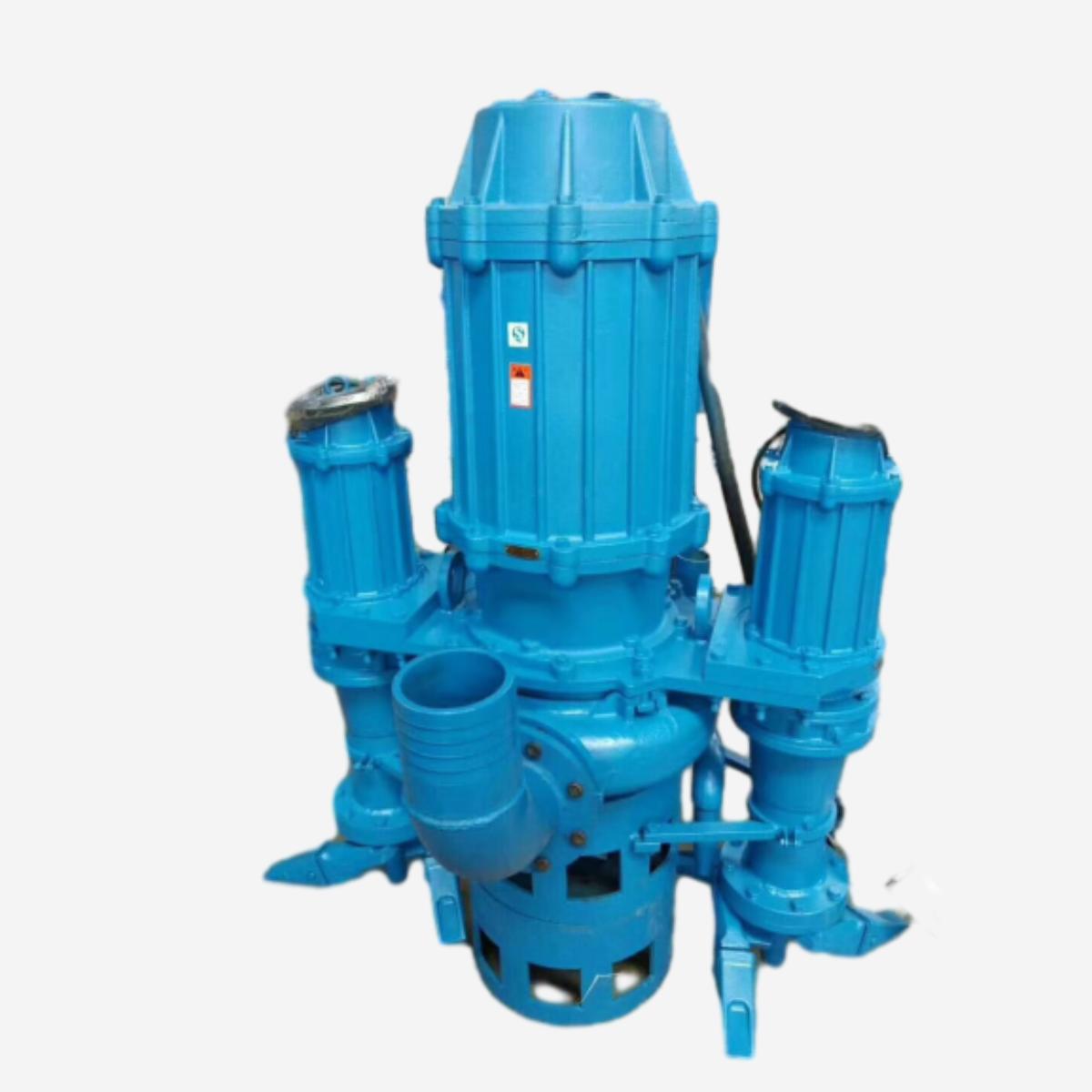
The axial flow pump is a dynamic hydrodynamic pump that imparts kinetic energy to the fluid through rotating impellers. Unlike centrifugal pumps which generate radial flow, axial flow pumps deliver fluid axially, parallel to the pump’s rotational axis. This design makes them highly efficient for applications requiring high flow rates at relatively low heads. Within the industrial chain, axial flow pumps serve a crucial role in water management, irrigation, drainage, cooling water circulation, and process fluid handling across diverse sectors including agriculture, power generation, chemical processing, and wastewater treatment. Core performance characteristics center around high volumetric flow rate, moderate pressure rise, and efficiency, determined by impeller design, rotational speed, and fluid properties. A key industry pain point lies in maintaining efficiency across a range of operating conditions and mitigating cavitation damage, particularly in variable-flow applications.
Material Science & Manufacturing
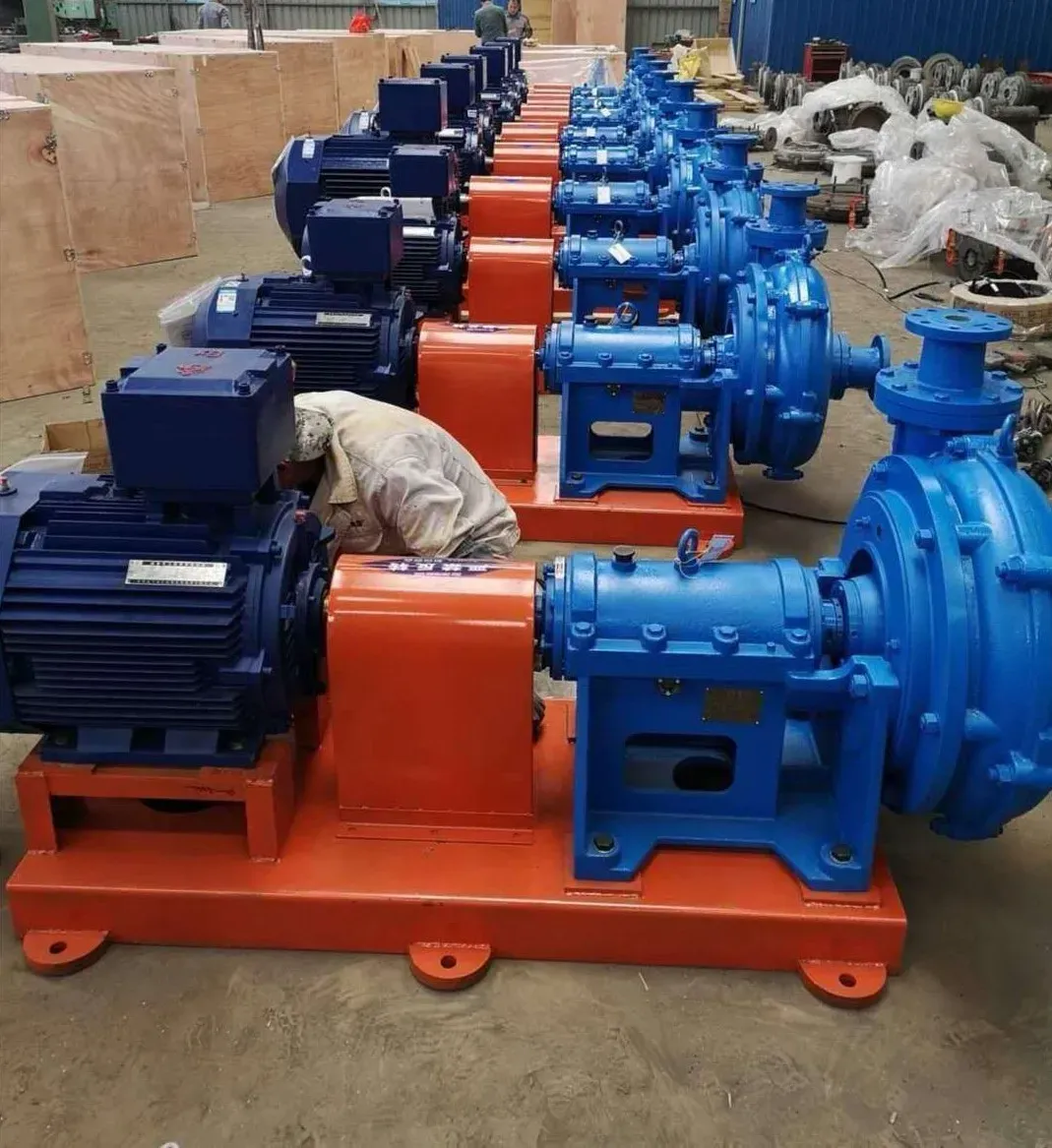
Axial flow pumps utilize a range of materials selected based on fluid compatibility, operating temperature, and cost considerations. Impellers and diffusers are commonly manufactured from ductile iron (ASTM A536, offering good strength and corrosion resistance), stainless steel (304, 316 – superior corrosion resistance, crucial for handling aggressive fluids), or bronze (naval brass – excellent corrosion and erosion resistance in seawater applications). Pump casings can be constructed from cast iron, steel, or fiberglass-reinforced polymer (FRP). The manufacturing process begins with casting or forging the impeller and casing. Impellers undergo precision machining to achieve the required blade geometry, which is critical for optimal performance. Blades are often manufactured using 5-axis CNC milling to create complex, curved profiles. Welding processes, such as shielded metal arc welding (SMAW) or gas tungsten arc welding (GTAW), are employed for joining components. Parameter control during welding is paramount to prevent distortion and ensure structural integrity, focusing on heat input, cooling rates, and weld metal composition. Diffuser vanes are typically investment cast for intricate shapes. Surface finishing, including polishing and coating (epoxy, polyurethane), is applied to enhance corrosion resistance and reduce frictional losses. Material selection must account for potential erosion from suspended solids and the risk of galvanic corrosion in dissimilar metal pairings. Non-destructive testing (NDT), including ultrasonic testing and radiographic inspection, is essential to verify weld quality and identify subsurface defects.
Performance & Engineering
The performance of an axial flow pump is primarily governed by its specific speed (Ns), a dimensionless parameter relating flow rate, head, and rotational speed. Engineering analysis involves Euler’s pump equation to determine the theoretical head developed by the impeller, accounting for blade angles and fluid velocity. Force analysis includes evaluating radial loads on the shaft due to unbalanced blade forces and axial thrust generated by pressure differences. Hydraulic thrust bearings are used to counteract axial thrust, while radial bearings support the shaft's radial loads. Environmental resistance requires considering temperature effects on material properties and the potential for thermal expansion and contraction. Cavitation, a major concern, occurs when the absolute pressure at the impeller inlet falls below the fluid's vapor pressure, forming vapor bubbles that collapse and cause erosion. Net Positive Suction Head Required (NPSHr) is a critical parameter, and the system must be designed to ensure the Net Positive Suction Head Available (NPSHa) exceeds NPSHr. Compliance with standards such as Hydraulic Institute (HI) standards and API 610 (for larger pumps) is essential. Pump selection involves matching the pump curve to the system curve to achieve optimal efficiency. Variable Frequency Drives (VFDs) are often employed to control pump speed and flow rate, improving energy efficiency and system flexibility.
Technical Specifications
| Parameter | Typical Value (Small Axial Pump) | Typical Value (Medium Axial Pump) | Typical Value (Large Axial Pump) |
|---|---|---|---|
| Flow Rate (m³/h) | 0.1 - 10 | 10 - 100 | 100 - 1000+ |
| Head (m) | 2 - 10 | 10 - 30 | 30 - 100+ |
| Specific Speed (Ns) | 500 – 1500 | 1500 – 3000 | 3000 – 5000+ |
| Impeller Diameter (mm) | 150 - 300 | 300 - 600 | 600 - 1500+ |
| Power (kW) | 0.5 - 7.5 | 7.5 - 75 | 75 - 500+ |
| Material (Impeller) | Ductile Iron | Stainless Steel (304/316) | Stainless Steel (316/Duplex) |
Failure Mode & Maintenance
Axial flow pumps are susceptible to several failure modes. Cavitation erosion, as previously mentioned, is a primary concern, leading to impeller damage and reduced performance. Fatigue cracking can occur in the impeller blades due to cyclic loading. Bearing failure, often caused by lubrication issues or excessive loads, can lead to pump seizure. Shaft misalignment can induce vibrations and accelerate bearing wear. Corrosion, especially in aggressive fluid environments, can weaken pump components. Erosion from abrasive particles can damage impeller blades and casing surfaces. Maintenance strategies include regular visual inspections for leaks and corrosion, vibration analysis to detect bearing issues, oil analysis to assess lubricant condition, impeller balancing to minimize vibrations, and periodic cleaning to remove deposits. Preventative maintenance schedules should be based on operating hours and fluid characteristics. Impeller replacement is often necessary after significant erosion or cavitation damage. Proper alignment of the pump and motor is crucial. Cavitation can be mitigated by ensuring adequate NPSHa and optimizing impeller design. Corrosion can be addressed through material selection and protective coatings. For critical applications, implementing a condition monitoring system with sensors for vibration, temperature, and pressure can provide early warnings of potential failures.
Industry FAQ
Q: What is the primary difference between an axial flow pump and a centrifugal pump in terms of application?
A: Axial flow pumps excel in applications requiring high flow rates and low heads, such as large-scale water transfer or irrigation, while centrifugal pumps are better suited for applications needing higher heads at lower flow rates, like boosting pressure in pipelines or supplying water to elevated tanks.
Q: How can I determine if my axial flow pump is experiencing cavitation?
A: Common signs of cavitation include a rattling or grinding noise emanating from the pump, reduced pump performance, and visible damage to the impeller blades (pitting or erosion). Monitoring the Net Positive Suction Head Available (NPSHa) and ensuring it exceeds the Net Positive Suction Head Required (NPSHr) is crucial.
Q: What materials are best suited for an axial flow pump handling seawater?
A: For seawater applications, materials with excellent corrosion resistance are essential. Stainless steel (316 or duplex stainless steel), bronze (naval brass), and FRP are commonly used. Consideration should also be given to biofouling and the potential use of anti-fouling coatings.
Q: What is the role of a diffuser in an axial flow pump?
A: The diffuser is a stationary component located downstream of the impeller. It efficiently converts the kinetic energy imparted to the fluid by the impeller into pressure energy, slowing down the fluid flow and increasing the pressure. Diffuser design significantly impacts pump efficiency.
Q: How does the speed of an axial flow pump affect its performance?
A: Increasing the pump speed generally increases both flow rate and head, but also increases power consumption. The pump’s affinity laws govern the relationship between speed, flow, head, and power. Variable Frequency Drives (VFDs) are often used to adjust speed and optimize performance for varying flow demands.
Conclusion
The axial flow pump remains a vital component in numerous industrial processes where high-volume fluid transfer is paramount. Its design, material selection, and manufacturing processes directly influence performance, reliability, and longevity. Understanding the intricacies of cavitation, corrosion, and mechanical failure is crucial for effective maintenance and optimal operation.
Future advancements will likely focus on developing more efficient impeller designs utilizing computational fluid dynamics (CFD) analysis, incorporating advanced materials with enhanced corrosion resistance, and integrating smart sensors for predictive maintenance. Continued adherence to industry standards and best practices will be essential to ensure the continued performance and reliability of axial flow pump systems.
-
Precision at the Pump: How Better Machining Protects Flow and Uptime
News2026-11-20
-
Why Pump Reliability Begins Before the First Drop of Fluid
News2026-11-20
-
Beyond the Pump: Designing Safer Access Around Critical Water Infrastructure
News2026-11-20
-
Why Pumping Stations Depend on the Infrastructure Beneath the Pumps
News2026-11-20
-
Beyond the Pump Room: How Smarter Loading Protects Industrial Equipment
News2026-11-19
-
When Pumps Stop: Designing More Resilient Power for Critical Pumping Systems
News2026-11-19
-
The Hidden Role of Dust and Gas Monitoring in Reliable Pump Operations
News2026-11-19
-
The Hidden Role of Mineral Compounds in Extending Industrial Pump Lifespan
News2026-10-12
-
Why Pump System Reliability Depends on Precision Hose Assembly Methods
News2026-09-15
-
How Advanced Imaging Films Are Transforming Pump Component Quality Control
News2026-08-25
-
How Advanced Filtration Protects Pump Systems from Premature Wear and Costly Downtime
News2026-08-25
-
How Steel Material Selection Drives Pump Reliability in Heavy-Duty Systems
News2026-08-25
-
Ensuring Pump System Efficiency: The Role of High-Quality Pipe Fittings and Tubing
News2026-08-24
-
Optimizing Fluid Dynamics and Material Consistency in Industrial Processing
News2026-08-18
-
Innovations and Challenges in Hydraulic Systems for Heavy Machinery
News2026-08-13




