English
- Afrikaans
- Albanian
- Amharic
- Arabic
- Armenian
- Azerbaijani
- Basque
- Belarusian
- Bengali
- Bosnian
- Bulgarian
- Catalan
- Cebuano
- Corsican
- Croatian
- Czech
- Danish
- Dutch
- English
- Esperanto
- Estonian
- Finnish
- French
- Frisian
- Galician
- Georgian
- German
- Greek
- Gujarati
- Haitian Creole
- hausa
- hawaiian
- Hebrew
- Hindi
- Miao
- Hungarian
- Icelandic
- igbo
- Indonesian
- irish
- Italian
- Japanese
- Javanese
- Kannada
- kazakh
- Khmer
- Rwandese
- Korean
- Kurdish
- Kyrgyz
- Lao
- Latin
- Latvian
- Lithuanian
- Luxembourgish
- Macedonian
- Malgashi
- Malay
- Malayalam
- Maltese
- Maori
- Marathi
- Mongolian
- Myanmar
- Nepali
- Norwegian
- Norwegian
- Occitan
- Pashto
- Persian
- Polish
- Portuguese
- Punjabi
- Romanian
- Russian
- Samoan
- Scottish Gaelic
- Serbian
- Sesotho
- Shona
- Sindhi
- Sinhala
- Slovak
- Slovenian
- Somali
- Spanish
- Sundanese
- Swahili
- Swedish
- Tagalog
- Tajik
- Tamil
- Tatar
- Telugu
- Thai
- Turkish
- Turkmen
- Ukrainian
- Urdu
- Uighur
- Uzbek
- Vietnamese
- Welsh
- Bantu
- Yiddish
- Yoruba
- Zulu

Telephone: +86 13120555503
Email: frank@cypump.com


Apr . 01, 2024 17:55 Back to list
Axial Flow and Mixed Flow Pumps exploring the differences between axial flow and mixed flow configur
Introduction
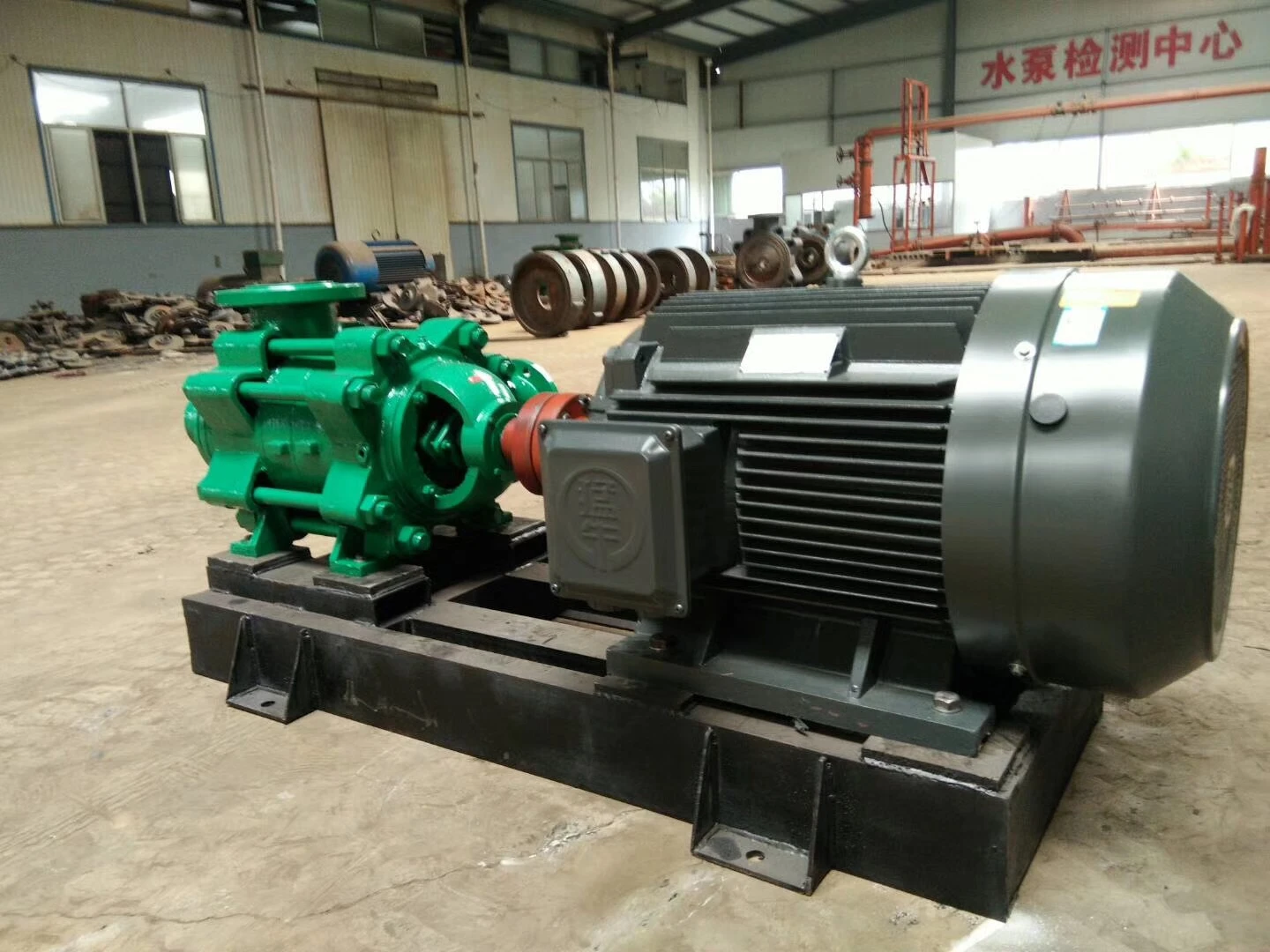
Axial flow and mixed flow pumps represent distinct approaches to fluid transfer, each optimized for specific operational parameters. These centrifugal pump classifications are fundamentally differentiated by the angle at which fluid exits the impeller relative to the pump's axis of rotation. Axial flow pumps, as the name suggests, discharge fluid primarily in a direction parallel to the rotational axis, achieving high flow rates at relatively low heads. Mixed flow pumps, conversely, discharge fluid at an angle that incorporates both axial and radial components, resulting in a compromise between flow rate and head. This guide provides an in-depth technical examination of these two pump types, covering material science, manufacturing considerations, performance characteristics, failure modes, and relevant industry standards. The selection between axial and mixed flow configurations is critical in applications ranging from large-volume water transfer and irrigation to industrial cooling and wastewater treatment, directly impacting system efficiency, operating costs, and overall reliability. A core industry pain point lies in accurately predicting pump performance across varying operating conditions and understanding the long-term effects of fluid properties on component durability.
Material Science & Manufacturing
The materials selection for both axial and mixed flow pumps is heavily influenced by the fluid being pumped, the operating temperature, and the pressure demands. Impellers and volutes are commonly constructed from cast iron (ASTM A48 Class 30), stainless steel (304, 316 – ASTM A743), or bronze (Babbitt alloys). Cast iron provides good wear resistance and is cost-effective, but is susceptible to corrosion in harsh environments. Stainless steel offers superior corrosion resistance, crucial for handling aggressive fluids like seawater or chemicals. Bronze offers excellent corrosion resistance and low friction characteristics, making it suitable for specific applications. Shafts are typically made from high-strength alloy steel (4140 – ASTM A276) and undergo heat treatment to enhance tensile strength and fatigue resistance. Manufacturing processes vary. Axial flow pumps often utilize investment casting for complex impeller geometries. Mixed flow pumps frequently employ sand casting or centrifugal casting for the volute. Critical parameters during manufacturing include impeller balancing (to minimize vibration – ISO 1940-1), surface finish (to reduce friction losses), and weld quality (for welded components – AWS D1.1). Welding procedures require rigorous qualification to ensure structural integrity and prevent stress corrosion cracking. The impeller blade profile in both pump types is generated via CNC machining or, for higher-volume production, via specialized forging dies. Maintaining tight tolerances during impeller and volute fabrication is paramount for optimal hydraulic performance.
Performance & Engineering
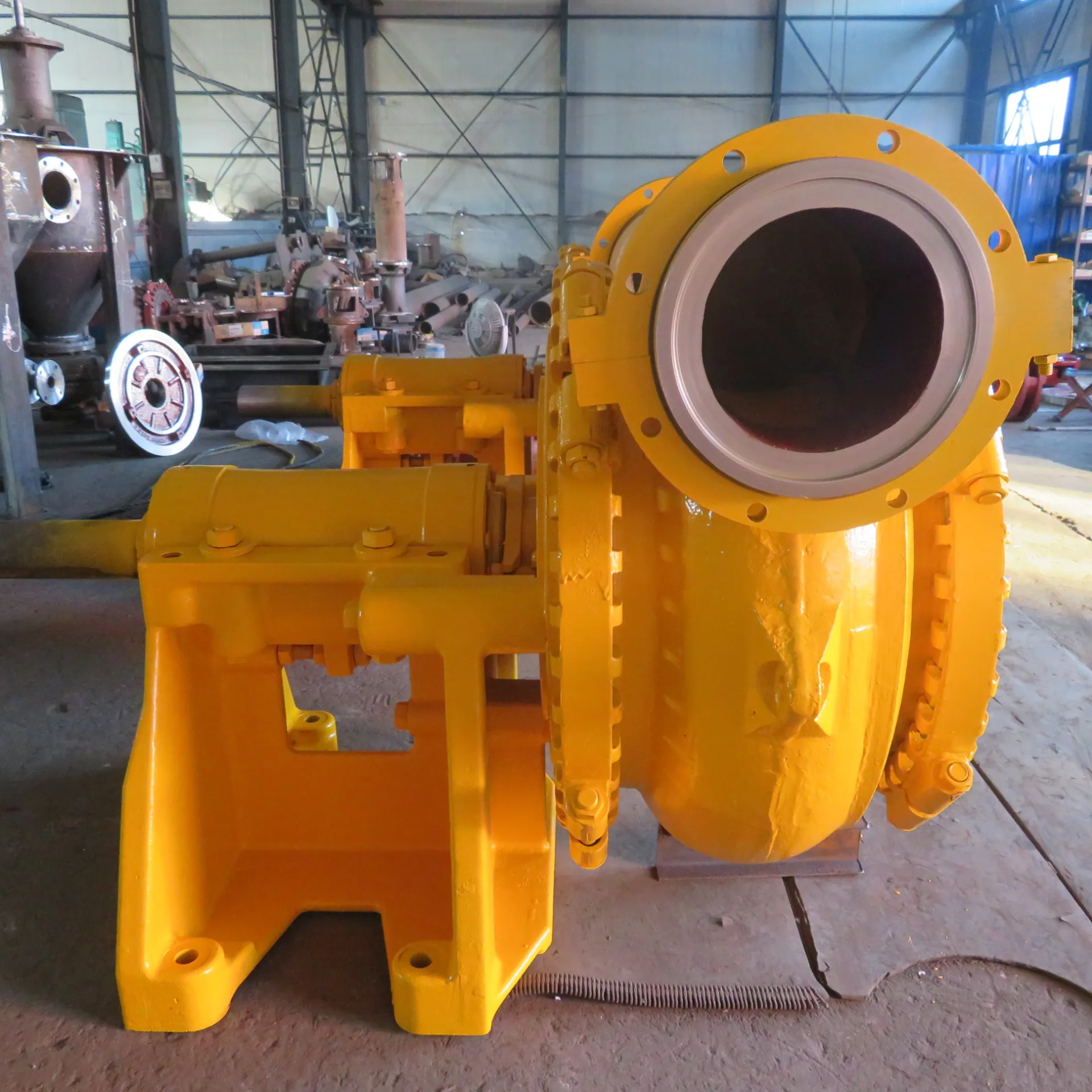
Axial flow pumps excel in low-head, high-flow applications. Their performance is characterized by a relatively flat head-capacity curve, meaning flow rate decreases minimally with increasing head. This makes them suitable for moving large volumes of water over short distances. The specific speed (Ns) of an axial flow pump is generally high (greater than 10,000). Mixed flow pumps, however, offer a steeper head-capacity curve, providing higher head for a given flow rate compared to axial flow designs. Their specific speed typically falls between 4,000 and 10,000. Engineering considerations include cavitation prevention (NPSH requirements – Hydraulic Institute standards), hydraulic efficiency optimization, and structural analysis to withstand operating pressures. Computational Fluid Dynamics (CFD) modeling is extensively used to simulate flow patterns, identify areas of turbulence, and refine impeller and volute designs. Force analysis focuses on radial loads on the shaft due to impeller imbalance and axial thrust due to pressure distribution. Bearing selection (SKF, Timken) must account for these loads to ensure long-term reliability. Environmental resistance considerations include corrosion protection (coatings, cathodic protection – ISO 12944) and erosion resistance (hardfacing, wear-resistant materials). Compliance requirements, such as those set by the American National Standards Institute (ANSI) and the European Union's Machinery Directive (2006/42/EC), mandate safety features and performance verification procedures.
Technical Specifications
| Parameter | Axial Flow Pump | Mixed Flow Pump | Units |
|---|---|---|---|
| Specific Speed (Ns) | >10,000 | 4,000 – 10,000 | rpm |
| Head Range | 2 – 20 | 10 – 50 | m |
| Flow Rate Range | 100 – 10,000 | 20 – 2,000 | m³/hr |
| Hydraulic Efficiency | 70 – 85 | 75 – 90 | % |
| Impeller Blade Angle (at outlet) | 0 – 20 | 20 – 50 | degrees |
| Typical Applications | Low-lift irrigation, large volume water transfer | Wastewater treatment, cooling water circulation | - |
Failure Mode & Maintenance
Common failure modes in axial flow pumps include impeller cavitation (due to insufficient NPSH), bearing failure (from excessive loads or inadequate lubrication – ISO 287), and shaft misalignment. Cavitation causes pitting and erosion of impeller blades, reducing pump efficiency and potentially leading to catastrophic failure. In mixed flow pumps, wear on the volute tongue and impeller vanes is a frequent issue, particularly when handling abrasive fluids. Shaft corrosion (especially in saline environments) and seal leakage are also common. Failure analysis often involves metallurgical examination of failed components (ASTM E407) and vibration analysis to identify root causes. Preventative maintenance should include regular impeller balancing, bearing lubrication, seal inspection, and corrosion protection. Vibration monitoring (ISO 10816) can detect early signs of bearing wear or impeller imbalance. For axial flow pumps, careful monitoring of NPSH is crucial to prevent cavitation. Routine cleaning of strainers and filters is essential to prevent blockage and maintain optimal flow rates. Periodic performance testing and comparison to baseline data can identify degradation in pump efficiency, indicating the need for maintenance or component replacement. Scheduled overhaul procedures should follow manufacturer's recommendations and industry best practices.
Industry FAQ
Q: What are the primary considerations when selecting between axial and mixed flow pumps for a large-scale irrigation project?
A: The key consideration is the total dynamic head (TDH) required. Axial flow pumps are optimal for low-head, high-volume applications common in large-scale irrigation where water needs to be moved over relatively flat terrain. Mixed flow pumps would be considered if the irrigation system incorporates significant elevation changes or requires higher pressure to reach distant fields. You must also analyze the net positive suction head available (NPSHa) at the pump location to ensure adequate margin against cavitation.
Q: How does the fluid composition affect the material selection for the pump components?
A: The fluid's corrosive properties, abrasive content, and temperature dictate material choices. Highly corrosive fluids necessitate stainless steel or specialized alloys. Abrasive fluids require hardfacing on impeller vanes and volute surfaces to resist erosion. High temperatures may necessitate materials with high creep resistance and thermal stability.
Q: What are the typical maintenance intervals for axial flow pump bearings?
A: Bearing maintenance intervals depend on operating conditions and bearing type. Generally, scheduled lubrication should occur every 3-6 months. Vibration analysis should be performed quarterly to detect early signs of bearing wear. Complete bearing replacement is typically recommended every 3-5 years, or as indicated by vibration data.
Q: How can I mitigate the risk of cavitation in an axial flow pump installation?
A: Ensuring adequate NPSHa is critical. This involves optimizing the suction piping design (minimizing pipe length, elbows, and elevation differences) and maintaining a sufficient water level in the suction source. Regular inspection of impeller blades for cavitation damage is also important.
Q: What role does CFD modeling play in optimizing pump performance and preventing failures?
A: CFD modeling allows engineers to simulate flow patterns within the pump, identify areas of high turbulence or low pressure (potential cavitation sites), and optimize impeller and volute designs for maximum efficiency and minimal stress. It can also predict the effects of different fluid properties on pump performance.
Conclusion
The selection between axial and mixed flow pumps is a nuanced engineering decision requiring careful consideration of application-specific requirements. Axial flow pumps excel in scenarios demanding high flow rates at low heads, offering efficiency in large-volume transfer applications. Mixed flow pumps provide a versatile compromise, delivering higher head capabilities while maintaining reasonable flow rates. Understanding the fundamental differences in their hydraulic characteristics, material requirements, and potential failure modes is paramount for ensuring long-term operational reliability and minimizing life-cycle costs.
Future advancements in pump technology will likely focus on materials science—specifically, the development of more corrosion-resistant and erosion-resistant alloys—and on integrating advanced sensor technologies for real-time performance monitoring and predictive maintenance. Furthermore, the increasing adoption of variable frequency drives (VFDs) will allow for more precise control of pump speed and flow rate, optimizing energy efficiency and extending equipment lifespan. Continued research into cavitation mitigation strategies and the development of more robust bearing designs will also contribute to improved pump performance and reliability.
-
Precision at the Pump: How Better Machining Protects Flow and Uptime
News2026-11-20
-
Why Pump Reliability Begins Before the First Drop of Fluid
News2026-11-20
-
Beyond the Pump: Designing Safer Access Around Critical Water Infrastructure
News2026-11-20
-
Why Pumping Stations Depend on the Infrastructure Beneath the Pumps
News2026-11-20
-
Beyond the Pump Room: How Smarter Loading Protects Industrial Equipment
News2026-11-19
-
When Pumps Stop: Designing More Resilient Power for Critical Pumping Systems
News2026-11-19
-
The Hidden Role of Dust and Gas Monitoring in Reliable Pump Operations
News2026-11-19
-
The Hidden Role of Mineral Compounds in Extending Industrial Pump Lifespan
News2026-10-12
-
Why Pump System Reliability Depends on Precision Hose Assembly Methods
News2026-09-15
-
How Advanced Imaging Films Are Transforming Pump Component Quality Control
News2026-08-25
-
How Advanced Filtration Protects Pump Systems from Premature Wear and Costly Downtime
News2026-08-25
-
How Steel Material Selection Drives Pump Reliability in Heavy-Duty Systems
News2026-08-25
-
Ensuring Pump System Efficiency: The Role of High-Quality Pipe Fittings and Tubing
News2026-08-24
-
Optimizing Fluid Dynamics and Material Consistency in Industrial Processing
News2026-08-18
-
Innovations and Challenges in Hydraulic Systems for Heavy Machinery
News2026-08-13




