English
- Afrikaans
- Albanian
- Amharic
- Arabic
- Armenian
- Azerbaijani
- Basque
- Belarusian
- Bengali
- Bosnian
- Bulgarian
- Catalan
- Cebuano
- Corsican
- Croatian
- Czech
- Danish
- Dutch
- English
- Esperanto
- Estonian
- Finnish
- French
- Frisian
- Galician
- Georgian
- German
- Greek
- Gujarati
- Haitian Creole
- hausa
- hawaiian
- Hebrew
- Hindi
- Miao
- Hungarian
- Icelandic
- igbo
- Indonesian
- irish
- Italian
- Japanese
- Javanese
- Kannada
- kazakh
- Khmer
- Rwandese
- Korean
- Kurdish
- Kyrgyz
- Lao
- Latin
- Latvian
- Lithuanian
- Luxembourgish
- Macedonian
- Malgashi
- Malay
- Malayalam
- Maltese
- Maori
- Marathi
- Mongolian
- Myanmar
- Nepali
- Norwegian
- Norwegian
- Occitan
- Pashto
- Persian
- Polish
- Portuguese
- Punjabi
- Romanian
- Russian
- Samoan
- Scottish Gaelic
- Serbian
- Sesotho
- Shona
- Sindhi
- Sinhala
- Slovak
- Slovenian
- Somali
- Spanish
- Sundanese
- Swahili
- Swedish
- Tagalog
- Tajik
- Tamil
- Tatar
- Telugu
- Thai
- Turkish
- Turkmen
- Ukrainian
- Urdu
- Uighur
- Uzbek
- Vietnamese
- Welsh
- Bantu
- Yiddish
- Yoruba
- Zulu

Telephone: +86 13120555503
Email: frank@cypump.com


Apr . 01, 2024 17:55 Back to list
axial and mixed flow pumps Performance Analysis
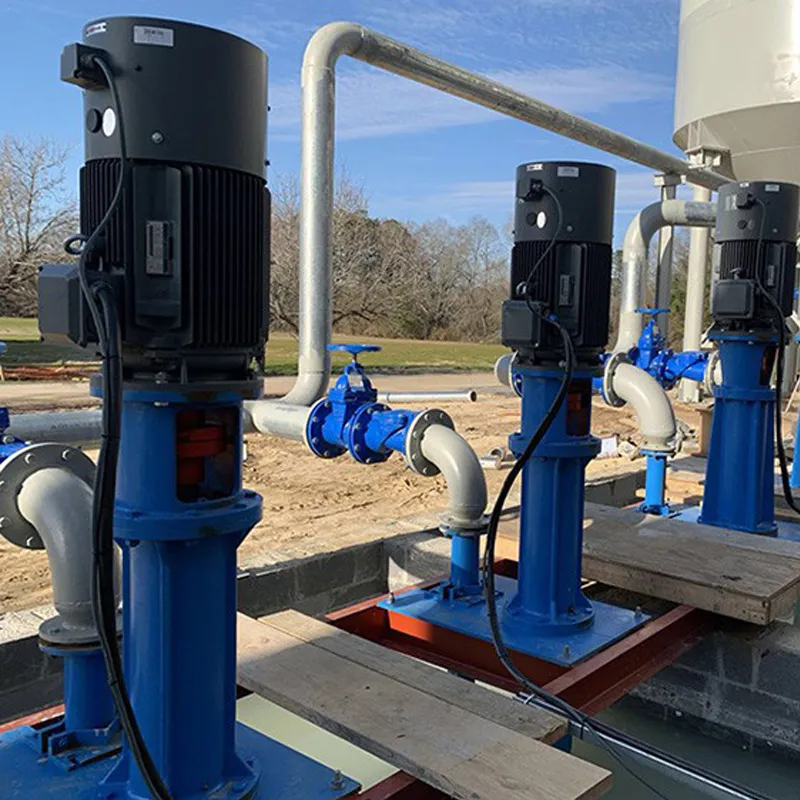
Introduction
Axial and mixed flow pumps represent critical components in a wide range of industrial applications, encompassing water management, power generation, and process engineering. These pumps are classified as dynamic machines, utilizing rotating impellers to impart kinetic energy to the fluid, subsequently converting it into pressure flow. Axial flow pumps are characterized by fluid moving parallel to the pump's axis, achieving high flow rates at relatively low heads. Mixed flow pumps, conversely, exhibit a combination of axial and radial flow, offering a compromise between flow rate and head pressure. Their technical position within the industry chain is pivotal, bridging the gap between primary energy sources and end-use applications. Core performance characteristics include volumetric flow rate (m³/h), total dynamic head (TDH) in meters, pump efficiency (%), Net Positive Suction Head Required (NPSHr) in meters, and power consumption (kW). These parameters dictate the suitability of a given pump for a specific application, demanding a thorough understanding of fluid dynamics, material science, and system integration.
Material Science & Manufacturing
The performance and longevity of axial and mixed flow pumps are intrinsically linked to the materials employed in their construction and the precision of their manufacturing processes. Impellers and diffusers are commonly fabricated from stainless steel alloys (304, 316, duplex stainless steels) due to their corrosion resistance and mechanical strength. Cast iron (ASTM A48 Class 30) remains prevalent for pump casings, particularly in less demanding environments, offering cost-effectiveness and good machinability. Shafts typically utilize alloy steels (4140, 4340) hardened and tempered to withstand torsional stresses. Seals are frequently constructed from materials like Viton, EPDM, or PTFE, selected for their chemical compatibility with the pumped fluid and ability to maintain a tight seal under varying operating conditions. Manufacturing processes include investment casting for complex impeller geometries, centrifugal casting for larger casings, and precision machining for critical components like shafts and wear rings. Welding (SMAW, GTAW) is extensively used for casing fabrication, requiring strict adherence to welding procedures (AWS D1.1) to ensure structural integrity and prevent corrosion. Parameter control during manufacturing is paramount; impeller balancing minimizes vibration, while surface finishing (Ra < 0.8 μm) reduces friction and enhances hydraulic efficiency. Non-destructive testing (NDT) techniques such as ultrasonic testing (UT) and radiographic testing (RT) are employed to detect internal flaws and ensure component quality.
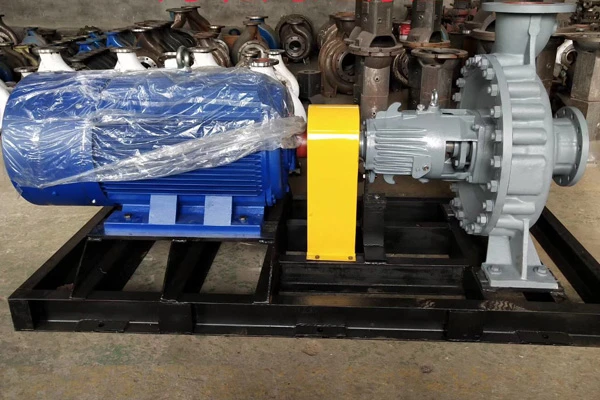
Performance & Engineering
Performance analysis of axial and mixed flow pumps necessitates a deep understanding of fluid mechanics principles. Pump performance curves, depicting head-flow characteristics, are fundamental for selecting the appropriate pump for a given application. These curves are derived from computational fluid dynamics (CFD) simulations and validated through experimental testing (ISO 9906). Key engineering considerations include cavitation prevention, net positive suction head (NPSH) optimization, and hydraulic efficiency maximization. Cavitation, the formation and implosion of vapor bubbles, can erode impeller surfaces and reduce pump performance. NPSHr, a pump-specific parameter, must be lower than the available NPSH (NPSHa) in the system to avoid cavitation. Pump efficiency is influenced by impeller geometry, blade angles, and surface roughness. Force analysis involves assessing radial and axial thrust loads on the shaft, requiring properly sized bearings to ensure stable operation. Environmental resistance is critical; pumps operating in corrosive environments require specialized materials and coatings. Compliance requirements are dictated by industry-specific regulations, such as API 610 for centrifugal pumps used in the petroleum, petrochemical, and natural gas industries. Proper pump alignment is crucial to minimize vibration and extend bearing life, achieved through laser alignment techniques and adherence to ISO 1940-1 standards.
Technical Specifications
| Parameter | Axial Flow Pump (Typical) | Mixed Flow Pump (Typical) | Units |
|---|---|---|---|
| Flow Rate | 500 - 5000 | 200 - 2000 | m³/h |
| Total Dynamic Head (TDH) | 5 - 30 | 20 - 80 | m |
| Pump Efficiency | 75 - 85 | 70 - 80 | % |
| NPSHr | 2 - 5 | 4 - 8 | m |
| Power Consumption | 50 - 500 | 20 - 300 | kW |
| Maximum Solids Handling | <5 | <10 | mm |
Failure Mode & Maintenance
Axial and mixed flow pumps are susceptible to various failure modes. Cavitation erosion, as previously mentioned, degrades impeller surfaces. Fatigue cracking can occur in impellers and casings due to cyclic loading. Corrosion, particularly in aggressive fluids, leads to material loss and structural weakening. Bearing failure, often caused by misalignment, inadequate lubrication, or contamination, results in increased vibration and potential pump seizure. Seal failure allows leakage and reduces pump efficiency. Delamination of coatings can accelerate corrosion. Oxidation of metallic components occurs over time, reducing material strength. Failure analysis often employs techniques such as metallurgical examination (SEM, EDS), vibration analysis, and oil analysis. Preventative maintenance strategies include regular vibration monitoring, lubrication schedules (ISO 287), seal inspections, and impeller cleaning. Impeller balancing is performed to minimize vibration. Casing inspections identify corrosion or cracking. Replacement of worn wear rings restores hydraulic efficiency. Proper storage procedures, protecting pumps from moisture and contaminants, are essential for long-term reliability. Condition monitoring systems, incorporating sensors and data analytics, enable predictive maintenance, minimizing downtime and maximizing pump lifespan.
Industry FAQ
Q: What are the key differences in impeller design between axial and mixed flow pumps, and how do these impact their performance characteristics?
A: Axial flow pump impellers resemble a propeller, with blades designed to generate primarily axial flow. They have relatively few blades and large blade angles, optimized for high flow rates at low heads. Mixed flow pump impellers incorporate both axial and radial flow components. They generally have more blades with a smaller blade angle, leading to increased head pressure but reduced flow rates compared to axial flow pumps. This geometric difference directly translates to their respective performance curves and application suitability.
Q: How does material selection influence the longevity of a pump handling abrasive fluids?
A: Material selection is critical when handling abrasive fluids. Hardened stainless steels (e.g., duplex stainless steels) and ceramic coatings provide enhanced wear resistance. Impeller and casing materials should be chosen based on the abrasive particle size and concentration. Regularly inspecting and replacing wear rings and coatings is also essential to mitigate abrasive wear.
Q: What are the best practices for ensuring proper pump alignment, and what tools are typically used?
A: Proper pump alignment minimizes vibration, extends bearing life, and prevents seal failure. Best practices include using a flexible coupling to accommodate minor misalignment, performing initial alignment after installation, and conducting periodic checks (e.g., every six months). Laser alignment systems are the most accurate tools for pump alignment, providing precise measurements of shaft alignment.
Q: What are the common causes of cavitation, and what steps can be taken to prevent it?
A: Common causes of cavitation include low NPSHa, high pump speed, and restrictions in the suction piping. Prevention measures include increasing the available NPSH by lowering the fluid level in the suction tank, reducing pump speed, enlarging the suction pipe diameter, and eliminating any obstructions in the suction line. Regular monitoring of pump vibration can also indicate the onset of cavitation.
Q: How do variable frequency drives (VFDs) impact the efficiency and overall operational cost of axial and mixed flow pumps?
A: Variable frequency drives (VFDs) allow for precise control of pump speed, optimizing performance to match demand. This reduces energy consumption, particularly during periods of low flow. VFDs also minimize water hammer and reduce mechanical stress on the pump, extending its lifespan. While there is a small efficiency loss associated with the VFD itself, the overall operational cost savings typically outweigh this loss.
Conclusion
Axial and mixed flow pumps represent sophisticated pieces of fluid handling machinery, whose selection and operation necessitate a thorough understanding of fluid dynamics, material science, and engineering principles. The optimal choice between an axial or mixed flow pump hinges on the specific application requirements, prioritizing either high flow rates at low heads or a balanced combination of both. Maintaining these pumps requires a proactive approach to preventative maintenance, encompassing regular inspections, lubrication, and component replacement, alongside modern condition monitoring techniques.
Future developments in pump technology will likely focus on enhancing efficiency through advanced impeller designs and materials, incorporating smart sensors and data analytics for predictive maintenance, and integrating variable speed drives for optimized energy consumption. Adherence to international standards and best practices remains paramount for ensuring pump reliability, safety, and long-term operational cost-effectiveness.
-
Precision at the Pump: How Better Machining Protects Flow and Uptime
News2026-11-20
-
Why Pump Reliability Begins Before the First Drop of Fluid
News2026-11-20
-
Beyond the Pump: Designing Safer Access Around Critical Water Infrastructure
News2026-11-20
-
Why Pumping Stations Depend on the Infrastructure Beneath the Pumps
News2026-11-20
-
Beyond the Pump Room: How Smarter Loading Protects Industrial Equipment
News2026-11-19
-
When Pumps Stop: Designing More Resilient Power for Critical Pumping Systems
News2026-11-19
-
The Hidden Role of Dust and Gas Monitoring in Reliable Pump Operations
News2026-11-19
-
The Hidden Role of Mineral Compounds in Extending Industrial Pump Lifespan
News2026-10-12
-
Why Pump System Reliability Depends on Precision Hose Assembly Methods
News2026-09-15
-
How Advanced Imaging Films Are Transforming Pump Component Quality Control
News2026-08-25
-
How Advanced Filtration Protects Pump Systems from Premature Wear and Costly Downtime
News2026-08-25
-
How Steel Material Selection Drives Pump Reliability in Heavy-Duty Systems
News2026-08-25
-
Ensuring Pump System Efficiency: The Role of High-Quality Pipe Fittings and Tubing
News2026-08-24
-
Optimizing Fluid Dynamics and Material Consistency in Industrial Processing
News2026-08-18
-
Innovations and Challenges in Hydraulic Systems for Heavy Machinery
News2026-08-13




