English
- Afrikaans
- Albanian
- Amharic
- Arabic
- Armenian
- Azerbaijani
- Basque
- Belarusian
- Bengali
- Bosnian
- Bulgarian
- Catalan
- Cebuano
- Corsican
- Croatian
- Czech
- Danish
- Dutch
- English
- Esperanto
- Estonian
- Finnish
- French
- Frisian
- Galician
- Georgian
- German
- Greek
- Gujarati
- Haitian Creole
- hausa
- hawaiian
- Hebrew
- Hindi
- Miao
- Hungarian
- Icelandic
- igbo
- Indonesian
- irish
- Italian
- Japanese
- Javanese
- Kannada
- kazakh
- Khmer
- Rwandese
- Korean
- Kurdish
- Kyrgyz
- Lao
- Latin
- Latvian
- Lithuanian
- Luxembourgish
- Macedonian
- Malgashi
- Malay
- Malayalam
- Maltese
- Maori
- Marathi
- Mongolian
- Myanmar
- Nepali
- Norwegian
- Norwegian
- Occitan
- Pashto
- Persian
- Polish
- Portuguese
- Punjabi
- Romanian
- Russian
- Samoan
- Scottish Gaelic
- Serbian
- Sesotho
- Shona
- Sindhi
- Sinhala
- Slovak
- Slovenian
- Somali
- Spanish
- Sundanese
- Swahili
- Swedish
- Tagalog
- Tajik
- Tamil
- Tatar
- Telugu
- Thai
- Turkish
- Turkmen
- Ukrainian
- Urdu
- Uighur
- Uzbek
- Vietnamese
- Welsh
- Bantu
- Yiddish
- Yoruba
- Zulu

Telephone: +86 13120555503
Email: frank@cypump.com


Apr . 01, 2024 17:55 Back to list
Axial and Mixed Flow Pumps for Water Application comparison between axial and mixed flow pumps for w
Introduction
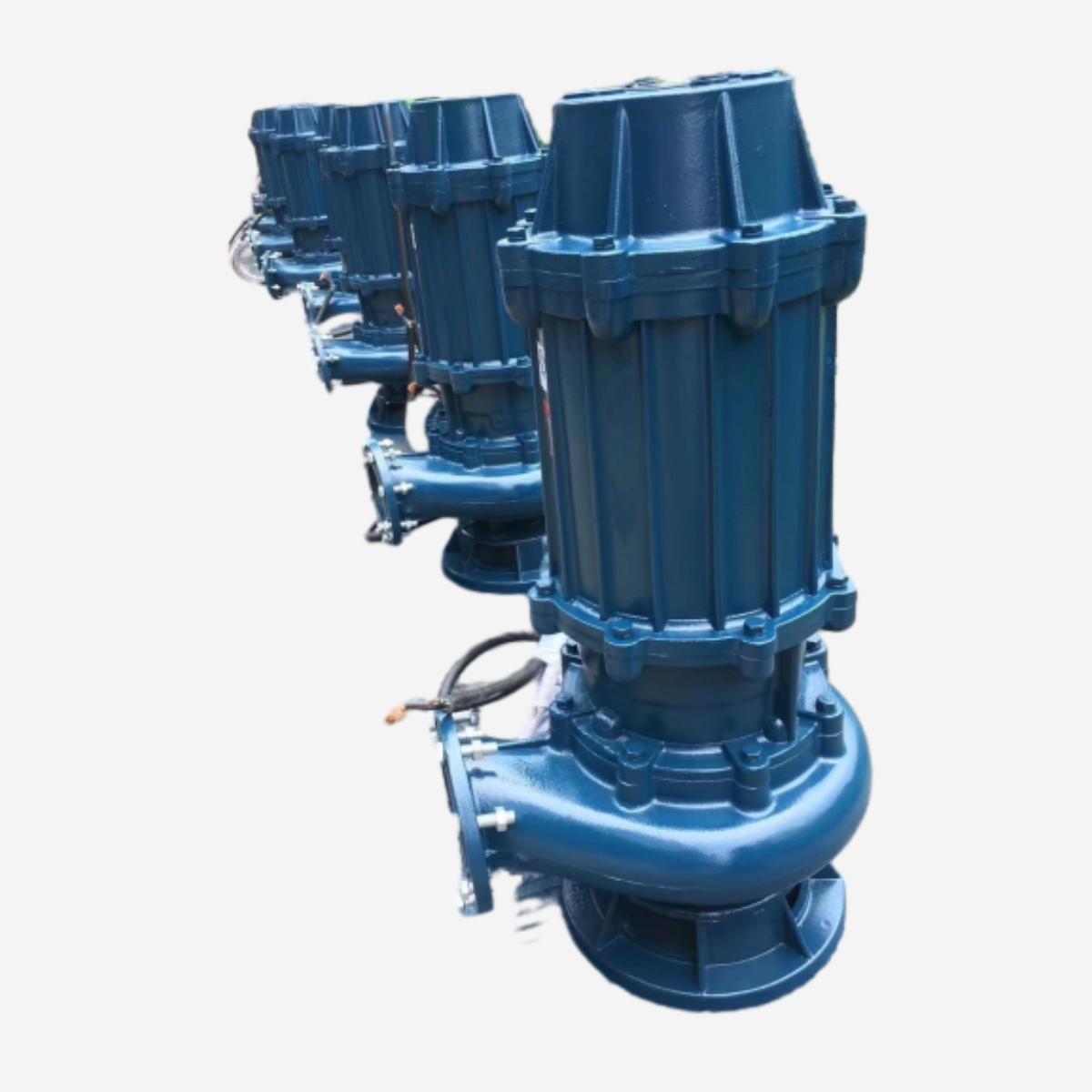
Axial and mixed flow pumps are centrifugal pump designs employed for moving fluids, primarily water, in diverse industrial applications. Both pump types convert rotational energy into kinetic energy of the fluid, subsequently increasing pressure. However, they differ fundamentally in their impeller blade geometry and resulting hydraulic characteristics. Axial flow pumps, characterized by blades resembling an aircraft propeller, excel in moving large volumes of fluid at low heads. Conversely, mixed flow pumps, possessing blades with both axial and radial components, offer a compromise between high flow rates and moderate heads. This guide provides an in-depth comparison of these two pump types, focusing on material science, manufacturing, performance characteristics, failure modes, and relevant industry standards. A crucial pain point in selecting the correct pump lies in accurately predicting system head loss and flow rate requirements. Incorrect pump selection results in inefficiencies, increased energy consumption, and potential system failures, including cavitation and impeller damage. This guide aims to provide engineers and procurement managers with the technical details necessary to mitigate these risks.
Material Science & Manufacturing
The construction of both axial and mixed flow pumps commonly utilizes cast iron (ASTM A48 Class 30), stainless steel (AISI 304/316 – conforming to EN 10083), and various polymer composites for impellers and casings. Cast iron offers cost-effectiveness and good wear resistance, while stainless steel provides superior corrosion resistance, particularly in applications involving saline or chemically treated water. Polymer composites, such as reinforced polypropylene, are increasingly employed for lower-pressure applications due to their lightweight properties and resistance to specific chemicals. Impeller manufacturing typically involves precision casting followed by machining to achieve the required blade profiles. Axial flow impellers necessitate highly accurate blade angles and pitch settings, often achieved through 5-axis CNC milling. Mixed flow impeller manufacturing is slightly less demanding due to the combined axial and radial blade geometry. Casing manufacturing utilizes sand casting, investment casting, or, for smaller pumps, injection molding. Critical parameters during manufacturing include impeller balancing (ISO 1940-1), surface finish (Ra < 0.8 μm to minimize friction losses), and dimensional accuracy (tolerances of ±0.1 mm are typical for impeller blades). Weldments, when utilized in casing construction, must undergo non-destructive testing (NDT) via methods like radiography (ASTM E94) and ultrasonic testing (ASTM E797) to ensure structural integrity and prevent leakage.
Performance & Engineering
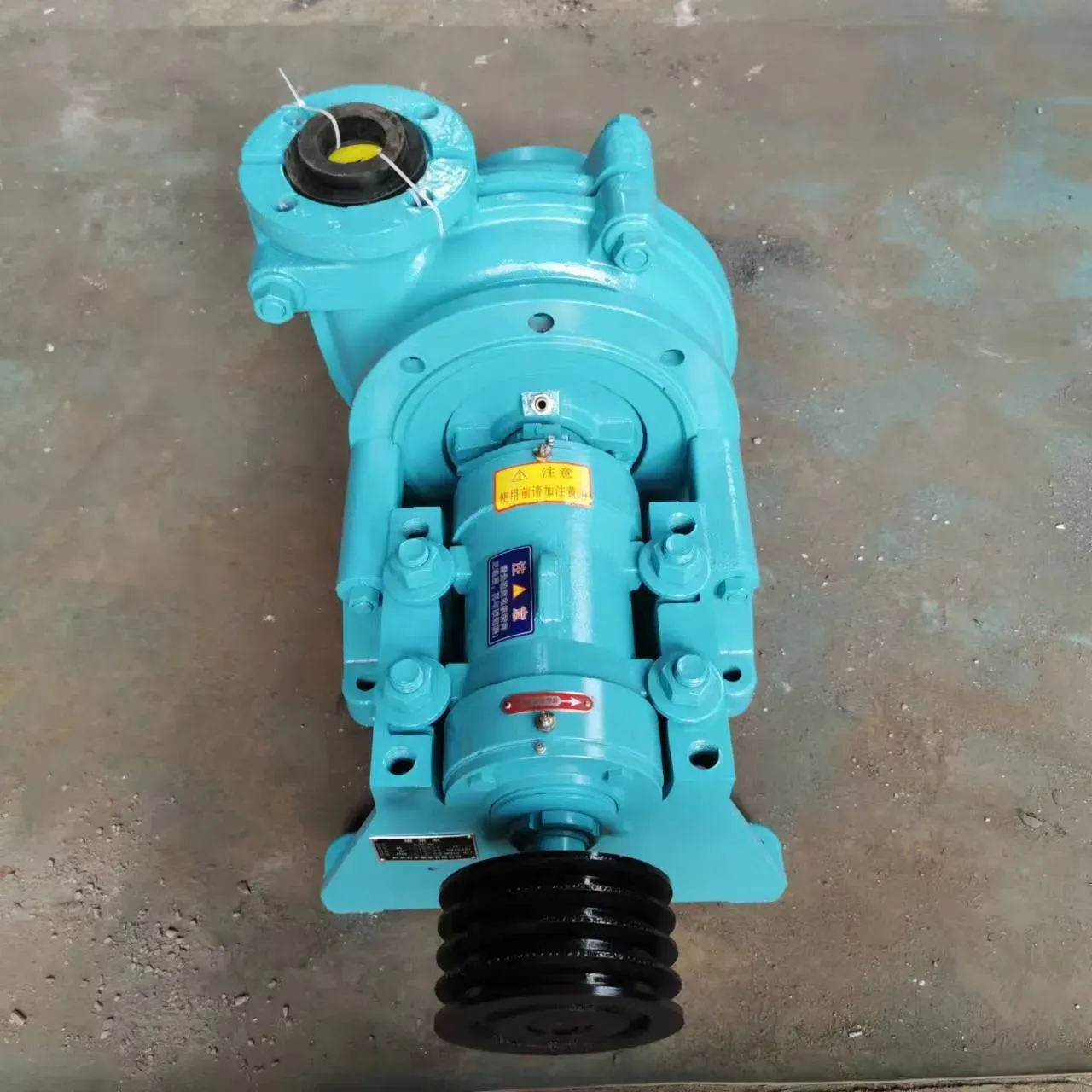
The performance of axial and mixed flow pumps is governed by fundamental fluid dynamics principles. Axial flow pumps are characterized by a high specific speed (Ns), typically exceeding 10,000 US gpm/ft, indicating their suitability for low head, high flow applications. Their head-flow curves are relatively flat, meaning that flow rate is less sensitive to changes in head. Mixed flow pumps exhibit intermediate specific speeds (between 4,000 and 10,000 US gpm/ft), offering a balance between head and flow. Their head-flow curves are steeper than axial pumps, implying a greater sensitivity to head variations. Force analysis focuses on impeller loading, shaft bending moments, and bearing forces. Cavitation, a critical concern in pump operation, occurs when the absolute pressure at the impeller inlet falls below the vapor pressure of the fluid. This results in vapor bubble formation and subsequent collapse, causing erosion and noise. Net Positive Suction Head Required (NPSHr) is a crucial parameter in preventing cavitation and must be less than the Net Positive Suction Head Available (NPSHa) in the system. Environmental resistance considerations include corrosion from water chemistry, erosion from suspended solids, and temperature effects on fluid viscosity. Compliance requirements vary depending on the application. Potable water systems must comply with NSF/ANSI 61 standards, ensuring that materials do not leach harmful contaminants. Pump efficiency is paramount; calculations adhering to ISO 9906 provide a standardized methodology for assessing performance.
Technical Specifications
| Parameter | Axial Flow Pump | Mixed Flow Pump | Typical Application |
|---|---|---|---|
| Specific Speed (Ns) | > 10,000 US gpm/ft | 4,000 - 10,000 US gpm/ft | Low Head, High Flow |
| Head Range | 2 - 20 meters | 10 - 40 meters | Irrigation, Drainage |
| Flow Rate | 100 - 10,000 m³/hr | 50 - 5,000 m³/hr | Cooling Water, Wastewater |
| Efficiency (Typical) | 70 - 85% | 75 - 90% | Variable depending on operating point |
| Impeller Diameter | 0.5 - 3 meters | 0.3 - 2 meters | Influences pump size and speed |
| NPSHr | Relatively Low | Moderate | System design critical for both |
Failure Mode & Maintenance
Common failure modes in axial flow pumps include impeller cavitation erosion (resulting from insufficient NPSHa), blade fatigue cracking (due to cyclical loading and stress concentrations), and bearing failures (caused by inadequate lubrication or contamination). Mixed flow pumps are susceptible to similar failures, with the added risk of casing corrosion, particularly if the pump is handling aggressive fluids. Fatigue cracking can be mitigated through regular stress inspections utilizing dye penetrant testing (ASTM E165) or ultrasonic testing. Delamination of impeller blades, particularly in composite materials, can occur due to moisture ingress or manufacturing defects; visual inspection and tap testing are essential preventative measures. Degradation of elastomer seals and O-rings leads to leakage; scheduled replacement based on operating hours and fluid compatibility is recommended. Oxidation of metallic components can occur in oxygen-rich environments; protective coatings, such as epoxy or zinc-rich primers, can minimize corrosion. Maintenance solutions involve regular lubrication of bearings (following manufacturer's specifications – ISO 287), impeller balancing (to reduce vibration), and monitoring of vibration levels (using ISO 10816) to detect early signs of bearing wear or impeller damage. Routine inspections of the pump casing for corrosion and erosion are crucial. Periodic performance testing (comparing measured performance against original design data) helps identify deviations and potential issues.
Industry FAQ
Q: What are the primary considerations when selecting between an axial and mixed flow pump for a large-scale irrigation project?
A: For large-scale irrigation, the determining factor is often the total dynamic head (TDH) required. If the TDH is relatively low (under 10 meters) and high flow rates are needed, an axial flow pump is generally preferred due to its higher efficiency at low heads. However, if the terrain is varied and the TDH is moderate (10-25 meters), a mixed flow pump provides a better balance of head and flow, and potentially higher overall efficiency within that operational range. Furthermore, consider the potential for future expansion; a mixed flow pump may offer greater flexibility if future head requirements are anticipated to increase.
Q: How does the type of fluid being pumped influence the material selection for the pump casing and impeller?
A: The fluid’s chemical composition, temperature, and presence of abrasive particles significantly impact material selection. For clean freshwater, cast iron is often sufficient. However, for saline water or fluids containing corrosive chemicals, stainless steel (316) is essential. If the fluid contains abrasive solids (e.g., wastewater with sand), hard-facing alloys or ceramic coatings may be necessary to protect the impeller from erosion. Temperature extremes also dictate material choice; high temperatures may necessitate the use of specialized alloys with improved creep resistance.
Q: What are the key indicators of impending cavitation, and how can it be addressed?
A: Key indicators include a noticeable drop in pump performance (flow rate and head), increased noise (a rattling or grinding sound), and vibration. Visual inspection may reveal pitting or erosion on the impeller blades. To address cavitation, ensure that the NPSHa in the system exceeds the NPSHr of the pump. This can be achieved by increasing the suction tank level, reducing suction pipe losses (e.g., using larger diameter pipes or minimizing bends), or lowering the pump speed. Regular monitoring of suction pressure is critical.
Q: What preventative maintenance practices are critical for extending the lifespan of axial flow pump bearings?
A: Regular lubrication is paramount. Follow the pump manufacturer’s recommendations for lubricant type and frequency. Implement a vibration monitoring program (ISO 10816) to detect early signs of bearing wear. Protect bearings from contamination by ensuring proper sealing and filtration. Regularly inspect bearing housings for signs of corrosion or damage. Periodically analyze used lubricant samples to identify the presence of wear particles or contaminants.
Q: How do efficiency standards (e.g., ISO 9906) impact the total cost of ownership for these pump types?
A: ISO 9906 provides a standardized methodology for pump efficiency testing and classification. Pumps meeting higher efficiency grades consume less energy, resulting in lower operating costs over the pump’s lifespan. While higher-efficiency pumps typically have a higher initial cost, the long-term energy savings often outweigh the upfront investment. Life cycle cost analysis (LCCA), incorporating initial cost, energy consumption, maintenance costs, and expected lifespan, is crucial for making informed purchasing decisions.
Conclusion
The selection between axial and mixed flow pumps hinges on a detailed understanding of system requirements, specifically head and flow rate. Axial flow pumps excel in low-head, high-flow applications, while mixed flow pumps offer a compromise for moderate head and flow conditions. Careful consideration of material science, encompassing corrosion resistance and erosion prevention, is crucial for long-term reliability. Adherence to relevant industry standards (ISO, ASTM) throughout manufacturing, testing, and maintenance ensures optimal performance and minimizes the risk of premature failure.
Proactive maintenance, including regular inspections, lubrication, and vibration monitoring, is essential for maximizing pump lifespan and minimizing downtime. Future trends point towards the increased use of variable frequency drives (VFDs) to optimize pump performance and energy efficiency. Ultimately, a comprehensive technical assessment, integrating hydraulic analysis, material selection, and adherence to industry best practices, is paramount for making informed decisions and achieving sustainable pump system operation.
-
Precision at the Pump: How Better Machining Protects Flow and Uptime
News2026-11-20
-
Why Pump Reliability Begins Before the First Drop of Fluid
News2026-11-20
-
Beyond the Pump: Designing Safer Access Around Critical Water Infrastructure
News2026-11-20
-
Why Pumping Stations Depend on the Infrastructure Beneath the Pumps
News2026-11-20
-
Beyond the Pump Room: How Smarter Loading Protects Industrial Equipment
News2026-11-19
-
When Pumps Stop: Designing More Resilient Power for Critical Pumping Systems
News2026-11-19
-
The Hidden Role of Dust and Gas Monitoring in Reliable Pump Operations
News2026-11-19
-
The Hidden Role of Mineral Compounds in Extending Industrial Pump Lifespan
News2026-10-12
-
Why Pump System Reliability Depends on Precision Hose Assembly Methods
News2026-09-15
-
How Advanced Imaging Films Are Transforming Pump Component Quality Control
News2026-08-25
-
How Advanced Filtration Protects Pump Systems from Premature Wear and Costly Downtime
News2026-08-25
-
How Steel Material Selection Drives Pump Reliability in Heavy-Duty Systems
News2026-08-25
-
Ensuring Pump System Efficiency: The Role of High-Quality Pipe Fittings and Tubing
News2026-08-24
-
Optimizing Fluid Dynamics and Material Consistency in Industrial Processing
News2026-08-18
-
Innovations and Challenges in Hydraulic Systems for Heavy Machinery
News2026-08-13




