English
- Afrikaans
- Albanian
- Amharic
- Arabic
- Armenian
- Azerbaijani
- Basque
- Belarusian
- Bengali
- Bosnian
- Bulgarian
- Catalan
- Cebuano
- Corsican
- Croatian
- Czech
- Danish
- Dutch
- English
- Esperanto
- Estonian
- Finnish
- French
- Frisian
- Galician
- Georgian
- German
- Greek
- Gujarati
- Haitian Creole
- hausa
- hawaiian
- Hebrew
- Hindi
- Miao
- Hungarian
- Icelandic
- igbo
- Indonesian
- irish
- Italian
- Japanese
- Javanese
- Kannada
- kazakh
- Khmer
- Rwandese
- Korean
- Kurdish
- Kyrgyz
- Lao
- Latin
- Latvian
- Lithuanian
- Luxembourgish
- Macedonian
- Malgashi
- Malay
- Malayalam
- Maltese
- Maori
- Marathi
- Mongolian
- Myanmar
- Nepali
- Norwegian
- Norwegian
- Occitan
- Pashto
- Persian
- Polish
- Portuguese
- Punjabi
- Romanian
- Russian
- Samoan
- Scottish Gaelic
- Serbian
- Sesotho
- Shona
- Sindhi
- Sinhala
- Slovak
- Slovenian
- Somali
- Spanish
- Sundanese
- Swahili
- Swedish
- Tagalog
- Tajik
- Tamil
- Tatar
- Telugu
- Thai
- Turkish
- Turkmen
- Ukrainian
- Urdu
- Uighur
- Uzbek
- Vietnamese
- Welsh
- Bantu
- Yiddish
- Yoruba
- Zulu

Telephone: +86 13120555503
Email: frank@cypump.com


Apr . 01, 2024 17:55 Back to list
automatic submersible sewage pump Performance Analysis
Introduction
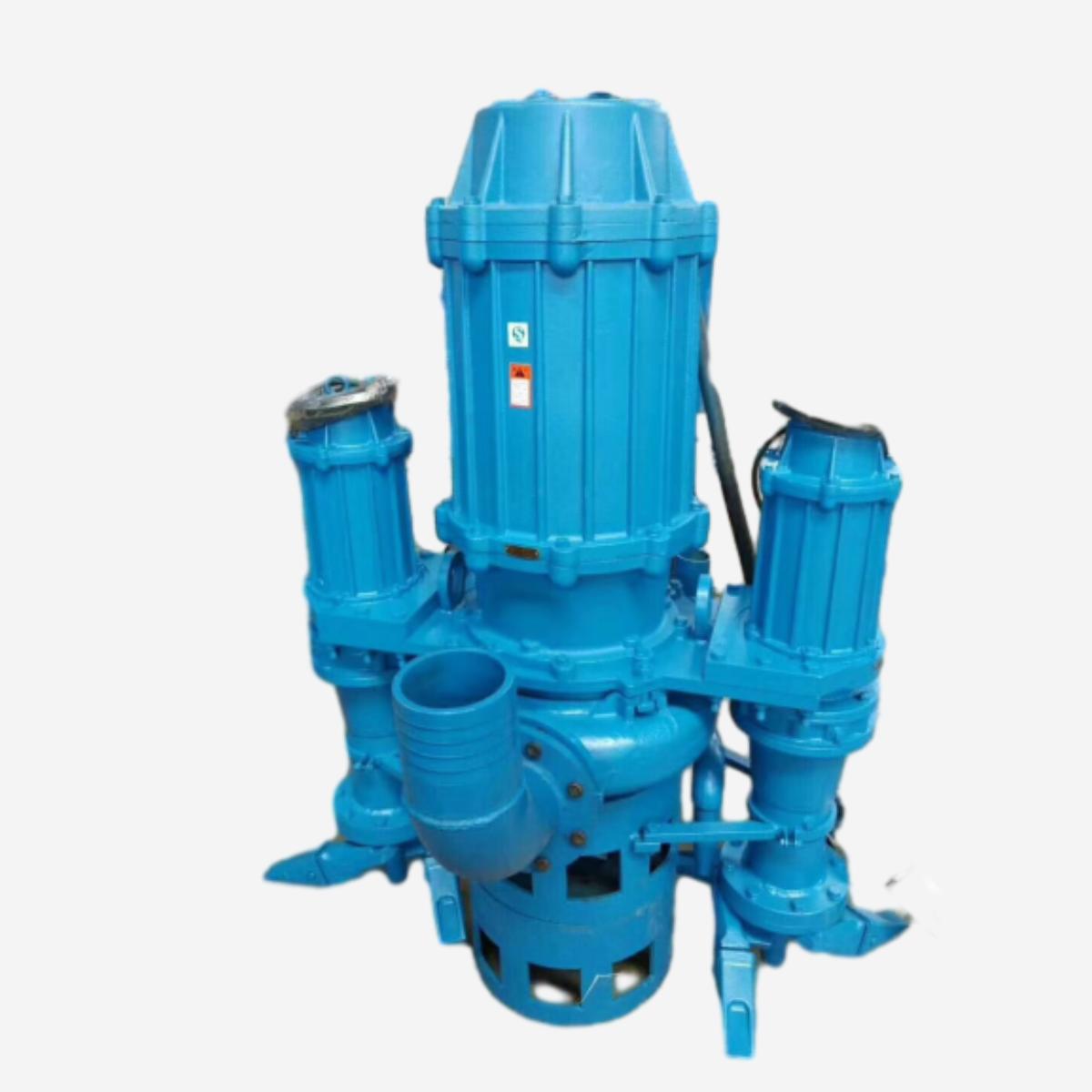
Automatic submersible sewage pumps are centrifugal pumps designed for efficient and reliable removal of wastewater, solids, and sludge. Positioned within the municipal and industrial wastewater treatment chain, these pumps serve as a critical component in collection systems, treatment plants, and flood control applications. Unlike surface-mounted pumps, submersible designs offer several advantages including reduced noise, elimination of priming issues, and increased efficiency due to gravity-fed operation. Core performance metrics revolve around hydraulic efficiency (volume of fluid moved per unit of energy), solids handling capability (maximum particle size), and longevity in corrosive environments. The industry currently faces challenges related to increasing solids content in wastewater, demanding pumps with enhanced abrasion resistance and clog-free designs. Furthermore, energy efficiency and reduced lifecycle costs are paramount concerns driving innovation in motor technology and pump hydraulics.
Material Science & Manufacturing
The construction of an automatic submersible sewage pump necessitates careful material selection to withstand harsh operating conditions. Pump casings are commonly manufactured from cast iron (ASTM A48 Class 30) due to its cost-effectiveness and rigidity, although ductile iron (ASTM A536-89) is increasingly favored for its superior impact resistance and tensile strength. Impellers, responsible for imparting kinetic energy to the fluid, are typically constructed from high-chrome cast iron or stainless steel (304/316) to resist abrasion from suspended solids. Shafts utilize alloy steel (4140) hardened and tempered for torsional strength and fatigue resistance. Seals are a crucial component, employing materials such as silicon carbide against silicon carbide seal faces to provide a robust barrier against fluid leakage and ingress of abrasive particles. Manufacturing processes involve several key steps: sand casting for the casing and impeller, precision machining for the shaft and impeller balancing, and automated welding for joining components. Critical parameters during casting include mold temperature, pouring rate, and cooling rate to minimize porosity and ensure dimensional accuracy. Welding procedures require strict control of heat input and shielding gas composition to prevent oxidation and maintain the integrity of the weld. Post-manufacturing, pumps undergo rigorous hydrostatic testing to verify pressure tightness and dynamic balancing to minimize vibration and noise.
Performance & Engineering
Performance analysis of automatic submersible sewage pumps focuses on hydraulic efficiency, head-capacity curves, and motor power requirements. Force analysis considers hydrostatic pressure, dynamic pressure from fluid flow, and mechanical stresses induced by impeller rotation and bearing loads. The pump's head (the height to which it can lift the fluid) is inversely proportional to the flow rate. Engineers utilize computational fluid dynamics (CFD) to optimize impeller geometry and casing design for maximizing hydraulic efficiency and minimizing cavitation. Environmental resistance is paramount; pumps must withstand continuous submersion in corrosive wastewater containing sulfates, chlorides, and organic compounds. The motor housing is typically sealed to IP68 standards, providing complete protection against ingress of water and dust. Compliance requirements vary by region but often include adherence to NEMA standards for motor performance and safety, and EPA guidelines for wastewater discharge. Functional implementation involves automatic control systems utilizing float switches or level sensors to initiate pump operation when a pre-defined liquid level is reached, and to stop the pump when the level drops. Variable Frequency Drives (VFDs) are frequently employed to adjust pump speed and optimize energy consumption based on real-time demand.
Technical Specifications
| Parameter | Unit | Typical Value (Small Pump) | Typical Value (Large Pump) |
|---|---|---|---|
| Flow Rate | m³/h | 5 - 20 | 100 - 500 |
| Total Head | m | 5 - 15 | 30 - 60 |
| Motor Power | kW | 0.75 - 2.2 | 15 - 75 |
| Solids Handling | mm | Up to 25 | Up to 75 |
| Impeller Diameter | mm | 150 - 250 | 400 - 800 |
| Maximum Submergence | m | Up to 20 | Up to 40 |
Failure Mode & Maintenance
Automatic submersible sewage pumps are susceptible to several failure modes. Fatigue cracking in the impeller or casing can occur due to repeated stress cycles from fluid flow and vibration. Delamination of the epoxy coating on the motor windings can lead to short circuits and motor failure. Degradation of the seals results in leakage and reduced pump efficiency. Oxidation and corrosion of metallic components, particularly in aggressive wastewater environments, weakens structural integrity. Abrasion from suspended solids causes wear on the impeller and casing, reducing pump performance. Common maintenance procedures include regular inspection of the seals for wear and leakage, monitoring motor winding insulation resistance to detect degradation, and cleaning the impeller to remove accumulated debris. Lubrication of bearings is crucial for preventing premature failure. Periodic testing of the pump's electrical system is necessary to ensure proper operation and safety. For severe failures, complete pump disassembly and component replacement may be required. Preventative maintenance programs, including scheduled inspections and component replacements, significantly extend pump lifespan and minimize downtime.
Industry FAQ
Q: What is the impact of wastewater composition on pump material selection?
A: Wastewater composition dictates material selection. High sulfide content necessitates stainless steel or specialized alloys resistant to sulfide stress cracking. Abrasive solids require wear-resistant materials like high-chrome cast iron or hardened stainless steel. Corrosive chemicals demand materials with high chemical resistance, such as epoxy-coated cast iron or duplex stainless steel.
Q: How does impeller design affect pump efficiency and solids handling capability?
A: Impeller design is critical. Closed impellers offer higher efficiency for clean fluids, while open or semi-open impellers are better suited for handling solids. Vane angle and number influence head and flow rate. Backswept vanes reduce radial thrust and improve stability. The impeller's wear resistance directly impacts solids handling capability.
Q: What are the key considerations when selecting a motor for a submersible sewage pump?
A: Motor selection hinges on power requirements, voltage compatibility, and environmental conditions. Submersible motors must be fully sealed and cooled by the surrounding fluid. Insulation class (e.g., Class H) determines the motor’s temperature resistance. Efficiency and power factor impact energy consumption. Starting torque is essential for handling high inertia loads.
Q: What are the advantages of using VFDs with submersible sewage pumps?
A: VFDs enable precise control of pump speed, optimizing energy consumption by matching flow rate to demand. They reduce mechanical stress on the pump and piping system by minimizing water hammer effects. VFDs also allow for soft starting and stopping, extending pump lifespan.
Q: What are the common causes of pump overheating and how can they be prevented?
A: Common causes include insufficient cooling (due to low flow or debris blockage), motor winding insulation failure, and overloaded operation. Prevention involves regular impeller cleaning, monitoring motor temperature, ensuring adequate ventilation, and avoiding operation beyond the pump's design limits.
Conclusion
Automatic submersible sewage pumps represent a cornerstone technology in wastewater management, demanding meticulous attention to material science, manufacturing precision, and performance engineering. The selection and application of these pumps necessitate a deep understanding of hydraulic principles, corrosion mechanisms, and regulatory compliance standards. Continued advancements in motor technology, impeller design, and control systems are driving improvements in efficiency, reliability, and lifecycle cost reduction.
Future development will likely focus on smart pump technologies incorporating predictive maintenance capabilities, remote monitoring, and data analytics to optimize pump operation and minimize downtime. Addressing the challenges of increasing solids content and stringent environmental regulations will further propel innovation in pump materials and design. A holistic approach encompassing proper pump selection, installation, and preventative maintenance remains crucial for maximizing the long-term performance and sustainability of these essential systems.
-
Precision at the Pump: How Better Machining Protects Flow and Uptime
News2026-11-20
-
Why Pump Reliability Begins Before the First Drop of Fluid
News2026-11-20
-
Beyond the Pump: Designing Safer Access Around Critical Water Infrastructure
News2026-11-20
-
Why Pumping Stations Depend on the Infrastructure Beneath the Pumps
News2026-11-20
-
Beyond the Pump Room: How Smarter Loading Protects Industrial Equipment
News2026-11-19
-
When Pumps Stop: Designing More Resilient Power for Critical Pumping Systems
News2026-11-19
-
The Hidden Role of Dust and Gas Monitoring in Reliable Pump Operations
News2026-11-19
-
The Hidden Role of Mineral Compounds in Extending Industrial Pump Lifespan
News2026-10-12
-
Why Pump System Reliability Depends on Precision Hose Assembly Methods
News2026-09-15
-
How Advanced Imaging Films Are Transforming Pump Component Quality Control
News2026-08-25
-
How Advanced Filtration Protects Pump Systems from Premature Wear and Costly Downtime
News2026-08-25
-
How Steel Material Selection Drives Pump Reliability in Heavy-Duty Systems
News2026-08-25
-
Ensuring Pump System Efficiency: The Role of High-Quality Pipe Fittings and Tubing
News2026-08-24
-
Optimizing Fluid Dynamics and Material Consistency in Industrial Processing
News2026-08-18
-
Innovations and Challenges in Hydraulic Systems for Heavy Machinery
News2026-08-13




