English
- Afrikaans
- Albanian
- Amharic
- Arabic
- Armenian
- Azerbaijani
- Basque
- Belarusian
- Bengali
- Bosnian
- Bulgarian
- Catalan
- Cebuano
- Corsican
- Croatian
- Czech
- Danish
- Dutch
- English
- Esperanto
- Estonian
- Finnish
- French
- Frisian
- Galician
- Georgian
- German
- Greek
- Gujarati
- Haitian Creole
- hausa
- hawaiian
- Hebrew
- Hindi
- Miao
- Hungarian
- Icelandic
- igbo
- Indonesian
- irish
- Italian
- Japanese
- Javanese
- Kannada
- kazakh
- Khmer
- Rwandese
- Korean
- Kurdish
- Kyrgyz
- Lao
- Latin
- Latvian
- Lithuanian
- Luxembourgish
- Macedonian
- Malgashi
- Malay
- Malayalam
- Maltese
- Maori
- Marathi
- Mongolian
- Myanmar
- Nepali
- Norwegian
- Norwegian
- Occitan
- Pashto
- Persian
- Polish
- Portuguese
- Punjabi
- Romanian
- Russian
- Samoan
- Scottish Gaelic
- Serbian
- Sesotho
- Shona
- Sindhi
- Sinhala
- Slovak
- Slovenian
- Somali
- Spanish
- Sundanese
- Swahili
- Swedish
- Tagalog
- Tajik
- Tamil
- Tatar
- Telugu
- Thai
- Turkish
- Turkmen
- Ukrainian
- Urdu
- Uighur
- Uzbek
- Vietnamese
- Welsh
- Bantu
- Yiddish
- Yoruba
- Zulu

Telephone: +86 13120555503
Email: frank@cypump.com


Apr . 01, 2024 17:55 Back to list
Atlantic Slurry Pump bulk purchase option for largescale atlantic slurry pump ... Performance Analys
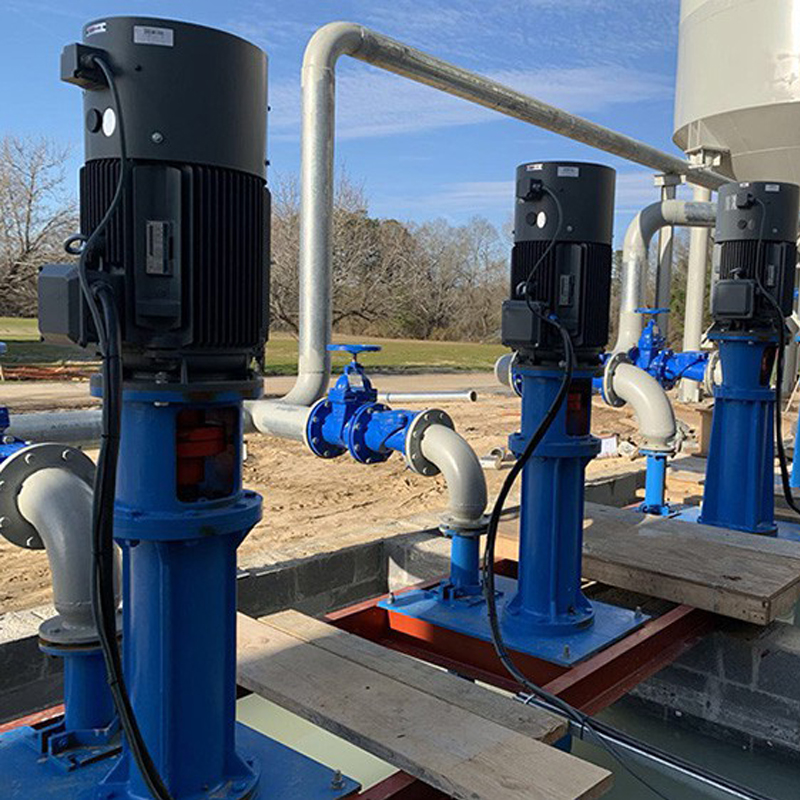
Introduction
Atlantic slurry pumps are critical components in numerous industrial processes involving the transport of abrasive or corrosive fluids. These pumps, typically centrifugal in design, are utilized extensively in mining, wastewater treatment, chemical processing, and dredging operations. A bulk purchase option for large-scale deployment represents a significant capital investment; thus, a comprehensive understanding of their technical characteristics, material selection, operational parameters, and long-term maintenance requirements is paramount. This guide provides a detailed analysis specifically geared towards procurement managers and engineers considering a large-volume acquisition of Atlantic slurry pumps, focusing on optimizing performance, minimizing lifecycle costs, and ensuring compliance with relevant industry standards. The economic viability of a bulk purchase hinges on accurate demand forecasting, reliable supply chain logistics, and a thorough assessment of total cost of ownership – extending beyond the initial purchase price to encompass installation, operation, maintenance, and eventual decommissioning.
Material Science & Manufacturing
Atlantic slurry pumps are constructed from a variety of materials dictated by the slurry composition and operating environment. Common materials include high-chromium cast irons (for abrasive slurries), stainless steels (304, 316, duplex) for corrosive resistance, and specialized alloys (Hastelloy, Inconel) for highly aggressive applications. Pump housings are generally manufactured using sand casting, investment casting, or centrifugal casting, each offering distinct advantages regarding complexity, surface finish, and material properties. Impellers are frequently produced via the same casting methods, or alternatively, through forging and machining for enhanced strength and durability. Shafts typically utilize alloy steels subjected to heat treatment to achieve required tensile strength and fatigue resistance. Seals are a critical component and are typically mechanical seals utilizing materials like silicon carbide or tungsten carbide faces with various elastomer O-rings (Viton, EPDM) based on chemical compatibility. Manufacturing parameter control is vital; for instance, in casting, precise control of cooling rates affects microstructure and hardness. Welding procedures (SMAW, GTAW, GMAW) require strict adherence to AWS D1.1 standards for structural steel welding to prevent defects like porosity and cracking. Non-destructive testing (NDT) – including radiographic inspection, ultrasonic testing, and liquid penetrant examination – is routinely employed to verify weld integrity and material soundness.
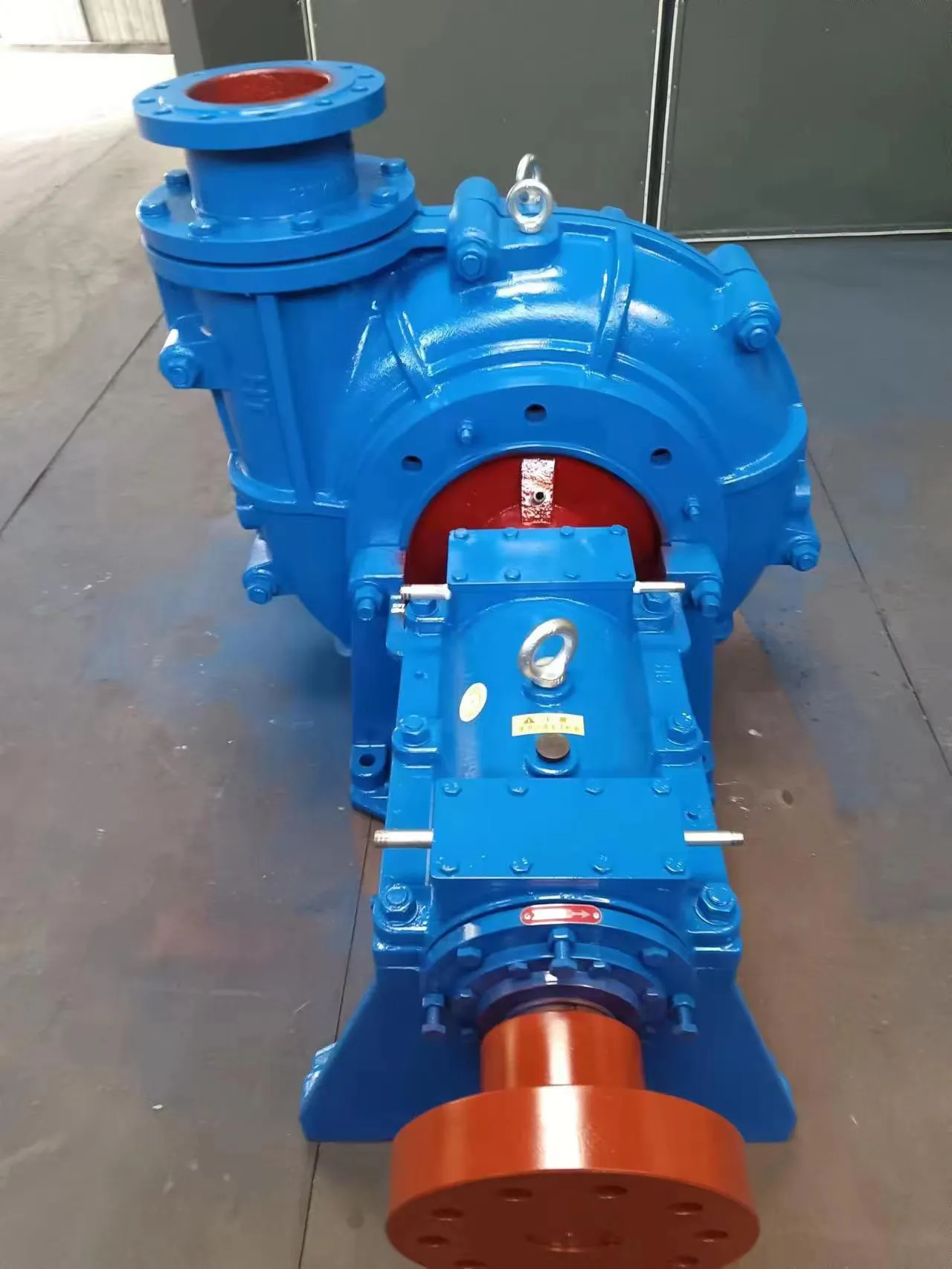
Performance & Engineering
Slurry pump performance is characterized by flow rate (Q), head (H), and power consumption (P), which are inter-related via the pump curve. Engineering considerations encompass hydraulic design (impeller geometry, volute casing design) to maximize efficiency and minimize erosion. Force analysis is crucial, especially regarding radial loads on the impeller and shaft, which necessitate robust bearing selection (ball bearings, roller bearings, hydrodynamic bearings) and shaft support structures. Environmental resistance is also paramount. Pumps operating in harsh climates require appropriate coatings (epoxy, polyurethane) to prevent corrosion and degradation. Compliance requirements vary by region and application. For example, pumps used in potable water treatment must meet NSF/ANSI 61 standards for lead content and material leachability. In explosive atmospheres, pumps must comply with ATEX or IECEx standards regarding electrical safety. Cavitation, a common failure mode, must be avoided through proper Net Positive Suction Head Available (NPSHa) calculations and pump selection. Pump performance is also impacted by slurry characteristics such as solids concentration, particle size distribution, and slurry viscosity. Understanding these parameters is essential for proper pump sizing and operational optimization.
Technical Specifications
| Parameter | Unit | Typical Range (Atlantic Pump Model X300) | Notes |
|---|---|---|---|
| Flow Rate | m³/hr | 50 - 300 | Varies with impeller diameter and speed |
| Total Dynamic Head | m | 10 - 50 | Dependent on slurry density and pipe friction losses |
| Power Consumption | kW | 5.5 - 37 | Affected by flow rate, head, and pump efficiency |
| Maximum Solids Size | mm | Up to 75 | Depends on impeller design |
| Slurry Concentration (Max) | % w/w | Up to 60 | Higher concentrations require specialized pump designs |
| Operating Temperature | °C | -20 to 120 | Material selection dictates temperature limits |
Failure Mode & Maintenance
Common failure modes in Atlantic slurry pumps include impeller erosion, liner wear, seal failure, bearing failure, and shaft deflection. Impeller erosion is typically caused by abrasive particles impacting the impeller vanes at high velocity. Liner wear occurs in the pump housing due to the same abrasive action. Seal failures are often attributed to abrasive particles damaging the seal faces or chemical attack degrading the elastomer components. Bearing failures can result from excessive loading, improper lubrication, or contamination. Shaft deflection is often a consequence of hydraulic imbalances or misalignment. Predictive maintenance strategies, such as vibration analysis, oil analysis, and thermal imaging, are crucial for detecting early signs of failure. Regular inspection of wear liners, impeller vanes, and seals is essential. Lubrication schedules should be strictly adhered to, utilizing appropriate greases or oils. Proper alignment of the pump and motor is critical to prevent shaft stress and bearing wear. For catastrophic failures, root cause analysis (RCA) should be conducted to identify the underlying causes and implement corrective actions. Proper storage of spare parts is essential to minimize downtime during repairs.
Industry FAQ
Q: What is the expected lifespan of an Atlantic slurry pump impeller operating with a highly abrasive silica slurry?
A: The lifespan of an impeller handling a highly abrasive silica slurry is highly variable, dependent on slurry concentration, particle size, flow velocity, and the impeller material. Using a high-chromium cast iron impeller, one can typically expect a lifespan of 6 to 18 months. However, regular inspections and replacement of wear liners can extend this duration. Frequent monitoring of pump performance and impeller weight loss is recommended to proactively schedule replacements.
Q: How does the choice of mechanical seal affect pump reliability when handling corrosive slurries?
A: The mechanical seal is a critical component in corrosive slurry applications. Selecting a seal with compatible materials is paramount. Silicon carbide vs. tungsten carbide seal faces offer superior corrosion resistance compared to standard materials. The O-ring material (Viton, EPDM, PTFE) must also be chemically compatible with the slurry. Dual seal arrangements with a barrier fluid system can further enhance reliability by preventing slurry ingress and providing lubrication.
Q: What preventative maintenance steps can be taken to minimize bearing failures in large Atlantic slurry pumps?
A: Proper lubrication is the most critical preventative measure. Utilize a high-quality grease designed for heavy-duty applications, following the manufacturer’s recommended schedule. Monitor bearing temperature regularly using thermal imaging. Ensure proper alignment between the pump and motor, and periodically check for bearing play or excessive vibration. Implement a filtration system to remove contaminants from the lubricant.
Q: What are the implications of operating an Atlantic slurry pump outside of its recommended NPSHa range?
A: Operating outside the recommended NPSHa range can lead to cavitation, a phenomenon where vapor bubbles form and collapse within the pump impeller. Cavitation causes significant erosion damage to the impeller, reduces pump efficiency, and generates noise and vibration. It's crucial to accurately calculate NPSHa and ensure it exceeds the pump's NPSHr (Net Positive Suction Head Required) by a sufficient margin.
Q: For a bulk purchase, what are the key logistical considerations regarding spare parts inventory?
A: A comprehensive spare parts inventory is crucial for minimizing downtime. Recommended spares include impellers, wear liners, mechanical seals, bearings, O-rings, gaskets, and critical fasteners. The inventory level should be based on pump criticality, lead times for replacement parts, and the potential for catastrophic failures. Consider implementing a consignment inventory agreement with the pump supplier to optimize stock levels and reduce carrying costs.
Conclusion
The selection and procurement of large-scale Atlantic slurry pump deployments require a detailed understanding of material science, hydraulic engineering, and operational best practices. A successful bulk purchase is not solely dependent on securing a favorable price point but necessitates a holistic lifecycle cost assessment. Consideration must be given to material compatibility with the processed slurry, maintenance requirements, and adherence to relevant industry safety and environmental regulations.
Optimizing pump performance, minimizing downtime through proactive maintenance, and ensuring long-term reliability are paramount for maximizing the return on investment. Implementing predictive maintenance strategies, maintaining a robust spare parts inventory, and fostering a collaborative relationship with the pump supplier are critical for achieving sustainable operational efficiency.
-
Precision at the Pump: How Better Machining Protects Flow and Uptime
News2026-11-20
-
Why Pump Reliability Begins Before the First Drop of Fluid
News2026-11-20
-
Beyond the Pump: Designing Safer Access Around Critical Water Infrastructure
News2026-11-20
-
Why Pumping Stations Depend on the Infrastructure Beneath the Pumps
News2026-11-20
-
Beyond the Pump Room: How Smarter Loading Protects Industrial Equipment
News2026-11-19
-
When Pumps Stop: Designing More Resilient Power for Critical Pumping Systems
News2026-11-19
-
The Hidden Role of Dust and Gas Monitoring in Reliable Pump Operations
News2026-11-19
-
The Hidden Role of Mineral Compounds in Extending Industrial Pump Lifespan
News2026-10-12
-
Why Pump System Reliability Depends on Precision Hose Assembly Methods
News2026-09-15
-
How Advanced Imaging Films Are Transforming Pump Component Quality Control
News2026-08-25
-
How Advanced Filtration Protects Pump Systems from Premature Wear and Costly Downtime
News2026-08-25
-
How Steel Material Selection Drives Pump Reliability in Heavy-Duty Systems
News2026-08-25
-
Ensuring Pump System Efficiency: The Role of High-Quality Pipe Fittings and Tubing
News2026-08-24
-
Optimizing Fluid Dynamics and Material Consistency in Industrial Processing
News2026-08-18
-
Innovations and Challenges in Hydraulic Systems for Heavy Machinery
News2026-08-13




