English
- Afrikaans
- Albanian
- Amharic
- Arabic
- Armenian
- Azerbaijani
- Basque
- Belarusian
- Bengali
- Bosnian
- Bulgarian
- Catalan
- Cebuano
- Corsican
- Croatian
- Czech
- Danish
- Dutch
- English
- Esperanto
- Estonian
- Finnish
- French
- Frisian
- Galician
- Georgian
- German
- Greek
- Gujarati
- Haitian Creole
- hausa
- hawaiian
- Hebrew
- Hindi
- Miao
- Hungarian
- Icelandic
- igbo
- Indonesian
- irish
- Italian
- Japanese
- Javanese
- Kannada
- kazakh
- Khmer
- Rwandese
- Korean
- Kurdish
- Kyrgyz
- Lao
- Latin
- Latvian
- Lithuanian
- Luxembourgish
- Macedonian
- Malgashi
- Malay
- Malayalam
- Maltese
- Maori
- Marathi
- Mongolian
- Myanmar
- Nepali
- Norwegian
- Norwegian
- Occitan
- Pashto
- Persian
- Polish
- Portuguese
- Punjabi
- Romanian
- Russian
- Samoan
- Scottish Gaelic
- Serbian
- Sesotho
- Shona
- Sindhi
- Sinhala
- Slovak
- Slovenian
- Somali
- Spanish
- Sundanese
- Swahili
- Swedish
- Tagalog
- Tajik
- Tamil
- Tatar
- Telugu
- Thai
- Turkish
- Turkmen
- Ukrainian
- Urdu
- Uighur
- Uzbek
- Vietnamese
- Welsh
- Bantu
- Yiddish
- Yoruba
- Zulu

Telephone: +86 13120555503
Email: frank@cypump.com


Apr . 01, 2024 17:55 Back to list
AH Slurry Pumps leading suppliers of ah slurry pumps for efficient mining and Material Science
Introduction
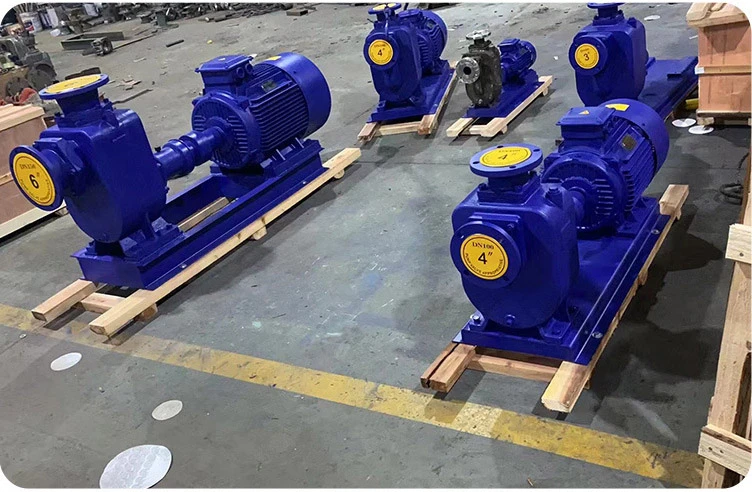
AH slurry pumps, designated for handling abrasive and high-solids content slurries, represent a critical component in mineral processing, dredging, and wastewater treatment. Leading suppliers focus on providing robust, efficient, and long-lasting pumps capable of operating in demanding environments. These pumps are distinct from centrifugal pumps designed for clean fluids, utilizing heavier designs, specialized impeller geometries, and wear-resistant materials to mitigate erosion and maintain performance. The industry faces significant challenges relating to slurry composition variability, abrasive wear, and maintaining high hydraulic efficiency. The technical position of these pumps within the broader mining industry chain lies immediately downstream of extraction and crushing processes, facilitating the movement of ore slurries to refining and tailings disposal. Core performance characteristics include flow rate (m³/hr), head (meters), solids handling capacity (by weight and size), and pump efficiency (%). Failure to meet these requirements results in production bottlenecks and increased operational costs. Selecting the appropriate pump necessitates a thorough understanding of the slurry’s characteristics – particle size distribution, solid concentration, pH, and abrasive index.
Material Science & Manufacturing
The construction of AH slurry pumps prioritizes material selection based on resistance to abrasion, corrosion, and impact. Common materials include high-chromium cast irons (typically 15-30% Cr) offering excellent abrasion resistance, though limited corrosion resistance. For more corrosive environments, duplex stainless steels (e.g., 2205, 2507) and super-duplex stainless steels provide superior performance. Rubber linings, often incorporating natural rubber or synthetic elastomers, are employed to protect pump casings from erosion and provide noise dampening. Impellers are frequently manufactured from specialized alloys, or alternatively, a high-chromium iron with a hardened surface. Manufacturing processes are critical to ensure structural integrity. Pump casings are often produced via sand casting or investment casting, depending on the complexity of the design. Impellers typically utilize investment casting to achieve precise geometries and smooth surface finishes. Welding is a crucial joining process; shielded metal arc welding (SMAW) and gas tungsten arc welding (GTAW) are frequently used for repair and fabrication. Parameter control during welding is vital – preheating temperature, weld composition, and cooling rates must be meticulously controlled to prevent cracking and maintain material properties. Heat treatment, such as normalizing and tempering, is employed to optimize the hardness and toughness of cast iron components. Quality control involves non-destructive testing (NDT) methods like ultrasonic testing and radiographic inspection to detect flaws. Surface hardness testing (e.g., Rockwell C) and chemical composition analysis are performed to verify material specifications.
Performance & Engineering
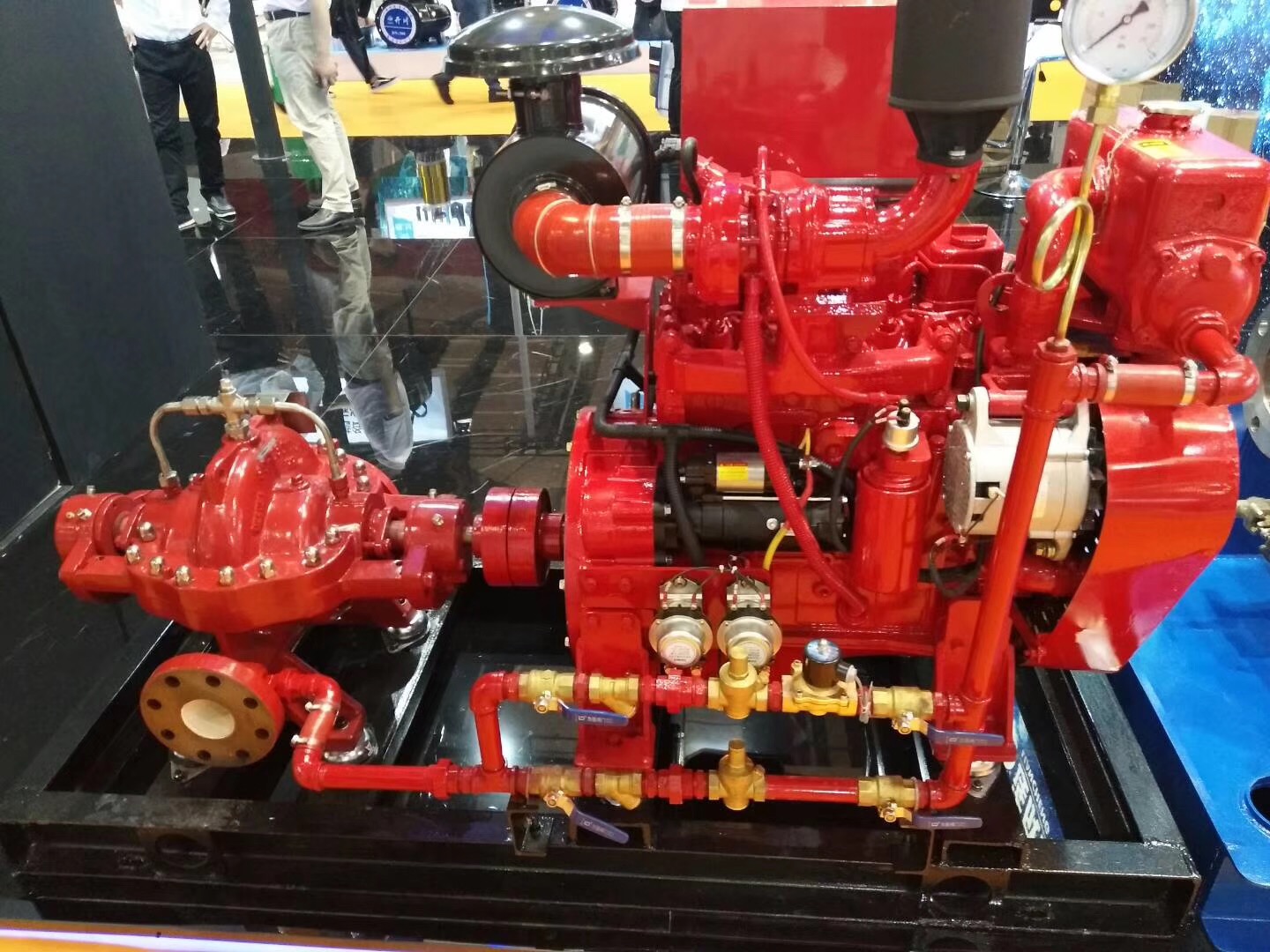
The hydraulic performance of AH slurry pumps is heavily influenced by impeller design and pump geometry. Impellers are typically designed with recessed or open configurations. Recessed impellers offer higher heads and are suitable for slurries with moderate solids content, while open impellers are more efficient at handling high solids concentrations but generally provide lower heads. Force analysis considers centrifugal forces generated by the impeller, hydrostatic forces acting on the casing, and external forces from piping connections. Pump selection must account for net positive suction head required (NPSHr) to prevent cavitation, a phenomenon where vapor bubbles form and collapse, causing erosion and noise. Environmental resistance is a key concern; pumps operating in harsh climates require robust seals and protective coatings to prevent corrosion and freeze-thaw damage. Compliance requirements include adherence to standards relating to energy efficiency (e.g., IE3 motors), hydraulic performance (e.g., ISO 9906), and safety (e.g., CE marking). Pump system design necessitates consideration of piping layout to minimize head losses and prevent solids settling. Variable frequency drives (VFDs) are often employed to optimize pump speed and energy consumption based on fluctuating flow rate demands. Seal selection (mechanical seals, packing glands) is critical to prevent leakage and maintain pump efficiency; the choice depends on the slurry’s properties and operating pressure.
Technical Specifications
| Pump Size (Inlet/Outlet) | Maximum Flow Rate (m³/hr) | Maximum Head (m) | Maximum Solids Concentration (% by weight) |
|---|---|---|---|
| 2"x2" | 50 | 30 | 30 |
| 4"x4" | 200 | 60 | 40 |
| 6"x6" | 500 | 100 | 50 |
| 8"x8" | 1000 | 150 | 60 |
| 10"x10" | 2000 | 200 | 70 |
| 12"x12" | 3000 | 250 | 75 |
Failure Mode & Maintenance
Common failure modes in AH slurry pumps include abrasive wear of the impeller and casing, erosion of the pump volute, seal failure leading to leakage, bearing failure due to insufficient lubrication or contamination, and fatigue cracking of pump components. Abrasive wear is the most prevalent failure mechanism, particularly in high-solids slurries. Failure analysis reveals that the rate of wear is dependent on the slurry’s particle size distribution, hardness, and impact angle. Seal failures are often attributed to abrasive particles lodging between the seal faces, causing damage and leakage. Bearing failures can occur due to inadequate lubrication, contamination from the slurry, or excessive load. Fatigue cracking can initiate from stress concentrations in welds or at component interfaces. Preventive maintenance is crucial to extend pump life. This includes regular inspections of wear components, lubrication of bearings, seal replacement, and monitoring of pump performance parameters (flow rate, head, power consumption). Impeller and casing replacement is inevitable; the frequency depends on the severity of the abrasive wear. Condition monitoring techniques, such as vibration analysis and oil analysis, can detect early signs of failure and allow for proactive maintenance. Proper slurry management – minimizing particle size and removing oversized particles – can significantly reduce abrasive wear. Periodic flushing of the pump casing can prevent solids build-up and maintain hydraulic efficiency.
Industry FAQ
Q: What is the impact of slurry composition on pump selection?
A: Slurry composition – particularly particle size distribution, solid concentration, and abrasive index – is the most critical factor in pump selection. Higher abrasive indices necessitate the use of more wear-resistant materials (e.g., high-chromium cast irons or specialized alloys). Higher solid concentrations require pumps with larger clearances and open impeller designs to prevent clogging. The pH of the slurry also influences material selection; acidic or alkaline slurries require corrosion-resistant materials (e.g., stainless steels or rubber linings).
Q: How do I determine the appropriate NPSHr for a given application?
A: NPSHr is determined based on the pump’s design and operating conditions. Consult the pump manufacturer’s performance curves to obtain the NPSHr at the desired flow rate and head. Ensure that the net positive suction head available (NPSHa) in the system exceeds the NPSHr by a sufficient margin (typically 0.5-1 meter) to prevent cavitation.
Q: What are the benefits of using variable frequency drives (VFDs) with AH slurry pumps?
A: VFDs allow for precise control of pump speed, optimizing energy consumption and reducing wear. By matching pump speed to flow rate demand, VFDs can minimize hydraulic losses and extend pump life. They also provide soft starting and stopping, reducing stress on the pump and motor.
Q: What maintenance practices are most effective in preventing pump failures?
A: Regular inspections of wear components, proper lubrication of bearings, timely seal replacement, and monitoring of pump performance parameters are essential. Implement a preventive maintenance schedule based on operating hours and slurry characteristics. Consider condition monitoring techniques (vibration analysis, oil analysis) to detect early signs of failure.
Q: What materials are best suited for handling highly corrosive slurries?
A: For highly corrosive slurries, duplex stainless steels (2205, 2507) and super-duplex stainless steels offer superior corrosion resistance compared to standard stainless steels. Alternatively, rubber linings or plastic materials (e.g., polypropylene, PTFE) can provide excellent protection against corrosion, but may have limitations in terms of abrasion resistance.
Conclusion
AH slurry pumps are complex engineered systems critical to many industrial processes. Their performance and longevity are fundamentally tied to proper material selection, manufacturing precision, and diligent maintenance. Leading suppliers prioritize designing pumps capable of withstanding the harsh conditions inherent in slurry handling applications. Selecting the optimal pump requires a comprehensive understanding of the slurry’s properties, operating parameters, and applicable industry standards.
Continued advancements in materials science, impeller design, and monitoring technologies will further enhance the efficiency and reliability of AH slurry pumps. Implementing predictive maintenance strategies based on condition monitoring data will become increasingly important for minimizing downtime and optimizing operational costs. The future of slurry pump technology lies in developing pumps that are not only robust and efficient but also environmentally sustainable, minimizing energy consumption and reducing waste.
-
Precision at the Pump: How Better Machining Protects Flow and Uptime
News2026-11-20
-
Why Pump Reliability Begins Before the First Drop of Fluid
News2026-11-20
-
Beyond the Pump: Designing Safer Access Around Critical Water Infrastructure
News2026-11-20
-
Why Pumping Stations Depend on the Infrastructure Beneath the Pumps
News2026-11-20
-
Beyond the Pump Room: How Smarter Loading Protects Industrial Equipment
News2026-11-19
-
When Pumps Stop: Designing More Resilient Power for Critical Pumping Systems
News2026-11-19
-
The Hidden Role of Dust and Gas Monitoring in Reliable Pump Operations
News2026-11-19
-
The Hidden Role of Mineral Compounds in Extending Industrial Pump Lifespan
News2026-10-12
-
Why Pump System Reliability Depends on Precision Hose Assembly Methods
News2026-09-15
-
How Advanced Imaging Films Are Transforming Pump Component Quality Control
News2026-08-25
-
How Advanced Filtration Protects Pump Systems from Premature Wear and Costly Downtime
News2026-08-25
-
How Steel Material Selection Drives Pump Reliability in Heavy-Duty Systems
News2026-08-25
-
Ensuring Pump System Efficiency: The Role of High-Quality Pipe Fittings and Tubing
News2026-08-24
-
Optimizing Fluid Dynamics and Material Consistency in Industrial Processing
News2026-08-18
-
Innovations and Challenges in Hydraulic Systems for Heavy Machinery
News2026-08-13




