English
- Afrikaans
- Albanian
- Amharic
- Arabic
- Armenian
- Azerbaijani
- Basque
- Belarusian
- Bengali
- Bosnian
- Bulgarian
- Catalan
- Cebuano
- Corsican
- Croatian
- Czech
- Danish
- Dutch
- English
- Esperanto
- Estonian
- Finnish
- French
- Frisian
- Galician
- Georgian
- German
- Greek
- Gujarati
- Haitian Creole
- hausa
- hawaiian
- Hebrew
- Hindi
- Miao
- Hungarian
- Icelandic
- igbo
- Indonesian
- irish
- Italian
- Japanese
- Javanese
- Kannada
- kazakh
- Khmer
- Rwandese
- Korean
- Kurdish
- Kyrgyz
- Lao
- Latin
- Latvian
- Lithuanian
- Luxembourgish
- Macedonian
- Malgashi
- Malay
- Malayalam
- Maltese
- Maori
- Marathi
- Mongolian
- Myanmar
- Nepali
- Norwegian
- Norwegian
- Occitan
- Pashto
- Persian
- Polish
- Portuguese
- Punjabi
- Romanian
- Russian
- Samoan
- Scottish Gaelic
- Serbian
- Sesotho
- Shona
- Sindhi
- Sinhala
- Slovak
- Slovenian
- Somali
- Spanish
- Sundanese
- Swahili
- Swedish
- Tagalog
- Tajik
- Tamil
- Tatar
- Telugu
- Thai
- Turkish
- Turkmen
- Ukrainian
- Urdu
- Uighur
- Uzbek
- Vietnamese
- Welsh
- Bantu
- Yiddish
- Yoruba
- Zulu

Telephone: +86 13120555503
Email: frank@cypump.com


Apr . 01, 2024 17:55 Back to list
aerobic septic system pump Performance Analysis
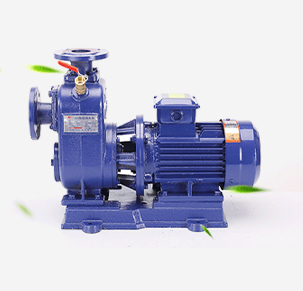
Introduction
Aerobic septic system pumps are critical components within decentralized wastewater treatment systems, specifically those employing aerobic treatment units (ATUs). These pumps are designed to transfer wastewater from a septic tank to the ATU, and subsequently from the ATU to a soil dispersal field. Unlike traditional septic systems reliant on gravity, aerobic systems often require pumping due to site limitations, elevation differences, or the need to maintain consistent hydraulic loading to the ATU. The pumps used in these systems are selected based on total dynamic head (TDH), flow rate, solids handling capability, and the need for consistent, reliable operation to ensure optimal treatment efficiency and prevent system failure. Core performance centers on maintaining a consistent dissolved oxygen environment within the ATU, achieved by the reliable and timed delivery of wastewater. Failure of the pump can rapidly compromise the biological processes within the ATU, leading to effluent quality degradation and potential environmental concerns. This guide provides a comprehensive technical overview of aerobic septic system pumps, covering material science, manufacturing processes, performance characteristics, failure modes, and relevant industry standards.
Material Science & Manufacturing
Aerobic septic system pumps are typically constructed from materials chosen for their resistance to corrosion, abrasion, and the chemical constituents of wastewater. Pump housings are commonly manufactured from engineered plastics like polypropylene (PP) or high-density polyethylene (HDPE), offering good chemical resistance and cost-effectiveness. However, for higher head applications or more aggressive wastewater compositions, stainless steel (typically 304 or 316) is employed, providing superior strength and corrosion resistance, albeit at a higher cost. Impellers, the rotating components that generate pumping action, are often made of glass-filled polypropylene, Noryl (a modified PPO), or stainless steel, depending on the solids handling requirements. Shafts are generally constructed from 400 series stainless steel for hardness and corrosion resistance. Seals are critical components, typically utilizing materials like Viton (fluoroelastomer) or EPDM (ethylene propylene diene monomer) rubber for their compatibility with wastewater constituents and ability to maintain a watertight seal. Manufacturing processes vary depending on the material. Plastic housings are often produced using injection molding, a process requiring precise temperature and pressure control to ensure dimensional accuracy and material integrity. Stainless steel components are typically manufactured through casting, forging, or machining. Welding processes, such as TIG (tungsten inert gas) welding, are used to join stainless steel parts, requiring skilled technicians and stringent quality control to prevent defects. Parameter control during manufacturing is paramount; for example, in injection molding, melt temperature, mold temperature, and injection pressure must be carefully monitored to avoid warping, sink marks, or internal stresses. Proper heat treatment of stainless steel components is essential to achieve desired hardness and ductility. A critical aspect of manufacturing is passivation of stainless steel to enhance its corrosion resistance by forming a protective oxide layer.
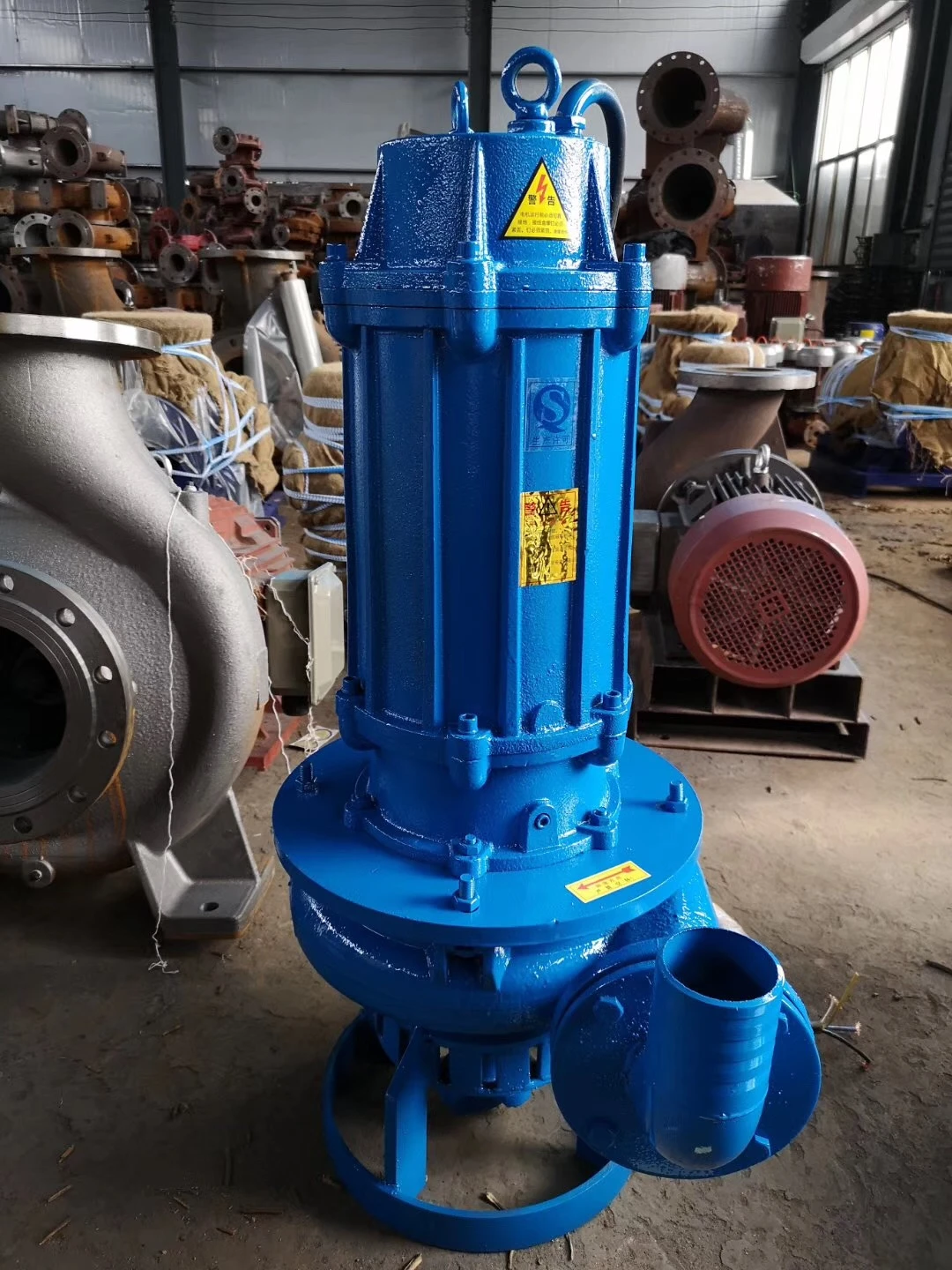
Performance & Engineering
The performance of an aerobic septic system pump is defined by several key engineering parameters. Total Dynamic Head (TDH), measured in feet, represents the total height the pump can lift the fluid, accounting for static lift, friction losses in the piping, and pressure at the discharge point. Flow rate, typically measured in gallons per minute (GPM), dictates the volume of wastewater pumped per unit time. Pump curves, generated through hydraulic testing, illustrate the relationship between flow rate and TDH, allowing for proper pump selection based on system requirements. Power requirements are influenced by TDH and flow rate, and are typically specified in horsepower (HP) or watts (W). Submersible pumps are commonly used in aerobic systems due to their ability to operate fully submerged in wastewater, eliminating the need for priming and reducing noise. Force analysis is crucial in pump design, ensuring the impeller and shaft can withstand the centrifugal forces generated during operation. Environmental resistance considerations include the pump’s ability to operate in wet, corrosive environments and withstand temperature fluctuations. Compliance requirements vary by region, but generally adhere to NSF/ANSI 40 standards for wastewater treatment components and UL/CSA safety standards for electrical components. Proper pump sizing is critical. Undersized pumps will not provide adequate flow, leading to ATU malfunction. Oversized pumps can cause excessive turbulence within the ATU, disrupting the biological treatment process. Engineering also includes consideration of pump control systems. Timers, float switches, or pressure transducers are used to automatically activate and deactivate the pump, ensuring intermittent dosing and preventing continuous operation.
Technical Specifications
| Parameter | Typical Range (Residential Systems) | Typical Range (Commercial Systems) | Units |
|---|---|---|---|
| Flow Rate | 15 - 40 | 50 - 200 | GPM |
| Total Dynamic Head (TDH) | 20 - 80 | 80 - 150 | Feet |
| Motor Horsepower | 1/2 - 1 | 1 - 5 | HP |
| Solids Handling Capacity | Up to 1/2 inch | Up to 2 inches | Diameter |
| Voltage | 115/230 | 230/460 | VAC |
| Phase | Single | Three | - |
Failure Mode & Maintenance
Aerobic septic system pumps are susceptible to several failure modes. Impeller wear due to abrasive solids is a common issue, reducing pump efficiency and flow rate. Seal failure leads to leakage and potential motor damage. Motor burnout can occur due to overheating, overvoltage, or prolonged operation without sufficient cooling. Clogging of the impeller or intake screen by debris can obstruct flow and overload the motor. Corrosion of metallic components, particularly in aggressive wastewater environments, reduces component strength and leads to failure. Failure analysis reveals that inadequate maintenance is a primary contributing factor. Preventive maintenance includes regular inspection of the pump for leaks, unusual noises, or reduced flow. Cleaning the intake screen to remove debris is crucial. Periodic testing of the pump’s electrical connections and motor insulation prevents electrical failures. Lubrication of bearings (if applicable) reduces friction and extends component life. In the event of failure, troubleshooting steps include verifying power supply, checking for clogs, inspecting the impeller for wear, and testing the seal for leakage. Replacement of worn or damaged components is often necessary. For seal failures, it’s crucial to identify and address the root cause, such as excessive abrasion or chemical attack, to prevent premature failure of the replacement seal. Proper pump sizing and control system configuration are also essential to minimize stress on the pump and extend its service life. Regular effluent monitoring helps to identify performance degradation that may indicate pump issues before a complete failure occurs.
Industry FAQ
Q: What is the impact of pump run time cycling on ATU performance?
A: Intermittent pump operation is crucial for maintaining a healthy aerobic environment within the ATU. Continuous pumping can lead to excessive turbulence, hindering the settling of solids and reducing the contact time between wastewater and the microbial community responsible for treatment. Cycling also allows for periods of anoxic conditions, which are necessary for denitrification. A properly timed pump schedule, often based on effluent level or timer settings, optimizes treatment efficiency.
Q: How does wastewater temperature affect pump performance and longevity?
A: Elevated wastewater temperatures can accelerate the degradation of pump seals and electrical insulation. It can also reduce the viscosity of the wastewater, potentially leading to increased impeller wear. Conversely, very cold temperatures can increase the viscosity, increasing pump load. Selecting pumps with temperature-resistant materials and providing adequate ventilation can mitigate these effects.
Q: What are the key considerations when selecting a pump for a high-solids wastewater stream?
A: For high-solids streams, a pump with a robust impeller design, such as a vortex or recessed impeller, is essential. These designs minimize clogging and reduce wear. Increased impeller hardness and materials such as stainless steel are recommended. A larger solids handling capacity rating is also crucial.
Q: What is the role of a pump controller in optimizing system performance?
A: A pump controller provides automated operation and protection features. It manages pump run times, monitors effluent levels, detects overloads, and provides alarms for malfunctions. Advanced controllers can incorporate features like variable frequency drives (VFDs) to adjust pump speed based on demand, optimizing energy consumption and extending pump life.
Q: How often should the pump be inspected and what are the key components to check?
A: The pump should be inspected at least annually, and ideally semi-annually, depending on usage and wastewater characteristics. Key components to check include the intake screen for clogging, the impeller for wear, the seal for leaks, electrical connections for corrosion, and the pump housing for cracks or damage. Record keeping of inspections and maintenance activities is essential.
Conclusion
Aerobic septic system pumps are essential for the reliable operation of decentralized wastewater treatment systems. Their selection, installation, and maintenance require a thorough understanding of hydraulic principles, material science, and electrical engineering. Proper pump sizing, coupled with a well-configured control system, is crucial for optimizing treatment efficiency and minimizing operational costs. Preventive maintenance, including regular inspection and timely replacement of worn components, is vital for preventing catastrophic failures and ensuring long-term system performance.
Continued advancements in pump technology, such as the development of more energy-efficient motors and improved impeller designs, are expected to further enhance the performance and reliability of aerobic septic system pumps. The integration of smart technologies, including remote monitoring and predictive maintenance capabilities, will likely become increasingly prevalent, enabling proactive management and reducing the risk of system failures. Adherence to industry standards and best practices is paramount for ensuring the long-term sustainability of these vital wastewater treatment components.
-
Comprehensive Guide to Waterproof ORings for Optimal Sealing Solutions
News2026-06-09
-
best sewage ejector pump Performance Engineering
News2026-06-11
-
aerobic septic system pump Performance Analysis
News2026-06-11
-
Sumergible Pump Performance Analysis
News2026-06-11
-
ejector pump for basement Performance Engineering
News2026-06-11
-
sewer lift pump Performance Engineering
News2026-06-11
-
Septic Pump Replacement Performance Analysis
News2026-06-10
-
Septic Pump Price Performance Analysis
News2026-06-10
-
pumps for septic systems Material Science Manufacturing
News2026-06-10
-
ejector pumps for basement bathrooms Performance Analysis
News2026-06-10
-
Ejector Pump Cost Analysis
News2026-06-10
-
drainage pumps Performance and Engineering
News2026-06-09
-
basement bathroom ejector pump Material Science
News2026-06-09
-
Sewer Ejector Pump Cost Performance Analysis
News2026-06-09
-
Septic Tank Pump Replacement Performance Analysis
News2026-06-09




