English
- Afrikaans
- Albanian
- Amharic
- Arabic
- Armenian
- Azerbaijani
- Basque
- Belarusian
- Bengali
- Bosnian
- Bulgarian
- Catalan
- Cebuano
- Corsican
- Croatian
- Czech
- Danish
- Dutch
- English
- Esperanto
- Estonian
- Finnish
- French
- Frisian
- Galician
- Georgian
- German
- Greek
- Gujarati
- Haitian Creole
- hausa
- hawaiian
- Hebrew
- Hindi
- Miao
- Hungarian
- Icelandic
- igbo
- Indonesian
- irish
- Italian
- Japanese
- Javanese
- Kannada
- kazakh
- Khmer
- Rwandese
- Korean
- Kurdish
- Kyrgyz
- Lao
- Latin
- Latvian
- Lithuanian
- Luxembourgish
- Macedonian
- Malgashi
- Malay
- Malayalam
- Maltese
- Maori
- Marathi
- Mongolian
- Myanmar
- Nepali
- Norwegian
- Norwegian
- Occitan
- Pashto
- Persian
- Polish
- Portuguese
- Punjabi
- Romanian
- Russian
- Samoan
- Scottish Gaelic
- Serbian
- Sesotho
- Shona
- Sindhi
- Sinhala
- Slovak
- Slovenian
- Somali
- Spanish
- Sundanese
- Swahili
- Swedish
- Tagalog
- Tajik
- Tamil
- Tatar
- Telugu
- Thai
- Turkish
- Turkmen
- Ukrainian
- Urdu
- Uighur
- Uzbek
- Vietnamese
- Welsh
- Bantu
- Yiddish
- Yoruba
- Zulu

Telephone: +86 13120555503
Email: frank@cypump.com


Apr . 01, 2024 17:55 Back to list
advanced submersible slurry pump solutions by kirloskar material science and manufacturing
Introduction
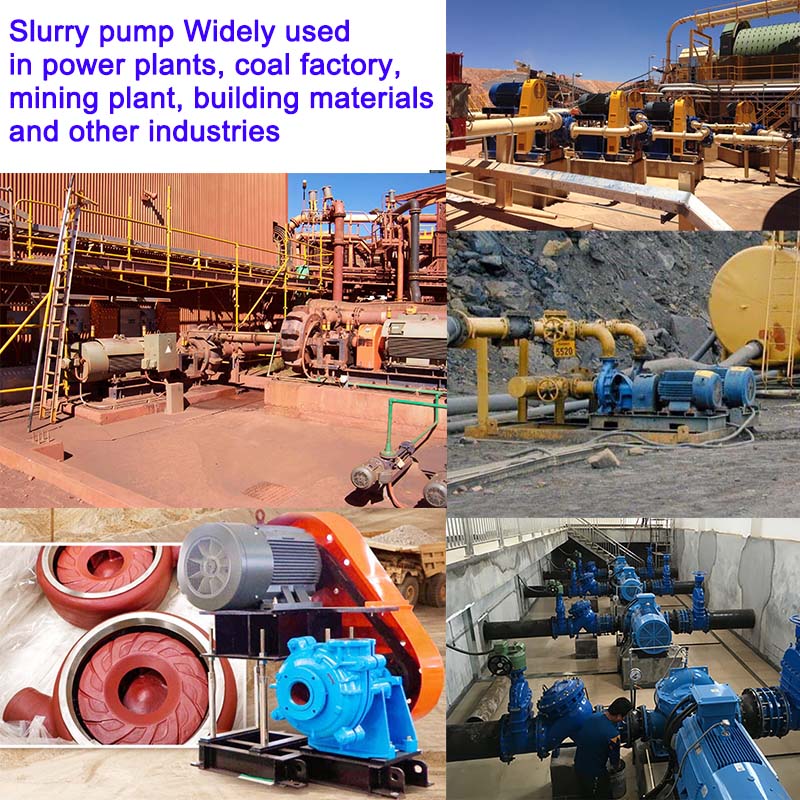
Advanced submersible slurry pumps, specifically those manufactured by Kirloskar, represent a critical component in numerous industrial processes involving the transport of abrasive and high-solids content fluids. Positioned within the fluid handling segment of the broader pump industry, these pumps are integral to operations in mining, wastewater treatment, construction, and chemical processing. Unlike traditional surface pumps, submersible designs offer the advantage of direct immersion, eliminating the need for suction lift and priming, thereby reducing operational complexities and improving efficiency. Core performance characteristics center around solids handling capability (measured in diameter and concentration), flow rate (typically in m³/hr or GPM), head (expressed in meters or feet), and power consumption. The Kirloskar range addresses the increasing demand for robust, reliable, and energy-efficient solutions capable of withstanding the harsh conditions inherent in slurry applications. A primary industry pain point is pump wear, directly impacting maintenance costs and operational downtime; Kirloskar's designs focus on mitigating this through advanced material selection and hydraulic optimization. This guide provides an in-depth analysis of the technology, encompassing material science, manufacturing, performance parameters, failure modes, and relevant industry standards.
Material Science & Manufacturing
The construction of Kirloskar advanced submersible slurry pumps relies on a strategic selection of materials engineered to resist abrasion, corrosion, and the mechanical stresses associated with slurry transport. Key materials include high-chrome cast iron for impeller and casing components – offering exceptional wear resistance against abrasive solids – and various grades of stainless steel (304, 316, and duplex stainless steels) for shaft construction and external components where corrosion is a concern. Elastomeric components, such as seals and liners, commonly utilize natural rubber, nitrile rubber, or EPDM, selected based on the chemical compatibility with the transported slurry. Manufacturing processes begin with sand casting for larger components like the pump casing, followed by precision machining to ensure dimensional accuracy and hydraulic efficiency. Impellers are often manufactured using investment casting, allowing for intricate designs optimized for solids handling. The impeller-casing fit is crucial; a tight clearance minimizes recirculation and maximizes hydraulic performance. Key parameter control during manufacturing includes: wall thickness uniformity (monitored via ultrasonic testing), impeller balancing (to reduce vibration), and coating application (e.g., ceramic coatings for enhanced abrasion resistance). Welding processes, where utilized, employ submerged arc welding (SAW) or gas tungsten arc welding (GTAW) to ensure high-integrity joints. Submersible motor integration necessitates stringent quality control of stator windings and sealing systems to prevent water ingress and electrical failure. Furthermore, materials are rigorously tested for hardness (Brinell or Vickers), tensile strength, and chemical composition in accordance with ASTM standards.
Performance & Engineering
The performance of Kirloskar advanced submersible slurry pumps is dictated by a complex interplay of hydraulic design, motor characteristics, and slurry properties. Force analysis considers both static and dynamic loads, including the weight of the pump, the hydrostatic pressure, and the forces exerted by the slurry flow. Hydraulic design focuses on minimizing head loss and maximizing pump efficiency. Impeller geometry – vane angle, number of vanes, and impeller diameter – is optimized for specific slurry characteristics (particle size distribution, solids concentration, and fluid viscosity). Environmental resistance is addressed through robust sealing systems and corrosion-resistant materials. Pump performance curves (head vs. flow rate, power vs. flow rate) are generated through extensive testing in accordance with ISO 9906 standards. Compliance requirements, such as those outlined by the EU’s Ecodesign Directive regarding energy efficiency, are met through optimized motor selection and hydraulic design. Functional implementation necessitates careful consideration of installation parameters – pump submergence depth, cable management, and discharge piping configuration. A critical engineering challenge is preventing pump clogging, achieved through optimized impeller design, large passage areas, and the incorporation of wear-resistant liners to minimize build-up. Furthermore, the pump’s motor must be suitably protected against overheating, overloading, and single-phasing, requiring sophisticated control and protection systems. The selection of appropriate cable materials and sealing glands is also crucial for long-term reliability in submerged environments.
Technical Specifications
| Parameter | Unit | Kirloskar KDS Series (Typical) | Kirloskar KDS-XH Series (Heavy Duty) |
|---|---|---|---|
| Maximum Solids Handling | mm | 50 | 80 |
| Maximum Slurry Concentration | % by weight | 60 | 70 |
| Discharge Size | inches | 2-6 | 4-12 |
| Motor Power | kW | 2.2 – 75 | 37 – 250 |
| Maximum Head | m | 50 | 100 |
| Maximum Flow Rate | m³/hr | 500 | 2000 |
Failure Mode & Maintenance
Advanced submersible slurry pumps are susceptible to several failure modes. Fatigue cracking in the impeller and casing, particularly around stress concentration points, is common due to cyclical loading and abrasive wear. Delamination of protective coatings (e.g., ceramic linings) can accelerate corrosion and wear. Degradation of elastomeric components (seals, liners) results in leakage and reduced pump efficiency, influenced by temperature, chemical exposure, and mechanical stress. Oxidation of metallic components, especially in corrosive environments, leads to material loss and structural weakening. Cavitation, caused by low suction pressure, can erode impeller vanes and casing surfaces. Failure analysis often involves metallographic examination to identify crack initiation sites, wear patterns, and corrosion mechanisms. Maintenance strategies include: regular inspection of wear components (impeller, casing, liners), replacement of seals and bearings based on manufacturer recommendations, monitoring of pump vibration to detect bearing faults or impeller imbalance, and periodic cleaning to remove slurry build-up. Preventative maintenance programs should incorporate oil analysis to assess lubricant condition and detect signs of wear debris. For pumps operating in highly abrasive environments, scheduled impeller replacement is often cost-effective. Proper storage and handling of spare parts are also essential to prevent corrosion and damage. Electrical inspections should verify cable integrity and sealing effectiveness to prevent water ingress and electrical hazards.
Industry FAQ
Q: What is the impact of slurry particle size distribution on pump selection?
A: Slurry particle size distribution significantly influences pump selection. Larger particles require pumps with larger passage areas to prevent clogging. A wide particle size distribution, encompassing both fine and coarse particles, demands impellers designed for efficient solids handling without excessive wear. Pumps are selected based on the D80 particle size (the size at which 80% of the particles are smaller). Ignoring particle size can lead to premature failure and reduced pump life.
Q: How does the chemical composition of the slurry affect material selection?
A: The chemical composition of the slurry is paramount in material selection. Acidic slurries require corrosion-resistant materials like stainless steel (316 or duplex) or specialized alloys. Alkaline slurries can also be corrosive, necessitating specific material choices. The presence of chlorides significantly accelerates corrosion. Comprehensive chemical compatibility testing is essential to avoid premature material failure.
Q: What are the key considerations for submersible pump cable management?
A: Proper cable management is critical to prevent cable damage and ensure pump reliability. Cables must be adequately supported to prevent stress and abrasion. Strain relief is essential at the pump connection point to prevent water ingress. Cable routing should avoid sharp bends and contact with hot surfaces. Regular inspection for cable damage is crucial. The cable must be of a suitable type for submersible applications, with appropriate water resistance and insulation.
Q: How do you mitigate the risk of cavitation in a submersible slurry pump?
A: Mitigating cavitation involves ensuring adequate submergence depth, maintaining sufficient net positive suction head (NPSH), and avoiding excessive flow rates. Proper impeller design, minimizing recirculation, is also important. Regularly inspecting the impeller for signs of cavitation damage (pitting and erosion) is recommended. Reducing slurry viscosity can also help.
Q: What is the recommended maintenance schedule for a Kirloskar submersible slurry pump operating continuously?
A: A recommended maintenance schedule for continuous operation includes: daily visual inspection for leaks and unusual noises; monthly vibration analysis; quarterly oil analysis (if applicable); semi-annual inspection of wear components (impeller, casing, liners); and annual replacement of seals and bearings. The specific schedule should be tailored to the slurry characteristics and operating conditions, referencing the Kirloskar maintenance manual.
Conclusion
Kirloskar’s advanced submersible slurry pumps represent a significant advancement in fluid handling technology, addressing the core industry challenges of abrasion, corrosion, and reliability. The careful selection of materials, precision manufacturing processes, and optimized hydraulic design contribute to their robust performance and extended operational life. Proper understanding of slurry characteristics, coupled with diligent maintenance practices, is essential to maximize pump efficiency and minimize downtime.
Looking ahead, advancements in materials science, such as the development of more wear-resistant alloys and coatings, will continue to enhance pump performance. The integration of smart sensors and predictive maintenance algorithms will further optimize maintenance schedules and reduce overall lifecycle costs. Continued innovation in impeller design will focus on improving solids handling capability and reducing energy consumption, aligning with growing industry demands for sustainable and efficient solutions.
-
Precision at the Pump: How Better Machining Protects Flow and Uptime
News2026-11-20
-
Why Pump Reliability Begins Before the First Drop of Fluid
News2026-11-20
-
Beyond the Pump: Designing Safer Access Around Critical Water Infrastructure
News2026-11-20
-
Why Pumping Stations Depend on the Infrastructure Beneath the Pumps
News2026-11-20
-
Beyond the Pump Room: How Smarter Loading Protects Industrial Equipment
News2026-11-19
-
When Pumps Stop: Designing More Resilient Power for Critical Pumping Systems
News2026-11-19
-
The Hidden Role of Dust and Gas Monitoring in Reliable Pump Operations
News2026-11-19
-
The Hidden Role of Mineral Compounds in Extending Industrial Pump Lifespan
News2026-10-12
-
Why Pump System Reliability Depends on Precision Hose Assembly Methods
News2026-09-15
-
How Advanced Imaging Films Are Transforming Pump Component Quality Control
News2026-08-25
-
How Advanced Filtration Protects Pump Systems from Premature Wear and Costly Downtime
News2026-08-25
-
How Steel Material Selection Drives Pump Reliability in Heavy-Duty Systems
News2026-08-25
-
Ensuring Pump System Efficiency: The Role of High-Quality Pipe Fittings and Tubing
News2026-08-24
-
Optimizing Fluid Dynamics and Material Consistency in Industrial Processing
News2026-08-18
-
Innovations and Challenges in Hydraulic Systems for Heavy Machinery
News2026-08-13




