English
- Afrikaans
- Albanian
- Amharic
- Arabic
- Armenian
- Azerbaijani
- Basque
- Belarusian
- Bengali
- Bosnian
- Bulgarian
- Catalan
- Cebuano
- Corsican
- Croatian
- Czech
- Danish
- Dutch
- English
- Esperanto
- Estonian
- Finnish
- French
- Frisian
- Galician
- Georgian
- German
- Greek
- Gujarati
- Haitian Creole
- hausa
- hawaiian
- Hebrew
- Hindi
- Miao
- Hungarian
- Icelandic
- igbo
- Indonesian
- irish
- Italian
- Japanese
- Javanese
- Kannada
- kazakh
- Khmer
- Rwandese
- Korean
- Kurdish
- Kyrgyz
- Lao
- Latin
- Latvian
- Lithuanian
- Luxembourgish
- Macedonian
- Malgashi
- Malay
- Malayalam
- Maltese
- Maori
- Marathi
- Mongolian
- Myanmar
- Nepali
- Norwegian
- Norwegian
- Occitan
- Pashto
- Persian
- Polish
- Portuguese
- Punjabi
- Romanian
- Russian
- Samoan
- Scottish Gaelic
- Serbian
- Sesotho
- Shona
- Sindhi
- Sinhala
- Slovak
- Slovenian
- Somali
- Spanish
- Sundanese
- Swahili
- Swedish
- Tagalog
- Tajik
- Tamil
- Tatar
- Telugu
- Thai
- Turkish
- Turkmen
- Ukrainian
- Urdu
- Uighur
- Uzbek
- Vietnamese
- Welsh
- Bantu
- Yiddish
- Yoruba
- Zulu

Telephone: +86 13120555503
Email: frank@cypump.com


Apr . 01, 2024 17:55 Back to list
advanced submersible slurry pump solutions by kirloskar for industrial applications
Introduction
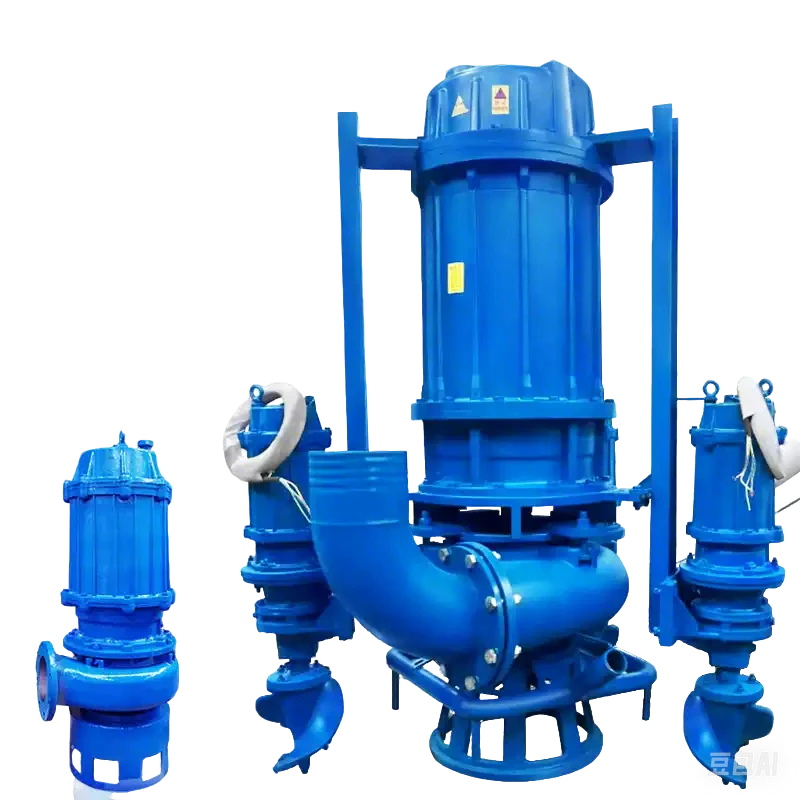
Advanced submersible slurry pumps manufactured by Kirloskar represent a critical component in numerous industrial processes dealing with abrasive, corrosive, and high-solids content fluids. These pumps are integral to industries including mining, wastewater treatment, chemical processing, and power generation. Positioned within the fluid handling chain, they function as the final element in transferring slurries, effectively bridging the gap between process and discharge. Core performance characteristics hinge on abrasion resistance, hydraulic efficiency, solids handling capability, and operational reliability in submerged environments. A key industry pain point lies in premature pump failure due to wear and tear caused by the slurry's constituents, leading to significant downtime and maintenance costs. Kirloskar’s solutions address this through advanced material selection, optimized impeller design, and robust sealing systems designed for prolonged operational life.
Material Science & Manufacturing
The construction of Kirloskar advanced submersible slurry pumps leverages a range of materials chosen for their specific resistance to abrasive and corrosive attack. Pump casings are commonly manufactured from high-chrome cast iron (typically 27-30% Cr), providing exceptional wear resistance against sliding abrasion, prevalent in slurry applications. Impellers are frequently constructed from similarly high-chrome alloys, or alternatively, utilize hardened stainless steels (e.g., Duplex Stainless Steel, Super Duplex Stainless Steel) for increased corrosion resistance in aggressive chemical environments. Shafts employ alloy steels, undergoing heat treatment processes like induction hardening to achieve high tensile strength and torsional rigidity. Seals utilize materials like Silicon Carbide (SiC) against Silicon Carbide, offering superior resistance to wear and chemical attack compared to traditional mechanical seals. The manufacturing process begins with precision casting of the pump casing and impeller. Critical parameters during casting include sand quality, pouring temperature, and cooling rate to ensure dimensional accuracy and minimize defects. Impellers undergo extensive machining, including impeller balancing, to minimize vibration and ensure hydraulic efficiency. Welding processes (SMAW, GTAW) are employed for joining components, adhering to stringent welding procedures and quality control inspections (radiographic testing, ultrasonic testing) to prevent weld defects that could compromise structural integrity. The final assembly incorporates rigorous quality checks, including hydrostatic testing and performance testing to validate operational parameters.
Performance & Engineering
The performance of these pumps is fundamentally governed by hydraulic principles and material strength. Force analysis considers the hydrostatic pressure exerted on the pump housing at depth, the dynamic pressure from the slurry flow, and the centrifugal forces generated by the impeller. Engineering design focuses on optimizing impeller geometry (vane angle, impeller diameter, and number of vanes) to maximize hydraulic efficiency and solids handling capacity. Cavitation, a common issue in slurry pumping, is mitigated through careful impeller design, maintaining adequate Net Positive Suction Head Available (NPSHA), and controlling pump speed. Environmental resistance is addressed through the selection of corrosion-resistant materials and the implementation of robust sealing systems. The pump’s motor is typically fully submersible, encapsulated in a sealed housing and oil-filled to provide electrical insulation and cooling. Compliance with industry standards (IEC 60034 for motor performance, ISO 9906 for pump performance) is paramount. Functional implementation requires careful consideration of system piping, slurry characteristics (particle size distribution, solids concentration, slurry density), and operating conditions (flow rate, head, temperature). Proper installation and commissioning, including alignment and lubrication, are crucial for optimal performance and longevity. Furthermore, vibration analysis is critical during operation to identify potential mechanical issues early on.
Technical Specifications
| Pump Model | Maximum Flow Rate (m³/hr) | Maximum Head (m) | Maximum Solids Handling (mm) |
|---|---|---|---|
| KSL-200 | 150 | 40 | 50 |
| KSL-300 | 250 | 60 | 75 |
| KSL-400 | 400 | 80 | 100 |
| KSL-500 | 600 | 100 | 150 |
| KSL-600 | 800 | 120 | 200 |
| KSL-800 | 1200 | 150 | 250 |
Failure Mode & Maintenance
Failure modes in advanced submersible slurry pumps typically arise from abrasive wear, corrosion, erosion, and mechanical fatigue. Abrasive wear, particularly affecting the impeller and casing, is a common consequence of high-solids slurries. Corrosion, driven by chemical constituents within the slurry, can lead to material degradation and structural weakening. Erosion occurs due to the impact of high-velocity particles against pump components. Mechanical fatigue can result from cyclic loading and vibration, leading to cracking and eventual failure of shafts, bearings, or impellers. Failure analysis frequently reveals issues related to inadequate sealing, allowing slurry ingress into the motor compartment, leading to motor failure. Maintenance strategies involve regular inspections to detect early signs of wear and corrosion. Preventive maintenance includes periodic replacement of wear components (impellers, liners, seals), lubrication of bearings, and monitoring of motor insulation resistance. Corrective maintenance addresses unexpected failures, requiring component replacement or repair. Vibration analysis is a powerful diagnostic tool for identifying imbalances, misalignment, or bearing defects. Implementing a robust maintenance program, coupled with operator training, is essential for maximizing pump uptime and minimizing lifecycle costs. Root cause analysis of failures is crucial to prevent recurrence. For example, premature seal failure may indicate improper slurry pre-treatment or inappropriate seal material selection.
Industry FAQ
Q: What is the optimal impeller material for handling highly abrasive silica slurries?
A: For highly abrasive silica slurries, high-chrome cast iron (27-30% Cr) is generally the most cost-effective and suitable material. The high chromium content forms hard carbides that resist abrasive wear. However, for exceptionally demanding applications, or where corrosive elements are also present, a duplex stainless steel impeller may be considered despite the increased cost.
Q: How does the pump’s hydraulic efficiency impact overall energy consumption?
A: Hydraulic efficiency directly correlates to energy consumption. Lower efficiency means a larger portion of the motor’s power is lost as heat due to friction and turbulence, requiring more energy input to achieve the desired flow rate and head. Optimization of impeller design and minimizing internal clearances are critical for maximizing hydraulic efficiency and reducing energy costs.
Q: What are the key considerations for selecting the correct pump size for a specific application?
A: Selecting the correct pump size requires a thorough understanding of the system’s requirements. Key factors include the flow rate, total dynamic head (TDH), slurry density, solids concentration, and particle size distribution. Oversizing the pump leads to inefficiencies and increased operating costs, while undersizing results in inadequate performance and potential pump damage.
Q: What are the typical failure modes associated with the pump’s mechanical seals?
A: Common mechanical seal failures include abrasive wear due to solids in the slurry, corrosion from chemical attack, and damage from thermal cycling. Improper installation, misalignment, or inadequate flushing can also contribute to seal failure. Selecting a seal material compatible with the slurry composition and ensuring proper lubrication are crucial for extending seal life.
Q: What preventative maintenance procedures are recommended for submersible motor windings?
A: Regular monitoring of motor winding insulation resistance is vital. Values trending downwards indicate moisture ingress or insulation breakdown. Periodic cleaning of the motor housing to remove accumulated debris and ensuring adequate ventilation are also important. Oil analysis (if oil-filled motor) can detect contamination or degradation of the oil, which can affect cooling and insulation properties.
Conclusion
Kirloskar’s advanced submersible slurry pumps represent a robust and reliable solution for handling challenging slurry applications across diverse industries. Their design, material selection, and manufacturing processes are optimized to withstand abrasive and corrosive environments, minimizing downtime and maximizing operational efficiency. A key aspect of successful implementation lies in careful consideration of slurry characteristics, accurate pump sizing, and adherence to a comprehensive maintenance program.
Future developments in this field are expected to focus on advanced materials (e.g., ceramic composites), improved impeller designs for enhanced hydraulic efficiency and solids handling, and the integration of predictive maintenance technologies (e.g., remote monitoring, machine learning) to optimize pump performance and proactively address potential failures. Continued innovation in sealing technology will also be crucial for extending pump lifespan and reducing environmental impact.
-
Precision at the Pump: How Better Machining Protects Flow and Uptime
News2026-11-20
-
Why Pump Reliability Begins Before the First Drop of Fluid
News2026-11-20
-
Beyond the Pump: Designing Safer Access Around Critical Water Infrastructure
News2026-11-20
-
Why Pumping Stations Depend on the Infrastructure Beneath the Pumps
News2026-11-20
-
Beyond the Pump Room: How Smarter Loading Protects Industrial Equipment
News2026-11-19
-
When Pumps Stop: Designing More Resilient Power for Critical Pumping Systems
News2026-11-19
-
The Hidden Role of Dust and Gas Monitoring in Reliable Pump Operations
News2026-11-19
-
The Hidden Role of Mineral Compounds in Extending Industrial Pump Lifespan
News2026-10-12
-
Why Pump System Reliability Depends on Precision Hose Assembly Methods
News2026-09-15
-
How Advanced Imaging Films Are Transforming Pump Component Quality Control
News2026-08-25
-
How Advanced Filtration Protects Pump Systems from Premature Wear and Costly Downtime
News2026-08-25
-
How Steel Material Selection Drives Pump Reliability in Heavy-Duty Systems
News2026-08-25
-
Ensuring Pump System Efficiency: The Role of High-Quality Pipe Fittings and Tubing
News2026-08-24
-
Optimizing Fluid Dynamics and Material Consistency in Industrial Processing
News2026-08-18
-
Innovations and Challenges in Hydraulic Systems for Heavy Machinery
News2026-08-13




