English
- Afrikaans
- Albanian
- Amharic
- Arabic
- Armenian
- Azerbaijani
- Basque
- Belarusian
- Bengali
- Bosnian
- Bulgarian
- Catalan
- Cebuano
- Corsican
- Croatian
- Czech
- Danish
- Dutch
- English
- Esperanto
- Estonian
- Finnish
- French
- Frisian
- Galician
- Georgian
- German
- Greek
- Gujarati
- Haitian Creole
- hausa
- hawaiian
- Hebrew
- Hindi
- Miao
- Hungarian
- Icelandic
- igbo
- Indonesian
- irish
- Italian
- Japanese
- Javanese
- Kannada
- kazakh
- Khmer
- Rwandese
- Korean
- Kurdish
- Kyrgyz
- Lao
- Latin
- Latvian
- Lithuanian
- Luxembourgish
- Macedonian
- Malgashi
- Malay
- Malayalam
- Maltese
- Maori
- Marathi
- Mongolian
- Myanmar
- Nepali
- Norwegian
- Norwegian
- Occitan
- Pashto
- Persian
- Polish
- Portuguese
- Punjabi
- Romanian
- Russian
- Samoan
- Scottish Gaelic
- Serbian
- Sesotho
- Shona
- Sindhi
- Sinhala
- Slovak
- Slovenian
- Somali
- Spanish
- Sundanese
- Swahili
- Swedish
- Tagalog
- Tajik
- Tamil
- Tatar
- Telugu
- Thai
- Turkish
- Turkmen
- Ukrainian
- Urdu
- Uighur
- Uzbek
- Vietnamese
- Welsh
- Bantu
- Yiddish
- Yoruba
- Zulu

Telephone: +86 13120555503
Email: frank@cypump.com


Apr . 01, 2024 17:55 Back to list
abs submersible sewage pump Performance Engineering
Introduction
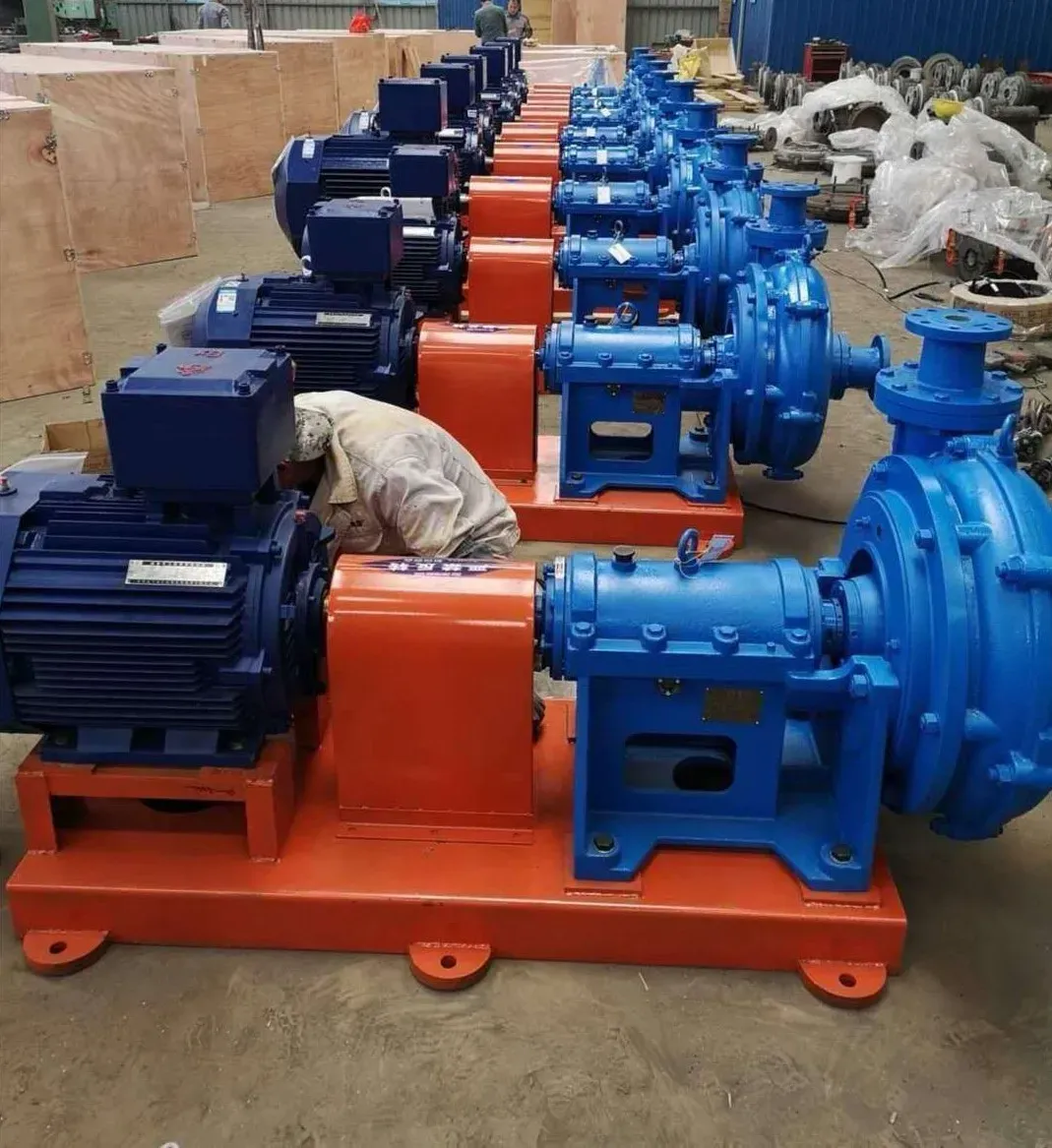
ABS submersible sewage pumps are centrifugal pumps specifically designed for the efficient and reliable removal of wastewater, sewage, and solids-laden fluids. Positioned within the wastewater treatment and conveyance industry chain, these pumps represent a critical component of municipal and industrial infrastructure. Their core performance characteristics revolve around high hydraulic efficiency, robust solids handling capability, corrosion resistance, and submerged operation. Unlike conventional pumps, submersible designs eliminate the need for priming and reduce noise pollution, making them ideal for installation within wet wells and basins. The selection of appropriate pump materials and impeller design is paramount to optimize performance based on the specific characteristics of the wastewater being handled, including solids content, abrasiveness, and chemical composition. Addressing common industry pain points like pump clogging, premature wear due to abrasive solids, and motor failure in harsh environments is central to the design and engineering of modern ABS submersible sewage pumps.
Material Science & Manufacturing
The construction of ABS submersible sewage pumps utilizes a variety of materials selected for their specific properties and resistance to the corrosive and abrasive nature of wastewater. Pump housings are typically manufactured from cast iron (ASTM A48 Class 30) or stainless steel (304/316, ASTM A743). Cast iron provides cost-effectiveness and good wear resistance when adequately coated with epoxy or other protective layers. Stainless steel offers superior corrosion resistance, particularly in aggressive chemical environments. Impellers are often constructed from high-chrome cast iron or hardened stainless steel (440C) to withstand the impact and wear caused by solid particles. Pump shafts utilize alloy steel (4140, ASTM A276) for high tensile strength and torsional rigidity. Seals are critical components, commonly employing silicon carbide mechanical seals (according to ISO 3568) with Viton or EPDM elastomers for compatibility with various chemical compositions. Manufacturing processes include sand casting for the housing, investment casting for impellers demanding complex geometries, and precision machining for shafts and close-tolerance components. Welding processes, adhering to AWS D1.1 standards, are employed for assembling certain pump components. Quality control measures include non-destructive testing (NDT) such as ultrasonic testing and radiographic inspection to detect internal flaws in castings and welds. The ABS plastic component (typically the cable gland and minor housing parts) must conform to UL746C standards for flame retardancy and electrical safety.
Performance & Engineering
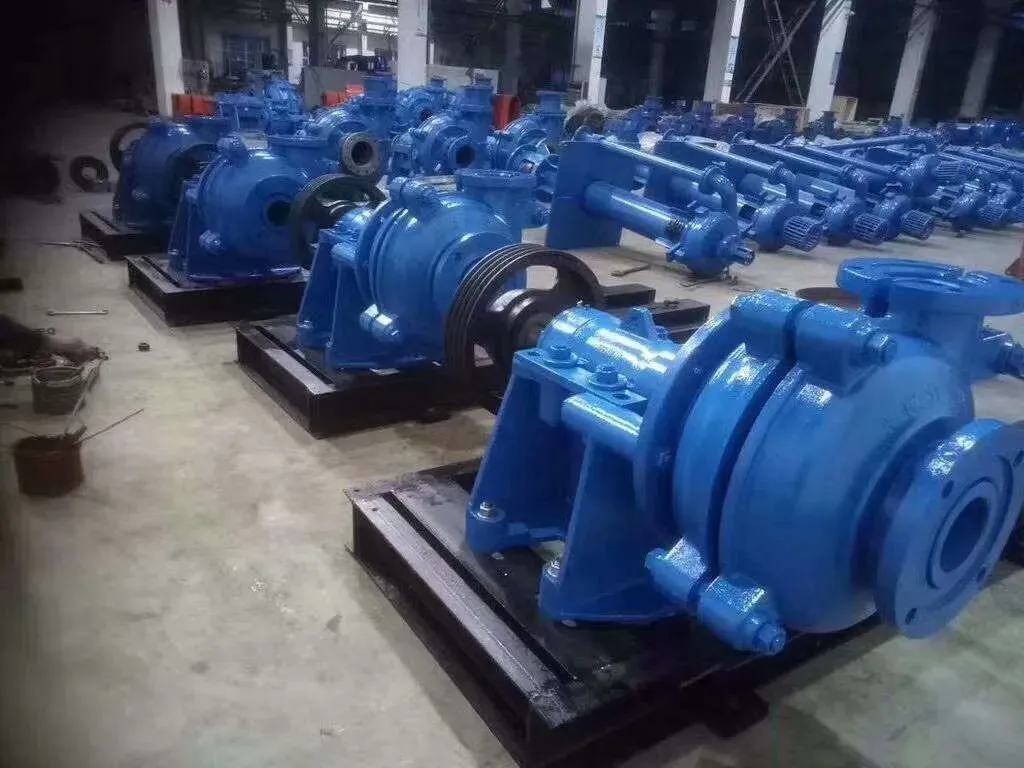
The performance of ABS submersible sewage pumps is governed by hydraulic principles and engineering considerations related to solids handling, motor cooling, and corrosion prevention. Force analysis is crucial in designing the impeller and housing to withstand the hydrostatic pressure at depth and the dynamic forces generated by fluid flow. Cavitation, a common performance issue in centrifugal pumps, is mitigated through optimized impeller design and proper net positive suction head (NPSH) calculations (according to ANSI/HI standard 10). Pump curves, generated through hydraulic testing (following ISO 9906 standards), depict the relationship between flow rate, head, and efficiency. Environmental resistance is addressed through material selection and protective coatings. For example, epoxy coatings protect cast iron housings from corrosion in sewage environments. Motor cooling is achieved through oil-filled motor housings, which provide both lubrication and heat dissipation. The motor’s enclosure must conform to IEC 60034-8 standards for submersible motor protection. Compliance requirements vary by region but commonly include CE marking (European Union), UL/CSA certification (North America), and adherence to local wastewater discharge regulations. The pump’s electrical connections and cable entry must be waterproof to prevent electrical short circuits (IP68 rating according to IEC 60529). Furthermore, the pump must meet stringent energy efficiency standards as outlined by regulations such as the US Department of Energy (DOE) standards for pumps.
Technical Specifications
| Parameter | Unit | Typical Value (Small Pump) | Typical Value (Large Pump) |
|---|---|---|---|
| Flow Rate | m³/h | 5-20 | 100-500 |
| Total Head | m | 10-30 | 50-100 |
| Motor Power | kW | 0.75-2.2 | 7.5-45 |
| Solids Handling | mm | Up to 25 | Up to 75 |
| Impeller Material | - | High Chrome Iron | Stainless Steel (304/316) |
| Housing Material | - | Cast Iron (Epoxy Coated) | Stainless Steel (304/316) |
Failure Mode & Maintenance
ABS submersible sewage pumps are subject to various failure modes stemming from the harsh operating environment. Fatigue cracking in the impeller, particularly around the vane roots, is common due to cyclical loading and stress concentration. Delamination of epoxy coatings on cast iron housings leads to accelerated corrosion and eventual housing failure. Abrasion of the impeller and volute caused by hard solids in the wastewater reduces pump efficiency and can lead to impeller imbalance. Motor winding failure, often due to insulation breakdown from moisture ingress or overheating, is a significant concern. Seal failure, resulting from abrasive particles or chemical attack, allows wastewater to enter the motor housing. Oxidation of stainless steel components in chloride-rich environments can also occur. Regular maintenance is crucial to prevent these failures. This includes routine visual inspections for corrosion or coating damage, vibration analysis to detect impeller imbalance, and seal replacement according to manufacturer’s recommendations. Oil levels in oil-filled motors should be checked and replenished periodically. Preventative maintenance schedules, based on operating hours and wastewater characteristics, are essential. In the event of a failure, thorough root cause analysis (RCA) – utilizing techniques like failure mode and effects analysis (FMEA) – is crucial to identify the underlying cause and implement corrective actions to prevent recurrence. Bearing lubrication and inspection are also critical aspects of preventative maintenance, adhering to manufacturer specifications for lubricant type and frequency.
Industry FAQ
Q: What is the optimal impeller material for handling highly abrasive sewage?
A: For highly abrasive sewage, a high-chrome cast iron impeller is generally preferred over standard cast iron due to its superior wear resistance. However, in extremely corrosive environments, a hardened stainless steel (e.g., 440C) impeller offers a better long-term solution, despite a higher initial cost. The specific abrasion characteristics of the solids (size, shape, hardness) should be considered when selecting the impeller material.
Q: How does the specific gravity of the sewage affect pump performance?
A: The specific gravity of sewage influences the pump's hydraulic head. Higher specific gravity increases the hydrostatic head, requiring the pump to exert more force to lift the fluid. Pump curves are typically generated assuming water (specific gravity of 1.0). Adjustments to the pump's performance calculations must be made if the sewage’s specific gravity deviates significantly from 1.0.
Q: What are the key considerations for selecting the appropriate motor size?
A: Motor size is determined by the required flow rate, total dynamic head, and the fluid's specific gravity. It’s crucial to account for potential variations in operating conditions and select a motor with sufficient margin to prevent overload. The motor's efficiency and power factor should also be considered to minimize energy consumption. Over-sizing the motor can lead to reduced efficiency during partial load operation.
Q: What is the typical lifespan of a submersible sewage pump motor?
A: The lifespan of a submersible sewage pump motor typically ranges from 5 to 15 years, depending on operating conditions, maintenance practices, and the quality of the motor. Factors such as frequency of starts/stops, temperature, and the presence of corrosive elements significantly impact lifespan. Regular oil analysis can help detect early signs of motor deterioration.
Q: What level of protection should be expected for the pump's electrical connections?
A: The pump's electrical connections must provide a minimum of IP68 protection according to IEC 60529 standards. This ensures complete protection against dust ingress and prolonged immersion in water. Cable glands should be correctly installed and sealed to maintain waterproof integrity. Periodic inspection of the cable and connections is vital to prevent water ingress and potential electrical hazards.
Conclusion
ABS submersible sewage pumps are indispensable components of modern wastewater management systems. Their robust design, coupled with material science advancements, allows for reliable operation in challenging environments. Selecting the appropriate pump requires a thorough understanding of the wastewater characteristics, hydraulic requirements, and potential failure modes. Optimized impeller design, corrosion-resistant materials, and effective motor cooling are paramount to ensuring long-term performance and minimizing life-cycle costs.
Looking forward, advancements in pump monitoring systems and predictive maintenance strategies will further enhance the reliability and efficiency of ABS submersible sewage pumps. The integration of IoT sensors for real-time data collection and analysis will enable proactive maintenance interventions, minimizing downtime and extending pump lifespan. Ongoing research into new materials and coatings will continue to improve corrosion resistance and reduce abrasion wear, addressing the core pain points within the wastewater industry.
-
Precision at the Pump: How Better Machining Protects Flow and Uptime
News2026-11-20
-
Why Pump Reliability Begins Before the First Drop of Fluid
News2026-11-20
-
Beyond the Pump: Designing Safer Access Around Critical Water Infrastructure
News2026-11-20
-
Why Pumping Stations Depend on the Infrastructure Beneath the Pumps
News2026-11-20
-
Beyond the Pump Room: How Smarter Loading Protects Industrial Equipment
News2026-11-19
-
When Pumps Stop: Designing More Resilient Power for Critical Pumping Systems
News2026-11-19
-
The Hidden Role of Dust and Gas Monitoring in Reliable Pump Operations
News2026-11-19
-
The Hidden Role of Mineral Compounds in Extending Industrial Pump Lifespan
News2026-10-12
-
Why Pump System Reliability Depends on Precision Hose Assembly Methods
News2026-09-15
-
How Advanced Imaging Films Are Transforming Pump Component Quality Control
News2026-08-25
-
How Advanced Filtration Protects Pump Systems from Premature Wear and Costly Downtime
News2026-08-25
-
How Steel Material Selection Drives Pump Reliability in Heavy-Duty Systems
News2026-08-25
-
Ensuring Pump System Efficiency: The Role of High-Quality Pipe Fittings and Tubing
News2026-08-24
-
Optimizing Fluid Dynamics and Material Consistency in Industrial Processing
News2026-08-18
-
Innovations and Challenges in Hydraulic Systems for Heavy Machinery
News2026-08-13




