English
- Afrikaans
- Albanian
- Amharic
- Arabic
- Armenian
- Azerbaijani
- Basque
- Belarusian
- Bengali
- Bosnian
- Bulgarian
- Catalan
- Cebuano
- Corsican
- Croatian
- Czech
- Danish
- Dutch
- English
- Esperanto
- Estonian
- Finnish
- French
- Frisian
- Galician
- Georgian
- German
- Greek
- Gujarati
- Haitian Creole
- hausa
- hawaiian
- Hebrew
- Hindi
- Miao
- Hungarian
- Icelandic
- igbo
- Indonesian
- irish
- Italian
- Japanese
- Javanese
- Kannada
- kazakh
- Khmer
- Rwandese
- Korean
- Kurdish
- Kyrgyz
- Lao
- Latin
- Latvian
- Lithuanian
- Luxembourgish
- Macedonian
- Malgashi
- Malay
- Malayalam
- Maltese
- Maori
- Marathi
- Mongolian
- Myanmar
- Nepali
- Norwegian
- Norwegian
- Occitan
- Pashto
- Persian
- Polish
- Portuguese
- Punjabi
- Romanian
- Russian
- Samoan
- Scottish Gaelic
- Serbian
- Sesotho
- Shona
- Sindhi
- Sinhala
- Slovak
- Slovenian
- Somali
- Spanish
- Sundanese
- Swahili
- Swedish
- Tagalog
- Tajik
- Tamil
- Tatar
- Telugu
- Thai
- Turkish
- Turkmen
- Ukrainian
- Urdu
- Uighur
- Uzbek
- Vietnamese
- Welsh
- Bantu
- Yiddish
- Yoruba
- Zulu

Telephone: +86 13120555503
Email: frank@cypump.com


Apr . 01, 2024 17:55 Back to list
7.5 hp submersible sewage pump Engineering Performance and Manufacturing Specifications
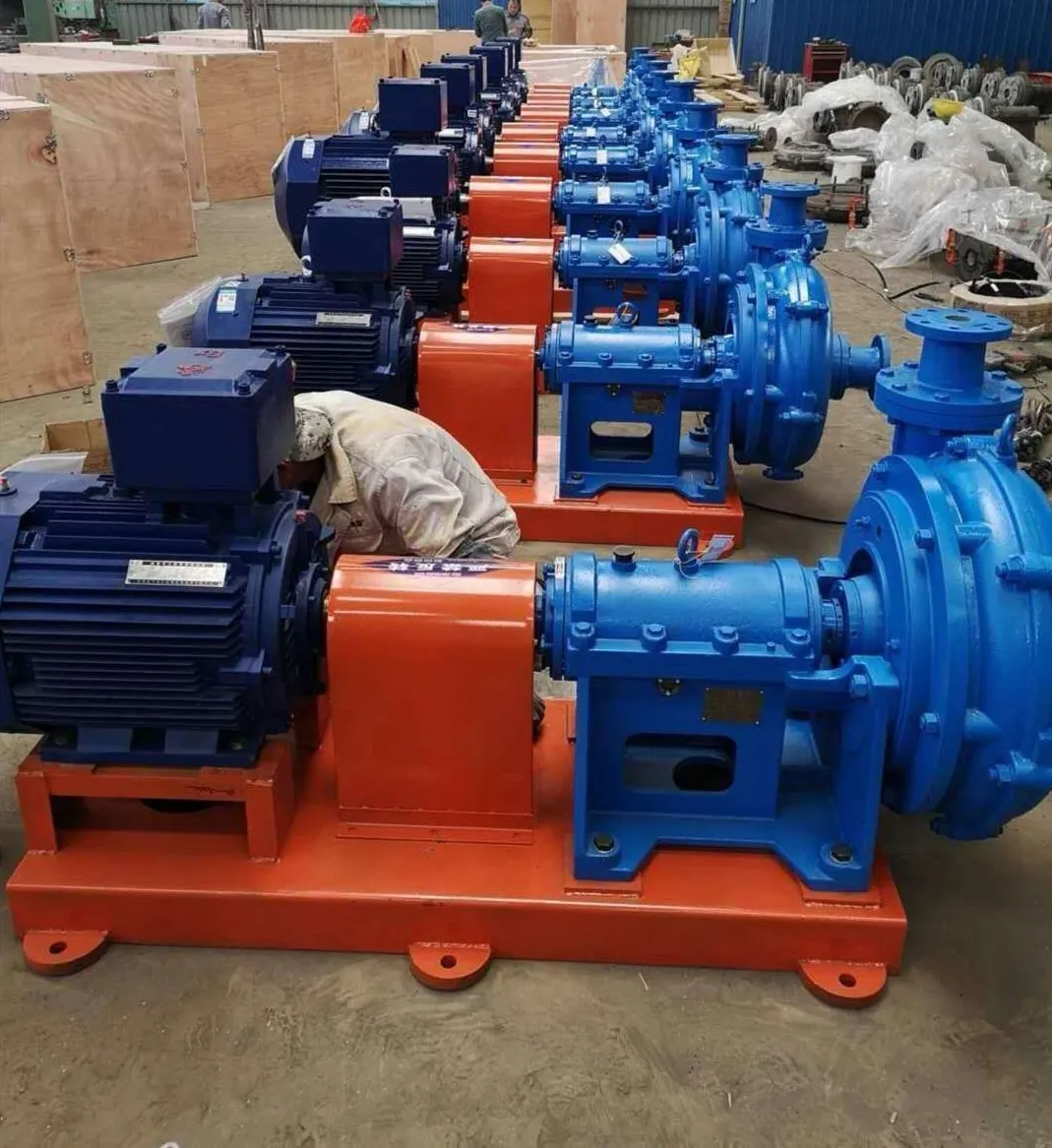
7.5 hp Submersible Sewage Pump: Engineering Performance and Manufacturing Specifications
The 7.5 hp submersible sewage pump represents a critical intersection of fluid dynamics and electro-mechanical engineering, designed specifically for the conveyance of wastewater containing suspended solids, fibrous materials, and corrosive chemical effluents. Positioned as a medium-to-high capacity solution within the industrial pumping chain, this equipment is engineered to operate fully submerged, utilizing the pumped medium for motor cooling while maintaining a hermetic seal against liquid ingress. Its core technical value lies in its ability to maintain a consistent volumetric flow rate and total dynamic head (TDH) while resisting the abrasive and corrosive nature of municipal sewage and industrial runoff. The integration of a 7.5 horsepower prime mover allows for the movement of high-viscosity fluids and larger particulates, making it indispensable for lift stations, basement sumps, and flood control systems where failure can lead to catastrophic environmental contamination and infrastructure damage.
Material Science & Manufacturing
The manufacturing of a 7.5 hp submersible sewage pump requires advanced material selection to combat the synergistic effects of erosion and corrosion. The pump housing and impeller are typically constructed from high-grade Cast Iron (ASTM A48) or Stainless Steel (AISI 304/316) depending on the chemical composition of the sewage. For applications involving aggressive pH levels, duplex stainless steels are employed to prevent pitting and crevice corrosion.
The impeller design is a critical manufacturing focal point. Non-clogging vortex impellers or channel impellers are precision-cast and then dynamically balanced to ISO 1940 standards to minimize vibration and prevent premature bearing failure. The manufacturing process involves centrifugal casting followed by CNC machining to achieve the tight tolerances required for the wear ring clearances, which directly impacts the pump's volumetric efficiency.
From an electrical perspective, the motor is wound with Class F or Class H insulation, utilizing high-temperature resistant resins to prevent dielectric breakdown under thermal stress. The shaft is typically forged from 42CrMo alloy steel, heat-treated for high torsional strength and hardness. To ensure watertight integrity, a dual-mechanical seal system is implemented, featuring silicon carbide (SiC) or tungsten carbide faces, which provide superior hardness and low friction coefficients compared to traditional rubber or carbon seals.
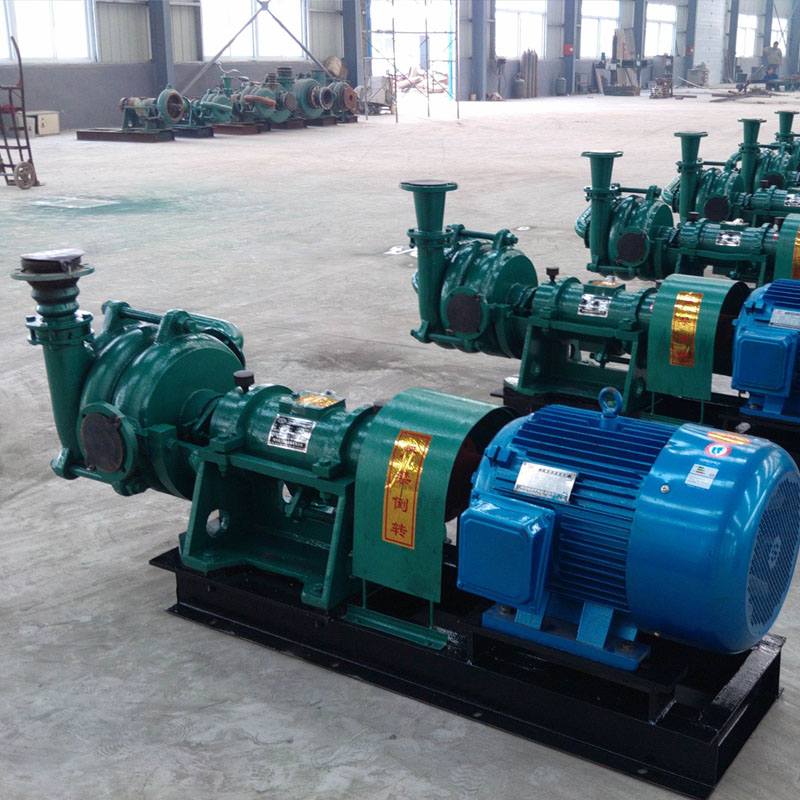
Performance & Engineering
Engineering a 7.5 hp submersible sewage pump involves complex force analysis, specifically focusing on the Net Positive Suction Head required (NPSHr) to prevent cavitation. Cavitation occurs when local pressure drops below the vapor pressure of the liquid, creating bubbles that collapse violently against the impeller surface, leading to material erosion and a significant drop in hydraulic performance. To mitigate this, the hydraulic passages are optimized using Computational Fluid Dynamics (CFD) to ensure smooth laminar flow and minimize turbulence.
The power transmission is engineered to handle the high torque requirements of starting a pump under load. The motor is designed for a high starting torque to overcome the inertia of stagnant sewage and potential solids trapped in the impeller. Environmental resistance is managed through a robust IP68-rated enclosure, ensuring that the electrical components remain isolated from the fluid. Thermal protection is integrated via an embedded bimetallic switch or PT100 sensors in the stator windings, which trigger an automatic shutdown if the motor temperature exceeds safe operating limits (typically 130°C to 155°C).
Compliance requirements dictate that the pump must operate within specific efficiency curves. The engineering goal is to align the Best Efficiency Point (BEP) with the actual operational duty point of the system. Operating too far to the left or right of the BEP increases radial thrust on the bearings, leading to accelerated wear and potential shaft deflection.
Technical Specifications
| Parameter | Standard Specification | Tolerance/Range | Testing Standard |
|---|---|---|---|
| Rated Power | 7.5 hp (approx. 5.6 kW) | ± 5% | IEC 60034-1 |
| Maximum Flow Rate | 450 - 600 GPM | Based on Head | ISO 9906 |
| Total Dynamic Head (TDH) | 80 - 120 ft | ± 3% | ANSI/HI 1.1 |
| Maximum Solid Passage | 2.0 - 3.0 inches | Spherical | Industry Standard |
| Insulation Class | Class F / Class H | 155°C / 180°C | NEMA MG-1 |
| Protection Rating | IP68 | Submerged 30m | IEC 60529 |
Failure Mode & Maintenance
Failure analysis of 7.5 hp submersible pumps typically reveals four primary failure modes: mechanical seal leakage, bearing fatigue, impeller erosion, and motor winding burnout. Mechanical seal failure is often caused by "dry running," where the lack of lubrication leads to overheating and cracking of the silicon carbide faces. Once the seal is compromised, water enters the motor chamber, leading to an immediate electrical short circuit.
Bearing fatigue is usually a result of misalignment or excessive radial loads caused by operating the pump far from its BEP. This manifests as increased noise and vibration, eventually leading to shaft seizure. Impeller erosion occurs in sewage containing high concentrations of grit or sand, which acts as an abrasive, gradually thinning the impeller vanes and reducing the pump's head capacity.
Maintenance protocols must be rigorous to ensure longevity. We recommend a quarterly inspection of the insulation resistance (Megger test) to detect early stages of winding degradation. Lubrication of the oil chamber should be performed annually, ensuring the oil is free of moisture or metallic particulates. If the pump is used in highly corrosive environments, the sacrificial anodes (zinc or magnesium) must be checked and replaced to prevent galvanic corrosion of the pump casing.
Industry FAQ
Q: How do we determine if a 7.5 hp pump is sufficient for a specific lift station?
A: Sufficiency is determined by calculating the Total Dynamic Head (TDH), which includes static lift and friction losses in the piping. If the required flow rate at the calculated TDH falls within 80% to 110% of the pump's Best Efficiency Point (BEP), the 7.5 hp rating is appropriate.
Q: What is the primary cause of frequent motor trips in these submersible units?
A: The most common causes are voltage fluctuations (undervoltage/overvoltage) and overheating due to inadequate fluid coverage. Since the pump relies on the surrounding liquid for cooling, if the liquid level drops below the motor housing, the thermal overload protector will trigger a shutdown.
Q: Can this pump handle fibrous materials like rags or wipes?
A: This depends on the impeller type. A vortex impeller is highly effective for fibrous materials as it creates a whirlpool effect that keeps solids away from the impeller. However, for heavy ragging, we recommend a pump equipped with an integrated grinder or shredder mechanism.
Q: Why is a dual mechanical seal preferred over a single seal?
A: A dual seal system provides a redundant barrier. The primary seal prevents the fluid from entering the oil chamber, while the secondary seal prevents oil from leaking into the environment. This configuration significantly reduces the risk of motor flooding if the first seal fails.
Q: What are the signs that the impeller is suffering from severe cavitation?
A: Cavitation is characterized by a distinct sound, often described as "pumping gravel," accompanied by erratic discharge pressure and increased vibration. Over time, this will result in pitting on the impeller vanes, which can be verified during a teardown inspection.
Conclusion
The 7.5 hp submersible sewage pump is a sophisticated engineering assembly that demands a deep understanding of material science and hydraulic principles to operate reliably. By integrating high-strength alloys, precision-balanced impellers, and redundant sealing systems, these pumps can withstand the harsh conditions of wastewater management. The technical success of the installation depends not only on the initial hardware specification but also on the precise alignment of the duty point with the pump's hydraulic curve to avoid premature fatigue and failure.
Looking forward, the industry is shifting toward the integration of Variable Frequency Drives (VFDs) and IoT-based condition monitoring for these units. By monitoring vibration signatures and current draw in real-time, operators can transition from reactive to predictive maintenance, significantly reducing downtime and extending the operational lifecycle of the infrastructure. Ensuring adherence to international standards remains the baseline for safety and efficiency in global sewage transport systems.
-
Precision at the Pump: How Better Machining Protects Flow and Uptime
News2026-11-20
-
Why Pump Reliability Begins Before the First Drop of Fluid
News2026-11-20
-
Beyond the Pump: Designing Safer Access Around Critical Water Infrastructure
News2026-11-20
-
Why Pumping Stations Depend on the Infrastructure Beneath the Pumps
News2026-11-20
-
Beyond the Pump Room: How Smarter Loading Protects Industrial Equipment
News2026-11-19
-
When Pumps Stop: Designing More Resilient Power for Critical Pumping Systems
News2026-11-19
-
The Hidden Role of Dust and Gas Monitoring in Reliable Pump Operations
News2026-11-19
-
The Hidden Role of Mineral Compounds in Extending Industrial Pump Lifespan
News2026-10-12
-
Why Pump System Reliability Depends on Precision Hose Assembly Methods
News2026-09-15
-
How Advanced Imaging Films Are Transforming Pump Component Quality Control
News2026-08-25
-
How Advanced Filtration Protects Pump Systems from Premature Wear and Costly Downtime
News2026-08-25
-
How Steel Material Selection Drives Pump Reliability in Heavy-Duty Systems
News2026-08-25
-
Ensuring Pump System Efficiency: The Role of High-Quality Pipe Fittings and Tubing
News2026-08-24
-
Optimizing Fluid Dynamics and Material Consistency in Industrial Processing
News2026-08-18
-
Innovations and Challenges in Hydraulic Systems for Heavy Machinery
News2026-08-13




