English
- Afrikaans
- Albanian
- Amharic
- Arabic
- Armenian
- Azerbaijani
- Basque
- Belarusian
- Bengali
- Bosnian
- Bulgarian
- Catalan
- Cebuano
- Corsican
- Croatian
- Czech
- Danish
- Dutch
- English
- Esperanto
- Estonian
- Finnish
- French
- Frisian
- Galician
- Georgian
- German
- Greek
- Gujarati
- Haitian Creole
- hausa
- hawaiian
- Hebrew
- Hindi
- Miao
- Hungarian
- Icelandic
- igbo
- Indonesian
- irish
- Italian
- Japanese
- Javanese
- Kannada
- kazakh
- Khmer
- Rwandese
- Korean
- Kurdish
- Kyrgyz
- Lao
- Latin
- Latvian
- Lithuanian
- Luxembourgish
- Macedonian
- Malgashi
- Malay
- Malayalam
- Maltese
- Maori
- Marathi
- Mongolian
- Myanmar
- Nepali
- Norwegian
- Norwegian
- Occitan
- Pashto
- Persian
- Polish
- Portuguese
- Punjabi
- Romanian
- Russian
- Samoan
- Scottish Gaelic
- Serbian
- Sesotho
- Shona
- Sindhi
- Sinhala
- Slovak
- Slovenian
- Somali
- Spanish
- Sundanese
- Swahili
- Swedish
- Tagalog
- Tajik
- Tamil
- Tatar
- Telugu
- Thai
- Turkish
- Turkmen
- Ukrainian
- Urdu
- Uighur
- Uzbek
- Vietnamese
- Welsh
- Bantu
- Yiddish
- Yoruba
- Zulu

Telephone: +86 13120555503
Email: frank@cypump.com


Apr . 01, 2024 17:55 Back to list
5 hp submersible sewage pump Performance Analysis
Introduction
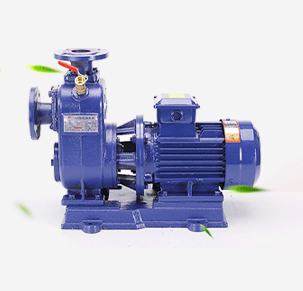
The 5 hp submersible sewage pump is a critical component in wastewater management systems, designed for the efficient and reliable transfer of solids-laden fluids. Positioned within the industrial chain as a final stage processing unit, typically following preliminary treatment such as screening, its primary function is to lift wastewater from collection points – including sumps, basements, and treatment plants – to subsequent processing or discharge locations. Core performance characteristics revolve around hydraulic capacity (flow rate measured in gallons per minute or liters per second), head (vertical lift capability in feet or meters), solids handling capability (measured in sphere diameter), and power consumption. These pumps are engineered to operate submerged in the fluid being pumped, eliminating the need for priming and offering significant advantages in environments where suction lift is problematic or unavailable. A key industry pain point is pump failure due to abrasive solids and corrosion, leading to costly downtime and maintenance. Furthermore, inefficient pump selection can result in excessive energy consumption and reduced system performance.
Material Science & Manufacturing
The construction of a 5 hp submersible sewage pump leverages several key material sciences. The pump housing is commonly cast iron (ASTM A48 Class 30) due to its cost-effectiveness, wear resistance, and ability to withstand the corrosive nature of sewage. However, for more aggressive environments, stainless steel (304 or 316, adhering to ASTM A240) is employed, offering superior corrosion resistance, albeit at a higher cost. Impeller materials typically mirror housing materials, with high-chrome cast iron alloys favored for their abrasion resistance when handling solids. Shafts are frequently constructed from 4140 alloy steel (SAE 4140), heat-treated to achieve high tensile strength and torsional rigidity, preventing deformation under load. Seals are often composed of silicon carbide ceramic (meeting standards like ISO 5419) against hardened metal faces to ensure a robust barrier against fluid leakage.
Manufacturing processes involve several stages. Casting forms the basis of the housing and impeller. Precise machining is then performed to achieve tight tolerances on critical dimensions. Impellers are often statically and dynamically balanced to minimize vibration during operation (following ISO 1940-1 standards). The electric motor, a crucial component, undergoes specialized winding and insulation processes to ensure reliable operation in a submerged environment. Motor housings are often epoxy-coated for added corrosion protection. Assembly is a multi-step process, incorporating rigorous quality control checks at each stage, including hydrostatic testing to verify the pump's ability to withstand pressure and leak testing to confirm seal integrity. Parameter control during manufacturing is paramount: impeller blade angle, housing wall thickness, and seal surface finish all directly impact pump performance and longevity.
Performance & Engineering
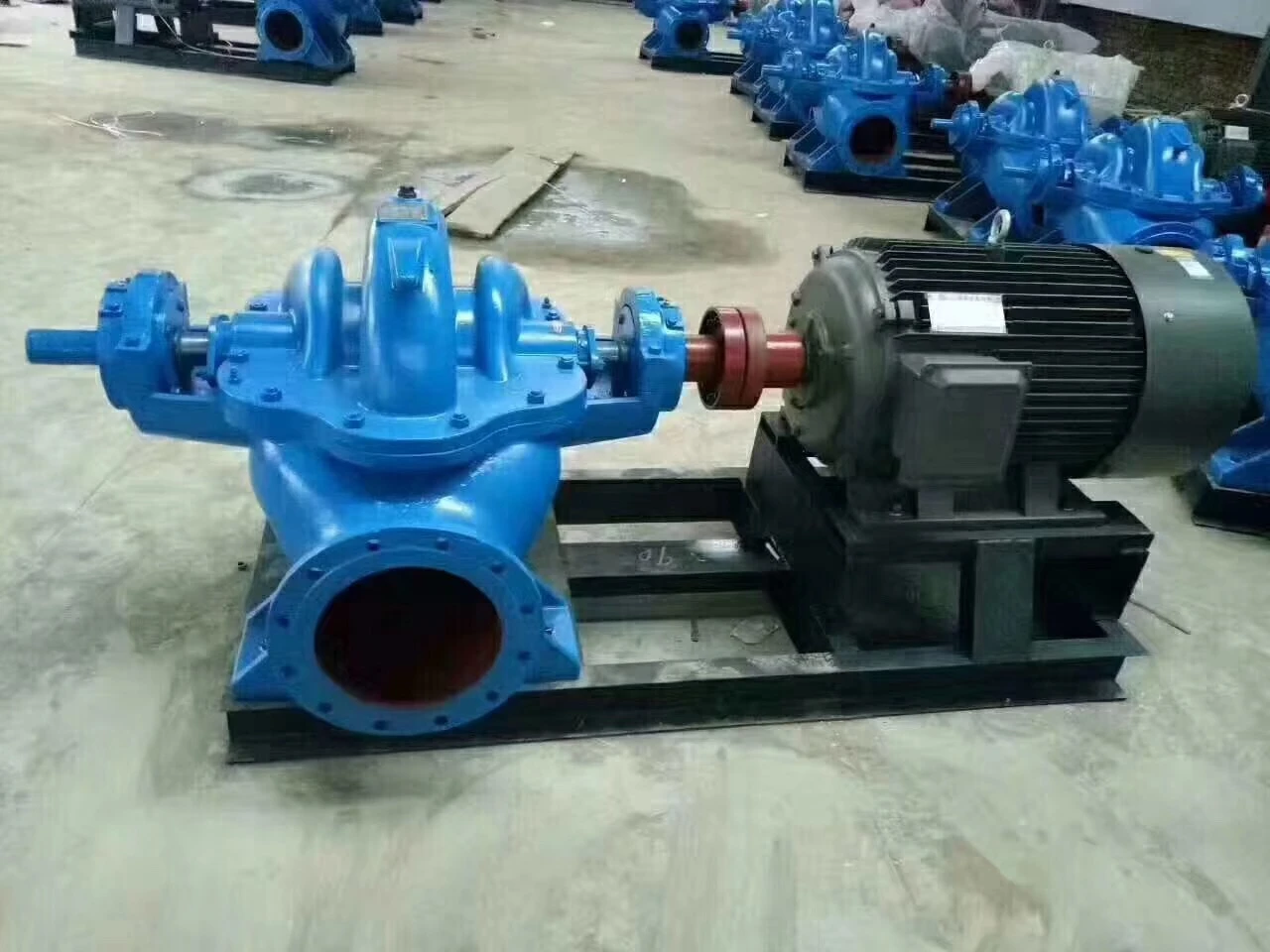
Performance analysis of a 5 hp submersible sewage pump centers on hydraulic efficiency, power consumption, and solids handling capability. Force analysis considers both static and dynamic loads. Static loads include the weight of the pump itself and the hydrostatic pressure exerted by the fluid. Dynamic loads stem from impeller rotation and the impact of solids against the impeller and housing. Engineering calculations must account for these forces to prevent structural failure.
Environmental resistance is critical. The pump must withstand continuous submersion, exposure to corrosive substances, and potentially fluctuating temperatures. Pump design incorporates features such as hermetically sealed motors (IEC 60034-8) and corrosion-resistant coatings to mitigate these effects. Compliance requirements often dictate performance standards (e.g., Hydraulic Institute standards) and safety certifications (UL, CSA). Functional implementation requires careful consideration of the system’s overall design, including piping layout, pump placement, and control systems. Proper pump selection ensures optimal flow rates and minimizes energy consumption. Variable Frequency Drives (VFDs) are increasingly used to control pump speed and optimize performance based on real-time demand. The pump’s head-capacity curve is a fundamental engineering tool used to match pump performance to specific application requirements. The design must also address the potential for clogging, incorporating features like recessed impellers or vortex impellers to facilitate the passage of solids.
Technical Specifications
| Parameter | Unit | Specification | Industry Standard |
|---|---|---|---|
| Horsepower (HP) | hp | 5 | NEMA MG 1 |
| Voltage | V | 460/3 Phase | IEC 60038 |
| Maximum Flow Rate | GPM | 150 | HI 1.6 |
| Maximum Head | ft | 60 | HI 1.6 |
| Solids Handling Capability | in | 2 | N/A |
| Impeller Type | - | Vortex | N/A |
| Housing Material | - | Cast Iron (A48 Class 30) | ASTM A48 |
Failure Mode & Maintenance
Common failure modes in 5 hp submersible sewage pumps include impeller wear due to abrasive solids, seal failure leading to motor ingress, bearing failure from excessive loading or contamination, and winding burnout due to overheating or voltage fluctuations. Fatigue cracking can occur in the pump housing or impeller due to cyclic loading. Delamination of protective coatings exposes the underlying metal to corrosion. Oxidation and corrosion are prevalent in aggressive sewage environments, particularly affecting cast iron components.
Preventative maintenance is crucial. Regular inspection of seals and bearings is recommended, with replacement scheduled based on operating hours and observed wear. Monitoring motor current and temperature can detect early signs of winding issues. Periodic cleaning of the impeller and housing removes accumulated solids and prevents clogging. Lubrication of bearings (where applicable) reduces friction and extends lifespan. Failure analysis should be conducted when a pump fails, identifying the root cause and implementing corrective actions. For example, if impeller wear is excessive, consider upgrading to a more abrasion-resistant material. If seal failures are frequent, investigate potential contamination issues or improper installation. Routine checks for corrosion are critical. Following a well-documented maintenance schedule (based on manufacturer recommendations and operational conditions) significantly extends pump life and reduces downtime.
Industry FAQ
Q: What is the impact of sewage composition on pump selection and lifespan?
A: Sewage composition, specifically the concentration of abrasive solids, corrosives, and gases (like hydrogen sulfide), significantly influences pump selection. High solids content necessitates pumps with robust impeller designs and abrasion-resistant materials. Corrosive elements require stainless steel or epoxy-coated components. High gas concentrations demand specialized seal materials and potentially explosion-proof motor designs. Ignoring these factors drastically reduces pump lifespan.
Q: How does motor design affect the pump's overall reliability in a submerged environment?
A: The motor design is paramount. Hermetically sealed motors (IEC 60034-8) are essential to prevent water ingress and winding damage. Motor insulation must be specifically rated for submerged operation and resistant to moisture and temperature fluctuations. Effective cooling mechanisms are vital to dissipate heat generated during operation. Properly sized motors prevent overloading and premature failure.
Q: What are the key considerations for selecting the appropriate impeller type for a specific sewage application?
A: Impeller type is dictated by the solids content and size. Vortex impellers excel at handling large, stringy solids with minimal clogging, but generally have lower hydraulic efficiency. Recessed impellers offer a balance between solids handling and efficiency. Open impellers are suitable for applications with minimal solids. Proper impeller selection prevents clogging and maximizes pump performance.
Q: What are the benefits of using a Variable Frequency Drive (VFD) with a submersible sewage pump?
A: VFDs allow for precise control of pump speed, optimizing performance based on real-time demand. This results in significant energy savings, reduced wear and tear on the pump, and improved system efficiency. VFDs can also provide soft starting, reducing stress on the electrical system and extending pump lifespan.
Q: How important is regular seal maintenance, and what are the signs of impending seal failure?
A: Seal maintenance is critical. Seals prevent water ingress into the motor and maintain pump efficiency. Signs of impending failure include reduced flow rate, increased motor temperature, and visible leakage around the seal. Proactive seal replacement prevents costly motor repairs and downtime. The selection of compatible seal materials is crucial for longevity.
Conclusion
The 5 hp submersible sewage pump represents a vital component in modern wastewater management, demanding careful consideration of material science, manufacturing precision, and operational parameters. Successful implementation hinges on selecting a pump capable of withstanding the harsh conditions inherent in sewage applications, prioritizing robust construction, corrosion resistance, and efficient solids handling.
Looking forward, advancements in pump technology are focusing on increased energy efficiency, predictive maintenance capabilities (through sensor integration and data analytics), and the development of more durable materials. A proactive maintenance strategy, coupled with informed pump selection based on a thorough understanding of application-specific requirements, is paramount for ensuring long-term reliability and minimizing lifecycle costs.
-
Precision at the Pump: How Better Machining Protects Flow and Uptime
News2026-11-20
-
Why Pump Reliability Begins Before the First Drop of Fluid
News2026-11-20
-
Beyond the Pump: Designing Safer Access Around Critical Water Infrastructure
News2026-11-20
-
Why Pumping Stations Depend on the Infrastructure Beneath the Pumps
News2026-11-20
-
Beyond the Pump Room: How Smarter Loading Protects Industrial Equipment
News2026-11-19
-
When Pumps Stop: Designing More Resilient Power for Critical Pumping Systems
News2026-11-19
-
The Hidden Role of Dust and Gas Monitoring in Reliable Pump Operations
News2026-11-19
-
The Hidden Role of Mineral Compounds in Extending Industrial Pump Lifespan
News2026-10-12
-
Why Pump System Reliability Depends on Precision Hose Assembly Methods
News2026-09-15
-
How Advanced Imaging Films Are Transforming Pump Component Quality Control
News2026-08-25
-
How Advanced Filtration Protects Pump Systems from Premature Wear and Costly Downtime
News2026-08-25
-
How Steel Material Selection Drives Pump Reliability in Heavy-Duty Systems
News2026-08-25
-
Ensuring Pump System Efficiency: The Role of High-Quality Pipe Fittings and Tubing
News2026-08-24
-
Optimizing Fluid Dynamics and Material Consistency in Industrial Processing
News2026-08-18
-
Innovations and Challenges in Hydraulic Systems for Heavy Machinery
News2026-08-13




