English
- Afrikaans
- Albanian
- Amharic
- Arabic
- Armenian
- Azerbaijani
- Basque
- Belarusian
- Bengali
- Bosnian
- Bulgarian
- Catalan
- Cebuano
- Corsican
- Croatian
- Czech
- Danish
- Dutch
- English
- Esperanto
- Estonian
- Finnish
- French
- Frisian
- Galician
- Georgian
- German
- Greek
- Gujarati
- Haitian Creole
- hausa
- hawaiian
- Hebrew
- Hindi
- Miao
- Hungarian
- Icelandic
- igbo
- Indonesian
- irish
- Italian
- Japanese
- Javanese
- Kannada
- kazakh
- Khmer
- Rwandese
- Korean
- Kurdish
- Kyrgyz
- Lao
- Latin
- Latvian
- Lithuanian
- Luxembourgish
- Macedonian
- Malgashi
- Malay
- Malayalam
- Maltese
- Maori
- Marathi
- Mongolian
- Myanmar
- Nepali
- Norwegian
- Norwegian
- Occitan
- Pashto
- Persian
- Polish
- Portuguese
- Punjabi
- Romanian
- Russian
- Samoan
- Scottish Gaelic
- Serbian
- Sesotho
- Shona
- Sindhi
- Sinhala
- Slovak
- Slovenian
- Somali
- Spanish
- Sundanese
- Swahili
- Swedish
- Tagalog
- Tajik
- Tamil
- Tatar
- Telugu
- Thai
- Turkish
- Turkmen
- Ukrainian
- Urdu
- Uighur
- Uzbek
- Vietnamese
- Welsh
- Bantu
- Yiddish
- Yoruba
- Zulu

Telephone: +86 13120555503
Email: frank@cypump.com


Apr . 01, 2024 17:55 Back to list
4 10 hp submersible sewage pump Performance Engineering
Introduction
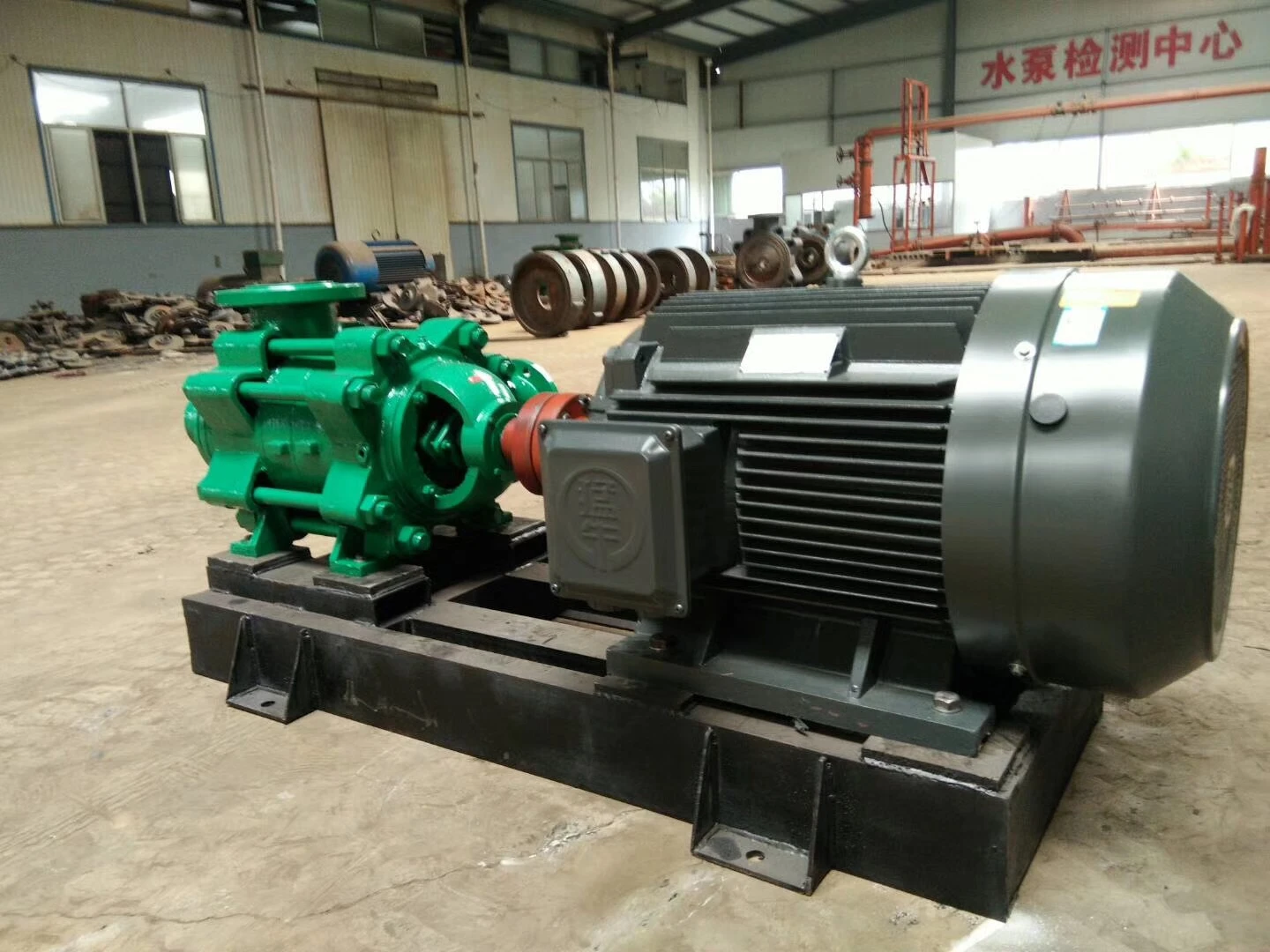
The 4” 10 HP submersible sewage pump represents a critical component in wastewater management systems, designed for the efficient transfer of solids-laden fluids. Positioned within the industrial chain as a key element of infrastructure for municipal sewage treatment plants, industrial processing facilities, and commercial building drainage, its core performance centers around reliable solids handling, high hydraulic efficiency, and durable construction suitable for continuous submerged operation. These pumps are specifically engineered to overcome the limitations of traditional centrifugal pumps when dealing with abrasive and shear-sensitive materials. The increasing stringency of environmental regulations and the need for efficient wastewater handling drive the demand for robust and reliable submersible sewage pumps. Primary industry pain points revolve around pump failure due to impeller clogging, motor burnout from overheating, and seal degradation leading to leakage. Addressing these requires careful material selection, advanced hydraulic design, and robust sealing technologies. Understanding the nuanced interplay between pump specifications, fluid characteristics, and operating conditions is crucial for optimal performance and longevity.
Material Science & Manufacturing
The construction of a 4” 10 HP submersible sewage pump involves several critical material choices. The pump housing is typically cast iron (ASTM A48 Class 30) due to its high tensile strength (20,000 - 40,000 psi) and resistance to corrosion in typical wastewater environments. However, for more aggressive chemical environments, ductile iron (ASTM A536 65-45-12) or stainless steel (316L) may be employed, offering superior corrosion resistance but at a higher cost. Impellers are often manufactured from high-chrome cast iron (ASTM A532 Type I Class 30) or hardened stainless steel (440C) to withstand the abrasive nature of solids present in sewage. These materials exhibit a hardness rating of 55-65 HRC, crucial for resisting wear. The motor housing is generally constructed from cast iron or stainless steel to provide a robust protective enclosure. Shafts are typically made of 4140 alloy steel, heat-treated to achieve high yield strength (85,000 psi minimum) and resistance to torsional stress. Seals are a critical component, frequently utilizing silicon carbide faces with Viton elastomers to provide a robust barrier against leakage. Manufacturing processes include sand casting for the housing, investment casting or machining for impellers, and precision machining for shafts and motor components. Welding processes, such as shielded metal arc welding (SMAW) or gas tungsten arc welding (GTAW), are employed for joining various components. Quality control measures include non-destructive testing (NDT) – radiographic inspection and ultrasonic testing – to ensure structural integrity and flaw detection.
Performance & Engineering
Performance engineering for a 4” 10 HP submersible sewage pump involves a detailed analysis of hydraulic forces and environmental factors. The pump's capacity, measured in gallons per minute (GPM) or cubic meters per hour (m³/h), is dictated by impeller design, rotational speed (typically 3500 RPM for 60Hz operation), and hydraulic passage dimensions. Head pressure, expressed in feet or meters, is determined by the pump's power output (10 HP equates to approximately 7.46 kW) and efficiency. Force analysis is crucial to ensure the structural integrity of the pump components under load. Finite element analysis (FEA) is often employed to simulate stress distributions within the pump housing and impeller, identifying potential weak points. Environmental resistance is paramount, requiring consideration of factors such as water temperature, pH levels, and the presence of corrosive substances. The pump must be capable of operating reliably in submerged conditions, resisting hydrostatic pressure and potential electrical hazards. Compliance requirements include adherence to NEMA standards for motor performance, UL listing for electrical safety, and potential adherence to specific regional or national wastewater discharge regulations. The pump’s motor is designed for continuous duty (S1) operation, with thermal overload protection to prevent burnout. Hydraulic efficiency is maximized through careful impeller profiling and volute casing design, minimizing energy losses due to turbulence and friction. The pump's overall efficiency typically ranges between 65% and 75%, depending on the specific design and operating conditions. Cable entry glands are designed to maintain a watertight seal, preventing water ingress and electrical shorts.
Technical Specifications
| Parameter | Specification | Unit | Test Standard |
|---|---|---|---|
| Motor Power | 10 | HP | NEMA MG 1 |
| Voltage | 460/575 | V | IEC 60038 |
| Frequency | 60 | Hz | IEC 60038 |
| Maximum Flow Rate | 200 | GPM | HI 1.6 |
| Maximum Head | 80 | ft | HI 1.6 |
| Solids Handling Capacity | 2 | inches | Internal Testing |
Failure Mode & Maintenance
Failure modes in 4” 10 HP submersible sewage pumps are varied and can significantly impact operational efficiency. Impeller clogging is a common failure, caused by the accumulation of rags, debris, and solids within the impeller passages. This leads to reduced flow rate and increased motor load. Fatigue cracking in the impeller or pump housing can occur due to cyclical loading and stress concentrations, particularly in areas around welds or geometric discontinuities. Seal failure, often manifested as leakage around the motor housing, is frequently caused by abrasive particles wearing down the seal faces or by chemical degradation of the elastomer components. Motor burnout can result from overheating due to inadequate cooling, excessive load, or voltage imbalances. Bearing failure, indicated by unusual noise or vibration, is often caused by lubrication failure or contamination. Oxidation and corrosion of metallic components can occur over time, particularly in aggressive wastewater environments. Maintenance procedures should include regular inspection of the impeller for clogging, periodic replacement of seals, lubrication of bearings according to manufacturer's specifications, and monitoring of motor temperature and voltage. Preventive maintenance programs should include scheduled pump cleaning and thorough inspection for signs of wear or corrosion. Failure analysis, involving detailed examination of failed components, is crucial for identifying root causes and implementing corrective actions. Proper electrical grounding and surge protection are essential to prevent motor damage due to electrical faults. Regularly check the power cable for damage and ensure proper cable support to prevent strain on the pump connections.
Industry FAQ
Q: What is the expected lifespan of a submersible sewage pump motor in continuous operation?
A: Typically, a well-maintained 10 HP submersible pump motor can operate reliably for 5-7 years in continuous duty. However, lifespan is heavily dependent on operating conditions – solids content, temperature, voltage stability, and frequency of starts/stops. Regular monitoring of motor temperature and vibration is crucial for early detection of potential issues.
Q: What is the acceptable level of wear for the impeller before replacement is necessary?
A: A general guideline is to replace the impeller when the leading edge exhibits a wear depth exceeding 10% of the original thickness. Significant erosion or cracking necessitates immediate replacement to prevent performance degradation and potential catastrophic failure.
Q: How does the pH level of the wastewater affect pump material selection?
A: Lower pH levels (acidic conditions) accelerate corrosion of cast iron and carbon steel components. In such environments, stainless steel (316L) or specialized alloys with enhanced corrosion resistance are recommended for the pump housing and impeller.
Q: What type of electrical protection is recommended for submersible sewage pumps?
A: A dedicated circuit breaker with overload protection is essential. Additionally, a ground fault circuit interrupter (GFCI) provides protection against electrical shock. Surge protection devices (SPDs) are recommended to mitigate damage from voltage surges.
Q: How can I minimize the risk of impeller clogging?
A: Implement a preliminary screening system upstream of the pump to remove large debris. Regularly inspect and clean the pump intake. Consider using a pump with a recessed impeller design, which is more resistant to clogging. Employ a pump with a non-clog impeller design.
Conclusion
The 4” 10 HP submersible sewage pump represents a complex engineering solution tailored for demanding wastewater handling applications. Its performance hinges on a confluence of factors—material science, precise manufacturing, and robust engineering design. Understanding the potential failure modes, proactive maintenance, and adherence to industry standards are paramount for ensuring longevity and optimal operational efficiency. This thorough evaluation and diligent implementation of best practices minimizes downtime and extends the useful life of the equipment.
Future trends in submersible pump technology will likely focus on increased energy efficiency, smart monitoring capabilities (IoT integration), and advanced materials resistant to corrosion and abrasion. Optimization of hydraulic designs through computational fluid dynamics (CFD) will continue to improve pump performance and reduce energy consumption. The integration of sensors and data analytics will enable predictive maintenance, reducing unplanned downtime and optimizing maintenance schedules. Continued research into new materials, such as ceramic composites and advanced polymers, promises to further enhance pump durability and reliability.
-
Precision at the Pump: How Better Machining Protects Flow and Uptime
News2026-11-20
-
Why Pump Reliability Begins Before the First Drop of Fluid
News2026-11-20
-
Beyond the Pump: Designing Safer Access Around Critical Water Infrastructure
News2026-11-20
-
Why Pumping Stations Depend on the Infrastructure Beneath the Pumps
News2026-11-20
-
Beyond the Pump Room: How Smarter Loading Protects Industrial Equipment
News2026-11-19
-
When Pumps Stop: Designing More Resilient Power for Critical Pumping Systems
News2026-11-19
-
The Hidden Role of Dust and Gas Monitoring in Reliable Pump Operations
News2026-11-19
-
The Hidden Role of Mineral Compounds in Extending Industrial Pump Lifespan
News2026-10-12
-
Why Pump System Reliability Depends on Precision Hose Assembly Methods
News2026-09-15
-
How Advanced Imaging Films Are Transforming Pump Component Quality Control
News2026-08-25
-
How Advanced Filtration Protects Pump Systems from Premature Wear and Costly Downtime
News2026-08-25
-
How Steel Material Selection Drives Pump Reliability in Heavy-Duty Systems
News2026-08-25
-
Ensuring Pump System Efficiency: The Role of High-Quality Pipe Fittings and Tubing
News2026-08-24
-
Optimizing Fluid Dynamics and Material Consistency in Industrial Processing
News2026-08-18
-
Innovations and Challenges in Hydraulic Systems for Heavy Machinery
News2026-08-13




