English
- Afrikaans
- Albanian
- Amharic
- Arabic
- Armenian
- Azerbaijani
- Basque
- Belarusian
- Bengali
- Bosnian
- Bulgarian
- Catalan
- Cebuano
- Corsican
- Croatian
- Czech
- Danish
- Dutch
- English
- Esperanto
- Estonian
- Finnish
- French
- Frisian
- Galician
- Georgian
- German
- Greek
- Gujarati
- Haitian Creole
- hausa
- hawaiian
- Hebrew
- Hindi
- Miao
- Hungarian
- Icelandic
- igbo
- Indonesian
- irish
- Italian
- Japanese
- Javanese
- Kannada
- kazakh
- Khmer
- Rwandese
- Korean
- Kurdish
- Kyrgyz
- Lao
- Latin
- Latvian
- Lithuanian
- Luxembourgish
- Macedonian
- Malgashi
- Malay
- Malayalam
- Maltese
- Maori
- Marathi
- Mongolian
- Myanmar
- Nepali
- Norwegian
- Norwegian
- Occitan
- Pashto
- Persian
- Polish
- Portuguese
- Punjabi
- Romanian
- Russian
- Samoan
- Scottish Gaelic
- Serbian
- Sesotho
- Shona
- Sindhi
- Sinhala
- Slovak
- Slovenian
- Somali
- Spanish
- Sundanese
- Swahili
- Swedish
- Tagalog
- Tajik
- Tamil
- Tatar
- Telugu
- Thai
- Turkish
- Turkmen
- Ukrainian
- Urdu
- Uighur
- Uzbek
- Vietnamese
- Welsh
- Bantu
- Yiddish
- Yoruba
- Zulu

Telephone: +86 13120555503
Email: frank@cypump.com


Apr . 01, 2024 17:55 Back to list
3 4 hp submersible sewage pump Performance Analysis
Introduction
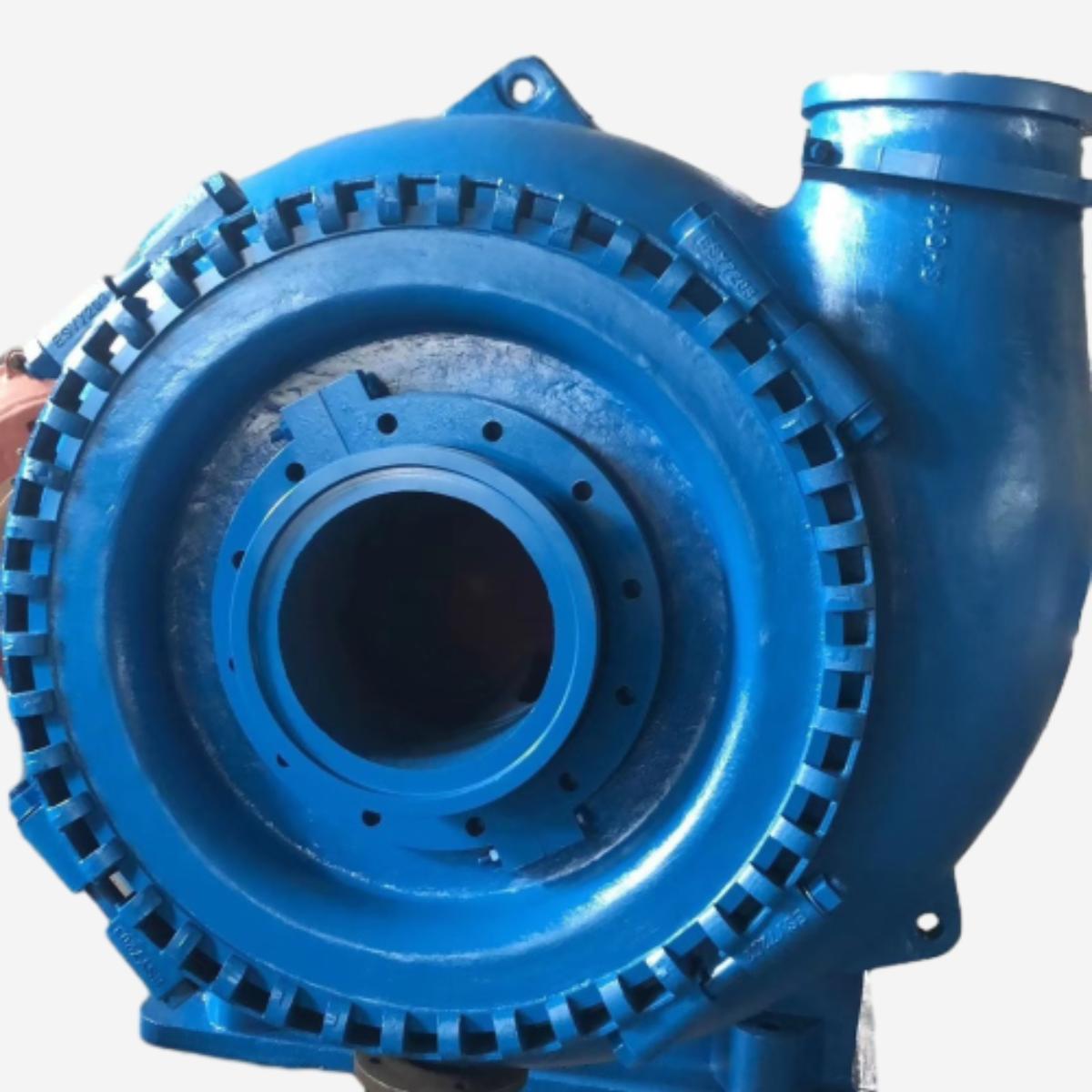
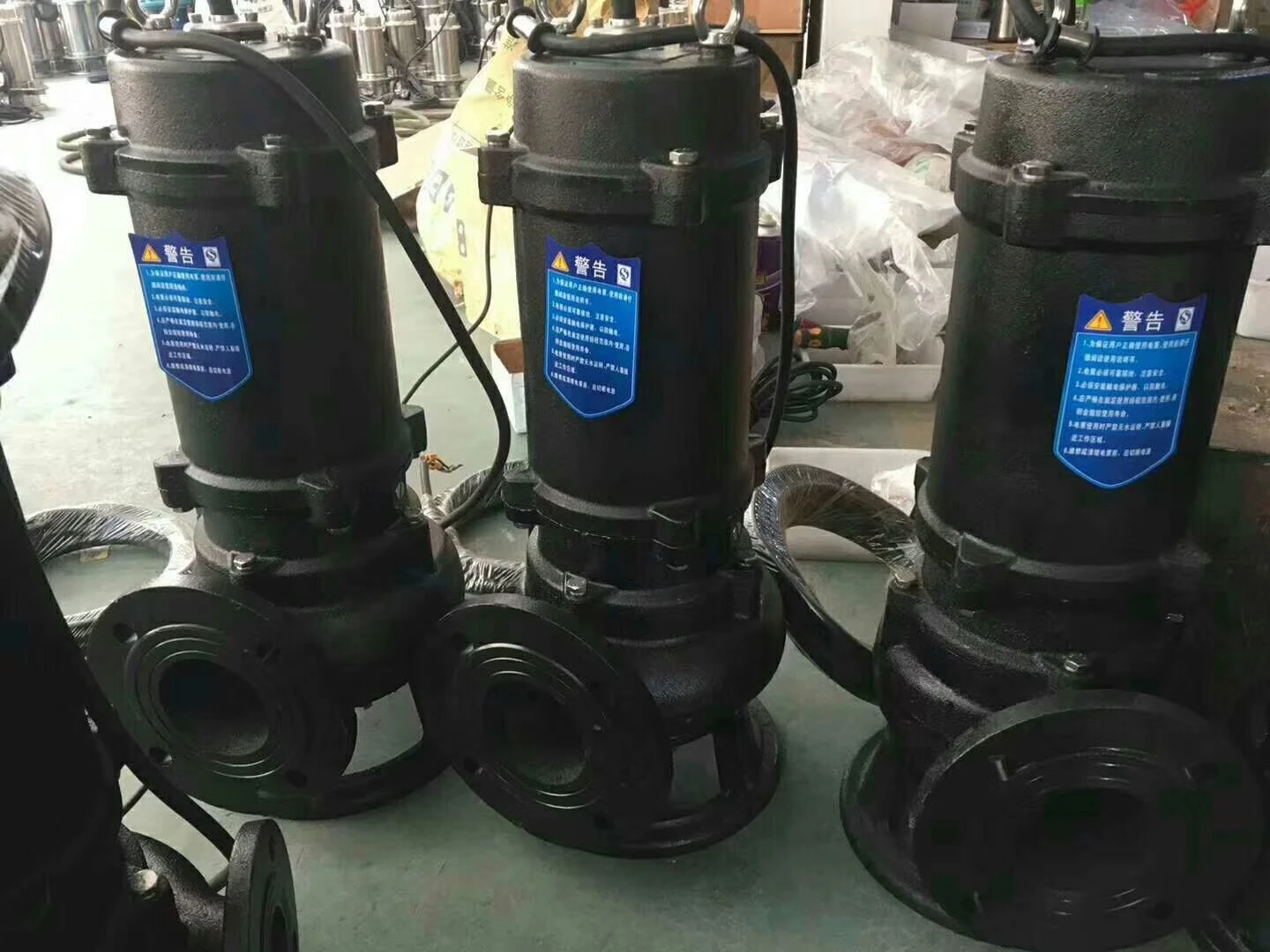
The 3-4 hp submersible sewage pump represents a critical component in wastewater management systems across municipal, industrial, and commercial applications. These pumps are designed for continuous operation in harsh environments, handling solids-laden fluids with efficiency and reliability. Positioned within the wastewater treatment chain as a primary lifting mechanism, they facilitate the movement of sewage from collection points to treatment facilities. Core performance metrics center around flow rate (gallons per minute or liters per second), head (vertical lift capability in feet or meters), solids handling capacity (maximum sphere size in millimeters or inches), and power consumption. A key challenge in the industry is balancing pump efficiency with abrasion resistance due to the presence of aggressive solids, along with maintaining long-term corrosion resistance in chemically active sewage environments. Furthermore, increasingly stringent energy efficiency regulations drive demand for higher-efficiency pump designs and variable frequency drive (VFD) compatibility. These pumps are typically constructed with cast iron housings, stainless steel impellers, and robust mechanical seals to withstand the rigors of continuous submerged operation.
Material Science & Manufacturing
The construction of a 3-4 hp submersible sewage pump relies on a careful selection of materials to ensure durability and resistance to corrosion. Pump housings are frequently manufactured from gray cast iron (ASTM A48 Class 30) due to its cost-effectiveness, vibration damping properties, and reasonable wear resistance. However, for more aggressive sewage environments, ductile iron (ASTM A536 Grade 65-45-12) is preferred for its superior tensile strength and impact resistance. Impellers are typically made from high-chrome cast iron (e.g., 18% Cr alloy) or stainless steel (304 or 316) to handle abrasive solids. Shafts are commonly constructed from 4140 alloy steel, heat-treated and hardened for optimal torsional strength. Mechanical seals, critical for preventing water ingress into the motor, utilize silicon carbide (SiC) faces paired with nitrile rubber (NBR) or Viton (FKM) elastomers, chosen for their chemical compatibility with sewage.
Manufacturing processes involve several key stages. The cast iron housings are produced via sand casting, requiring precise mold creation and controlled cooling rates to minimize porosity. Impellers are often manufactured using investment casting for complex geometries and tight tolerances. Shafts undergo machining, heat treatment, and grinding to achieve accurate dimensions and surface finish. Pump assembly requires meticulous attention to detail, including precise alignment of the impeller and shaft, proper installation of the mechanical seal, and thorough quality control checks. A critical parameter during assembly is the torque applied to fasteners, ensuring a leak-proof seal without overstressing the components. Motor winding is a crucial step, necessitating precise copper wire placement and insulation to ensure reliable operation under submerged conditions. Finally, pumps undergo rigorous hydrostatic testing to verify housing integrity and functional testing to confirm performance specifications.
Performance & Engineering
Performance analysis of a 3-4 hp submersible sewage pump centers on hydraulic efficiency, motor efficiency, and overall system performance. Hydraulic efficiency is influenced by impeller design, volute geometry, and clearance between the impeller and housing. Computational Fluid Dynamics (CFD) simulations are frequently employed to optimize impeller designs for maximizing flow rate and minimizing energy losses. Motor efficiency is governed by winding configuration, magnetic material properties, and cooling system design. The pumps are subject to rigorous force analysis, particularly concerning radial loads from the impeller and axial loads from the shaft. These loads are critical in determining bearing life and shaft deflection.
Environmental resistance is paramount. Pumps must withstand prolonged immersion in corrosive sewage, requiring careful material selection and protective coatings. Compliance requirements vary by region, encompassing standards for electrical safety (IEC 60335-2-40), hydraulic performance (ISO 9906), and environmental protection (CE marking). Functional implementation relies on a robust sealing system to prevent water ingress, a reliable motor cooling system to dissipate heat, and a durable cable gland to ensure a watertight electrical connection. The pump’s performance curve – a graphical representation of flow rate versus head – is a key engineering consideration, allowing for proper pump selection to meet specific application requirements. Proper sizing is essential to avoid cavitation (formation of vapor bubbles), which can damage the impeller, and to prevent overloading the motor.
Technical Specifications
| Parameter | Unit | 3 hp Pump | 4 hp Pump |
|---|---|---|---|
| Power | hp | 3 | 4 |
| Voltage | V | 230/460 | 230/460 |
| Phase | - | Single/Three | Single/Three |
| Maximum Flow Rate | GPM | 100 | 120 |
| Maximum Head | ft | 50 | 60 |
| Solids Handling Capacity | in | 2 | 2.5 |
| Impeller Material | - | High Chrome Iron | Stainless Steel (304) |
Failure Mode & Maintenance
Common failure modes in 3-4 hp submersible sewage pumps include mechanical seal failure, impeller wear, motor winding failure, and bearing degradation. Mechanical seal failure is often caused by abrasive particles infiltrating the seal faces, leading to leakage and eventual pump failure. Impeller wear results from erosion by solids in the sewage, reducing pump efficiency and potentially causing imbalance. Motor winding failure can occur due to overheating, insulation breakdown, or moisture ingress. Bearing degradation arises from excessive loads, inadequate lubrication, or contamination.
Preventative maintenance is crucial. Regular inspection of the mechanical seal for signs of wear or leakage is essential. Periodic cleaning of the impeller and housing to remove accumulated solids can mitigate impeller wear. Monitoring motor temperature and current draw can detect potential winding issues. Lubrication of bearings according to manufacturer recommendations extends their lifespan. Failure analysis should involve visual inspection of the failed components, examination of the oil for metal particles (indicating bearing wear), and insulation resistance testing of the motor windings. Replacement of worn parts with genuine manufacturer-approved components is critical to maintain pump performance and reliability. Periodic hydrostatic testing should also be performed to verify the integrity of the pump housing.
Industry FAQ
Q: What is the typical lifespan of a 3-4 hp submersible sewage pump in a municipal wastewater treatment plant?
A: The lifespan varies considerably based on sewage composition and maintenance practices, but a well-maintained pump typically lasts 5-10 years. Frequent exposure to highly abrasive solids significantly reduces lifespan.
Q: How does the impeller material impact pump performance in abrasive applications?
A: High-chrome cast iron impellers offer good abrasion resistance at a lower cost, but stainless steel impellers (304 or 316) provide superior corrosion resistance and are recommended for particularly aggressive environments.
Q: What are the key considerations when selecting a pump for variable flow applications?
A: Variable Frequency Drive (VFD) compatibility is crucial. The pump curve should be evaluated to ensure efficient operation across the entire flow range. Also, ensure the motor is designed for VFD operation.
Q: What are the common causes of premature mechanical seal failure?
A: Abrasive particles, dry running, chemical incompatibility, and improper installation are common culprits. Pre-filtration and regular inspection are vital.
Q: What maintenance procedures are recommended to prevent motor winding failure?
A: Regularly monitor motor temperature and current draw. Ensure proper ventilation and protect the motor from moisture ingress. Perform periodic insulation resistance testing.
Conclusion
The 3-4 hp submersible sewage pump is a vital, yet complex, piece of equipment within wastewater management systems. Its reliable operation is contingent on careful material selection, precise manufacturing processes, and adherence to stringent performance and safety standards. Understanding the potential failure modes and implementing proactive maintenance strategies are essential for maximizing lifespan and minimizing downtime.
Future developments in pump technology will likely focus on improving hydraulic efficiency through advanced impeller designs, enhancing abrasion resistance through novel material coatings, and integrating smart sensors for predictive maintenance. Continued adherence to industry standards, coupled with innovative engineering solutions, will ensure the long-term reliability and sustainability of these critical components in the global wastewater infrastructure.
-
Precision at the Pump: How Better Machining Protects Flow and Uptime
News2026-11-20
-
Why Pump Reliability Begins Before the First Drop of Fluid
News2026-11-20
-
Beyond the Pump: Designing Safer Access Around Critical Water Infrastructure
News2026-11-20
-
Why Pumping Stations Depend on the Infrastructure Beneath the Pumps
News2026-11-20
-
Beyond the Pump Room: How Smarter Loading Protects Industrial Equipment
News2026-11-19
-
When Pumps Stop: Designing More Resilient Power for Critical Pumping Systems
News2026-11-19
-
The Hidden Role of Dust and Gas Monitoring in Reliable Pump Operations
News2026-11-19
-
The Hidden Role of Mineral Compounds in Extending Industrial Pump Lifespan
News2026-10-12
-
Why Pump System Reliability Depends on Precision Hose Assembly Methods
News2026-09-15
-
How Advanced Imaging Films Are Transforming Pump Component Quality Control
News2026-08-25
-
How Advanced Filtration Protects Pump Systems from Premature Wear and Costly Downtime
News2026-08-25
-
How Steel Material Selection Drives Pump Reliability in Heavy-Duty Systems
News2026-08-25
-
Ensuring Pump System Efficiency: The Role of High-Quality Pipe Fittings and Tubing
News2026-08-24
-
Optimizing Fluid Dynamics and Material Consistency in Industrial Processing
News2026-08-18
-
Innovations and Challenges in Hydraulic Systems for Heavy Machinery
News2026-08-13




