English
- Afrikaans
- Albanian
- Amharic
- Arabic
- Armenian
- Azerbaijani
- Basque
- Belarusian
- Bengali
- Bosnian
- Bulgarian
- Catalan
- Cebuano
- Corsican
- Croatian
- Czech
- Danish
- Dutch
- English
- Esperanto
- Estonian
- Finnish
- French
- Frisian
- Galician
- Georgian
- German
- Greek
- Gujarati
- Haitian Creole
- hausa
- hawaiian
- Hebrew
- Hindi
- Miao
- Hungarian
- Icelandic
- igbo
- Indonesian
- irish
- Italian
- Japanese
- Javanese
- Kannada
- kazakh
- Khmer
- Rwandese
- Korean
- Kurdish
- Kyrgyz
- Lao
- Latin
- Latvian
- Lithuanian
- Luxembourgish
- Macedonian
- Malgashi
- Malay
- Malayalam
- Maltese
- Maori
- Marathi
- Mongolian
- Myanmar
- Nepali
- Norwegian
- Norwegian
- Occitan
- Pashto
- Persian
- Polish
- Portuguese
- Punjabi
- Romanian
- Russian
- Samoan
- Scottish Gaelic
- Serbian
- Sesotho
- Shona
- Sindhi
- Sinhala
- Slovak
- Slovenian
- Somali
- Spanish
- Sundanese
- Swahili
- Swedish
- Tagalog
- Tajik
- Tamil
- Tatar
- Telugu
- Thai
- Turkish
- Turkmen
- Ukrainian
- Urdu
- Uighur
- Uzbek
- Vietnamese
- Welsh
- Bantu
- Yiddish
- Yoruba
- Zulu

Telephone: +86 13120555503
Email: frank@cypump.com


Apr . 01, 2024 17:55 Back to list
20 hp submersible sewage pumps Material Science and Performance Analysis
Introduction
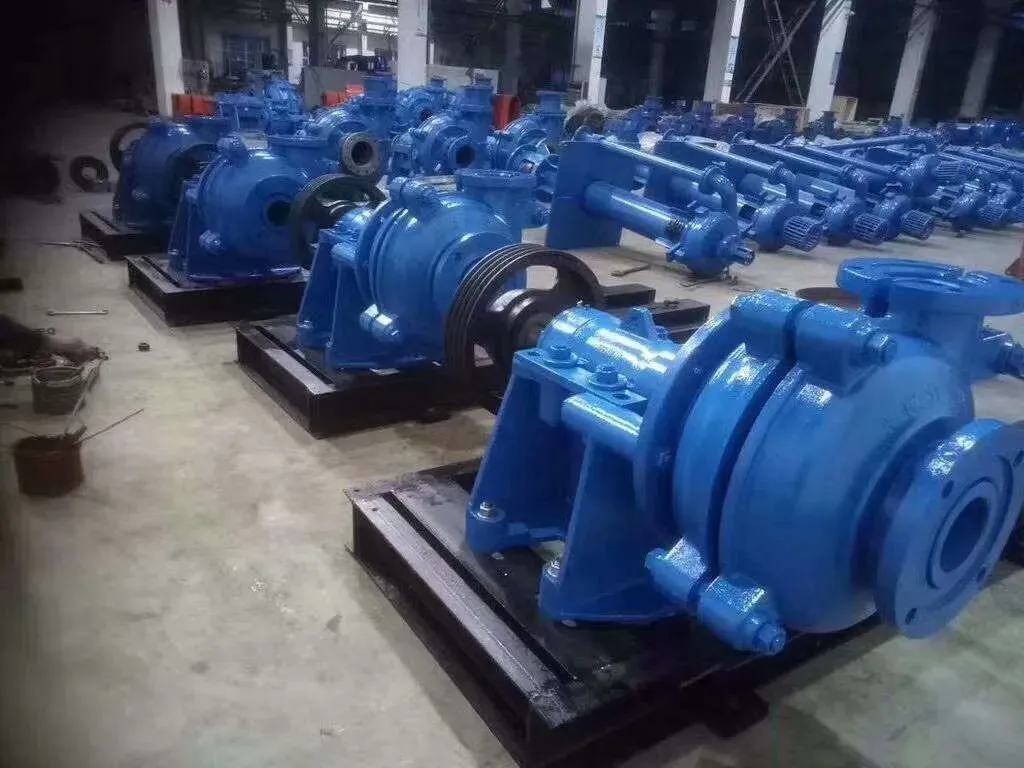
20 hp submersible sewage pumps represent a critical component in wastewater management infrastructure, serving municipal, commercial, and industrial applications. These pumps are engineered to efficiently and reliably move large volumes of wastewater, solids, and slurries. Their submerged design eliminates the need for priming and offers advantages in confined spaces and challenging environments. This technical guide provides an in-depth analysis of the material science, manufacturing processes, performance characteristics, failure modes, and relevant standards governing 20 hp submersible sewage pumps, aimed at manufacturers, engineers, and procurement specialists. The increasing demand for efficient and robust wastewater treatment solutions, coupled with stringent environmental regulations, drives the need for advanced pump technologies and a thorough understanding of their operational parameters. A core industry pain point lies in balancing pump longevity with total cost of ownership, necessitating careful material selection and optimized design to minimize wear, corrosion, and maintenance requirements.
Material Science & Manufacturing
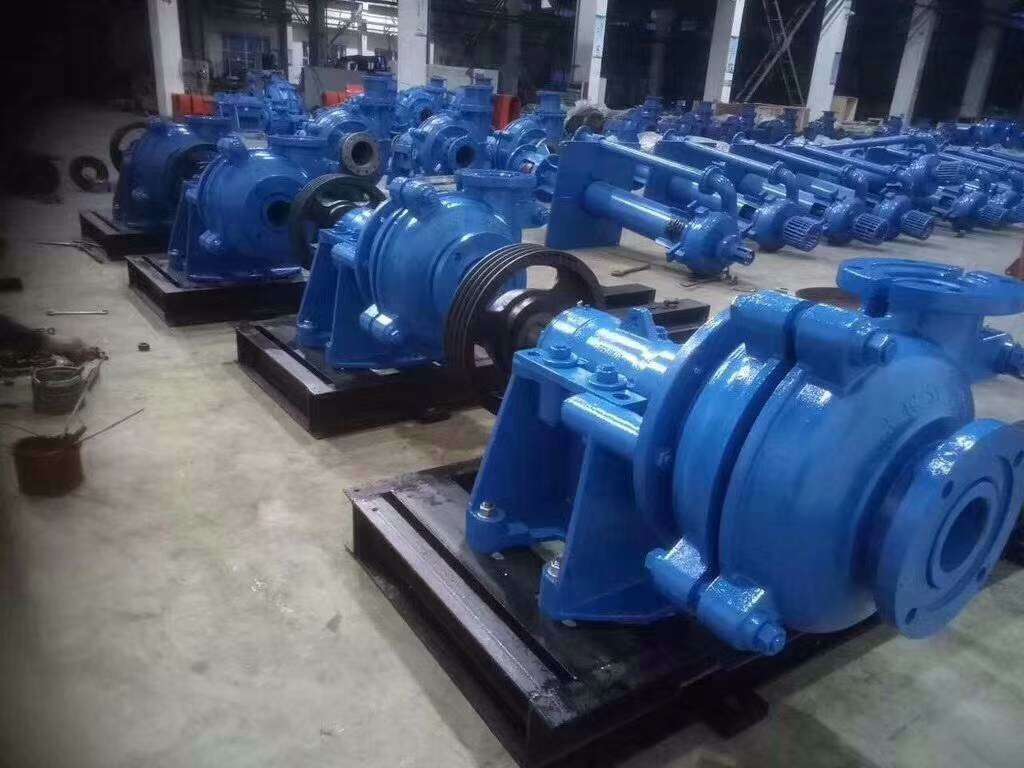
The construction of a 20 hp submersible sewage pump involves a complex interplay of materials and manufacturing processes. The pump housing is typically constructed from cast iron (ASTM A48 Class 30 or higher) due to its cost-effectiveness, rigidity, and resistance to abrasive wear. However, for corrosive environments, ductile iron with epoxy or polyurethane coating, or stainless steel (304, 316, or duplex stainless steel) are employed. Impellers are often manufactured from high-chrome cast iron or stainless steel, selected for their abrasion resistance when handling solids-laden fluids. Shafts are generally made from 4140 alloy steel, heat-treated for high tensile strength and torsional rigidity. Seals are crucial for preventing water ingress and are typically comprised of silicon carbide faces with Viton or EPDM elastomers, chosen for chemical compatibility with sewage. Manufacturing processes include: Casting: The housing and impeller are formed via sand casting, requiring precise mold design and controlled cooling rates to minimize porosity. Machining: Critical dimensions are achieved through CNC machining, ensuring tight tolerances for impeller balance and shaft alignment. Welding: Where necessary (e.g., for mounting brackets), submerged arc welding (SAW) or shielded metal arc welding (SMAW) are used, with strict adherence to AWS D1.1 standards. Coating: Epoxy or polyurethane coatings are applied to the housing to enhance corrosion resistance. Assembly: Precise assembly procedures are followed to ensure proper seal installation and impeller clearance. Parameter control during casting involves monitoring melt temperature, pouring rate, and sand composition. Machining parameters are optimized for material removal rate and surface finish. Welding parameters require control of current, voltage, and shielding gas flow.
Performance & Engineering
The performance of a 20 hp submersible sewage pump is dictated by hydraulic design and motor characteristics. Key performance parameters include flow rate (measured in GPM or m³/hr), head (measured in feet or meters), and pump efficiency. The impeller geometry, including vane angle and number of vanes, significantly impacts flow and head. Computational Fluid Dynamics (CFD) simulations are employed to optimize impeller design for maximum efficiency and solids handling capability. The electric motor is typically a three-phase induction motor, designed for continuous submerged operation. Motor selection considers voltage, frequency, insulation class (typically Class H), and enclosure type (totally enclosed fan-cooled or totally enclosed non-ventilated). Force analysis involves assessing the radial and axial loads on the impeller shaft, ensuring adequate bearing capacity and preventing shaft deflection. Environmental resistance is critical, requiring pumps to withstand temperature fluctuations, chemical exposure (hydrogen sulfide, methane), and potential abrasion from solids. Compliance requirements include adherence to Hydraulic Institute standards (HI) for pump performance testing and NEMA standards for motor specifications. Furthermore, submersible pumps must meet electrical safety standards (UL 508A, CSA C22.2 No. 100) to prevent electrical hazards in wet environments.
Technical Specifications
| Parameter | Unit | Specification | Test Standard |
|---|---|---|---|
| Rated Power | hp | 20 | NEMA MG 1 |
| Flow Rate (Typical) | GPM | 400-800 | HI 1.6 |
| Total Dynamic Head (Typical) | ft | 80-150 | HI 1.6 |
| Solids Handling Capability | in | Up to 3 | Internal Testing |
| Impeller Material | - | High-Chrome Cast Iron / Stainless Steel 316 | ASTM A532 / ASTM A743 |
| Housing Material | - | Ductile Iron with Epoxy Coating / Stainless Steel 316 | ASTM A536 / ASTM A743 |
| Seal Material | - | Silicon Carbide / Viton / EPDM | Internal Testing |
Failure Mode & Maintenance
Submersible sewage pumps are susceptible to various failure modes. Fatigue cracking in the impeller or housing can occur due to cyclical loading and stress concentration, particularly in areas with geometric discontinuities. Corrosion, especially pitting corrosion in stainless steel components, is accelerated by the presence of chlorides and sulfides in sewage. Abrasion from solids leads to impeller wear and reduced pump efficiency. Seal failure results in water ingress and motor damage. Bearing failure, often caused by contamination or inadequate lubrication, leads to increased vibration and potential pump seizure. Winding failure in the motor can occur due to overheating or insulation breakdown. Preventative maintenance includes regular inspection of seals and bearings, monitoring vibration levels, performing insulation resistance testing on the motor windings, and periodically cleaning the pump housing to remove debris. Lubrication of bearings with appropriate grease is critical. When replacing components, it's essential to use OEM-approved parts or equivalent materials. Failure analysis should be conducted to determine the root cause of failures and implement corrective actions to prevent recurrence. Scheduled maintenance programs, incorporating these procedures, are essential for maximizing pump lifespan and minimizing downtime.
Industry FAQ
Q: What is the optimal impeller material for handling highly abrasive sewage?
A: For highly abrasive sewage, high-chrome cast iron is generally the preferred impeller material. The high chromium content imparts excellent wear resistance, extending the impeller's service life. However, for extremely aggressive environments, hardened stainless steel alloys may be considered, despite their higher cost. A careful analysis of the solids composition and concentration in the sewage is crucial for selecting the most appropriate material.
Q: How does the motor enclosure type impact pump longevity?
A: The motor enclosure type significantly impacts pump longevity. Totally Enclosed Non-Ventilated (TENV) motors are generally preferred for submersible sewage pumps because they prevent the ingress of moisture and contaminants. Totally Enclosed Fan-Cooled (TEFC) motors, while providing better heat dissipation, are more susceptible to contamination if the fan is not adequately sealed. Ensuring the enclosure integrity is paramount for preventing motor failures.
Q: What are the key considerations for selecting a pump seal material?
A: Key considerations for seal material selection include chemical compatibility with the sewage composition, abrasion resistance, and temperature range. Silicon carbide faces offer excellent hardness and wear resistance. Elastomer selection (Viton, EPDM) depends on the specific chemicals present in the sewage; Viton generally offers broader chemical resistance, while EPDM is preferred for certain chlorinated environments. Regular seal inspection and replacement are crucial for preventing pump failures.
Q: What is the significance of the pump's power factor?
A: The pump’s power factor indicates the efficiency of power utilization. A lower power factor increases current draw, leading to higher energy consumption and potential overheating. Maintaining a high power factor (typically above 0.85) is important for minimizing energy costs and ensuring reliable pump operation. Power factor correction capacitors can be used to improve the power factor if necessary.
Q: How can vibration analysis be used to predict pump failures?
A: Vibration analysis is a powerful predictive maintenance tool. Changes in vibration patterns can indicate developing issues such as bearing wear, impeller imbalance, or misalignment. Regular vibration monitoring allows for early detection of these problems, enabling proactive maintenance and preventing catastrophic failures. Analyzing the frequency and amplitude of vibration signals can pinpoint the source of the issue.
Conclusion
The reliable operation of 20 hp submersible sewage pumps is fundamental to effective wastewater management. This guide highlighted the critical importance of material selection, precise manufacturing processes, and rigorous performance testing. Understanding the potential failure modes and implementing proactive maintenance strategies are essential for maximizing pump lifespan and minimizing operational costs. The trend towards smarter pump systems, incorporating sensors and data analytics, promises to further enhance pump performance and reliability.
Future developments will likely focus on advanced materials with improved corrosion and abrasion resistance, optimized impeller designs for higher efficiency, and integrated monitoring systems for predictive maintenance. Adherence to industry standards (HI, NEMA, UL, CSA) remains paramount for ensuring product safety and performance. Continued research and development in pump technology will be vital for addressing the evolving challenges of wastewater treatment and environmental sustainability.
-
Precision at the Pump: How Better Machining Protects Flow and Uptime
News2026-11-20
-
Why Pump Reliability Begins Before the First Drop of Fluid
News2026-11-20
-
Beyond the Pump: Designing Safer Access Around Critical Water Infrastructure
News2026-11-20
-
Why Pumping Stations Depend on the Infrastructure Beneath the Pumps
News2026-11-20
-
Beyond the Pump Room: How Smarter Loading Protects Industrial Equipment
News2026-11-19
-
When Pumps Stop: Designing More Resilient Power for Critical Pumping Systems
News2026-11-19
-
The Hidden Role of Dust and Gas Monitoring in Reliable Pump Operations
News2026-11-19
-
The Hidden Role of Mineral Compounds in Extending Industrial Pump Lifespan
News2026-10-12
-
Why Pump System Reliability Depends on Precision Hose Assembly Methods
News2026-09-15
-
How Advanced Imaging Films Are Transforming Pump Component Quality Control
News2026-08-25
-
How Advanced Filtration Protects Pump Systems from Premature Wear and Costly Downtime
News2026-08-25
-
How Steel Material Selection Drives Pump Reliability in Heavy-Duty Systems
News2026-08-25
-
Ensuring Pump System Efficiency: The Role of High-Quality Pipe Fittings and Tubing
News2026-08-24
-
Optimizing Fluid Dynamics and Material Consistency in Industrial Processing
News2026-08-18
-
Innovations and Challenges in Hydraulic Systems for Heavy Machinery
News2026-08-13




