English
- Afrikaans
- Albanian
- Amharic
- Arabic
- Armenian
- Azerbaijani
- Basque
- Belarusian
- Bengali
- Bosnian
- Bulgarian
- Catalan
- Cebuano
- Corsican
- Croatian
- Czech
- Danish
- Dutch
- English
- Esperanto
- Estonian
- Finnish
- French
- Frisian
- Galician
- Georgian
- German
- Greek
- Gujarati
- Haitian Creole
- hausa
- hawaiian
- Hebrew
- Hindi
- Miao
- Hungarian
- Icelandic
- igbo
- Indonesian
- irish
- Italian
- Japanese
- Javanese
- Kannada
- kazakh
- Khmer
- Rwandese
- Korean
- Kurdish
- Kyrgyz
- Lao
- Latin
- Latvian
- Lithuanian
- Luxembourgish
- Macedonian
- Malgashi
- Malay
- Malayalam
- Maltese
- Maori
- Marathi
- Mongolian
- Myanmar
- Nepali
- Norwegian
- Norwegian
- Occitan
- Pashto
- Persian
- Polish
- Portuguese
- Punjabi
- Romanian
- Russian
- Samoan
- Scottish Gaelic
- Serbian
- Sesotho
- Shona
- Sindhi
- Sinhala
- Slovak
- Slovenian
- Somali
- Spanish
- Sundanese
- Swahili
- Swedish
- Tagalog
- Tajik
- Tamil
- Tatar
- Telugu
- Thai
- Turkish
- Turkmen
- Ukrainian
- Urdu
- Uighur
- Uzbek
- Vietnamese
- Welsh
- Bantu
- Yiddish
- Yoruba
- Zulu

Telephone: +86 13120555503
Email: frank@cypump.com


Apr . 01, 2024 17:55 Back to list
20 hp Submersible Sewage Pumps Competitive Quotes for Performance Analysis
Introduction
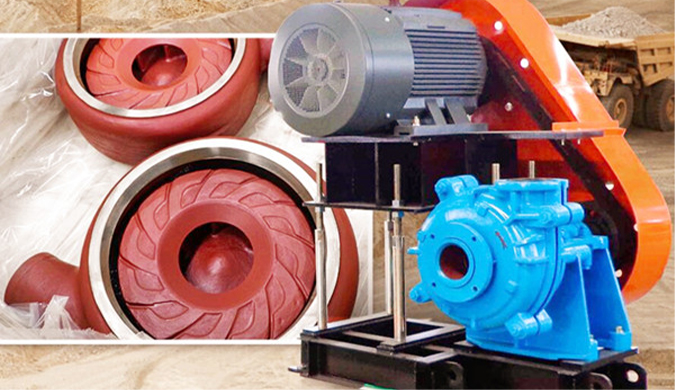
20 horsepower (hp) submersible sewage pumps are critical components in wastewater treatment, municipal infrastructure, and industrial fluid handling. These pumps are designed to efficiently transfer large volumes of sewage, sludge, and effluent, often containing abrasive solids. Competitive quoting in this market necessitates a deep understanding of hydraulic performance, materials science, motor efficiency, and total cost of ownership (TCO). This guide provides an in-depth technical analysis for procurement professionals evaluating these pumps, focusing on key performance indicators (KPIs) beyond initial purchase price. The sewage pump industry faces challenges related to pump longevity in corrosive environments, energy consumption regulations, and the increasing demand for reduced maintenance intervals. Proper specification and vendor selection are crucial to mitigate these risks and ensure reliable, cost-effective operation. This document details critical material considerations, manufacturing processes, performance engineering, potential failure modes, and relevant industry standards impacting the long-term viability of 20 hp submersible sewage pumps.
Material Science & Manufacturing
The performance and lifespan of a 20 hp submersible sewage pump are heavily influenced by the materials used in its construction. Pump casings are commonly constructed from ductile iron (ASTM A536 Grade 65-45-12) due to its high tensile strength, impact resistance, and corrosion resistance, especially when coated with epoxy or polyurethane. Impellers, handling abrasive solids, are typically manufactured from high-chrome cast iron (typically 15-28% chromium) to provide enhanced wear resistance. Motor housings typically utilize cast iron or stainless steel (304/316). Shafts require high-strength alloy steel (e.g., 4140, heat treated) for torsional strength and resistance to fatigue failure. Seals are a critical component and commonly employ silicon carbide (SiC) faces against SiC or tungsten carbide (WC) faces for abrasion resistance and chemical compatibility. Manufacturing processes vary, but typically include: casting for the pump casing and impeller; machining for precise tolerances on impeller vanes and shaft surfaces; welding (SMAW, GMAW) for assembly of certain components; and epoxy coating/painting for corrosion protection. Critical parameter control during impeller casting includes sand composition, melt temperature, and cooling rate to minimize porosity and ensure balanced impeller performance. Proper heat treatment of the shaft is essential to achieve the desired hardness and temper for optimal strength and ductility. Seal manufacturing requires extremely precise lapping and polishing of the seal faces to ensure leak-free operation. Quality control measures include non-destructive testing (NDT) methods such as ultrasonic testing (UT) and radiographic inspection (RT) to detect internal flaws in castings and welds.
Performance & Engineering
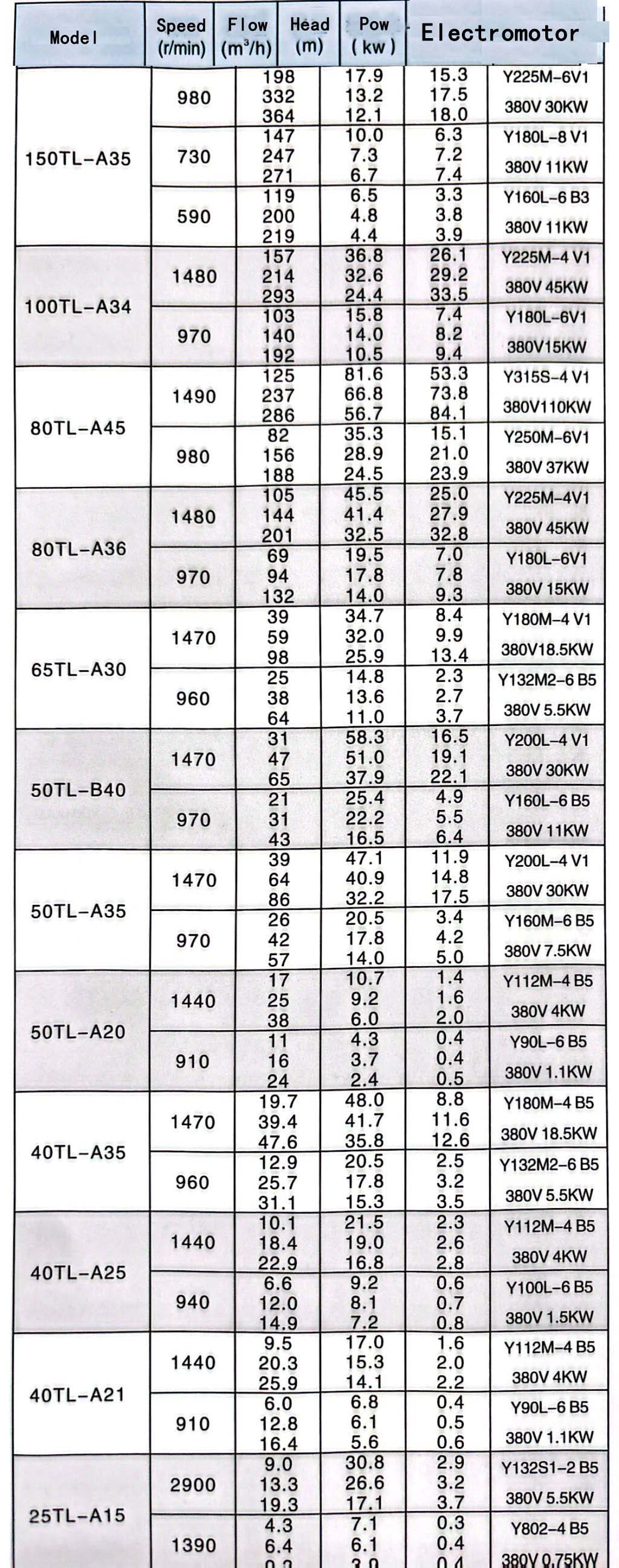
Performance engineering of 20 hp submersible sewage pumps centers on maximizing hydraulic efficiency, minimizing energy consumption, and ensuring reliable operation in demanding environments. Force analysis considers static loads from the pump's weight and dynamic loads generated by fluid flow and solid impacts. Pump curves (head vs. flow rate) are essential for selecting the appropriate pump for a given application. The pump's hydraulic design – impeller geometry, volute shape, and diffuser configuration – significantly impacts its efficiency. Environmental resistance is crucial; pumps must withstand constant immersion in corrosive wastewater. Epoxy coatings and stainless steel components mitigate corrosion. Compliance requirements include adherence to hydraulic institute standards (HI) for pump performance testing and NEMA standards for motor efficiency. Functional implementation requires careful consideration of the pump's installation and control system. Variable Frequency Drives (VFDs) can be used to adjust pump speed and flow rate, optimizing energy consumption and reducing stress on the pump. A properly designed suction strainer prevents solids from entering the pump and causing damage. The pump's motor must be appropriately sized and protected against overload conditions. Proper shaft alignment is critical to minimize vibration and bearing wear. Understanding the system head curve (static head + friction losses) is paramount to correctly match the pump to the application.
Technical Specifications
| Parameter | Units | Typical Range (20 hp) | Critical Considerations |
|---|---|---|---|
| Flow Rate | GPM (Gallons per Minute) | 300 – 700 | Match to system demand; consider solids handling capability. |
| Total Dynamic Head | Feet | 50 – 150 | Account for static lift, friction losses, and pressure requirements. |
| Motor Power | HP (Horsepower) | 20 | Ensure sufficient power for the application; consider efficiency rating (NEMA Premium). |
| Impeller Diameter | Inches | 8 – 12 | Larger diameter generally results in higher head, smaller diameter in higher flow. |
| Solids Handling Capability | Inches | 2 – 4 | Critical for sewage applications; larger solids require larger impeller passages. |
| Maximum Submergence | Feet | 60 – 100 | Consider the maximum water level in the basin. |
Failure Mode & Maintenance
Common failure modes for 20 hp submersible sewage pumps include impeller wear, seal failure, motor winding failure, and corrosion. Impeller wear is caused by abrasion from solids in the sewage. Seal failure is often a result of abrasive particles damaging the seal faces or chemical attack on the seal materials. Motor winding failure can occur due to overheating, moisture ingress, or insulation breakdown. Corrosion is a prevalent issue in wastewater environments and can affect the pump casing, impeller, and motor housing. Failure analysis should include visual inspection for wear and corrosion, electrical testing of the motor windings, and seal examination. Preventative maintenance is crucial. Recommended maintenance procedures include regular inspection of the pump for wear and corrosion, lubrication of bearings, replacement of seals at scheduled intervals (typically 12-24 months), and monitoring of motor current and voltage. Periodic cleaning of the pump casing and impeller can remove accumulated debris and improve performance. Motor insulation resistance testing should be performed regularly to detect potential winding faults. Proper storage of spare parts is essential for minimizing downtime. For fatigue cracking, stress analysis and material selection are crucial to mitigate risks. Delamination of coatings is common; proper surface preparation prior to coating application is essential. Degradation of rubber components requires periodic replacement. Oxidation of metal components can be prevented through corrosion inhibitors and protective coatings.
Industry FAQ
Q: What is the importance of motor efficiency (NEMA Premium) when evaluating competitive quotes?
A: Motor efficiency directly impacts operating costs. A NEMA Premium Efficiency motor consumes less energy than a standard efficiency motor, resulting in lower electricity bills over the pump's lifespan. While the initial purchase price may be higher, the long-term savings from reduced energy consumption often outweigh the initial cost difference. Furthermore, many utility companies offer rebates for installing high-efficiency equipment.
Q: How does solids handling capability affect pump selection and cost?
A: Higher solids handling capability typically requires larger impeller passages and a more robust pump design, increasing the manufacturing cost. However, selecting a pump with inadequate solids handling can lead to frequent blockages, reduced performance, and premature failure. A thorough assessment of the expected solids content and size is essential.
Q: What are the typical maintenance requirements and associated costs for these pumps?
A: Typical maintenance includes seal replacement (every 12-24 months), bearing lubrication, and impeller inspection. Costs vary depending on labor rates and parts prices, but can range from $500 to $2000 per year. Proactive maintenance programs can minimize unexpected downtime and extend pump lifespan.
Q: How does the pump’s casing material impact its longevity in corrosive sewage environments?
A: Ductile iron with epoxy or polyurethane coating provides good corrosion resistance, but stainless steel (316) offers superior protection in highly corrosive environments. While stainless steel is more expensive upfront, it can significantly extend the pump’s lifespan, reducing the total cost of ownership.
Q: What certifications and standards should I look for when evaluating quotes?
A: Look for pumps that comply with Hydraulic Institute (HI) standards for performance testing and NEMA standards for motor efficiency. ISO 9001 certification demonstrates the manufacturer’s commitment to quality management systems. Compliance with relevant environmental regulations is also important.
Conclusion
Selecting the optimal 20 hp submersible sewage pump necessitates a comprehensive evaluation extending beyond initial cost. Material science plays a crucial role, with ductile iron and high-chrome cast iron being standard choices, balanced by the need for robust corrosion protection. Performance engineering focuses on maximizing hydraulic efficiency and adapting to specific system requirements, often leveraging VFD technology. Understanding potential failure modes, such as impeller wear and seal failure, and implementing a proactive maintenance program are essential for long-term reliability and reduced total cost of ownership.
Ultimately, a well-informed procurement decision prioritizes not only upfront cost but also long-term performance, energy efficiency, and minimal downtime. Thoroughly reviewing technical specifications, comparing quotes based on a standardized set of criteria, and verifying compliance with industry standards (HI, NEMA, ISO) are crucial steps in ensuring the selection of a high-quality, reliable 20 hp submersible sewage pump that meets the specific needs of the application. Careful consideration of the factors outlined in this guide will empower procurement professionals to make informed decisions, mitigate risks, and optimize the long-term value of their investment.
-
Precision at the Pump: How Better Machining Protects Flow and Uptime
News2026-11-20
-
Why Pump Reliability Begins Before the First Drop of Fluid
News2026-11-20
-
Beyond the Pump: Designing Safer Access Around Critical Water Infrastructure
News2026-11-20
-
Why Pumping Stations Depend on the Infrastructure Beneath the Pumps
News2026-11-20
-
Beyond the Pump Room: How Smarter Loading Protects Industrial Equipment
News2026-11-19
-
When Pumps Stop: Designing More Resilient Power for Critical Pumping Systems
News2026-11-19
-
The Hidden Role of Dust and Gas Monitoring in Reliable Pump Operations
News2026-11-19
-
The Hidden Role of Mineral Compounds in Extending Industrial Pump Lifespan
News2026-10-12
-
Why Pump System Reliability Depends on Precision Hose Assembly Methods
News2026-09-15
-
How Advanced Imaging Films Are Transforming Pump Component Quality Control
News2026-08-25
-
How Advanced Filtration Protects Pump Systems from Premature Wear and Costly Downtime
News2026-08-25
-
How Steel Material Selection Drives Pump Reliability in Heavy-Duty Systems
News2026-08-25
-
Ensuring Pump System Efficiency: The Role of High-Quality Pipe Fittings and Tubing
News2026-08-24
-
Optimizing Fluid Dynamics and Material Consistency in Industrial Processing
News2026-08-18
-
Innovations and Challenges in Hydraulic Systems for Heavy Machinery
News2026-08-13




