English
- Afrikaans
- Albanian
- Amharic
- Arabic
- Armenian
- Azerbaijani
- Basque
- Belarusian
- Bengali
- Bosnian
- Bulgarian
- Catalan
- Cebuano
- Corsican
- Croatian
- Czech
- Danish
- Dutch
- English
- Esperanto
- Estonian
- Finnish
- French
- Frisian
- Galician
- Georgian
- German
- Greek
- Gujarati
- Haitian Creole
- hausa
- hawaiian
- Hebrew
- Hindi
- Miao
- Hungarian
- Icelandic
- igbo
- Indonesian
- irish
- Italian
- Japanese
- Javanese
- Kannada
- kazakh
- Khmer
- Rwandese
- Korean
- Kurdish
- Kyrgyz
- Lao
- Latin
- Latvian
- Lithuanian
- Luxembourgish
- Macedonian
- Malgashi
- Malay
- Malayalam
- Maltese
- Maori
- Marathi
- Mongolian
- Myanmar
- Nepali
- Norwegian
- Norwegian
- Occitan
- Pashto
- Persian
- Polish
- Portuguese
- Punjabi
- Romanian
- Russian
- Samoan
- Scottish Gaelic
- Serbian
- Sesotho
- Shona
- Sindhi
- Sinhala
- Slovak
- Slovenian
- Somali
- Spanish
- Sundanese
- Swahili
- Swedish
- Tagalog
- Tajik
- Tamil
- Tatar
- Telugu
- Thai
- Turkish
- Turkmen
- Ukrainian
- Urdu
- Uighur
- Uzbek
- Vietnamese
- Welsh
- Bantu
- Yiddish
- Yoruba
- Zulu

Telephone: +86 13120555503
Email: frank@cypump.com


Apr . 01, 2024 17:55 Back to list
2 hp submersible sewage pump Performance Engineering
Introduction
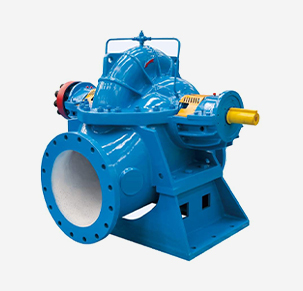
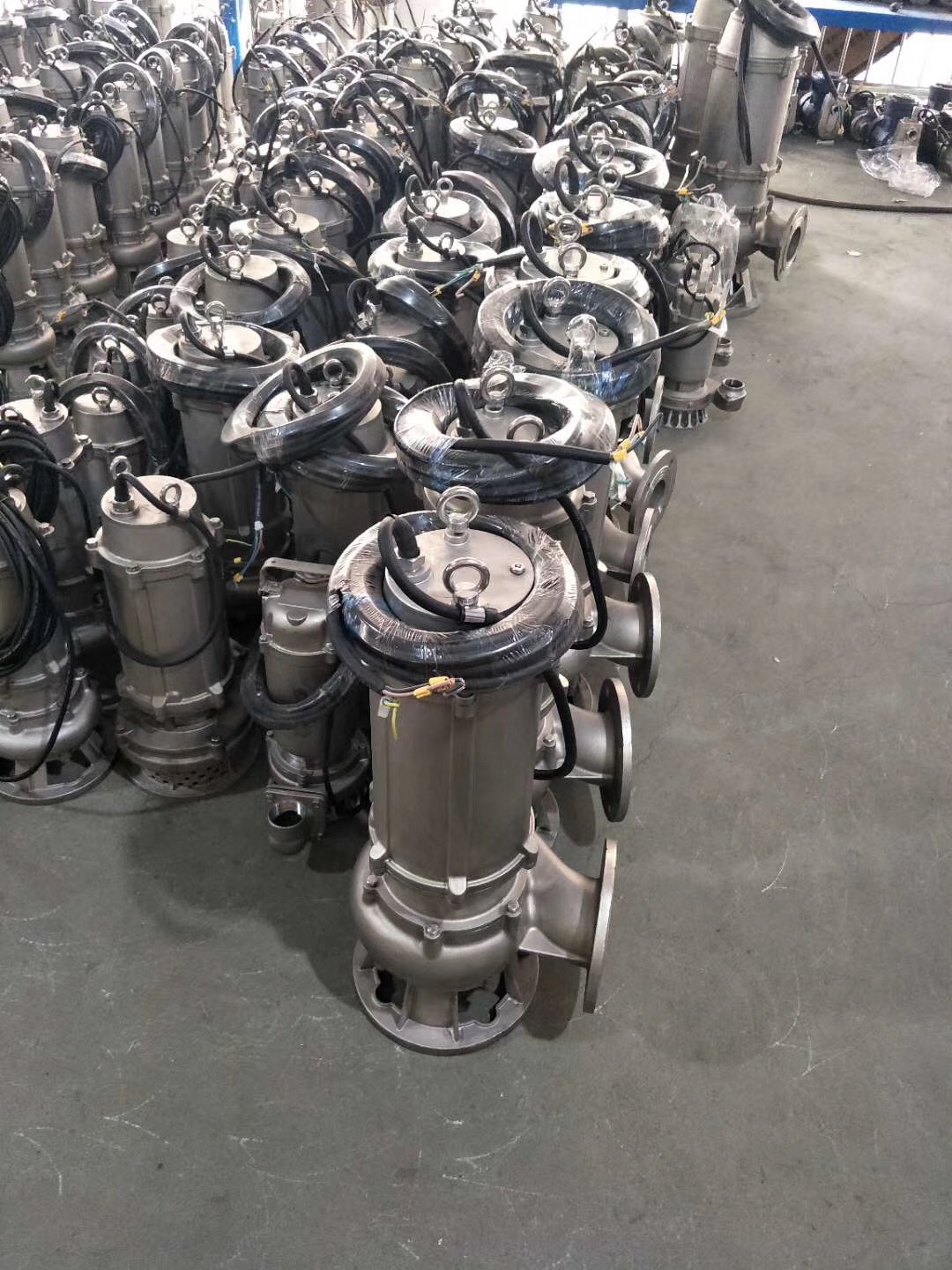
The 2 hp submersible sewage pump is a centrifugal pump specifically designed for the efficient and reliable removal of wastewater, sewage, and solids-laden fluids. Positioned within the wastewater treatment and conveyance industry chain, these pumps serve as a critical component in municipal sewage systems, industrial effluent management, and commercial drainage solutions. Their submersible design allows for operation fully immersed in the pumped medium, eliminating the need for surface priming and reducing noise. Core performance characteristics revolve around flow rate, head pressure, solids handling capability, and overall operational efficiency. A key industry pain point is pump failure due to abrasive solids, leading to increased maintenance costs and system downtime. Effective pump selection and implementation require a thorough understanding of fluid dynamics, motor characteristics, and materials science to ensure longevity and consistent performance in harsh operating environments. The increasing demands for energy efficiency and reduced environmental impact are also driving innovations in pump design and control systems.
Material Science & Manufacturing
The construction of a 2 hp submersible sewage pump relies on a combination of materials chosen for their corrosion resistance, abrasion resistance, and mechanical strength. The pump housing is typically constructed from cast iron (ASTM A48 Class 30) or ductile iron (ASTM A536-89 Grade 65-45-12), offering robust mechanical properties and resistance to impact. The impeller and volute, directly exposed to the pumped fluid, are commonly manufactured from high-chrome cast iron (e.g., 15CrMo) or stainless steel (e.g., 304 or 316) to resist abrasion from solids and corrosion from wastewater components. The motor housing is usually aluminum alloy, providing lightweight construction and efficient heat dissipation. Shafts are typically constructed of 4140 alloy steel, heat-treated for high tensile strength and wear resistance. Seals are a critical component, often utilizing silicon carbide mechanical seals in conjunction with Viton or Buna-N elastomers for chemical compatibility and leak prevention.
Manufacturing processes involve several key steps. The cast iron housing is produced via sand casting, followed by machining to precise tolerances. Impellers are typically investment cast, resulting in complex geometries with smooth surface finishes. Motor stators are wound with copper wire and encapsulated in epoxy resin. The pump is assembled with careful attention to seal installation and alignment. Key parameter control during manufacturing includes impeller balancing to minimize vibration, seal testing to ensure leak-free operation, and motor performance testing to verify power consumption and efficiency. Welding processes (SMAW or GMAW) are utilized for joining specific components, requiring qualified welders and adherence to AWS D1.1 structural welding code. Quality control utilizes non-destructive testing (NDT) methods such as liquid penetrant inspection and ultrasonic testing to detect internal flaws.
Performance & Engineering
Performance of a 2 hp submersible sewage pump is governed by hydraulic principles and motor characteristics. Force analysis involves evaluating the radial and axial loads on the impeller and shaft, ensuring structural integrity under maximum operating conditions. The pump curve, a graphical representation of head versus flow rate, dictates the pump’s operating range. Environmental resistance is paramount; the pump must withstand prolonged immersion in corrosive wastewater and varying temperatures. Motor insulation is critical, requiring Class H insulation (180°C) to prevent winding failure. The pump’s electrical connection must be waterproof and capable of withstanding continuous submersion (IP68 rating). Compliance requirements include adherence to national electrical codes (NEC in the US, IEC standards internationally) and wastewater treatment regulations. Pump selection necessitates a careful evaluation of the total dynamic head (TDH), which incorporates static head, friction losses in piping, and velocity head. Specific speed calculations help determine the optimal impeller design for the desired flow and head characteristics. Variable frequency drives (VFDs) are increasingly employed to control pump speed and optimize energy consumption based on fluctuating demand.
Technical Specifications
| Parameter | Specification | Testing Standard | Typical Value |
|---|---|---|---|
| Power | 1.5 kW (2 hp) | IEC 60034-1 | 1450 W |
| Voltage | 400V/230V, 50/60 Hz, 3 Phase/Single Phase | IEC 60038 | Varies by region |
| Maximum Flow Rate | 25 m³/h | ISO 9906:2012 | 22-28 m³/h |
| Maximum Head | 15 m | ISO 9906:2012 | 12-18 m |
| Solids Handling Capacity | 50 mm | Manufacturer Specification | 40-60 mm |
| Impeller Material | High-Chrome Cast Iron | ASTM A532 | 15CrMo |
Failure Mode & Maintenance
Common failure modes in 2 hp submersible sewage pumps include impeller wear due to abrasive solids, seal failure leading to water ingress, motor winding failure due to overheating or insulation breakdown, and bearing failure due to lack of lubrication or excessive load. Fatigue cracking in the pump housing can occur from cyclical pressure fluctuations and stress corrosion cracking. Delamination of the motor winding insulation can result from prolonged exposure to moisture and high temperatures. Oxidation of electrical connections leads to increased resistance and potential failure.
Preventive maintenance is crucial. Regular inspections should include checking for excessive vibration, noise, and leakage. Seal replacement should be performed annually or as needed based on operating conditions. Motor windings should be tested for insulation resistance using a megohmmeter. Bearings should be lubricated according to manufacturer’s recommendations. Periodic cleaning of the impeller and volute removes accumulated solids. In the event of failure, a thorough failure analysis should be conducted to determine the root cause and prevent recurrence. Corrective maintenance may involve impeller replacement, seal repair, motor rewinding, or bearing replacement. Proper storage procedures, including draining and drying the pump, are essential when the pump is not in use to prevent corrosion.
Industry FAQ
Q: What is the impact of solids concentration on pump performance and lifespan?
A: Higher solids concentration significantly increases abrasive wear on the impeller and volute, reducing pump efficiency and lifespan. Pump selection must account for the expected solids content, with heavier-duty impellers and wear-resistant materials recommended for high-solids applications. Regular inspection and replacement of wear parts are also crucial.
Q: How does water temperature affect the pump's operation and the type of seals required?
A: Elevated water temperatures can reduce the viscosity of the pumped fluid, potentially increasing leakage past seals. Higher temperatures also accelerate the degradation of seal elastomers. For high-temperature applications, silicon carbide mechanical seals with Viton or Chemraz elastomers are recommended.
Q: What is the best method to prevent motor overheating in a submersible pump?
A: Adequate cooling is essential. Ensure the pump is fully submerged during operation. Avoid operating the pump outside its specified flow range, as this can reduce cooling efficiency. Regular inspection of the motor windings and proper ventilation of the control panel are also important.
Q: What are the key considerations when selecting a pump for variable flow rate applications?
A: Consider a pump with a wide performance curve or the use of a variable frequency drive (VFD) to adjust pump speed and flow rate. The pump’s efficiency at different operating points should be evaluated. The VFD must be properly sized and programmed to match the pump’s characteristics.
Q: How important is surge protection for submersible pumps, and what types are typically used?
A: Surge protection is critical to protect the motor windings from voltage spikes caused by power surges or switching transients. Typically, metal oxide varistors (MOVs) or silicon avalanche diodes (SADs) are used as surge suppressors. Proper grounding is also essential for effective surge protection.
Conclusion
The 2 hp submersible sewage pump is a robust and essential component in wastewater management systems. Its performance and longevity are intricately linked to material selection, manufacturing precision, and adherence to industry standards. Understanding the inherent failure modes and implementing a proactive maintenance strategy are paramount to ensuring reliable operation and minimizing lifecycle costs. The ongoing trend towards energy efficiency and sustainable wastewater treatment continues to drive innovation in pump design, control systems, and materials science.
Future developments will likely focus on advanced materials with enhanced abrasion resistance, improved seal technologies for extended lifespan, and intelligent pump control systems that optimize performance based on real-time data. The integration of IoT sensors and remote monitoring capabilities will enable predictive maintenance and reduce downtime. Ultimately, the selection and implementation of a 2 hp submersible sewage pump require a holistic approach considering the entire system and the specific demands of the application.
-
Precision at the Pump: How Better Machining Protects Flow and Uptime
News2026-11-20
-
Why Pump Reliability Begins Before the First Drop of Fluid
News2026-11-20
-
Beyond the Pump: Designing Safer Access Around Critical Water Infrastructure
News2026-11-20
-
Why Pumping Stations Depend on the Infrastructure Beneath the Pumps
News2026-11-20
-
Beyond the Pump Room: How Smarter Loading Protects Industrial Equipment
News2026-11-19
-
When Pumps Stop: Designing More Resilient Power for Critical Pumping Systems
News2026-11-19
-
The Hidden Role of Dust and Gas Monitoring in Reliable Pump Operations
News2026-11-19
-
The Hidden Role of Mineral Compounds in Extending Industrial Pump Lifespan
News2026-10-12
-
Why Pump System Reliability Depends on Precision Hose Assembly Methods
News2026-09-15
-
How Advanced Imaging Films Are Transforming Pump Component Quality Control
News2026-08-25
-
How Advanced Filtration Protects Pump Systems from Premature Wear and Costly Downtime
News2026-08-25
-
How Steel Material Selection Drives Pump Reliability in Heavy-Duty Systems
News2026-08-25
-
Ensuring Pump System Efficiency: The Role of High-Quality Pipe Fittings and Tubing
News2026-08-24
-
Optimizing Fluid Dynamics and Material Consistency in Industrial Processing
News2026-08-18
-
Innovations and Challenges in Hydraulic Systems for Heavy Machinery
News2026-08-13




