English
- Afrikaans
- Albanian
- Amharic
- Arabic
- Armenian
- Azerbaijani
- Basque
- Belarusian
- Bengali
- Bosnian
- Bulgarian
- Catalan
- Cebuano
- Corsican
- Croatian
- Czech
- Danish
- Dutch
- English
- Esperanto
- Estonian
- Finnish
- French
- Frisian
- Galician
- Georgian
- German
- Greek
- Gujarati
- Haitian Creole
- hausa
- hawaiian
- Hebrew
- Hindi
- Miao
- Hungarian
- Icelandic
- igbo
- Indonesian
- irish
- Italian
- Japanese
- Javanese
- Kannada
- kazakh
- Khmer
- Rwandese
- Korean
- Kurdish
- Kyrgyz
- Lao
- Latin
- Latvian
- Lithuanian
- Luxembourgish
- Macedonian
- Malgashi
- Malay
- Malayalam
- Maltese
- Maori
- Marathi
- Mongolian
- Myanmar
- Nepali
- Norwegian
- Norwegian
- Occitan
- Pashto
- Persian
- Polish
- Portuguese
- Punjabi
- Romanian
- Russian
- Samoan
- Scottish Gaelic
- Serbian
- Sesotho
- Shona
- Sindhi
- Sinhala
- Slovak
- Slovenian
- Somali
- Spanish
- Sundanese
- Swahili
- Swedish
- Tagalog
- Tajik
- Tamil
- Tatar
- Telugu
- Thai
- Turkish
- Turkmen
- Ukrainian
- Urdu
- Uighur
- Uzbek
- Vietnamese
- Welsh
- Bantu
- Yiddish
- Yoruba
- Zulu

Telephone: +86 13120555503
Email: frank@cypump.com


Apr . 01, 2024 17:55 Back to list
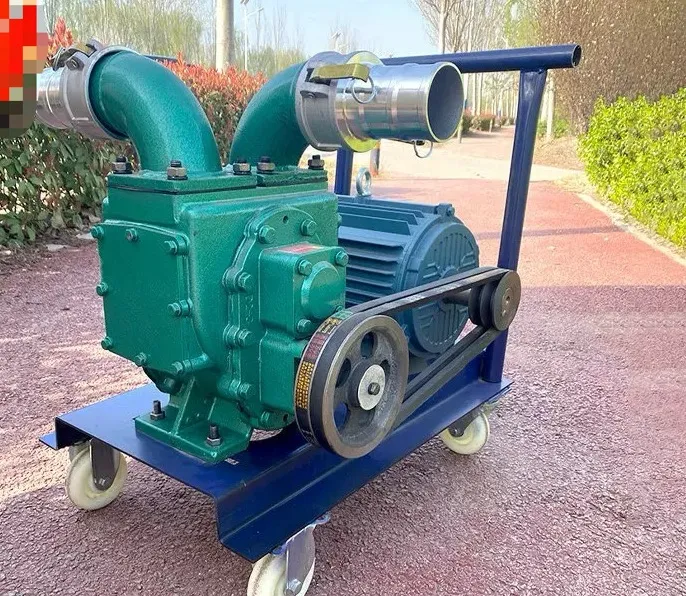
2 hp sewage pump Performance Engineering
Introduction
The 2 hp sewage pump represents a critical component in wastewater management systems, serving as a robust solution for the removal of solids-laden effluent. Positioned within the broader industrial wastewater treatment chain, these pumps are integral to both municipal and industrial applications, spanning from residential septic systems to large-scale treatment facilities. Core performance characteristics revolve around hydraulic efficiency, solids handling capability, corrosion resistance, and reliability under continuous, often harsh, operating conditions. The primary function is to transfer wastewater from collection points to treatment or disposal sites, overcoming elevation differences and frictional losses within the piping network. Demand is driven by increasingly stringent environmental regulations and the expanding need for effective wastewater infrastructure, particularly in developing urban areas. Selecting the appropriate pump requires careful consideration of flow rate, head pressure, solids content, and the chemical composition of the wastewater to ensure optimal performance and longevity.
Material Science & Manufacturing
The construction of a 2 hp sewage pump heavily relies on materials capable of withstanding abrasive solids and corrosive environments. Impeller and volute components are commonly manufactured from ductile iron (ASTM A536-83) due to its high tensile strength and resistance to fracture. Shaft materials typically consist of 4140 alloy steel (ASTM A297) hardened and tempered to provide exceptional torsional strength and wear resistance. Pump housings and motor casings often utilize cast iron (ASTM A48 Class 30) or stainless steel (304/316, ASTM A240) depending on the anticipated level of corrosion. Manufacturing processes include sand casting for housing components, precision machining for impeller and shaft fabrication, and robotic welding for structural assembly. Critical parameters during impeller casting include controlled cooling rates to minimize residual stresses and achieve optimal microstructure. Shaft manufacturing requires precise balancing to prevent vibration and premature bearing failure. Surface treatments such as epoxy coatings and ceramic linings are frequently applied to internal pump surfaces to enhance corrosion resistance and reduce abrasion. The motor itself employs laminated silicon steel for the stator and rotor core (ASTM A683) and copper windings for efficient energy transfer, encapsulated in epoxy resin for electrical insulation and protection from moisture ingress. Sealing components are generally comprised of nitrile rubber (NBR) or Viton (FKM) offering compatibility with a wide range of wastewater constituents.
Performance & Engineering
Performance of a 2 hp sewage pump is fundamentally governed by fluid dynamics and mechanical engineering principles. Force analysis considers hydraulic thrust, radial load on bearings, and torsional stress on the shaft. The pump’s head-capacity curve, a critical performance metric, dictates the relationship between flow rate and the pressure the pump can generate. Cavitation, a common concern, occurs when the absolute pressure at the impeller inlet drops below the liquid’s vapor pressure, forming vapor bubbles that collapse and cause pitting damage. Prevention relies on proper Net Positive Suction Head Available (NPSHa) calculations exceeding the Net Positive Suction Head Required (NPSHr) specified by the pump manufacturer. Environmental resistance is addressed through material selection and protective coatings. The pump must withstand temperature variations, humidity, and exposure to corrosive chemicals present in the wastewater. Compliance with standards such as ISO 9906 (rotodynamic pumps) and ANSI/HI (hydraulic institute standards) ensures performance reliability and safety. Impeller design, utilizing computational fluid dynamics (CFD) modeling, optimizes hydraulic efficiency and solids handling capability. Mechanical seals, employing designs like single or double mechanical seals with various face materials (silicon carbide, tungsten carbide) prevent leakage and ensure long-term operation. Motor selection must account for the pump’s load profile, considering both continuous and intermittent duty cycles. Electrical enclosures are typically rated to IP68, providing complete protection against dust and prolonged immersion in water.
Technical Specifications
| Parameter | Specification | Testing Standard | Typical Application Range |
|---|---|---|---|
| Motor Power | 2 hp (1.49 kW) | IEC 60034-1 | Residential/Light Industrial |
| Flow Rate | 60-120 GPM (3.8-7.6 L/s) | ISO 9906:2012 | Sewage, Effluent, Sump Pumping |
| Total Head | 30-60 ft (9-18 m) | ANSI/HI 1.1 | Variable, depending on system design |
| Solids Handling | Up to 2 inches (50 mm) | Manufacturer's Specification | Wastewater with suspended solids |
| Impeller Material | Ductile Iron (ASTM A536-83) | ASTM A536-83 | Corrosion and Abrasion Resistance |
| Seal Type | Single Mechanical Seal (Silicon Carbide/NBR) | API 682 | Leakage Prevention |
Failure Mode & Maintenance
Common failure modes in 2 hp sewage pumps include impeller wear due to abrasive solids, seal failure leading to leakage, bearing failure caused by excessive loads or insufficient lubrication, and motor winding burnout from overheating or voltage fluctuations. Fatigue cracking can occur in the impeller or shaft under cyclic loading. Delamination of protective coatings exposes the underlying metal to corrosion. Oxidation of motor windings degrades insulation resistance. Preventive maintenance is crucial, encompassing regular inspection of seals for wear or damage, lubrication of bearings according to manufacturer's recommendations (typically using lithium-based greases), monitoring motor current and voltage to detect anomalies, and performing periodic visual inspections for corrosion or cracks. Root cause analysis of failures should involve metallurgical examination of fractured components, oil analysis to detect bearing wear particles, and electrical testing of motor windings. Seal replacement is typically required every 1-2 years depending on the severity of the wastewater. Impeller replacement may be necessary every 3-5 years depending on the abrasive content of the fluid. Motor rewinding or replacement should be considered if winding resistance is significantly outside of specification. Proper pump sizing and system design, including the installation of strainers or screens to remove large solids, can significantly extend pump life and reduce maintenance requirements.
Industry FAQ
Q: What is the impact of wastewater temperature on pump performance and material selection?
A: Elevated wastewater temperatures can reduce the viscosity of the fluid, potentially increasing pump flow rate but also accelerating corrosion rates. Material selection must account for the temperature range, with stainless steel (316) preferred over cast iron for higher temperatures due to its superior corrosion resistance. Seal materials (e.g., Viton) also have temperature limitations that must be considered.
Q: How do you determine the appropriate pump curve for a specific application?
A: The pump curve should be selected to match the system’s head-flow requirements. This involves analyzing the total dynamic head (TDH) of the system, which includes static head, friction losses in piping, and pressure at the discharge point. The pump curve should provide the desired flow rate at the calculated TDH with sufficient margin to account for variations in system conditions.
Q: What are the common causes of pump cavitation, and how can it be mitigated?
A: Cavitation occurs when the NPSHa is insufficient. Causes include insufficient inlet pressure, excessive suction lift, high fluid velocity in the suction pipe, and restrictions in the suction line. Mitigation strategies include increasing inlet pressure, reducing suction lift, increasing pipe diameter, and minimizing bends and fittings in the suction line.
Q: What are the advantages and disadvantages of using a submersible vs. a surface-mounted sewage pump?
A: Submersible pumps are quieter, self-priming, and less susceptible to damage from flooding. However, they are more difficult to service. Surface-mounted pumps are easier to maintain but require priming and are more vulnerable to damage from environmental factors.
Q: How does the specific gravity of the wastewater affect pump performance?
A: Higher specific gravity (density) increases the hydraulic load on the pump, requiring more power to achieve the same flow rate and head. Pump selection should account for the specific gravity of the wastewater, especially if it contains a high concentration of solids or other dense materials.
Conclusion
The 2 hp sewage pump remains a vital component in modern wastewater infrastructure, demanding a robust design incorporating carefully selected materials and precision manufacturing techniques. Its performance is inherently linked to fluid dynamics, material science, and adherence to stringent industry standards. Careful consideration of operating conditions – including fluid composition, temperature, and solids content – is paramount for ensuring longevity and operational efficiency.
Moving forward, advancements in pump design will likely focus on enhancing hydraulic efficiency, reducing energy consumption, and integrating smart monitoring capabilities for predictive maintenance. Improved materials with enhanced corrosion and abrasion resistance will further extend pump life and minimize downtime. The continued development and refinement of computational fluid dynamics (CFD) modeling will enable optimized impeller designs for specific wastewater characteristics, ultimately contributing to more sustainable and cost-effective wastewater management solutions.
-
Comprehensive Guide to Waterproof ORings for Optimal Sealing Solutions
News2026-06-09
-
basement bathroom pump systems Performance Analysis
News2026-06-24
-
basement bathroom ejector pump system Performance Engineering
News2026-06-24
-
2 hp sewage pump Performance Engineering
News2026-06-24
-
1 hp septic pump Performance Engineering
News2026-06-24
-
submersible effluent pump Performance Analysis
News2026-06-24
-
submergable pump Material Science
News2026-06-23
-
sewer injection pump Performance Engineering
News2026-06-23
-
Sewer Ejector Pump System Performance Analysis
News2026-06-23
-
septic tank pump for sale Performance Engineering
News2026-06-23
-
septic pump for sale Performance Engineering
News2026-06-23
-
septic ejector system Performance Analysis
News2026-06-22
-
replace septic pump Performance Analysis
News2026-06-22
-
pump system septic tank Performance Analysis
News2026-06-22
-
lift pump for sewer Performance and Engineering
News2026-06-22




