English
- Afrikaans
- Albanian
- Amharic
- Arabic
- Armenian
- Azerbaijani
- Basque
- Belarusian
- Bengali
- Bosnian
- Bulgarian
- Catalan
- Cebuano
- Corsican
- Croatian
- Czech
- Danish
- Dutch
- English
- Esperanto
- Estonian
- Finnish
- French
- Frisian
- Galician
- Georgian
- German
- Greek
- Gujarati
- Haitian Creole
- hausa
- hawaiian
- Hebrew
- Hindi
- Miao
- Hungarian
- Icelandic
- igbo
- Indonesian
- irish
- Italian
- Japanese
- Javanese
- Kannada
- kazakh
- Khmer
- Rwandese
- Korean
- Kurdish
- Kyrgyz
- Lao
- Latin
- Latvian
- Lithuanian
- Luxembourgish
- Macedonian
- Malgashi
- Malay
- Malayalam
- Maltese
- Maori
- Marathi
- Mongolian
- Myanmar
- Nepali
- Norwegian
- Norwegian
- Occitan
- Pashto
- Persian
- Polish
- Portuguese
- Punjabi
- Romanian
- Russian
- Samoan
- Scottish Gaelic
- Serbian
- Sesotho
- Shona
- Sindhi
- Sinhala
- Slovak
- Slovenian
- Somali
- Spanish
- Sundanese
- Swahili
- Swedish
- Tagalog
- Tajik
- Tamil
- Tatar
- Telugu
- Thai
- Turkish
- Turkmen
- Ukrainian
- Urdu
- Uighur
- Uzbek
- Vietnamese
- Welsh
- Bantu
- Yiddish
- Yoruba
- Zulu

Telephone: +86 13120555503
Email: frank@cypump.com


Apr . 01, 2024 17:55 Back to list
1 hp water pump lifting capacity and its efficiency in various applications
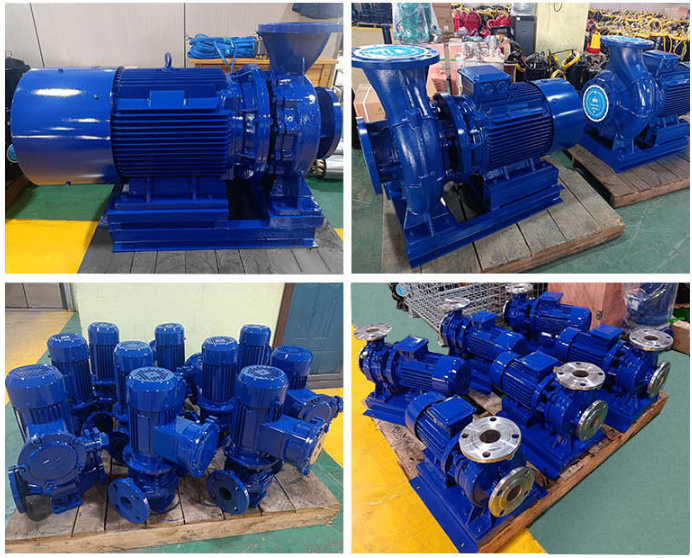
Introduction
A 1% horsepower (hp) water pump represents a common unit employed in low-flow, high-head applications across various industries, including agriculture, residential water management, and light industrial processes. These pumps are characterized by their relatively small size, moderate energy consumption, and suitability for tasks requiring the movement of water against significant pressure, rather than high volume flow rates. Understanding their operational principles, material composition, and performance parameters is crucial for proper selection, installation, and maintenance. This guide details the technical aspects of 1% hp water pumps, encompassing material science, manufacturing processes, performance engineering, failure modes, and relevant industry standards. A key consideration in evaluating these pumps lies in balancing lifting capacity (total dynamic head) with overall efficiency, particularly as fluid viscosity and temperature fluctuate. The efficiency is directly impacted by impeller design, pump casing geometry, and the quality of seals and bearings.
Material Science & Manufacturing
The primary materials utilized in 1% hp water pump construction are cast iron, stainless steel (typically 304 or 316 grade), and engineered plastics like polypropylene or nylon for specific components. Cast iron, due to its cost-effectiveness and machinability, is frequently used for the pump casing and impeller in lower-corrosion environments. Stainless steel is preferred for applications demanding resistance to corrosive fluids, particularly in potable water systems or those handling agricultural chemicals. The impeller, responsible for imparting kinetic energy to the fluid, is commonly manufactured through investment casting or sand casting, with precise tolerances achieved through subsequent machining. Pump casings are typically produced via sand casting or centrifugal casting. Seals are often composed of elastomers like nitrile rubber or Viton, selected for their compatibility with the pumped fluid and their ability to maintain a tight seal under pressure and temperature variations. Manufacturing tolerances are critical; impeller balance, casing concentricity, and shaft alignment directly influence pump efficiency and longevity. Critical parameters monitored during manufacturing include material hardness (Rockwell C scale), surface finish (Ra value), and dimensional accuracy (using coordinate measuring machines - CMM). Weld procedures, if employed, must adhere to AWS D1.1 standards to ensure structural integrity.
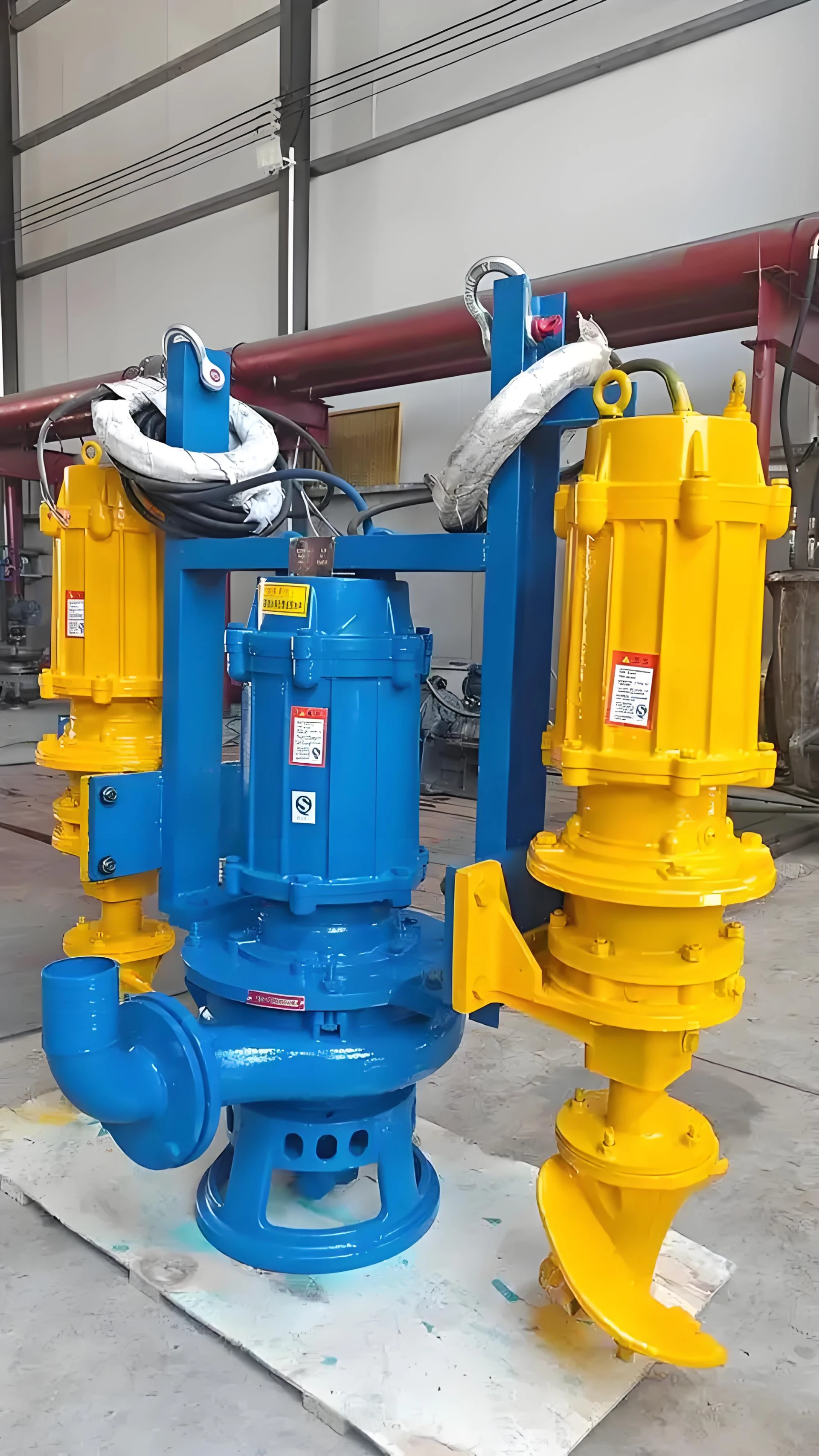
Performance & Engineering
The performance of a 1% hp water pump is fundamentally governed by the relationship between flow rate, head (lifting capacity), and efficiency. The pump's performance curve, typically provided by the manufacturer, illustrates this relationship. The head, expressed in feet or meters, represents the maximum height to which the pump can lift the water, taking into account friction losses in the piping system. Efficiency is defined as the ratio of hydraulic power output to electrical power input. Several engineering considerations impact these parameters. Hydraulic Institute standards dictate methods for pump testing and performance evaluation. Cavitation, a phenomenon caused by vapor pressure drop within the pump, is a common concern, particularly at high flow rates or low suction pressures. Proper Net Positive Suction Head Required (NPSHr) calculations are essential to prevent cavitation damage to the impeller. Force analysis involves assessing the stresses on the pump components, including the impeller, shaft, and casing, under various operating conditions. Environmental resistance considerations include temperature limits of elastomers and the potential for corrosion in specific fluid environments. Compliance requirements, such as those stipulated by NSF/ANSI 61 for potable water systems, dictate material suitability and permissible lead content.
Technical Specifications
| Parameter | Unit | Typical Value (Range) | Test Standard |
|---|---|---|---|
| Power Input | hp | 1 (0.75 - 1.1) | IEEE 1100 |
| Voltage | V | 115/230 (Single Phase) | IEC 60335-2-40 |
| Frequency | Hz | 50/60 | IEC 60034-1 |
| Maximum Head | ft | 100-250 | ANSI/HI 1.6 |
| Maximum Flow Rate | GPM | 20-50 | ANSI/HI 1.4 |
| Impeller Material | - | Cast Iron/Stainless Steel | ASTM A48/A743 |
| Casing Material | - | Cast Iron/Stainless Steel | ASTM A48/A743 |
Failure Mode & Maintenance
Common failure modes in 1% hp water pumps include impeller wear due to abrasion from suspended solids, seal failure leading to leakage, bearing failure resulting from inadequate lubrication or contamination, and motor burnout caused by overload or voltage fluctuations. Fatigue cracking can occur in the impeller or casing under cyclical loading, particularly if material defects are present. Corrosion, especially in stainless steel components, can be accelerated by chloride-rich environments. Delamination of pump casing coatings can also occur over time. Preventative maintenance is crucial. Regular lubrication of bearings, inspection of seals for wear, and monitoring of motor current are essential. Periodic cleaning of the pump impeller and casing to remove debris can prevent abrasion and improve efficiency. Vibration analysis can detect bearing wear or impeller imbalance. When replacing parts, it is imperative to use components that meet or exceed the original manufacturer’s specifications. For seal failures, ensure proper shaft surface finish and seal installation procedures. Motor failure can often be prevented with proper voltage protection and overload relays.
Industry FAQ
Q: What is the impact of fluid viscosity on the pump’s efficiency?
A: Increased fluid viscosity increases frictional losses within the pump, reducing its volumetric and overall efficiency. The pump will require more energy to move the more viscous fluid, potentially leading to motor overload and decreased flow rate. Selecting a pump with a higher motor horsepower or modifying the pump speed may be necessary for handling highly viscous fluids.
Q: How do I determine the correct NPSHr for my application?
A: NPSHr is determined by the pump manufacturer and is dependent on the pump’s design and operating speed. The available NPSH (NPSHa) in your system must always exceed the NPSHr to prevent cavitation. NPSHa is calculated based on the system’s static suction head, fluid vapor pressure, and frictional losses in the suction piping.
Q: What type of seal is best suited for handling abrasive fluids?
A: Mechanical seals with hardened faces (e.g., silicon carbide) are generally recommended for abrasive fluids. These seals offer greater wear resistance compared to elastomer seals. Flushing the seal with a clean fluid can also help to remove abrasive particles and extend seal life.
Q: What are the implications of operating a pump outside of its recommended flow rate range?
A: Operating a pump outside of its recommended flow rate range can lead to reduced efficiency, increased wear, and potential damage. Operating at very low flow rates can cause increased recirculation and overheating. Operating at very high flow rates can lead to cavitation and impeller erosion.
Q: What maintenance procedures should be followed for pumps used in potable water applications?
A: Pumps used in potable water applications require adherence to strict hygiene protocols. Components must be NSF/ANSI 61 certified. Regular disinfection of the pump and associated piping is essential to prevent bacterial growth. Avoid using lubricants that are not approved for potable water contact.
Conclusion
The 1% hp water pump remains a versatile and cost-effective solution for a range of fluid transfer applications, but its optimal performance hinges on a thorough understanding of its material properties, manufacturing processes, and engineering principles. Selecting the appropriate materials for the intended fluid, ensuring precise manufacturing tolerances, and implementing a robust preventative maintenance program are all critical for maximizing pump efficiency and lifespan.
Future developments in pump technology are focusing on the integration of variable frequency drives (VFDs) for enhanced flow control and energy savings, as well as the development of more corrosion-resistant materials and advanced sealing technologies. Adherence to evolving industry standards, such as those related to energy efficiency and water quality, will be paramount for ensuring the long-term viability and sustainability of these pumps.
-
Precision at the Pump: How Better Machining Protects Flow and Uptime
News2026-11-20
-
Why Pump Reliability Begins Before the First Drop of Fluid
News2026-11-20
-
Beyond the Pump: Designing Safer Access Around Critical Water Infrastructure
News2026-11-20
-
Why Pumping Stations Depend on the Infrastructure Beneath the Pumps
News2026-11-20
-
Beyond the Pump Room: How Smarter Loading Protects Industrial Equipment
News2026-11-19
-
When Pumps Stop: Designing More Resilient Power for Critical Pumping Systems
News2026-11-19
-
The Hidden Role of Dust and Gas Monitoring in Reliable Pump Operations
News2026-11-19
-
The Hidden Role of Mineral Compounds in Extending Industrial Pump Lifespan
News2026-10-12
-
Why Pump System Reliability Depends on Precision Hose Assembly Methods
News2026-09-15
-
How Advanced Imaging Films Are Transforming Pump Component Quality Control
News2026-08-25
-
How Advanced Filtration Protects Pump Systems from Premature Wear and Costly Downtime
News2026-08-25
-
How Steel Material Selection Drives Pump Reliability in Heavy-Duty Systems
News2026-08-25
-
Ensuring Pump System Efficiency: The Role of High-Quality Pipe Fittings and Tubing
News2026-08-24
-
Optimizing Fluid Dynamics and Material Consistency in Industrial Processing
News2026-08-18
-
Innovations and Challenges in Hydraulic Systems for Heavy Machinery
News2026-08-13




