English
- Afrikaans
- Albanian
- Amharic
- Arabic
- Armenian
- Azerbaijani
- Basque
- Belarusian
- Bengali
- Bosnian
- Bulgarian
- Catalan
- Cebuano
- Corsican
- Croatian
- Czech
- Danish
- Dutch
- English
- Esperanto
- Estonian
- Finnish
- French
- Frisian
- Galician
- Georgian
- German
- Greek
- Gujarati
- Haitian Creole
- hausa
- hawaiian
- Hebrew
- Hindi
- Miao
- Hungarian
- Icelandic
- igbo
- Indonesian
- irish
- Italian
- Japanese
- Javanese
- Kannada
- kazakh
- Khmer
- Rwandese
- Korean
- Kurdish
- Kyrgyz
- Lao
- Latin
- Latvian
- Lithuanian
- Luxembourgish
- Macedonian
- Malgashi
- Malay
- Malayalam
- Maltese
- Maori
- Marathi
- Mongolian
- Myanmar
- Nepali
- Norwegian
- Norwegian
- Occitan
- Pashto
- Persian
- Polish
- Portuguese
- Punjabi
- Romanian
- Russian
- Samoan
- Scottish Gaelic
- Serbian
- Sesotho
- Shona
- Sindhi
- Sinhala
- Slovak
- Slovenian
- Somali
- Spanish
- Sundanese
- Swahili
- Swedish
- Tagalog
- Tajik
- Tamil
- Tatar
- Telugu
- Thai
- Turkish
- Turkmen
- Ukrainian
- Urdu
- Uighur
- Uzbek
- Vietnamese
- Welsh
- Bantu
- Yiddish
- Yoruba
- Zulu

Telephone: +86 13120555503
Email: frank@cypump.com


Apr . 01, 2024 17:55 Back to list
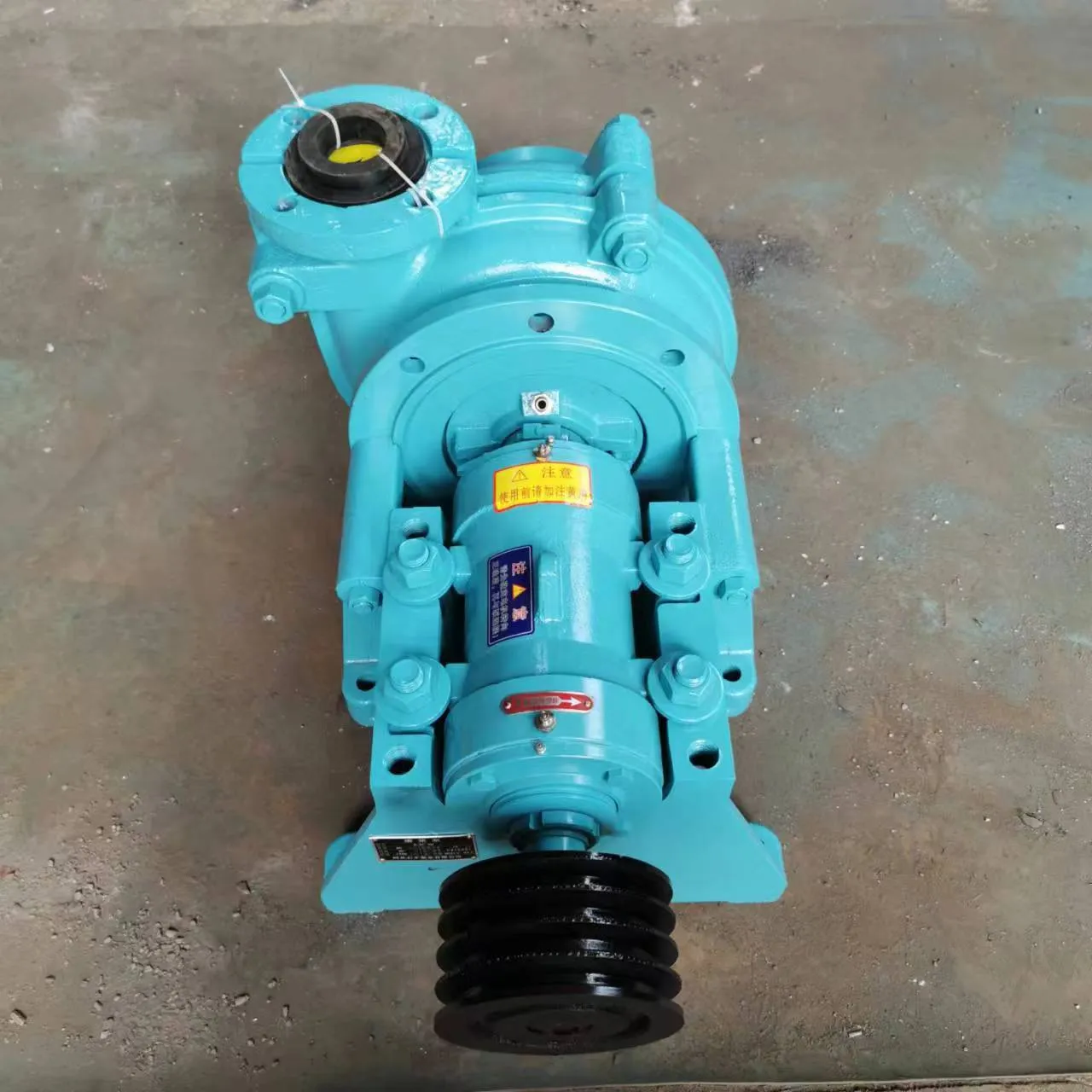
1 hp submersible sewage pump Performance Analysis
Introduction
The 1 hp submersible sewage pump is a centrifugal pump specifically designed for the efficient and reliable transfer of wastewater, sewage, and other liquids containing solids. Positioned within the broader wastewater treatment infrastructure, it serves as a critical component for residential, commercial, and industrial applications where gravity drainage is insufficient or impractical. This pump operates submerged in the fluid being pumped, eliminating the need for priming and offering significant advantages in challenging environments. Core performance characteristics include flow rate (typically 50-120 GPM), total dynamic head (TDH, generally 30-50 feet for a 1hp model), solids handling capability (up to 1-2 inches depending on impeller design), and power consumption (746 watts). A key industry challenge addressed by these pumps is the prevention of clogging, wear, and corrosion within the wastewater stream.
Material Science & Manufacturing
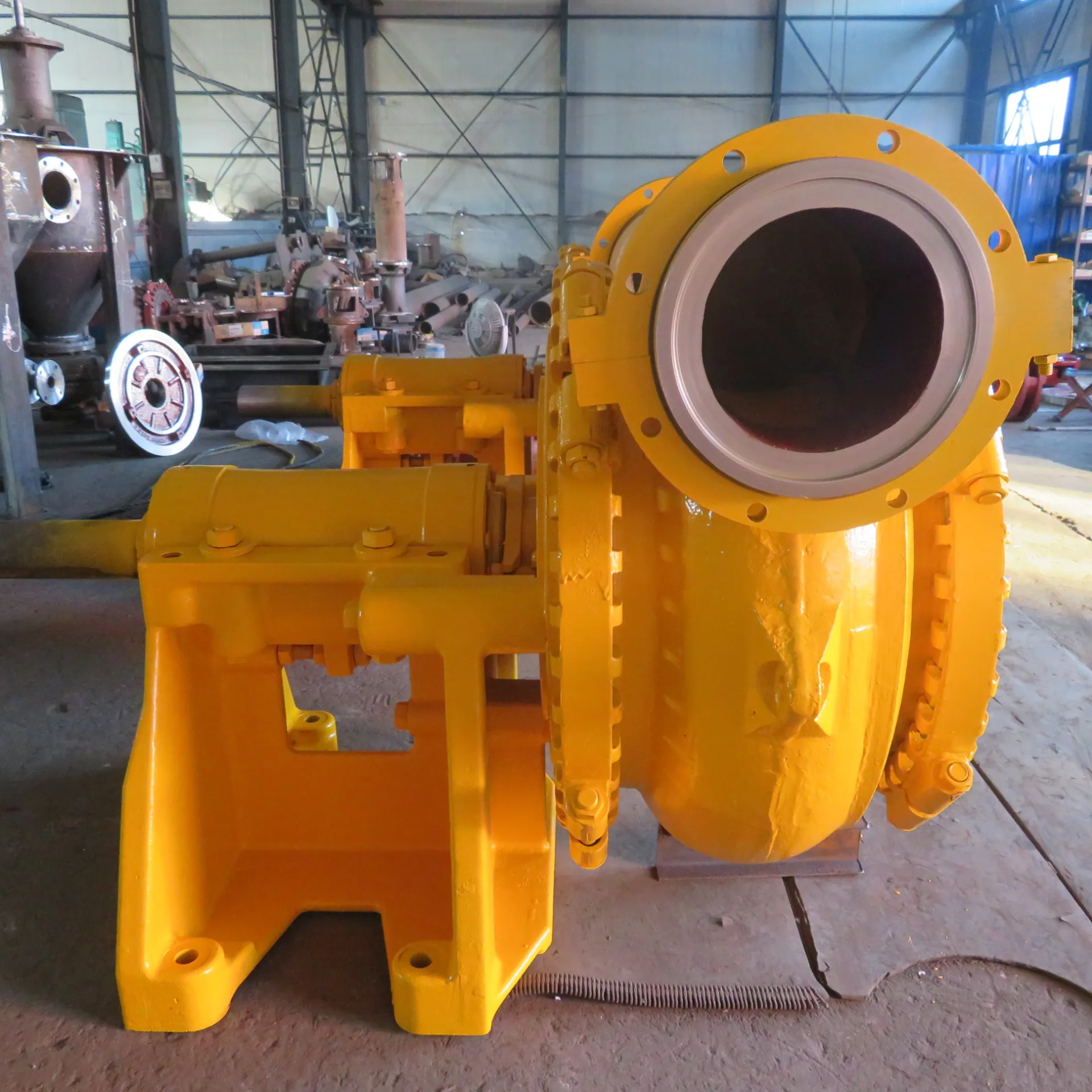
The construction of a 1 hp submersible sewage pump involves careful selection of materials to withstand the abrasive and corrosive nature of wastewater. Pump housings are commonly manufactured from cast iron (ASTM A48 Class 30) offering excellent durability and cost-effectiveness, though stainless steel (304 or 316) is frequently employed in more aggressive environments. Impellers, crucial for generating flow, are often made from high-chromium cast iron or stainless steel to resist abrasion from solid particles. Shafts utilize 4140 alloy steel, heat-treated for high tensile strength and resistance to torsional stress. Seals, vital for preventing leakage, typically employ silicon carbide faces bonded to a rubber compound (e.g., nitrile, Viton) selected for chemical compatibility. Manufacturing processes involve sand casting for housings, investment casting for impellers, and CNC machining for shafts and other precision components. Welding processes, when used, adhere to AWS D1.1 standards. Critical parameter control includes maintaining tight tolerances on impeller clearances, ensuring proper seal alignment, and applying corrosion-resistant coatings (e.g., epoxy, ceramic) to vulnerable surfaces. The quality of the cast iron, specifically its microstructure (pearlite/graphite distribution), significantly impacts wear resistance. Motor components utilize Class H insulation (180°C) to withstand elevated operating temperatures.
Performance & Engineering
The performance of a 1 hp submersible sewage pump is governed by principles of fluid dynamics and motor efficiency. Force analysis considers hydrostatic pressure at the pump’s submerged depth, dynamic pressure from fluid flow, and mechanical stresses on rotating components. Cavitation, a significant concern, occurs when the absolute pressure within the pump falls below the vapor pressure of the liquid, leading to bubble formation and subsequent implosion, causing erosion. Environmental resistance is addressed through robust sealing systems (double mechanical seals are common) and corrosion-resistant materials. Compliance requirements include adherence to electrical safety standards (UL 508A, CSA C22.2 No. 100), hydraulic performance standards (HI standards), and environmental regulations regarding wastewater discharge. The pump’s impeller design is optimized for solids handling – vortex impellers are preferred for larger solids, while recessed impellers offer higher efficiency with smaller solids. Motor selection focuses on NEMA efficiency standards, aiming for high hydraulic power output with minimal energy consumption. The pump curve (head vs. flow rate) is a critical engineering parameter used for system design and pump selection. Pump selection requires careful consideration of system head loss, including friction losses in piping, elevation changes, and pressure drops across valves and fittings.
Technical Specifications
| Parameter | Value (Typical) | Unit | Testing Standard |
|---|---|---|---|
| Motor Power | 1 | hp | NEMA MG 1 |
| Voltage | 120/240 | V | UL 508A |
| Phase | Single | - | IEC 60038 |
| Flow Rate | 70 | GPM | ANSI/HI 1.1 |
| Total Dynamic Head (TDH) | 40 | ft | ANSI/HI 1.6 |
| Solids Handling | 1.5 | inches | Manufacturer Specification |
Failure Mode & Maintenance
Common failure modes for 1 hp submersible sewage pumps include impeller wear (due to abrasive solids), seal failure (leading to leakage), motor winding failure (due to overheating or moisture ingress), and switch failure (affecting pump operation). Fatigue cracking can occur in the pump housing or impeller due to cyclical loading. Delamination of coatings can accelerate corrosion. Oxidation of electrical connections can lead to intermittent operation or complete failure. Failure analysis should include visual inspection for wear, measurement of seal runout, and electrical testing of motor windings. Maintenance procedures involve regular inspection of seals, lubrication of bearings (if applicable), cleaning of impellers, and monitoring of motor current. Preventive maintenance should include scheduled replacement of seals and bearings based on operating hours. In the event of motor failure, it’s crucial to verify the incoming voltage and phase balance. Clogging is a frequent issue; regular inspection of the intake screen and removal of debris are essential. Proper grounding is critical to prevent electrical hazards and corrosion. Use of a variable frequency drive (VFD) can reduce stress on the pump during startup and operation, extending its lifespan.
Industry FAQ
Q: What is the impact of varying wastewater temperatures on pump performance and material lifespan?
A: Elevated wastewater temperatures can reduce the viscosity of the fluid, potentially increasing flow rate but also accelerating corrosion rates and degrading seal materials. Continuous operation at temperatures exceeding the material specifications will significantly reduce pump lifespan. Temperature monitoring and selection of temperature-resistant materials (e.g., Viton seals) are crucial.
Q: How does the specific gravity of the pumped fluid affect the motor load and pump efficiency?
A: Higher specific gravity fluids require increased torque from the motor to achieve the same flow rate and head. This translates to higher current draw and potentially reduced pump efficiency. Pump selection should account for the fluid’s specific gravity to ensure the motor is adequately sized and the pump operates within its design parameters.
Q: What are the key considerations when selecting a pump for a system with long discharge piping runs?
A: Long piping runs contribute to increased friction loss, requiring a pump with a higher head capacity. Proper pipe sizing is critical to minimize friction loss. The pump curve should be carefully analyzed to ensure sufficient head is available at the desired flow rate, considering the total equivalent length of the piping system.
Q: How can we minimize the risk of solids buildup and clogging within the pump?
A: Implementing a robust intake screen is the first line of defense. Regularly cleaning the screen prevents large debris from entering the pump. Selecting a pump with a vortex or recessed impeller design further minimizes clogging potential. Periodic flushing of the pump and piping system can also help prevent buildup.
Q: What are the benefits of using a submersible pump versus a surface-mounted sewage pump?
A: Submersible pumps eliminate the need for priming, reducing maintenance requirements and improving reliability. They operate quieter as they are submerged in the fluid. They are less susceptible to cavitation due to the positive suction head created by the fluid column. They also occupy less space compared to surface-mounted pumps.
Conclusion
The 1 hp submersible sewage pump represents a crucial technology in modern wastewater management. Its performance hinges on a confluence of material science, precise manufacturing, and sound engineering principles. Proper material selection – from cast iron housings to stainless steel impellers and robust seal materials – is paramount for resisting the corrosive and abrasive nature of wastewater. Understanding failure modes, proactively implementing maintenance schedules, and adhering to relevant industry standards are essential for maximizing operational lifespan and ensuring consistent, reliable performance.
Future advancements will likely focus on optimizing impeller designs for increased solids handling capacity and efficiency, developing more durable and chemically resistant materials, and integrating smart monitoring systems for predictive maintenance. The increasing emphasis on energy efficiency will drive innovation in motor technology and pump control strategies. Continued adherence to evolving environmental regulations will necessitate pumps that minimize energy consumption and contribute to sustainable wastewater treatment practices.
-
Precision at the Pump: How Better Machining Protects Flow and Uptime
News2026-11-20
-
Why Pump Reliability Begins Before the First Drop of Fluid
News2026-11-20
-
Beyond the Pump: Designing Safer Access Around Critical Water Infrastructure
News2026-11-20
-
Why Pumping Stations Depend on the Infrastructure Beneath the Pumps
News2026-11-20
-
Beyond the Pump Room: How Smarter Loading Protects Industrial Equipment
News2026-11-19
-
When Pumps Stop: Designing More Resilient Power for Critical Pumping Systems
News2026-11-19
-
The Hidden Role of Dust and Gas Monitoring in Reliable Pump Operations
News2026-11-19
-
The Hidden Role of Mineral Compounds in Extending Industrial Pump Lifespan
News2026-10-12
-
Why Pump System Reliability Depends on Precision Hose Assembly Methods
News2026-09-15
-
How Advanced Imaging Films Are Transforming Pump Component Quality Control
News2026-08-25
-
How Advanced Filtration Protects Pump Systems from Premature Wear and Costly Downtime
News2026-08-25
-
How Steel Material Selection Drives Pump Reliability in Heavy-Duty Systems
News2026-08-25
-
Ensuring Pump System Efficiency: The Role of High-Quality Pipe Fittings and Tubing
News2026-08-24
-
Optimizing Fluid Dynamics and Material Consistency in Industrial Processing
News2026-08-18
-
Innovations and Challenges in Hydraulic Systems for Heavy Machinery
News2026-08-13




