English
- Afrikaans
- Albanian
- Amharic
- Arabic
- Armenian
- Azerbaijani
- Basque
- Belarusian
- Bengali
- Bosnian
- Bulgarian
- Catalan
- Cebuano
- Corsican
- Croatian
- Czech
- Danish
- Dutch
- English
- Esperanto
- Estonian
- Finnish
- French
- Frisian
- Galician
- Georgian
- German
- Greek
- Gujarati
- Haitian Creole
- hausa
- hawaiian
- Hebrew
- Hindi
- Miao
- Hungarian
- Icelandic
- igbo
- Indonesian
- irish
- Italian
- Japanese
- Javanese
- Kannada
- kazakh
- Khmer
- Rwandese
- Korean
- Kurdish
- Kyrgyz
- Lao
- Latin
- Latvian
- Lithuanian
- Luxembourgish
- Macedonian
- Malgashi
- Malay
- Malayalam
- Maltese
- Maori
- Marathi
- Mongolian
- Myanmar
- Nepali
- Norwegian
- Norwegian
- Occitan
- Pashto
- Persian
- Polish
- Portuguese
- Punjabi
- Romanian
- Russian
- Samoan
- Scottish Gaelic
- Serbian
- Sesotho
- Shona
- Sindhi
- Sinhala
- Slovak
- Slovenian
- Somali
- Spanish
- Sundanese
- Swahili
- Swedish
- Tagalog
- Tajik
- Tamil
- Tatar
- Telugu
- Thai
- Turkish
- Turkmen
- Ukrainian
- Urdu
- Uighur
- Uzbek
- Vietnamese
- Welsh
- Bantu
- Yiddish
- Yoruba
- Zulu

Telephone: +86 13120555503
Email: frank@cypump.com


Apr . 01, 2024 17:55 Back to list
1 hp sewage submersible pump Performance Analysis
Introduction
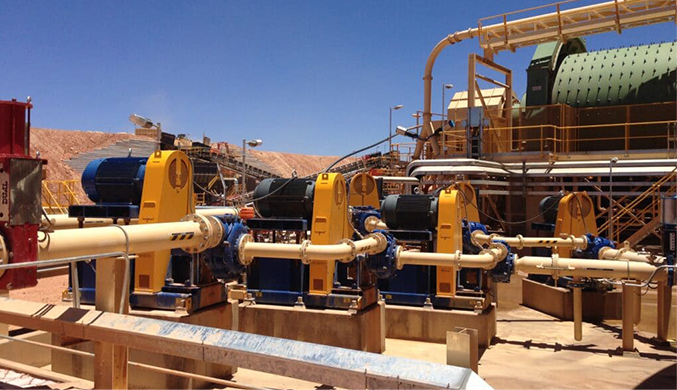
The 1 hp sewage submersible pump is a critical component in wastewater management systems, designed for the efficient removal of solids-laden wastewater from residential, commercial, and industrial applications. Positioned within the broader pump industry as a specialized solution for challenging fluid dynamics, these pumps differ from centrifugal pumps through their enclosed impeller design and hermetically sealed motor, enabling operation while fully submerged. Core performance metrics include flow rate (typically measured in gallons per minute or liters per second), head (the maximum height the pump can lift the fluid), solids handling capability (expressed in diameter of suspended particles), and power consumption. The increasing demand for reliable and efficient wastewater handling, driven by stricter environmental regulations and aging infrastructure, continues to drive innovation and improvement in this technology. A key pain point for end-users is pump failure due to abrasive solids, clogging, and motor burnout, necessitating robust design and preventative maintenance strategies.
Material Science & Manufacturing
The construction of a 1 hp sewage submersible pump relies on specific material choices to withstand the corrosive and abrasive nature of wastewater. Pump housings are commonly cast from gray iron (ASTM A48 Class 30) or ductile iron (ASTM A536-89 65-45-12) chosen for their tensile strength, wear resistance, and cost-effectiveness. Impellers are often constructed from high-chrome cast iron or stainless steel (typically 304 or 316 stainless steel - ASTM A743 Grade CA15) to maximize abrasion resistance from suspended solids. Shafts are typically made from 4140 alloy steel, heat-treated for enhanced durability. Seals utilize materials like silicon carbide (SiC) against SiC faces, offering superior resistance to wear and chemical attack compared to traditional rubber seals. The motor housing is generally aluminum alloy, providing corrosion resistance and efficient heat dissipation.
Manufacturing processes begin with the casting of the pump housing and impeller. Sand casting is typical for iron components, followed by machining to precise dimensions. Impellers may also be manufactured using investment casting for complex geometries. The motor is assembled through stator winding, rotor insertion, and precise bearing assembly. A critical process is the hermetic sealing of the motor housing, typically achieved through epoxy encapsulation or specialized sealing compounds, to prevent water ingress. Parameter control during manufacturing focuses on dimensional accuracy (critical for impeller-volute clearance), material hardness (verified through Rockwell hardness testing), and seal integrity (pressure tested to ensure leak-proof operation). Welding processes, when used for assembly, must meet AWS D1.1 standards for structural welding.
Performance & Engineering
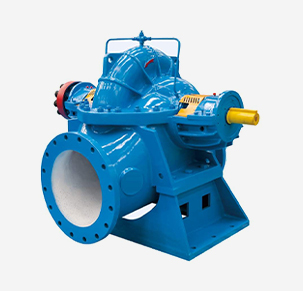
The performance of a 1 hp sewage submersible pump is governed by hydraulic principles and motor characteristics. Force analysis focuses on the radial and axial forces exerted on the impeller by the fluid flow. These forces must be balanced by the bearings to prevent premature wear and vibration. Cavitation, a significant performance concern, occurs when the pressure at the impeller inlet drops below the vapor pressure of the liquid, forming vapor bubbles that collapse and erode the impeller material. Pump curves, detailing head vs. flow rate, are critical for selecting the appropriate pump for a given application. Environmental resistance is paramount; the pump must withstand continuous immersion in corrosive wastewater environments. Compliance requirements include UL/CSA certification for electrical safety (UL 778/CSA C22.2 No. 108), and potentially NSF/ANSI 61 certification for components in contact with potable water. Functional implementation includes the integration of a float switch for automatic on/off control based on liquid level, and potentially a pump controller for variable speed operation and overload protection.
Fluid dynamics plays a crucial role. Volute design optimizes flow velocity and minimizes energy losses. Impeller geometry (radial, mixed-flow, or axial) is selected based on the desired head and flow rate characteristics. Solids handling capability is maximized through the use of a recessed or vortex impeller design, allowing solids to pass through the pump without clogging. Motor cooling relies on the surrounding fluid, requiring careful consideration of heat transfer characteristics and potential temperature rise.
Technical Specifications
| Parameter | Value | Unit | Test Standard |
|---|---|---|---|
| Power | 1 | hp | IEEE 1100 |
| Voltage | 120/240 | V | IEC 60038 |
| Phase | Single | - | IEC 60038 |
| Maximum Flow Rate | 70 | GPM | ANSI/HI 1.1 |
| Maximum Head | 35 | ft | ANSI/HI 1.1 |
| Solids Handling | 2 | in | Manufacturer Specification |
| Minimum Submergence Depth | 12 | in | Manufacturer Specification |
Failure Mode & Maintenance
Common failure modes for 1 hp sewage submersible pumps include impeller wear due to abrasion, seal failure leading to water ingress and motor burnout, bearing failure due to overloading or lack of lubrication, and winding insulation breakdown due to overheating or moisture. Fatigue cracking can occur in the pump housing or impeller under cyclical loading. Delamination of the motor windings is a common electrical failure. Degradation of the power cable and connector due to chemical attack or physical damage is also frequent. Oxidation of metal components in contact with corrosive wastewater accelerates material loss.
Preventative maintenance is crucial. Regular inspection of the power cable, seals, and impeller for wear or damage is essential. Scheduled bearing lubrication (if applicable) extends bearing life. Monitoring motor current and temperature helps identify potential overheating issues. Backflushing the pump periodically removes accumulated solids and prevents clogging. If the pump is exposed to particularly abrasive fluids, consider using wear-resistant impeller materials or implementing a solids separation system upstream. In the event of failure, replace worn or damaged components with OEM-approved parts. Perform insulation resistance testing on the motor windings to detect early signs of insulation breakdown. Adhere to manufacturer’s recommended maintenance schedules and safety procedures.
Industry FAQ
Q: What is the impact of wastewater temperature on pump performance and longevity?
A: Elevated wastewater temperatures can reduce the viscosity of the fluid, potentially increasing flow rate but also accelerating the degradation of seals and the insulation of the motor windings. Higher temperatures also increase the risk of cavitation. Pump selection should consider the maximum expected wastewater temperature, and the pump may require supplemental cooling in high-temperature applications.
Q: How does the specific gravity of the wastewater affect the pump’s power consumption and head capability?
A: Higher specific gravity (denser) wastewater increases the load on the pump motor, leading to higher power consumption. It also reduces the pump’s head capability. Pump curves are typically based on water (specific gravity of 1.0). Adjustments to the pump’s performance characteristics are necessary for fluids with significantly different specific gravities.
Q: What are the advantages of using a vortex impeller versus a recessed impeller in a sewage submersible pump?
A: Vortex impellers are designed to create a swirling motion that draws solids into the center of the impeller, minimizing contact between the solids and the impeller blades. This results in superior solids handling capability and reduced wear. Recessed impellers offer a compromise between solids handling and efficiency, suitable for applications with moderate solids content.
Q: What type of electrical protection is recommended for 1 hp sewage submersible pumps?
A: Ground Fault Circuit Interrupter (GFCI) protection is essential for all submersible pumps to protect against electrical shock. Overload protection (thermal overload relays or electronic motor protectors) prevents motor burnout due to excessive current draw. Surge protection is recommended to protect against voltage spikes. Compliance with local electrical codes is mandatory.
Q: How can I mitigate the risk of pump clogging due to stringy or fibrous materials?
A: Implementing a solids separation system (e.g., bar screen, vortex separator) upstream of the pump reduces the amount of stringy or fibrous materials entering the pump. Using a pump with a cutter impeller can shred these materials, preventing clogging. Regular pump inspection and cleaning are also crucial.
Conclusion
The 1 hp sewage submersible pump represents a robust and essential technology for wastewater handling. Its performance and longevity are dictated by material science principles, meticulous manufacturing processes, and adherence to stringent engineering standards. Understanding the potential failure modes, implementing proactive maintenance strategies, and selecting the appropriate pump for specific application requirements are all critical for ensuring reliable and cost-effective operation.
Future developments in this field will likely focus on improved motor efficiency, enhanced materials for increased abrasion resistance and corrosion protection, and the integration of smart sensors for predictive maintenance. The increasing demand for sustainable wastewater management solutions will continue to drive innovation and refinement in this vital technology, potentially incorporating variable frequency drives for energy optimization and remote monitoring capabilities for enhanced operational control.
-
sewage submersible pump 1hp Performance Analysis
News2026-05-30
-
1 hp sewage submersible pump Performance Analysis
News2026-05-30
-
waste pump for basement bathroom Performance and Engineering
News2026-05-30
-
Sump Pump Drain Field Performance Analysis
News2026-05-30
-
small sewage pump Performance Analysis
News2026-05-30
-
sewer pump for basement Material Science Manufacturing
News2026-05-29
-
sewage sump pumps Performance and Engineering
News2026-05-29
-
sewage pumps for septic tanks Material Science and Manufacturing
News2026-05-29
-
Sewage Pumping Companies Performance Analysis
News2026-05-29
-
Sewage Pump Manufacturers Performance Engineering
News2026-05-29
-
sewage pump for basement Performance and Engineering
News2026-05-28
-
Sewage Pump Companies Performance Analysis
News2026-05-28
-
Sewage Pit and Pump Performance Analysis
News2026-05-28
-
Sewage Lift Pumps Material Science
News2026-05-28
-
Sewage Ejector Tank Material Science and Manufacturing
News2026-05-28




