English
- Afrikaans
- Albanian
- Amharic
- Arabic
- Armenian
- Azerbaijani
- Basque
- Belarusian
- Bengali
- Bosnian
- Bulgarian
- Catalan
- Cebuano
- Corsican
- Croatian
- Czech
- Danish
- Dutch
- English
- Esperanto
- Estonian
- Finnish
- French
- Frisian
- Galician
- Georgian
- German
- Greek
- Gujarati
- Haitian Creole
- hausa
- hawaiian
- Hebrew
- Hindi
- Miao
- Hungarian
- Icelandic
- igbo
- Indonesian
- irish
- Italian
- Japanese
- Javanese
- Kannada
- kazakh
- Khmer
- Rwandese
- Korean
- Kurdish
- Kyrgyz
- Lao
- Latin
- Latvian
- Lithuanian
- Luxembourgish
- Macedonian
- Malgashi
- Malay
- Malayalam
- Maltese
- Maori
- Marathi
- Mongolian
- Myanmar
- Nepali
- Norwegian
- Norwegian
- Occitan
- Pashto
- Persian
- Polish
- Portuguese
- Punjabi
- Romanian
- Russian
- Samoan
- Scottish Gaelic
- Serbian
- Sesotho
- Shona
- Sindhi
- Sinhala
- Slovak
- Slovenian
- Somali
- Spanish
- Sundanese
- Swahili
- Swedish
- Tagalog
- Tajik
- Tamil
- Tatar
- Telugu
- Thai
- Turkish
- Turkmen
- Ukrainian
- Urdu
- Uighur
- Uzbek
- Vietnamese
- Welsh
- Bantu
- Yiddish
- Yoruba
- Zulu

Telephone: +86 13120555503
Email: frank@cypump.com


Apr . 01, 2024 17:55 Back to list
1 hp septic pump Performance Engineering
Introduction
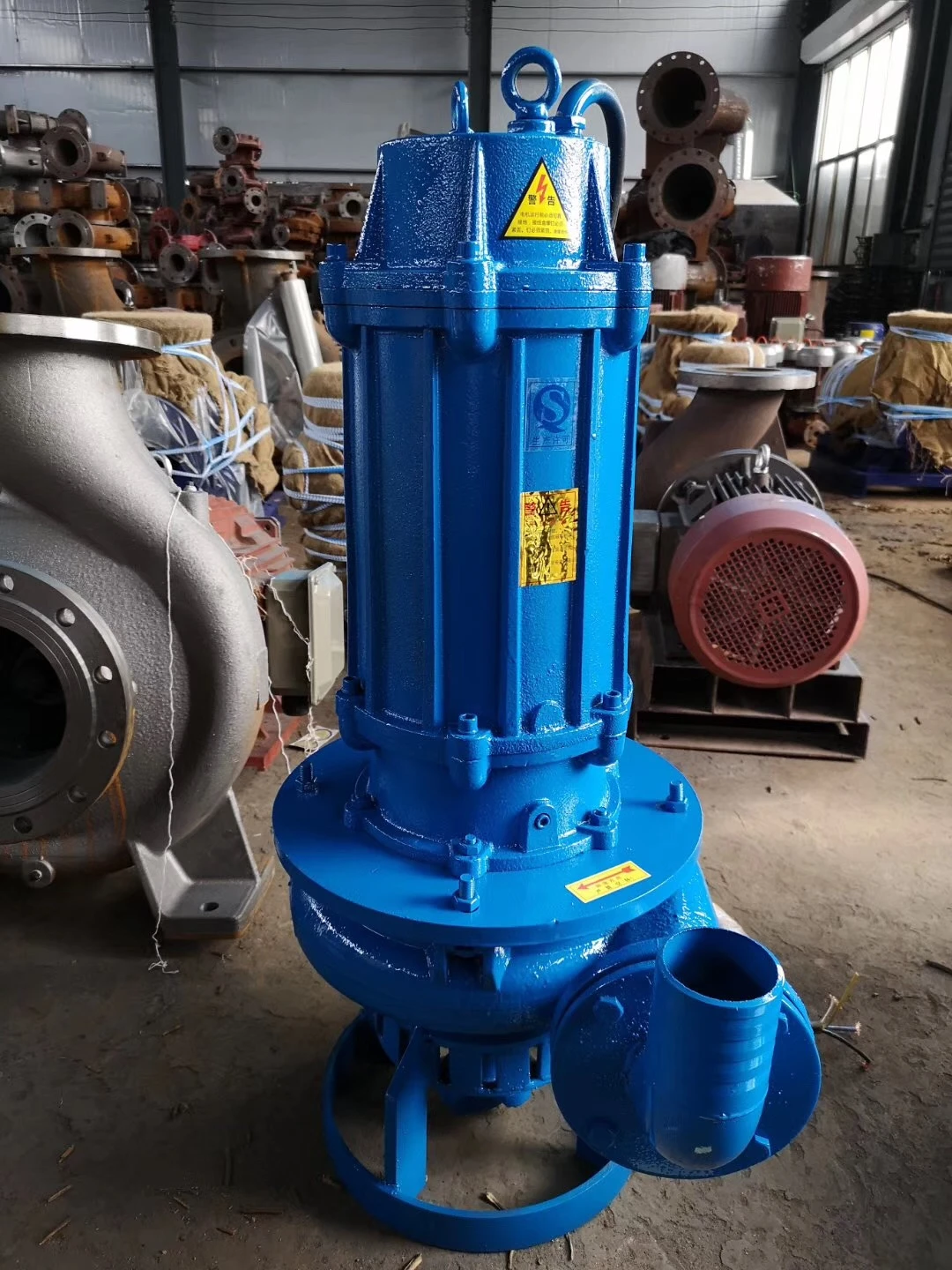
A 1 horsepower (hp) septic pump is a crucial component in wastewater management systems, specifically designed to transfer effluent from a septic tank to a drain field. Unlike grinder pumps which macerate solids, these pumps are typically used in systems where the septic tank provides adequate pre-treatment and settling of solids. Their technical position lies within the broader scope of decentralized wastewater treatment, serving as the mechanism to overcome gravity limitations and deliver effluent for further treatment through soil absorption. Core performance metrics revolve around flow rate (gallons per minute – GPM), total dynamic head (TDH – the vertical distance the pump can lift the fluid plus friction losses in the piping), and solids handling capability (typically up to 2 inches). The selection of a 1 hp pump represents a balance between energy consumption, pumping capacity, and system longevity, aiming for efficient and reliable effluent distribution. A common pain point within the industry is pump failure due to inadequate sizing, improper installation, or lack of preventative maintenance, leading to system backups and environmental concerns.
Material Science & Manufacturing
The construction of a 1 hp septic pump involves several key materials, each selected for specific properties. Pump housings are commonly constructed from cast iron (ASTM A48 Class 30) due to its corrosion resistance, durability, and cost-effectiveness. Impellers, responsible for fluid movement, are often made from engineered polymers like polypropylene or Noryl (a PPE/PS blend) for resistance to wastewater constituents and abrasive solids. Shafts are typically manufactured from 410 stainless steel, offering a balance between hardness, corrosion resistance, and machinability. Seals are critical for preventing leakage and are usually comprised of materials like Viton (fluoroelastomer) or Buna-N (nitrile rubber), selected for compatibility with various wastewater chemicals.
Manufacturing processes vary depending on component. Housings are produced via sand casting, followed by machining for precise tolerances. Impellers are commonly injection molded, allowing for complex geometries and high production rates. Shafts undergo turning, milling, and grinding to achieve the required dimensions and surface finish. A key parameter control during manufacturing involves ensuring proper impeller balance to minimize vibration and wear. Seal installation is critical, requiring precise alignment and compression to maintain a watertight barrier. Quality control utilizes non-destructive testing methods like dye penetrant inspection for housing cracks and dimensional verification of critical components. Corrosion protection for cast iron components commonly involves epoxy coating or galvanization to extend service life in corrosive wastewater environments.
Performance & Engineering
The performance of a 1 hp septic pump is dictated by hydraulic principles. The pump’s ability to overcome static head (vertical lift) and friction losses within the discharge piping is described by the pump curve, a graphical representation of flow rate versus total dynamic head. Force analysis considers the impeller’s centrifugal force, which imparts velocity to the fluid, and the resistance encountered by the fluid within the volute casing. The pump's electrical input power (1 hp ≈ 746 watts) is converted into hydraulic power, with efficiency losses due to friction, impeller design, and fluid viscosity.
Environmental resistance is a key consideration. Pump materials must withstand constant exposure to corrosive substances in wastewater, including sulfates, chlorides, and organic matter. Temperature variations also influence performance, as fluid viscosity changes with temperature. Compliance requirements are often dictated by local regulations governing wastewater discharge. These regulations may specify maximum allowable effluent levels of pollutants and require pumps to meet certain energy efficiency standards. Functional implementation necessitates proper priming of the pump, which involves filling the pump casing and suction line with fluid to create a vacuum. A check valve is essential to prevent backflow when the pump is turned off. Level sensors within the septic tank automatically activate and deactivate the pump based on effluent levels, preventing overflow and ensuring consistent drain field loading.
Technical Specifications
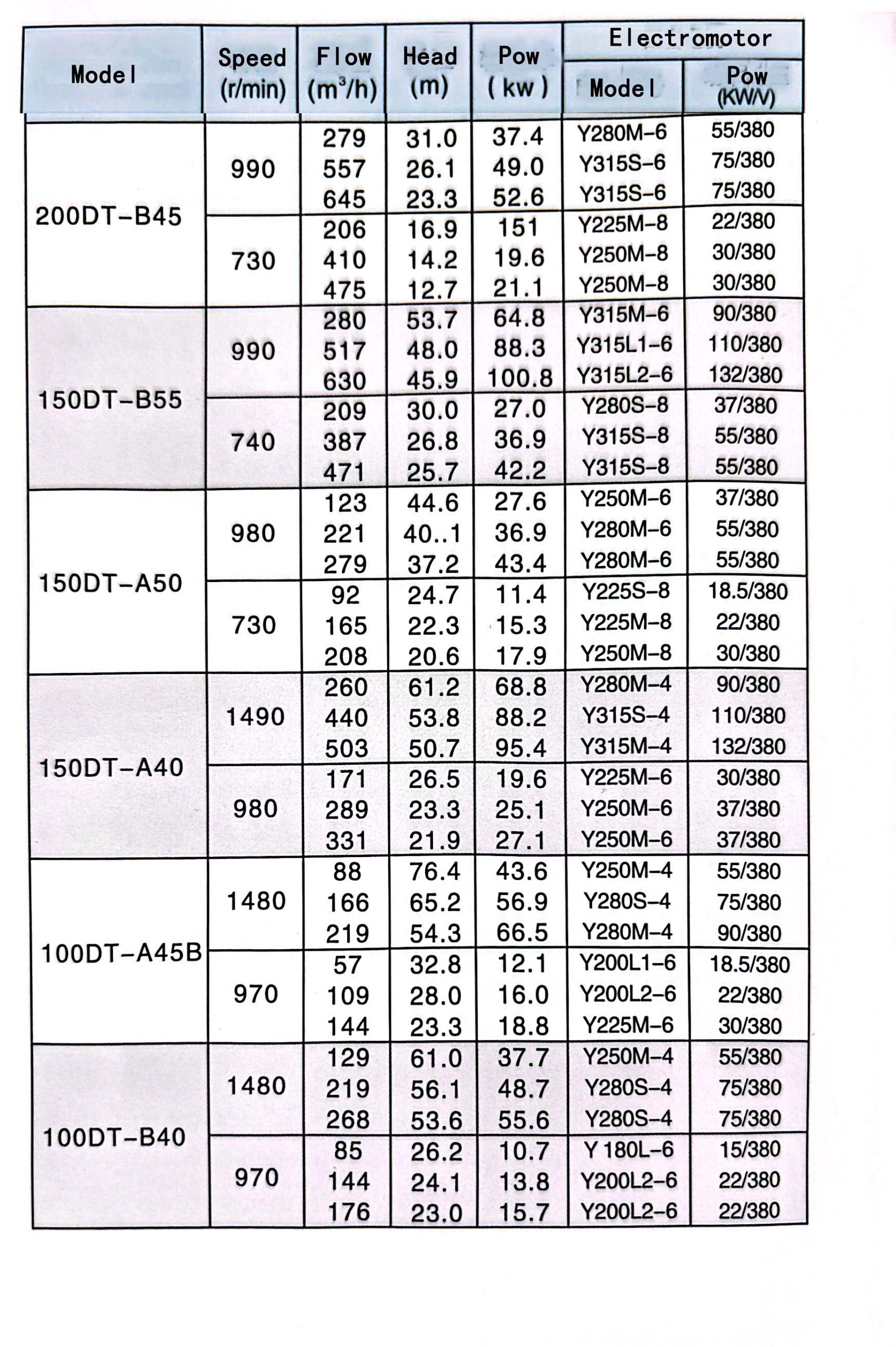
| Parameter | Specification | Test Standard | Typical Application Range |
|---|---|---|---|
| Horsepower | 1 hp (746 Watts) | IEC 60335-2-40 | Residential & Small Commercial Systems |
| Flow Rate | 30-60 GPM (Gallons Per Minute) | ANSI/ASME B73.1 | Systems up to 750 gallons/day |
| Total Dynamic Head | 50-100 ft | Hydraulic Institute Standards | Drain fields with moderate elevation changes |
| Solids Handling | Up to 2 inches | N/A (manufacturer specified) | Systems with pre-settled effluent |
| Voltage | 115/230V, 60Hz | UL 508A | Standard North American Power Systems |
| Impeller Material | Polypropylene / Noryl | ASTM D696 | Corrosive Wastewater Environments |
Failure Mode & Maintenance
Common failure modes for 1 hp septic pumps include impeller wear due to abrasive solids, seal failure leading to leakage, motor burnout caused by overheating or voltage fluctuations, and switch failure due to corrosion or mechanical fatigue. Fatigue cracking in the pump housing can occur over time due to cyclical pressure changes. Delamination of the impeller material can reduce pumping efficiency. Degradation of seals (Viton/Buna-N) results from chemical attack by components of wastewater. Oxidation of metallic components contributes to corrosion.
Preventative maintenance is critical for extending pump lifespan. This includes regular inspection for leaks, noise, and vibration. Periodic cleaning of the pump intake screen to remove debris prevents clogging. Lubrication of motor bearings (if applicable) reduces friction and wear. Checking and testing the float switch ensures proper operation. Annual inspection of the electrical connections for corrosion and tightness is crucial. If pump performance declines, troubleshooting steps include checking the power supply, verifying the impeller is free from obstruction, and inspecting the check valve for proper function. Seal replacement is typically required every 3-5 years, depending on wastewater composition and usage. For significant motor issues, professional repair or replacement is often necessary. Regularly pumping the septic tank to prevent solids buildup is crucial for minimizing pump stress and prolonging its operational life.
Industry FAQ
Q: What is the optimal flow rate for a 1 hp septic pump serving a 3-bedroom house?
A: For a 3-bedroom house, a typical wastewater flow is around 150-225 gallons per day. A 1 hp pump should be selected to deliver this flow over a 24-hour period with intermittent operation. A flow rate of 30-45 GPM is generally sufficient, but the total dynamic head must be carefully calculated to ensure adequate delivery to the drain field. A pump curve analysis is essential for verifying suitability.
Q: What are the implications of using a pump with a higher horsepower than necessary?
A: Using a higher horsepower pump than required can lead to increased energy consumption, accelerated wear on pump components, and potentially damage to the drain field due to excessive flow rates. Over-pumping can also disrupt the biological treatment processes within the drain field.
Q: What type of electrical protection is recommended for a 1 hp septic pump?
A: A dedicated circuit with a properly sized circuit breaker (typically 15-20 amps) and ground fault circuit interrupter (GFCI) protection is crucial. A surge protector is also recommended to safeguard the pump motor from voltage spikes. Compliance with local electrical codes is paramount.
Q: How can I diagnose a pump that is running but not pumping sufficient volume?
A: Possible causes include a clogged impeller, a faulty check valve, a leak in the suction line, or a worn pump casing. Start by visually inspecting the pump for obstructions. Then, check the check valve to ensure it is sealing properly. Inspect the suction line for leaks or collapses. If the problem persists, a pump performance test may be required to assess impeller efficiency.
Q: What is the typical lifespan of a properly maintained 1 hp septic pump?
A: A properly maintained 1 hp septic pump typically has a lifespan of 7-10 years. However, this can vary significantly depending on wastewater composition, usage patterns, and the quality of maintenance performed. Regular inspections and preventative maintenance are crucial for maximizing pump longevity.
Conclusion
The 1 hp septic pump serves as a critical link in decentralized wastewater management, demanding careful selection and diligent maintenance. Its performance is fundamentally governed by hydraulic principles and material science, requiring consideration of flow rate, head pressure, and environmental resistance. Understanding potential failure modes, ranging from impeller wear to seal degradation, is essential for proactive maintenance strategies, ultimately ensuring reliable effluent distribution and minimizing the risk of system malfunctions.
Looking forward, advancements in pump technology, such as variable frequency drives (VFDs) for energy optimization and improved impeller designs for solids handling, promise to enhance the efficiency and longevity of these systems. Implementing remote monitoring capabilities, allowing for early detection of performance issues, will also become increasingly prevalent. The long-term success of septic systems relies on a holistic approach that integrates proper pump selection, proactive maintenance, and adherence to evolving industry standards.
-
Comprehensive Guide to Waterproof ORings for Optimal Sealing Solutions
News2026-06-09
-
basement bathroom pump systems Performance Analysis
News2026-06-24
-
basement bathroom ejector pump system Performance Engineering
News2026-06-24
-
2 hp sewage pump Performance Engineering
News2026-06-24
-
1 hp septic pump Performance Engineering
News2026-06-24
-
submersible effluent pump Performance Analysis
News2026-06-24
-
submergable pump Material Science
News2026-06-23
-
sewer injection pump Performance Engineering
News2026-06-23
-
Sewer Ejector Pump System Performance Analysis
News2026-06-23
-
septic tank pump for sale Performance Engineering
News2026-06-23
-
septic pump for sale Performance Engineering
News2026-06-23
-
septic ejector system Performance Analysis
News2026-06-22
-
replace septic pump Performance Analysis
News2026-06-22
-
pump system septic tank Performance Analysis
News2026-06-22
-
lift pump for sewer Performance and Engineering
News2026-06-22




