English
- Afrikaans
- Albanian
- Amharic
- Arabic
- Armenian
- Azerbaijani
- Basque
- Belarusian
- Bengali
- Bosnian
- Bulgarian
- Catalan
- Cebuano
- Corsican
- Croatian
- Czech
- Danish
- Dutch
- English
- Esperanto
- Estonian
- Finnish
- French
- Frisian
- Galician
- Georgian
- German
- Greek
- Gujarati
- Haitian Creole
- hausa
- hawaiian
- Hebrew
- Hindi
- Miao
- Hungarian
- Icelandic
- igbo
- Indonesian
- irish
- Italian
- Japanese
- Javanese
- Kannada
- kazakh
- Khmer
- Rwandese
- Korean
- Kurdish
- Kyrgyz
- Lao
- Latin
- Latvian
- Lithuanian
- Luxembourgish
- Macedonian
- Malgashi
- Malay
- Malayalam
- Maltese
- Maori
- Marathi
- Mongolian
- Myanmar
- Nepali
- Norwegian
- Norwegian
- Occitan
- Pashto
- Persian
- Polish
- Portuguese
- Punjabi
- Romanian
- Russian
- Samoan
- Scottish Gaelic
- Serbian
- Sesotho
- Shona
- Sindhi
- Sinhala
- Slovak
- Slovenian
- Somali
- Spanish
- Sundanese
- Swahili
- Swedish
- Tagalog
- Tajik
- Tamil
- Tatar
- Telugu
- Thai
- Turkish
- Turkmen
- Ukrainian
- Urdu
- Uighur
- Uzbek
- Vietnamese
- Welsh
- Bantu
- Yiddish
- Yoruba
- Zulu

Telephone: +86 13120555503
Email: frank@cypump.com


Apr . 01, 2024 17:55 Back to list
1.5 hp submersible sewage pump Performance Engineering
Introduction
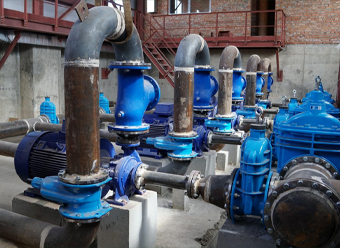
The 1.5 hp submersible sewage pump is a critical component in wastewater management systems, designed for the efficient and reliable transfer of sewage and effluent. Positioned within the broader industry chain as a final stage in wastewater collection and pre-treatment, its core function is to lift and discharge solids-laden wastewater from collection points to treatment facilities or discharge locations. This pump type utilizes an electric motor driving an impeller to generate hydraulic pressure, capable of handling both liquid and solid waste materials. Key performance indicators include flow rate (typically measured in gallons per minute or liters per second), head (the maximum vertical distance the pump can lift the fluid), solids handling capability (expressed in diameter or percentage solids by weight), and power efficiency. A primary industry pain point addressed by these pumps is the mitigation of clogging and abrasive wear, demanding robust impeller designs, durable materials, and effective sealing mechanisms. Efficient operation directly impacts downstream treatment processes and reduces the risk of system failures and environmental contamination.
Material Science & Manufacturing
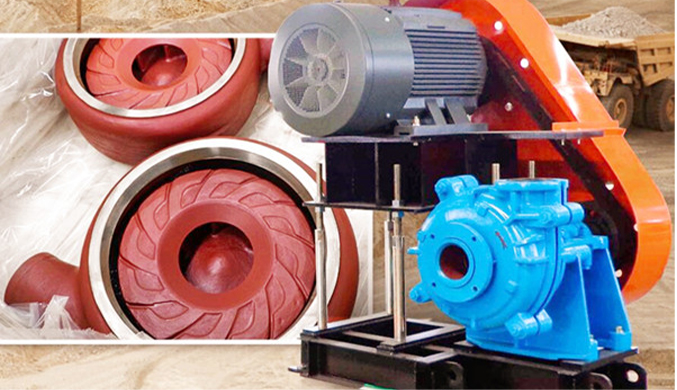
The construction of a 1.5 hp submersible sewage pump necessitates careful material selection and precision manufacturing. The pump housing is commonly constructed from cast iron (ASTM A48 Class 30) due to its high tensile strength, wear resistance, and cost-effectiveness. However, for more corrosive environments, stainless steel (304 or 316 grades, adhering to ASTM A240) is employed, offering superior corrosion resistance. The impeller, responsible for generating flow, is often made from high-chrome cast iron or stainless steel to withstand abrasive particles present in sewage. Shaft materials typically include 4140 alloy steel (meeting ASTM A29) heat-treated to enhance its hardness and fatigue strength. Mechanical seals are crucial for preventing leakage and are commonly composed of silicon carbide faces (meeting ISO 3691) paired with nitrile rubber or Viton elastomers (conforming to ASTM D2000) for compatibility with sewage constituents. Manufacturing processes include sand casting for the housing, investment casting or machining for the impeller, and precision machining for the shaft. Critical parameter control during manufacturing involves balancing the impeller to minimize vibration (ISO 1940-1), ensuring accurate dimensional tolerances for the housing and impeller to maintain hydraulic efficiency, and rigorously testing the mechanical seal assembly under pressure to verify leak tightness (API 682 standards are often referenced for seal testing). Winding the electric motor requires precise coil placement and varnish impregnation to ensure electrical insulation and thermal stability (IEC 60034-18-41).
Performance & Engineering
The performance of a 1.5 hp submersible sewage pump is governed by fundamental hydraulic and mechanical engineering principles. Force analysis centers on impeller design, which influences the pump’s head-capacity curve. Volute casing geometry plays a critical role in converting velocity energy into pressure energy. Cavitation, a significant concern, occurs when the absolute pressure at the impeller inlet drops below the vapor pressure of the liquid, forming vapor bubbles that collapse and erode the impeller material. Preventing cavitation requires careful pump selection based on net positive suction head available (NPSHa) and ensuring the NPSHa exceeds the NPSH required (NPSHr). Environmental resistance is addressed through material selection – corrosion resistance for sewage with high sulfide content, and abrasion resistance for handling grit and solids. Compliance requirements include adherence to electrical safety standards (UL 508A, CSA C22.2 No. 10), hydraulic performance standards (HI standards from the Hydraulic Institute), and potentially environmental regulations regarding noise emissions (ISO 9613-2). Functional implementation relies on proper motor sizing to deliver the required hydraulic power, effective cooling systems to dissipate heat generated by the motor, and robust cable glands to maintain watertight integrity. The pump's motor must be designed for submerged operation, typically using a water-filled motor housing or oil-filled design for heat dissipation and electrical insulation. Furthermore, the pump's lifting mechanism and discharge piping must be designed to withstand the dynamic loads imposed by the pumped fluid.
Technical Specifications
| Parameter | Unit | Value (Typical) | Test Standard |
|---|---|---|---|
| Power | hp | 1.5 | NEMA MG 1 |
| Voltage | V | 460/3/60 | IEC 60038 |
| Flow Rate | GPM | 70-120 | HI 1.6 |
| Head | ft | 40-60 | HI 1.6 |
| Solids Handling | in | 2 | Manufacturer Specification |
| Impeller Material | - | High Chrome Cast Iron | ASTM A532 |
| Housing Material | - | Cast Iron | ASTM A48 Class 30 |
Failure Mode & Maintenance
Submersible sewage pumps are susceptible to several failure modes. Fatigue cracking in the impeller or housing can occur due to cyclical loading and stress concentration, particularly in areas around impeller vanes and discharge ports. Delamination of the impeller material can result from improper manufacturing or prolonged exposure to corrosive fluids. Degradation of elastomers in mechanical seals leads to leakage, often accelerated by chemical attack from hydrogen sulfide or other sewage constituents. Oxidation and corrosion of metallic components, especially in chloride-rich environments, compromise structural integrity. Bearing failure in the motor, caused by lubrication breakdown or contamination, is another common issue. Winding failure in the motor results from overheating or insulation breakdown. Maintenance strategies include regular inspection of the mechanical seal for wear or leakage, lubrication of bearings according to manufacturer recommendations (using appropriate grease types as specified in ISO 6899), periodic cleaning of the impeller to remove accumulated solids, and voltage/current monitoring of the motor to detect potential winding issues. Preventative maintenance should incorporate vibration analysis (ISO 10816) to identify bearing wear and impeller imbalance. For pumps operating in highly corrosive environments, sacrificial anodes (made of zinc or aluminum alloys) can be installed to mitigate corrosion. Scheduled seal replacement is crucial for maintaining pump efficiency and preventing catastrophic failures.
Industry FAQ
Q: What is the impact of sewage composition variability on pump lifespan?
A: Sewage composition varies significantly based on industrial inputs and seasonal changes. High concentrations of abrasive solids accelerate impeller wear, while increased levels of hydrogen sulfide and other corrosive compounds degrade materials like stainless steel and elastomers. Regularly monitoring influent characteristics and selecting pump materials accordingly are crucial for maximizing lifespan. Implement a robust solids management program upstream of the pump.
Q: How does impeller design affect pump efficiency and clogging resistance?
A: Impeller design directly impacts hydraulic efficiency and clogging propensity. Open impellers are more resistant to clogging but generally have lower efficiency compared to closed impellers. Semi-open impellers offer a compromise. Impeller vane angles and blade shape influence head and flow characteristics. Computational Fluid Dynamics (CFD) modeling is employed to optimize impeller geometry for specific applications.
Q: What are the key considerations for motor cooling in a submerged environment?
A: Motor cooling in submerged applications relies on either water-filled or oil-filled motor housings. Water-filled designs utilize the surrounding sewage for cooling, while oil-filled designs circulate oil within the motor housing. Maintaining oil level and ensuring proper heat dissipation are critical. Motor winding insulation must be robust enough to withstand continuous submersion.
Q: What are the best practices for cable management to prevent failures?
A: Proper cable management is vital. The cable must be securely anchored to relieve strain on the cable gland and prevent water ingress. Use appropriately sized cable for the power requirements and the submerged depth. Regularly inspect the cable for damage or abrasion. Implement a cable monitoring system to detect potential insulation faults.
Q: How important is vibration analysis for preventative maintenance?
A: Vibration analysis is a critical preventative maintenance technique. Elevated vibration levels can indicate bearing wear, impeller imbalance, misalignment, or cavitation. Early detection of these issues allows for timely intervention, preventing catastrophic failures and minimizing downtime. Adhere to ISO 10816 guidelines for vibration severity assessment.
Conclusion
The 1.5 hp submersible sewage pump represents a foundational technology in modern wastewater infrastructure. Its reliable operation is contingent upon careful material selection, precise manufacturing processes, and adherence to stringent industry standards. Understanding the potential failure modes – ranging from impeller erosion and seal degradation to motor winding failures – is paramount for implementing effective preventative maintenance programs.
Future advancements in this technology will likely focus on optimizing impeller designs for improved efficiency and reduced clogging, developing more durable and corrosion-resistant materials, and integrating smart monitoring systems for predictive maintenance. Addressing the industry's ongoing pain points related to abrasive wear, corrosion, and energy efficiency will drive innovation in this critical component of wastewater management.
-
Precision at the Pump: How Better Machining Protects Flow and Uptime
News2026-11-20
-
Why Pump Reliability Begins Before the First Drop of Fluid
News2026-11-20
-
Beyond the Pump: Designing Safer Access Around Critical Water Infrastructure
News2026-11-20
-
Why Pumping Stations Depend on the Infrastructure Beneath the Pumps
News2026-11-20
-
Beyond the Pump Room: How Smarter Loading Protects Industrial Equipment
News2026-11-19
-
When Pumps Stop: Designing More Resilient Power for Critical Pumping Systems
News2026-11-19
-
The Hidden Role of Dust and Gas Monitoring in Reliable Pump Operations
News2026-11-19
-
The Hidden Role of Mineral Compounds in Extending Industrial Pump Lifespan
News2026-10-12
-
Why Pump System Reliability Depends on Precision Hose Assembly Methods
News2026-09-15
-
How Advanced Imaging Films Are Transforming Pump Component Quality Control
News2026-08-25
-
How Advanced Filtration Protects Pump Systems from Premature Wear and Costly Downtime
News2026-08-25
-
How Steel Material Selection Drives Pump Reliability in Heavy-Duty Systems
News2026-08-25
-
Ensuring Pump System Efficiency: The Role of High-Quality Pipe Fittings and Tubing
News2026-08-24
-
Optimizing Fluid Dynamics and Material Consistency in Industrial Processing
News2026-08-18
-
Innovations and Challenges in Hydraulic Systems for Heavy Machinery
News2026-08-13




