English
- Afrikaans
- Albanian
- Amharic
- Arabic
- Armenian
- Azerbaijani
- Basque
- Belarusian
- Bengali
- Bosnian
- Bulgarian
- Catalan
- Cebuano
- Corsican
- Croatian
- Czech
- Danish
- Dutch
- English
- Esperanto
- Estonian
- Finnish
- French
- Frisian
- Galician
- Georgian
- German
- Greek
- Gujarati
- Haitian Creole
- hausa
- hawaiian
- Hebrew
- Hindi
- Miao
- Hungarian
- Icelandic
- igbo
- Indonesian
- irish
- Italian
- Japanese
- Javanese
- Kannada
- kazakh
- Khmer
- Rwandese
- Korean
- Kurdish
- Kyrgyz
- Lao
- Latin
- Latvian
- Lithuanian
- Luxembourgish
- Macedonian
- Malgashi
- Malay
- Malayalam
- Maltese
- Maori
- Marathi
- Mongolian
- Myanmar
- Nepali
- Norwegian
- Norwegian
- Occitan
- Pashto
- Persian
- Polish
- Portuguese
- Punjabi
- Romanian
- Russian
- Samoan
- Scottish Gaelic
- Serbian
- Sesotho
- Shona
- Sindhi
- Sinhala
- Slovak
- Slovenian
- Somali
- Spanish
- Sundanese
- Swahili
- Swedish
- Tagalog
- Tajik
- Tamil
- Tatar
- Telugu
- Thai
- Turkish
- Turkmen
- Ukrainian
- Urdu
- Uighur
- Uzbek
- Vietnamese
- Welsh
- Bantu
- Yiddish
- Yoruba
- Zulu

Telephone: +86 13120555503
Email: frank@cypump.com


Apr . 01, 2024 17:55 Back to list
1 2 hp submersible sewage pump Performance Analysis
Introduction
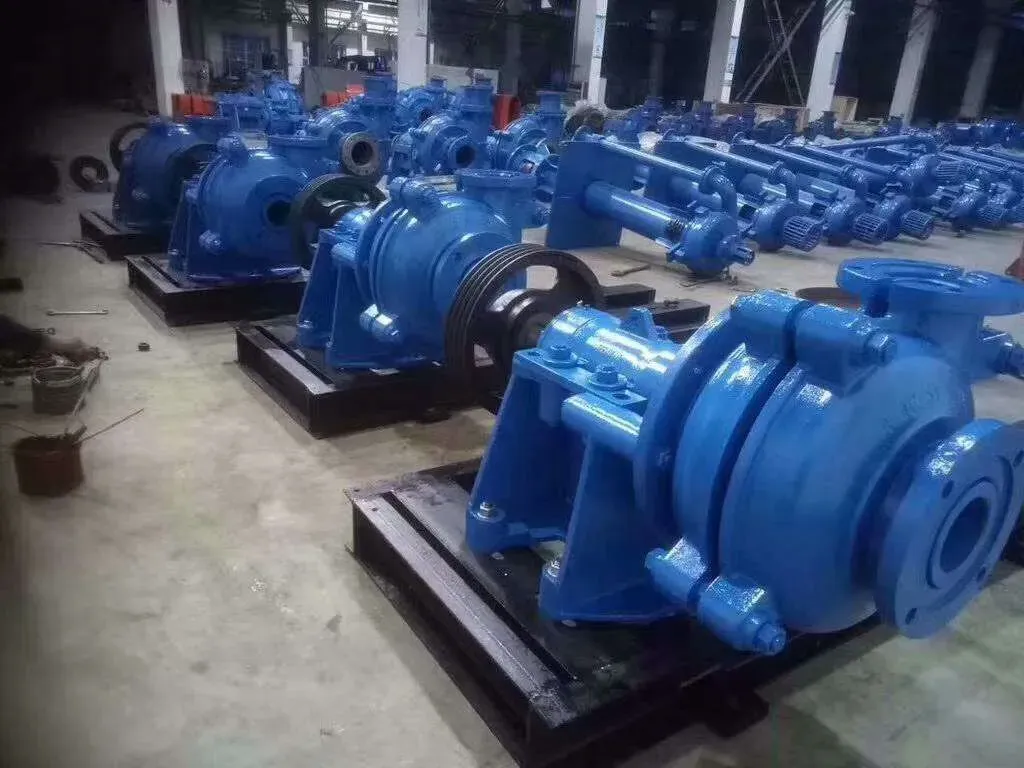
The 1.2 hp submersible sewage pump is a critical component in wastewater management systems, designed for the efficient and reliable removal of solids-laden effluent. Positioned within the industrial chain as a terminal processing device following preliminary screening, its primary function is to lift sewage from collection points to treatment facilities or discharge locations. These pumps are utilized across municipal wastewater treatment plants, industrial facilities generating process wastewater, and commercial buildings requiring sewage ejection. Core performance characteristics revolve around hydraulic efficiency, solids handling capability, motor longevity in submerged environments, and resistance to corrosive elements typically found in sewage. A key pain point within the industry is balancing pump performance with energy consumption and minimizing maintenance downtime due to abrasive wear or clogging. This guide provides a comprehensive technical overview of these pumps, covering material science, manufacturing processes, performance parameters, failure modes, and relevant industry standards.
Material Science & Manufacturing
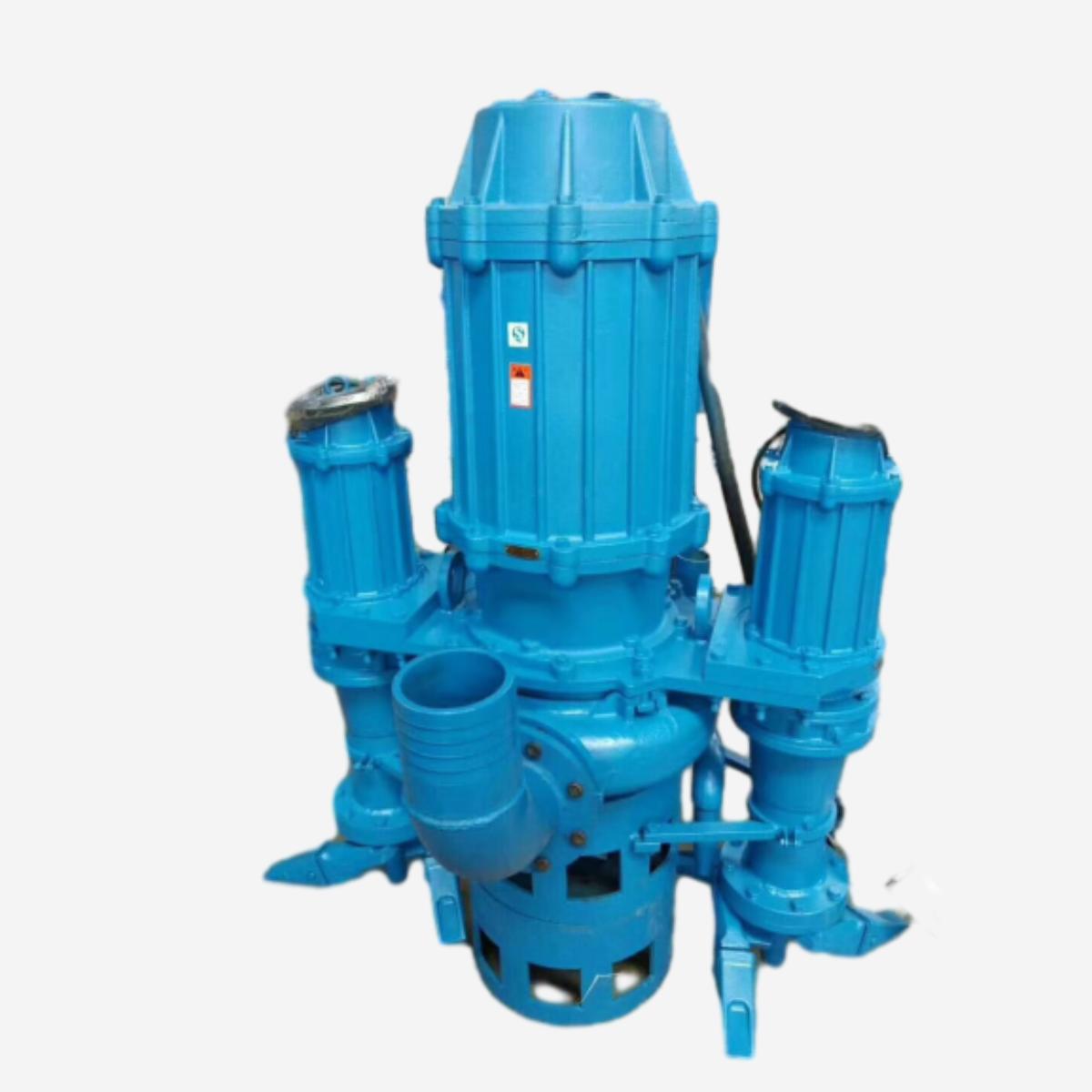
The construction of a 1.2 hp submersible sewage pump leverages a combination of materials chosen for their durability and resistance to the harsh environment. The pump housing is typically manufactured from cast iron (ASTM A48 Class 30), offering high tensile strength and impact resistance. Critical wet-end components, such as the impeller and diffuser, are often constructed from high-chrome cast iron (ASTM A532 Grade III) or stainless steel (304/316), maximizing abrasion resistance from suspended solids. The motor housing is generally fabricated from cast iron or stainless steel, providing a robust enclosure for the electrical components. Shafts are commonly produced from 4140 alloy steel, heat-treated for optimal strength and fatigue resistance. Seals are crucial, utilizing materials like silicon carbide or tungsten carbide against hardened stainless steel faces to ensure leak-proof operation. Manufacturing processes begin with casting the pump housing and impeller. Impellers undergo precision machining to ensure accurate vane geometry, directly impacting hydraulic performance. Motor stator windings are meticulously assembled and vacuum-impregnated with epoxy resin for moisture protection. Critical parameters during manufacturing include dimensional accuracy of the impeller and diffuser, ensuring proper alignment of rotating components, and achieving a precise seal interface. Quality control focuses on non-destructive testing (NDT) – radiographic inspection of castings, dye penetrant inspection for surface flaws, and hydrostatic testing to verify housing integrity. Proper epoxy impregnation is also monitored to prevent motor failure due to water ingress.
Performance & Engineering
The performance of a 1.2 hp submersible sewage pump is dictated by hydraulic design and motor characteristics. Force analysis considers the radial and axial loads imposed on the impeller and shaft due to fluid flow. Impeller geometry is optimized using computational fluid dynamics (CFD) to maximize head (vertical lift) and flow rate at the specified horsepower. Environmental resistance is paramount; the pump must withstand continuous immersion in corrosive sewage. Cathodic protection (sacrificial anodes or impressed current systems) is often employed to mitigate corrosion of the cast iron housing. Compliance requirements vary by region, but typically include standards for electrical safety (IEC 60335-2-40), pump efficiency (DOE standards in the US), and solids handling capability. Functional implementation involves selecting a pump curve that matches the system’s head-flow requirements. Factors to consider include the elevation difference between the pump and discharge point, pipe friction losses, and the anticipated variations in sewage flow rate. Motor selection is critical, ensuring the motor is rated for continuous submerged duty and is properly sized to handle the pump’s mechanical load. Pump performance is influenced by fluid viscosity and solids concentration; higher viscosity reduces pump efficiency, while excessive solids can lead to clogging. Careful consideration of these factors is necessary to ensure reliable and efficient operation. Proper installation, including secure mounting and appropriate piping connections, is vital to prevent vibration and premature failure.
Technical Specifications
| Parameter | Specification | Testing Standard | Typical Value |
|---|---|---|---|
| Horsepower (HP) | 1.2 hp | NEMA MG 1 | 1.15 kW |
| Voltage | 460V, 3-Phase | IEC 60038 | 480V available |
| Maximum Head | 50 ft | Hydraulic Institute Standards | 15.24 m |
| Maximum Flow Rate | 100 GPM | Hydraulic Institute Standards | 378.5 L/min |
| Solids Handling Capacity | 3 inches | Manufacturer Specification | 76.2 mm |
| Minimum Submersion Depth | 18 inches | Manufacturer Recommendation | 457.2 mm |
Failure Mode & Maintenance
Common failure modes for 1.2 hp submersible sewage pumps include impeller wear, seal failure, motor winding failure, and clogging. Impeller wear occurs due to abrasion from suspended solids, leading to reduced pump efficiency and head. Seal failure allows sewage to enter the motor housing, causing corrosion and electrical shorts. Motor winding failure is typically caused by overheating due to insufficient cooling or voltage imbalances. Clogging occurs when debris obstructs the impeller intake, reducing flow rate and potentially damaging the pump. Failure analysis reveals that impeller wear is often accelerated by inadequate impeller material selection for the specific sewage composition. Seal failures are frequently linked to improper installation or the use of incompatible seal materials. Motor winding failures are often preceded by elevated motor temperatures. Preventive maintenance is crucial. Regular inspection of the impeller and seals for wear is recommended. Periodic cleaning of the pump intake to remove debris prevents clogging. Monitoring motor temperature and voltage balance can detect potential winding failures. Lubricating bearings according to the manufacturer's recommendations extends bearing life. Scheduled replacement of seals and impellers based on operating hours minimizes the risk of unexpected failures. Proper storage during periods of non-use, keeping the pump submerged or adequately protected from the environment, prevents corrosion and deterioration of seals.
Industry FAQ
Q: What is the impact of sewage composition on pump selection?
A: Sewage composition significantly impacts pump selection. High solids content requires pumps with larger solids handling capabilities and more abrasion-resistant impellers. Corrosive elements (hydrogen sulfide, sulfates) necessitate pumps constructed from corrosion-resistant materials like stainless steel or epoxy-coated cast iron. The presence of oily or greasy substances requires consideration of seal compatibility and potential for clogging.
Q: How do I determine the appropriate pump curve for my application?
A: To determine the appropriate pump curve, you must accurately assess the system’s total dynamic head (TDH). This includes static head (vertical lift), friction losses in the piping system, and any pressure requirements at the discharge point. The pump curve should provide the required flow rate at the calculated TDH. A slight margin of safety is recommended to accommodate fluctuations in flow rate.
Q: What are the key considerations for electrical installation?
A: Electrical installation must comply with local and national electrical codes. Proper grounding is essential for safety and to prevent electrical shock. The motor must be protected by appropriately sized circuit breakers or fuses. Cable selection should be suitable for continuous submerged operation. A variable frequency drive (VFD) can be used to optimize pump performance and energy consumption.
Q: What maintenance procedures should be performed regularly?
A: Regular maintenance includes inspecting the pump intake for debris, checking the impeller and seals for wear, lubricating bearings, monitoring motor temperature and voltage balance, and visually inspecting the pump housing for corrosion. Record keeping of maintenance activities helps track pump performance and identify potential issues.
Q: How can I mitigate the risk of clogging?
A: Mitigating clogging involves installing a strainer or screen upstream of the pump intake to remove large debris. Regular cleaning of the intake is also essential. Consider using a pump with a vortex impeller, which is less susceptible to clogging than a radial impeller. Properly sizing the pump for the anticipated flow rate can also reduce the risk of clogging.
Conclusion
The 1.2 hp submersible sewage pump represents a vital component in modern wastewater handling, requiring careful consideration of material science, manufacturing precision, and diligent maintenance. Achieving optimal performance and longevity necessitates a thorough understanding of hydraulic principles, environmental factors, and potential failure modes. Selecting the appropriate pump for a specific application demands accurate assessment of system head, flow rate requirements, and the characteristics of the wastewater being handled.
Future advancements in submersible pump technology are likely to focus on improved energy efficiency, enhanced solids handling capabilities, and the integration of smart sensors for predictive maintenance. Continued research into corrosion-resistant materials and advanced sealing technologies will further extend pump lifespan and reduce operational costs. Prioritizing preventative maintenance programs, incorporating data-driven monitoring systems, and adhering to stringent industry standards will remain critical for ensuring the reliable and sustainable operation of these essential wastewater management assets.
-
Precision at the Pump: How Better Machining Protects Flow and Uptime
News2026-11-20
-
Why Pump Reliability Begins Before the First Drop of Fluid
News2026-11-20
-
Beyond the Pump: Designing Safer Access Around Critical Water Infrastructure
News2026-11-20
-
Why Pumping Stations Depend on the Infrastructure Beneath the Pumps
News2026-11-20
-
Beyond the Pump Room: How Smarter Loading Protects Industrial Equipment
News2026-11-19
-
When Pumps Stop: Designing More Resilient Power for Critical Pumping Systems
News2026-11-19
-
The Hidden Role of Dust and Gas Monitoring in Reliable Pump Operations
News2026-11-19
-
The Hidden Role of Mineral Compounds in Extending Industrial Pump Lifespan
News2026-10-12
-
Why Pump System Reliability Depends on Precision Hose Assembly Methods
News2026-09-15
-
How Advanced Imaging Films Are Transforming Pump Component Quality Control
News2026-08-25
-
How Advanced Filtration Protects Pump Systems from Premature Wear and Costly Downtime
News2026-08-25
-
How Steel Material Selection Drives Pump Reliability in Heavy-Duty Systems
News2026-08-25
-
Ensuring Pump System Efficiency: The Role of High-Quality Pipe Fittings and Tubing
News2026-08-24
-
Optimizing Fluid Dynamics and Material Consistency in Industrial Processing
News2026-08-18
-
Innovations and Challenges in Hydraulic Systems for Heavy Machinery
News2026-08-13




