English
- Afrikaans
- Albanian
- Amharic
- Arabic
- Armenian
- Azerbaijani
- Basque
- Belarusian
- Bengali
- Bosnian
- Bulgarian
- Catalan
- Cebuano
- Corsican
- Croatian
- Czech
- Danish
- Dutch
- English
- Esperanto
- Estonian
- Finnish
- French
- Frisian
- Galician
- Georgian
- German
- Greek
- Gujarati
- Haitian Creole
- hausa
- hawaiian
- Hebrew
- Hindi
- Miao
- Hungarian
- Icelandic
- igbo
- Indonesian
- irish
- Italian
- Japanese
- Javanese
- Kannada
- kazakh
- Khmer
- Rwandese
- Korean
- Kurdish
- Kyrgyz
- Lao
- Latin
- Latvian
- Lithuanian
- Luxembourgish
- Macedonian
- Malgashi
- Malay
- Malayalam
- Maltese
- Maori
- Marathi
- Mongolian
- Myanmar
- Nepali
- Norwegian
- Norwegian
- Occitan
- Pashto
- Persian
- Polish
- Portuguese
- Punjabi
- Romanian
- Russian
- Samoan
- Scottish Gaelic
- Serbian
- Sesotho
- Shona
- Sindhi
- Sinhala
- Slovak
- Slovenian
- Somali
- Spanish
- Sundanese
- Swahili
- Swedish
- Tagalog
- Tajik
- Tamil
- Tatar
- Telugu
- Thai
- Turkish
- Turkmen
- Ukrainian
- Urdu
- Uighur
- Uzbek
- Vietnamese
- Welsh
- Bantu
- Yiddish
- Yoruba
- Zulu

Telephone: +86 13120555503
Email: frank@cypump.com


Apr . 01, 2024 17:55 Back to list
1/2 hp submersible sewage pump Material Science and Manufacturing
Introduction
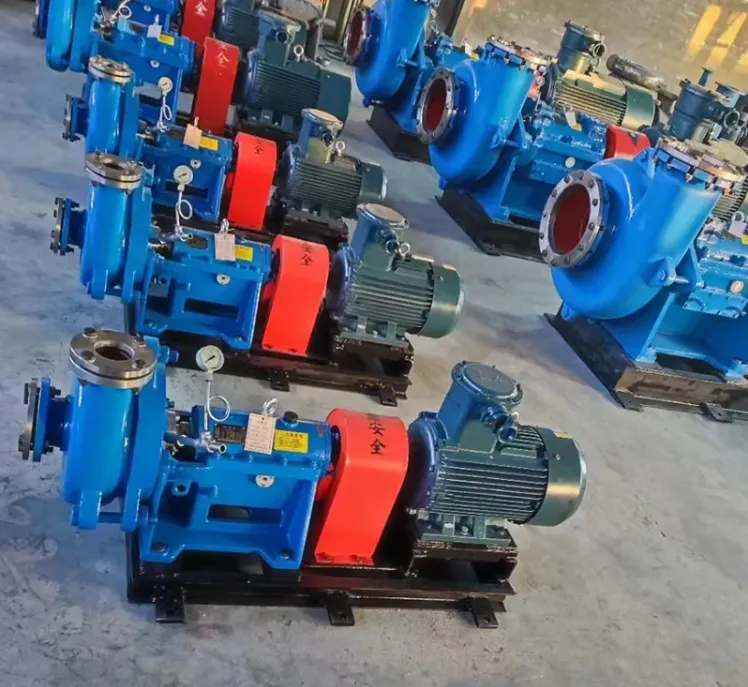
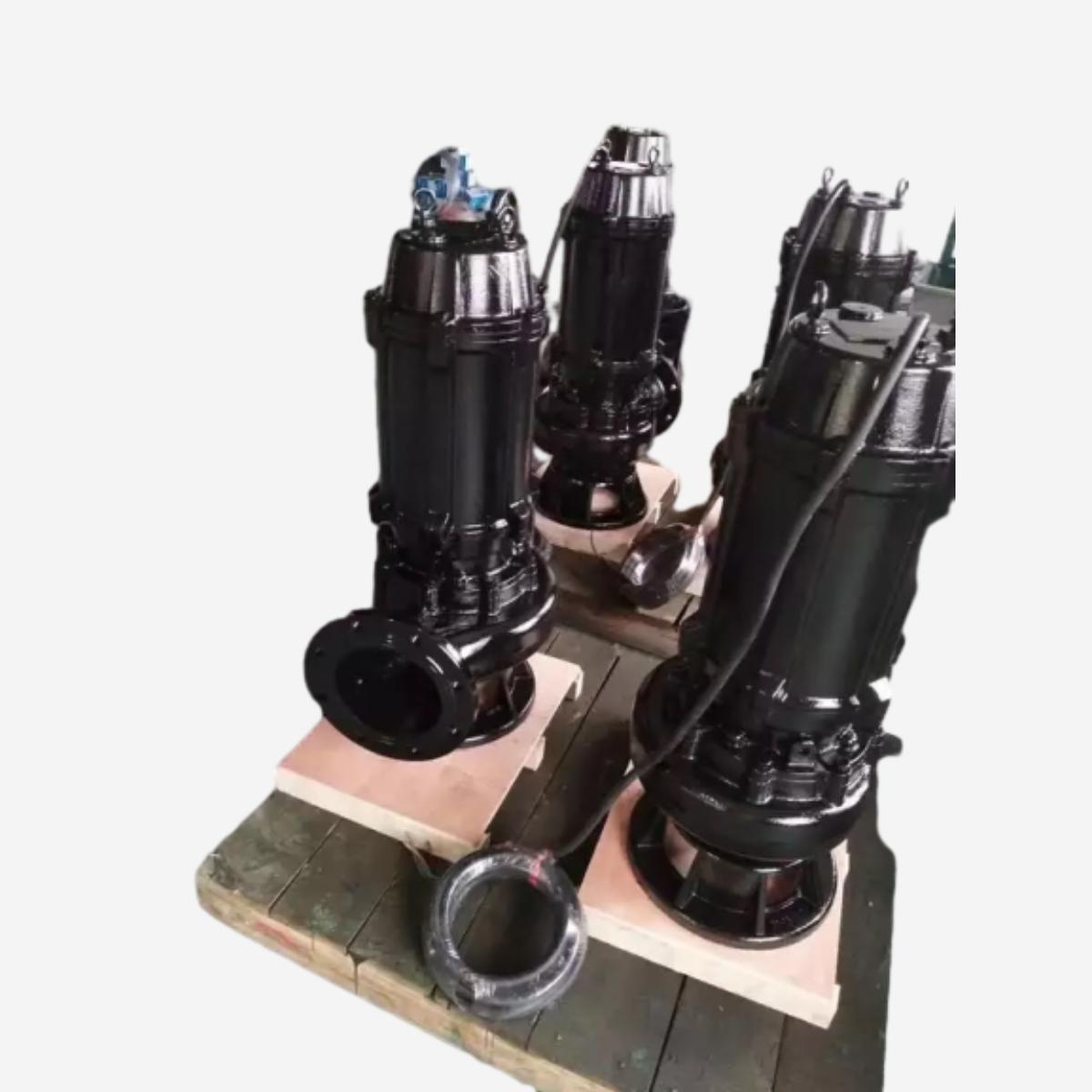
The 1/2 hp submersible sewage pump is a critical component in wastewater management systems, designed for the efficient removal of solids-laden effluent. Positioned within the industry chain as a final stage solids handling device, these pumps are integral to municipal wastewater treatment plants, industrial facilities, and residential septic systems. Their core performance characteristics revolve around high head pressure, robust solids handling capability, and reliable operation in harsh, submerged environments. Unlike centrifugal pumps optimized for clear liquids, these pumps employ impeller designs specifically engineered to prevent clogging and shear solids, ensuring consistent discharge flow. The increasing demand for efficient and environmentally compliant wastewater solutions drives the ongoing development of improved pump hydraulics, motor technologies, and corrosion-resistant materials. A key pain point in this industry lies in balancing pump efficiency with the prevention of clogging, necessitating careful material selection and hydraulic design.
Material Science & Manufacturing
The construction of a 1/2 hp submersible sewage pump relies on a carefully selected range of materials to withstand the corrosive and abrasive nature of wastewater. The pump housing is typically manufactured from cast iron (ASTM A48 Class 30) or ductile iron (ASTM A536-85), chosen for their tensile strength, impact resistance, and weldability. Impellers are commonly constructed from high-chrome cast iron or stainless steel (304 or 316) to resist abrasion from suspended solids. Shafts are usually made from 4140 alloy steel, heat treated to achieve high yield strength and torsional rigidity. Seals are critically important, frequently employing silicon carbide mechanical seals (according to ISO 6858) paired with Viton or EPDM elastomers for chemical compatibility. Manufacturing processes involve sand casting for the housing, investment casting or machining for the impeller, and CNC machining for shaft components. Welding processes, conforming to AWS D1.1 standards, are used for joining various components. Parameter control during casting (temperature, cooling rate) is crucial for minimizing porosity and ensuring structural integrity. Heat treatment of the shaft must be precisely controlled to achieve optimal hardness and toughness. Quality control includes non-destructive testing (NDT) methods like radiographic inspection and ultrasonic testing to identify internal flaws.
Performance & Engineering
The performance of a 1/2 hp submersible sewage pump is characterized by its head-capacity curve, efficiency curve, and solids handling capability. Force analysis, including hydraulic thrust and radial loads on the impeller, is fundamental to bearing selection and shaft design. Environmental resistance is paramount; pumps are subjected to continuous submersion in corrosive wastewater, requiring robust corrosion protection. Motor selection considers the duty cycle, starting torque requirements, and thermal limitations within the submerged environment. IEC 60034-1 specifies performance requirements for rotating electrical machines. Compliance with EPA regulations regarding wastewater discharge necessitates minimizing pump leakage and ensuring reliable operation to prevent environmental contamination. The impeller design is critical; non-clog impellers (typically vortex or recessed impeller types) are employed to handle stringy rags, wipes, and other debris. Hydraulic calculations, based on Bernoulli's principle and the Darcy-Weisbach equation, are utilized to optimize impeller geometry and volute design. Bearing selection follows SKF or FAG standards, specifying load ratings, lubrication requirements, and expected lifespan. Pump system curves, accounting for pipe friction losses, are crucial for selecting the optimal pump size for a given application.
Technical Specifications
| Parameter | Unit | Value | Standard/Test Method |
|---|---|---|---|
| Motor Power | hp | 0.5 | NEMA MG 1 |
| Voltage | V | 120/240 | UL 508A |
| Maximum Head | ft | 25 | ANSI/HI 1.6 |
| Maximum Flow Rate | GPM | 75 | ANSI/HI 1.1 |
| Solids Handling Capacity | in | 2 | Manufacturer Specification |
| Minimum Submersion Depth | in | 18 | Manufacturer Specification |
Failure Mode & Maintenance
Common failure modes for 1/2 hp submersible sewage pumps include bearing failure, impeller damage, seal failure, and motor winding burnout. Bearing failure often stems from inadequate lubrication, excessive loading, or contamination. Impeller damage can result from abrasive wear caused by hard solids or impact from foreign objects. Seal failure is frequently attributed to abrasion, chemical attack, or improper installation. Motor winding burnout can occur due to overheating, voltage fluctuations, or insulation breakdown. Failure analysis techniques, such as visual inspection, metallographic examination, and oil analysis, are used to identify root causes. Preventive maintenance is crucial, involving regular inspection of seals, bearings, and power cables. Lubrication schedules should be strictly followed, utilizing appropriate greases as specified by the bearing manufacturer. Periodic monitoring of pump vibration levels (using ISO 10816) can detect early signs of bearing wear or imbalance. Seal replacement should be performed proactively to prevent catastrophic failure. Proper electrical grounding and surge protection are essential to prevent motor winding damage. Regular cleaning of the pump intake to remove debris prevents clogging and reduces strain on the motor.
Industry FAQ
Q: What is the impact of wastewater temperature on pump performance and lifespan?
A: Elevated wastewater temperatures can reduce the lifespan of pump components, particularly elastomers used in seals and windings. Higher temperatures decrease the viscosity of lubricating oils, potentially leading to increased wear. Furthermore, increased temperatures can accelerate corrosion rates. Pump performance may also be affected, with higher temperatures potentially reducing the efficiency of the motor. Consider pumps designed for higher temperature operation if consistently exposed to elevated wastewater temperatures.
Q: How does the specific gravity of the wastewater affect pump selection?
A: Wastewater with a specific gravity significantly different from water (1.0) will impact pump head and flow rate. Higher specific gravity fluids require more energy to pump, reducing the pump's head and flow. Pump selection must account for the expected range of specific gravity to ensure adequate performance. Density calculations are essential for proper sizing.
Q: What are the key considerations for selecting the appropriate impeller type for a specific application?
A: The impeller type depends on the characteristics of the solids in the wastewater. Vortex impellers are best suited for handling large, stringy solids with minimal shear, while recessed impellers offer a balance between solids handling and efficiency. Positive displacement impellers are used when high viscosity or difficult-to-pump fluids are present. Avoid standard centrifugal impellers if significant solids are present.
Q: What level of corrosion resistance is required for a pump installed in a highly corrosive environment (e.g., high sulfide content)?
A: In highly corrosive environments, pumps constructed from stainless steel (316) or exotic alloys (e.g., Hastelloy) are essential. Epoxy or ceramic coatings can also provide additional corrosion protection. Regular monitoring of pump housing thickness and material condition is critical. The pH of the wastewater should be considered as it impacts corrosion rates.
Q: What is the importance of a properly sized discharge pipe and check valve?
A: An improperly sized discharge pipe can create excessive friction losses, reducing pump efficiency and potentially causing cavitation. A properly functioning check valve prevents backflow and protects the pump from hydraulic shock. Pipe diameter should be selected based on flow velocity recommendations (typically 4-8 ft/s). Check valve selection should consider the fluid characteristics and head loss.
Conclusion
The 1/2 hp submersible sewage pump represents a vital component in modern wastewater management, demanding careful consideration of material science, manufacturing processes, and engineering principles. Its reliable operation is dependent on selecting materials capable of withstanding corrosive and abrasive environments, implementing rigorous quality control during manufacturing, and maintaining a proactive preventative maintenance schedule. Understanding the potential failure modes and adhering to industry standards are critical for maximizing pump lifespan and minimizing operational downtime.
Future developments in this field will likely focus on advanced materials, improved hydraulic designs, and the integration of smart sensors for predictive maintenance. Optimizing pump efficiency and reducing energy consumption will also be key priorities, driven by increasing environmental regulations and the need for sustainable wastewater treatment solutions. The ongoing refinement of impeller designs and seal technologies will continue to enhance the pump’s ability to handle challenging wastewater conditions.
-
Precision at the Pump: How Better Machining Protects Flow and Uptime
News2026-11-20
-
Why Pump Reliability Begins Before the First Drop of Fluid
News2026-11-20
-
Beyond the Pump: Designing Safer Access Around Critical Water Infrastructure
News2026-11-20
-
Why Pumping Stations Depend on the Infrastructure Beneath the Pumps
News2026-11-20
-
Beyond the Pump Room: How Smarter Loading Protects Industrial Equipment
News2026-11-19
-
When Pumps Stop: Designing More Resilient Power for Critical Pumping Systems
News2026-11-19
-
The Hidden Role of Dust and Gas Monitoring in Reliable Pump Operations
News2026-11-19
-
The Hidden Role of Mineral Compounds in Extending Industrial Pump Lifespan
News2026-10-12
-
Why Pump System Reliability Depends on Precision Hose Assembly Methods
News2026-09-15
-
How Advanced Imaging Films Are Transforming Pump Component Quality Control
News2026-08-25
-
How Advanced Filtration Protects Pump Systems from Premature Wear and Costly Downtime
News2026-08-25
-
How Steel Material Selection Drives Pump Reliability in Heavy-Duty Systems
News2026-08-25
-
Ensuring Pump System Efficiency: The Role of High-Quality Pipe Fittings and Tubing
News2026-08-24
-
Optimizing Fluid Dynamics and Material Consistency in Industrial Processing
News2026-08-18
-
Innovations and Challenges in Hydraulic Systems for Heavy Machinery
News2026-08-13




