English
- Afrikaans
- Albanian
- Amharic
- Arabic
- Armenian
- Azerbaijani
- Basque
- Belarusian
- Bengali
- Bosnian
- Bulgarian
- Catalan
- Cebuano
- Corsican
- Croatian
- Czech
- Danish
- Dutch
- English
- Esperanto
- Estonian
- Finnish
- French
- Frisian
- Galician
- Georgian
- German
- Greek
- Gujarati
- Haitian Creole
- hausa
- hawaiian
- Hebrew
- Hindi
- Miao
- Hungarian
- Icelandic
- igbo
- Indonesian
- irish
- Italian
- Japanese
- Javanese
- Kannada
- kazakh
- Khmer
- Rwandese
- Korean
- Kurdish
- Kyrgyz
- Lao
- Latin
- Latvian
- Lithuanian
- Luxembourgish
- Macedonian
- Malgashi
- Malay
- Malayalam
- Maltese
- Maori
- Marathi
- Mongolian
- Myanmar
- Nepali
- Norwegian
- Norwegian
- Occitan
- Pashto
- Persian
- Polish
- Portuguese
- Punjabi
- Romanian
- Russian
- Samoan
- Scottish Gaelic
- Serbian
- Sesotho
- Shona
- Sindhi
- Sinhala
- Slovak
- Slovenian
- Somali
- Spanish
- Sundanese
- Swahili
- Swedish
- Tagalog
- Tajik
- Tamil
- Tatar
- Telugu
- Thai
- Turkish
- Turkmen
- Ukrainian
- Urdu
- Uighur
- Uzbek
- Vietnamese
- Welsh
- Bantu
- Yiddish
- Yoruba
- Zulu

Telephone: +86 13120555503
Email: frank@cypump.com


Apr . 01, 2024 17:55 Back to list
1 2 hp septic pump Performance Engineering
Introduction
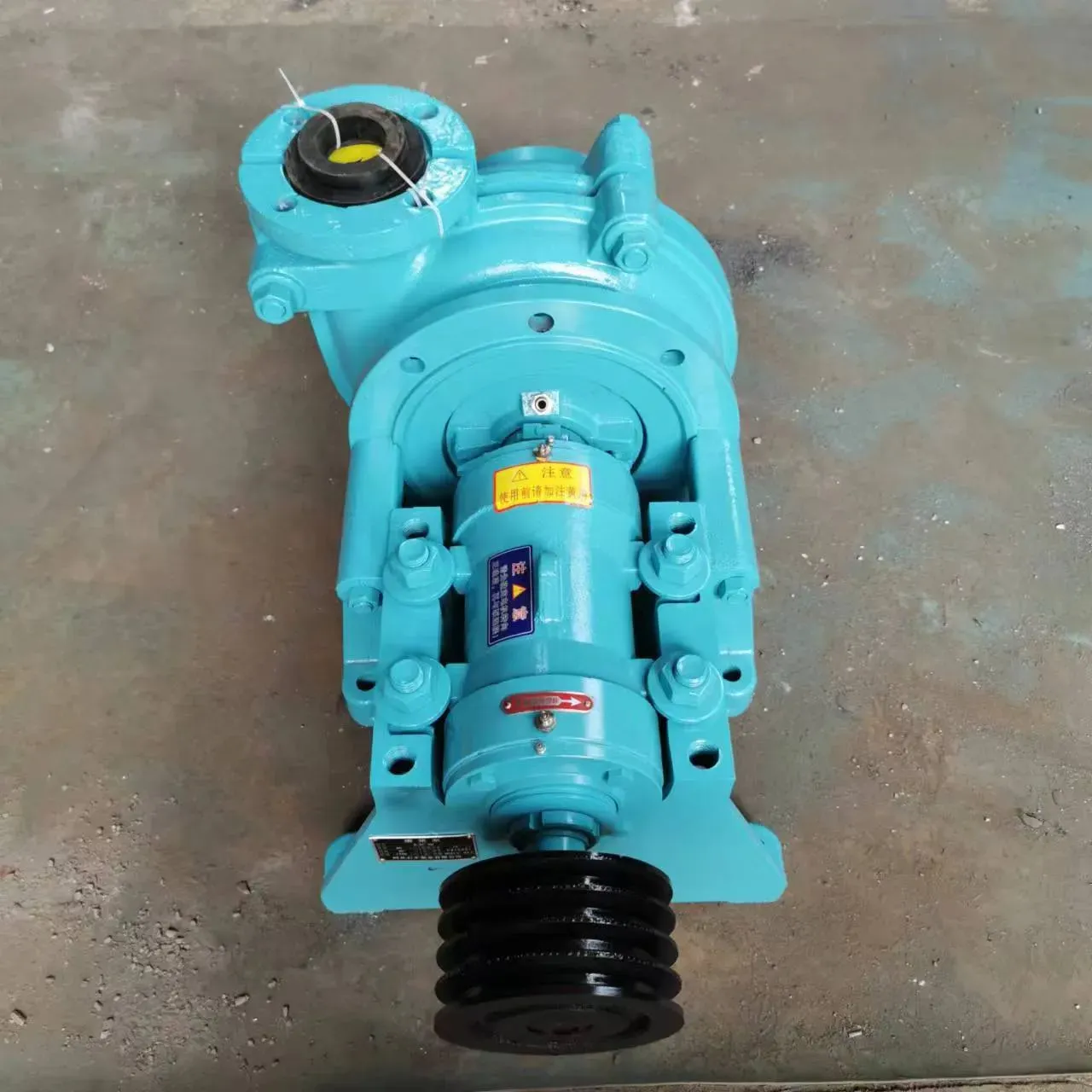
A 1.2 horsepower (hp) septic pump is a centrifugal pump designed for the efficient transfer of wastewater from a septic tank to a drain field. Its technical position within the wastewater treatment chain is critical, acting as the intermediary stage between primary solids settling and subsequent soil-based filtration. These pumps are typically submersible, constructed for continuous operation in harsh environments. Core performance metrics include flow rate (gallons per minute - GPM), total dynamic head (TDH – the maximum height the pump can lift the liquid), solids handling capability (expressed in diameter), and energy efficiency. The selection of a 1.2 hp pump signifies a balance between capacity for typical residential applications and energy consumption, making it a common choice for homes with 3-5 bedrooms. Effective septic system function relies heavily on the pump's reliability and consistent performance to prevent system backups and environmental contamination. Core pain points in this sector revolve around pump failure due to solids accumulation, corrosion, and inadequate system design for fluctuating wastewater volumes.
Material Science & Manufacturing
The construction of a 1.2 hp septic pump involves several key materials, each selected for specific properties. Pump housings are frequently manufactured from cast iron (ASTM A48 Class 30) or engineered polymers like high-density polyethylene (HDPE). Cast iron offers excellent durability and abrasion resistance, crucial for handling solids. However, it's susceptible to corrosion; therefore, epoxy coatings or stainless steel (304/316) are often employed for enhanced protection, particularly in aggressive soil conditions. Impellers, responsible for generating flow, are commonly made from cast iron, stainless steel, or engineered thermoplastic polymers. Stainless steel (316) provides superior corrosion resistance but is more expensive. Thermoplastic impellers offer good abrasion resistance and are lighter weight. Shafts are typically constructed from 4140 alloy steel, hardened and tempered for high tensile strength and resistance to torsional stress. Seals are critical components, usually utilizing silicon carbide faces with a Buna-N or Viton rubber elastomer for chemical compatibility and wear resistance. Manufacturing processes include: 1) Casting: For housings and impellers; involves pouring molten metal into molds. Parameter control includes mold temperature, pouring rate, and cooling rate to minimize porosity and ensure dimensional accuracy. 2) Machining: Precision machining is employed to create tight tolerances on impeller vanes, shaft diameters, and seal surfaces. CNC machining ensures consistent quality. 3) Plastic Molding: HDPE housings are created using injection molding, requiring precise control of injection pressure, mold temperature, and cooling time. 4) Assembly: Automated assembly lines integrate the various components, with rigorous testing procedures, including hydrostatic testing and motor run-in testing, to verify functionality and prevent leaks.
Performance & Engineering
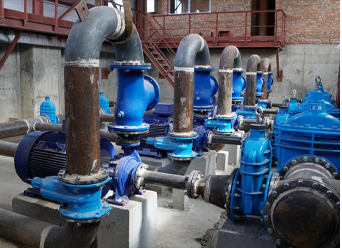
The performance of a 1.2 hp septic pump is governed by hydraulic principles and engineering considerations. Force analysis centers on the impeller's rotational energy transfer to the wastewater. The pump's affinity laws dictate the relationship between flow rate, head, and impeller speed. Environmental resistance is a key concern. Submersible pumps must withstand continuous submersion in wastewater, which can be corrosive and contain abrasive solids. Pump materials are selected to resist degradation from hydrogen sulfide (H2S), sulfates, and organic acids. Compliance requirements are stringent, often dictated by local and national regulations regarding wastewater discharge and environmental protection (EPA standards in the US). Pump curves, generated through rigorous testing (ANSI/HI standards), detail the pump's performance characteristics across a range of flow rates and heads. Functional implementation includes ensuring proper pump sizing to match the drain field's absorption capacity and the expected wastewater loading. A properly sized pump prevents overloading the drain field, which can lead to failure. Control systems, such as float switches and pressure transducers, automate pump operation based on wastewater levels, protecting the pump from running dry and maximizing efficiency. Furthermore, adequate venting is critical to avoid air locking which leads to pump cavitation and ultimately a reduction in lifespan.
Technical Specifications
| Horsepower | Voltage | Maximum Flow Rate (GPM) | Maximum Head (ft) |
|---|---|---|---|
| 1.2 hp | 120V / 240V | 60-80 | 40-50 |
| Solids Handling Capability | Impeller Material | Housing Material | Minimum Submersible Depth |
| Up to 2 inches | Stainless Steel (316) / Cast Iron | Cast Iron (Epoxy Coated) / HDPE | 15 ft |
| Maximum Operating Temperature (°F) | Cord Length (ft) | Switch Type | Power Cord Material |
| 95°F | 20-50 | Float Switch / Pressure Switch | SJOOW |
| Pump Weight (lbs) | Outlet Size (inches) | Phase | Frequency (Hz) |
| 20-30 | 2 | Single | 60 |
Failure Mode & Maintenance
Failure modes in 1.2 hp septic pumps are varied. Fatigue cracking in the impeller, especially in cast iron models, can occur due to repeated stress from solids impact. Delamination of epoxy coatings on cast iron housings leads to corrosion and eventual housing failure. Degradation of rubber components (seals, elastomers) due to chemical attack from wastewater constituents (H2S, fats, oils, grease – FOG) is common. Oxidation of metal components, particularly in areas with limited oxygen, contributes to corrosion. Cavitation, caused by air entrapment and subsequent bubble collapse, erodes impeller vanes. Bearing failure due to lack of lubrication or solids intrusion reduces pump efficiency and can lead to catastrophic failure. Preventive maintenance is crucial. Regular inspection (every 6-12 months) for leaks, unusual noises, and reduced performance is recommended. Cleaning the pump intake screen to remove debris prevents clogging and overload. Periodic flushing of the pump housing with clean water removes accumulated solids. Seal replacement (every 2-3 years, depending on usage) maintains watertight integrity. Lubrication of bearings (if applicable) extends their lifespan. Annual testing of float switches and control systems ensures proper operation. For pumps experiencing reduced output, professional inspection and impeller cleaning or replacement may be necessary. Avoid running the pump dry, as this can quickly damage the seals and impeller.
Industry FAQ
Q: What is the typical lifespan of a 1.2 hp septic pump?
A: The typical lifespan ranges from 7-10 years, but is heavily dependent on the quality of the wastewater, the frequency of maintenance, and the pump's operational conditions. Systems with high solids loading or corrosive wastewater will experience shorter lifespans. Regular maintenance, as outlined above, can significantly extend the pump's service life.
Q: How do I determine the correct pump size for my septic system?
A: Pump sizing requires a comprehensive assessment of the drain field's absorption capacity, the daily wastewater flow rate, and the total dynamic head. Consulting with a qualified septic system professional is crucial to ensure proper sizing and avoid overloading the drain field or damaging the pump. Undersized pumps lead to backups, while oversized pumps waste energy and can damage the drainfield.
Q: What are the common causes of septic pump failure?
A: The most frequent causes include solids accumulation leading to impeller blockage, corrosion of metal components, seal failure due to chemical attack, and electrical issues related to the pump motor or control system. Running the pump dry and insufficient maintenance contribute to premature failure.
Q: Is a stainless steel impeller worth the added cost?
A: For systems processing wastewater with high solids content or aggressive chemical compositions, a stainless steel (316) impeller is highly recommended. While more expensive upfront, it offers superior corrosion resistance and durability, potentially extending the pump's lifespan and reducing maintenance costs in the long run. For typical residential wastewater, a cast iron impeller with epoxy coating may suffice.
Q: How often should I have my septic pump professionally serviced?
A: A professional service should be conducted every 2-3 years, even with consistent preventative maintenance. A technician can inspect the pump for wear and tear, test the seals, check the motor's performance, and identify potential problems before they lead to catastrophic failure. This proactive approach minimizes downtime and prevents costly repairs.
Conclusion
The 1.2 hp septic pump represents a critical component in effective wastewater management, bridging the gap between initial solids separation and final effluent dispersal. Its performance is intricately linked to material science, meticulous manufacturing processes, and adherence to stringent engineering principles. Careful consideration of the pump’s technical specifications, coupled with a proactive maintenance regime, are paramount to ensuring long-term reliability and preventing system failures.
Future advancements in septic pump technology will likely focus on improved impeller designs for enhanced solids handling, the development of more durable and corrosion-resistant materials, and the integration of smart control systems for optimized energy efficiency and remote monitoring. Furthermore, standardization of testing protocols and performance metrics will be essential for ensuring product quality and facilitating informed procurement decisions within the industry.
-
Comprehensive Guide to Waterproof ORings for Optimal Sealing Solutions
News2026-06-09
-
submergable pump Material Science
News2026-06-23
-
sewer injection pump Performance Engineering
News2026-06-23
-
Sewer Ejector Pump System Performance Analysis
News2026-06-23
-
septic tank pump for sale Performance Engineering
News2026-06-23
-
septic pump for sale Performance Engineering
News2026-06-23
-
septic ejector system Performance Analysis
News2026-06-22
-
replace septic pump Performance Analysis
News2026-06-22
-
pump system septic tank Performance Analysis
News2026-06-22
-
lift pump for sewer Performance and Engineering
News2026-06-22
-
industrial submersible water pump Material Science
News2026-06-22
-
industrial submersible pumps Material Science and Manufacturing
News2026-06-21
-
best sewer ejector pump Performance Analysis
News2026-06-21
-
best septic pump Performance Analysis
News2026-06-21
-
1 2 hp septic pump Performance Engineering
News2026-06-21




