English
- Afrikaans
- Albanian
- Amharic
- Arabic
- Armenian
- Azerbaijani
- Basque
- Belarusian
- Bengali
- Bosnian
- Bulgarian
- Catalan
- Cebuano
- Corsican
- Croatian
- Czech
- Danish
- Dutch
- English
- Esperanto
- Estonian
- Finnish
- French
- Frisian
- Galician
- Georgian
- German
- Greek
- Gujarati
- Haitian Creole
- hausa
- hawaiian
- Hebrew
- Hindi
- Miao
- Hungarian
- Icelandic
- igbo
- Indonesian
- irish
- Italian
- Japanese
- Javanese
- Kannada
- kazakh
- Khmer
- Rwandese
- Korean
- Kurdish
- Kyrgyz
- Lao
- Latin
- Latvian
- Lithuanian
- Luxembourgish
- Macedonian
- Malgashi
- Malay
- Malayalam
- Maltese
- Maori
- Marathi
- Mongolian
- Myanmar
- Nepali
- Norwegian
- Norwegian
- Occitan
- Pashto
- Persian
- Polish
- Portuguese
- Punjabi
- Romanian
- Russian
- Samoan
- Scottish Gaelic
- Serbian
- Sesotho
- Shona
- Sindhi
- Sinhala
- Slovak
- Slovenian
- Somali
- Spanish
- Sundanese
- Swahili
- Swedish
- Tagalog
- Tajik
- Tamil
- Tatar
- Telugu
- Thai
- Turkish
- Turkmen
- Ukrainian
- Urdu
- Uighur
- Uzbek
- Vietnamese
- Welsh
- Bantu
- Yiddish
- Yoruba
- Zulu

Telephone: +86 13120555503
Email: frank@cypump.com


Apr . 01, 2024 17:55 Back to list
1 2 horsepower sewage pump Performance Analysis
Introduction
The 1 2 horsepower sewage pump represents a critical component in wastewater management systems, serving both residential and commercial applications. Positioned downstream in the overall wastewater treatment chain, these pumps are designed to efficiently transfer sewage, effluent, and other non-potable liquids containing solids. Core performance metrics revolve around flow rate (gallons per minute or liters per second), total dynamic head (TDH) – the maximum height the pump can lift the fluid – and solids handling capability. The industry faces ongoing challenges regarding pump efficiency, reliability in abrasive environments, and minimizing lifecycle costs, driving demand for more durable and energy-efficient designs. The focus is shifting towards pumps capable of handling increasingly complex waste streams and adhering to stricter environmental regulations concerning discharge quality. This guide provides a comprehensive technical overview, addressing material science, manufacturing processes, performance characteristics, failure modes, and relevant industry standards.
Material Science & Manufacturing
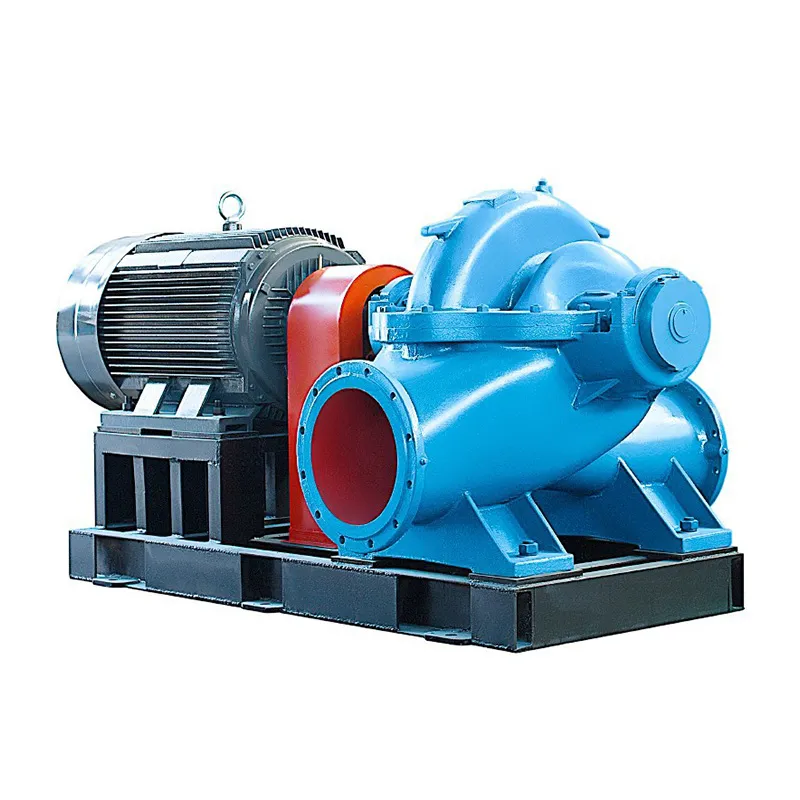
The construction of a 1 2 horsepower sewage pump necessitates careful material selection to withstand the corrosive and abrasive nature of sewage. Impeller and volute components are traditionally manufactured from cast iron (ASTM A48 Class 30) due to its cost-effectiveness and reasonable abrasion resistance. However, higher-end models increasingly utilize stainless steel (304 or 316 grades, adhering to ASTM A743) for enhanced durability and corrosion resistance, particularly in applications involving high sulfide content or aggressive chemicals. Pump housings are frequently made from ductile iron (ASTM A536-89), offering superior impact strength and ductility compared to traditional gray cast iron. Shaft materials commonly consist of 4140 alloy steel, heat-treated to achieve high tensile strength and fatigue resistance. Seals are critical for preventing leakage; mechanical seals utilizing silicon carbide faces paired with nitrile or Viton elastomers (meeting ASTM D2000 standards) are prevalent. Manufacturing processes include sand casting for the impeller and housing, followed by machining to ensure precise dimensional tolerances. Welding (following AWS D1.1 standards) is employed for joining various components. The impeller is often coated with an epoxy or polyurethane coating to provide an additional layer of abrasion resistance. Parameter control during casting involves precise temperature regulation and mold preparation to minimize porosity and ensure structural integrity. Post-machining, components undergo rigorous non-destructive testing (NDT), including ultrasonic testing and liquid penetrant inspection, to identify any internal flaws or surface cracks.
Performance & Engineering
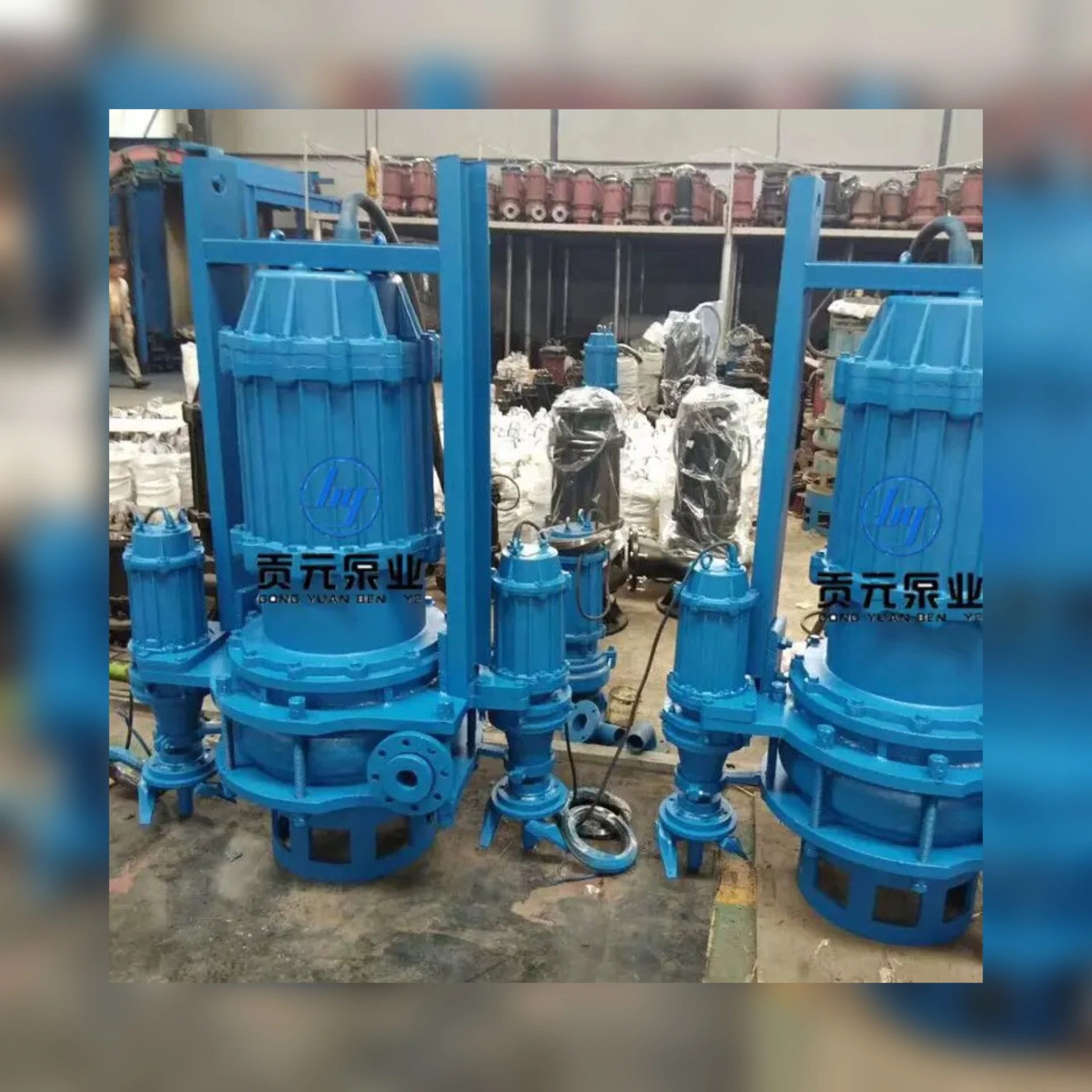
The performance of a 1 2 horsepower sewage pump is fundamentally governed by fluid dynamics and hydraulic design principles. Force analysis centers on calculating the radial and axial thrust exerted on the impeller and shaft due to fluid pressure. Pump curves, generated through rigorous testing according to Hydraulic Institute standards (HI 1.6), illustrate the relationship between flow rate, head, and efficiency. Cavitation, a major concern, occurs when the absolute pressure at the impeller inlet falls below the vapor pressure of the liquid, forming vapor bubbles that implode and damage the impeller. Proper Net Positive Suction Head Required (NPSHr) calculations, based on pump geometry and operating conditions, are crucial to prevent cavitation. Environmental resistance is paramount; pumps operating outdoors must withstand temperature fluctuations, UV exposure, and potential corrosion. Motor enclosures are typically rated to IP68 (Ingress Protection code), ensuring complete protection against dust and prolonged immersion in water. Compliance with electrical safety standards (UL 508A, IEC 60072) is mandatory. Functional implementation requires proper pump sizing to match the system’s flow and head requirements, considering factors like pipe diameter, elevation changes, and frictional losses. Variable Frequency Drives (VFDs) are increasingly integrated to optimize energy consumption and control pump speed based on demand. Furthermore, the pump’s solids handling capability is determined by the impeller design (open, semi-open, or closed) and the size of the solids passage.
Technical Specifications
| Parameter | Unit | Typical Value (1.2 HP) | Testing Standard |
|---|---|---|---|
| Horsepower | HP | 1.2 | NEMA MG 1 |
| Voltage | V | 115/230 | IEC 60038 |
| Flow Rate (Max) | GPM | 60-80 | HI 1.6 |
| Total Dynamic Head (Max) | ft | 50-70 | HI 1.6 |
| Solids Handling Capability | in | 2-3 | Manufacturer Specification |
| Impeller Material | - | Cast Iron/Stainless Steel | ASTM A48/A743 |
Failure Mode & Maintenance
Common failure modes in 1 2 horsepower sewage pumps include impeller wear due to abrasion from solids, seal failure leading to leakage, bearing failure caused by inadequate lubrication or overloading, and motor winding failure resulting from overheating or voltage fluctuations. Fatigue cracking can occur in the pump housing or impeller due to cyclical loading. Delamination of protective coatings exposes the underlying metal to corrosion. Oxidation and corrosion of metal components are accelerated in the presence of sulfides and chlorides. Failure analysis often reveals root causes such as improper pump selection for the application, inadequate maintenance, or the presence of unexpected debris in the sewage stream. Preventative maintenance is crucial and includes regular inspection of seals, bearings, and impeller for wear. Lubrication should be performed according to manufacturer's recommendations, utilizing appropriate grease types (NLGI Grade 2, meeting ASTM D4950). Periodic motor winding insulation resistance testing (using a megohmmeter) can detect potential insulation breakdown. Cleaning the pump intake and wet well to remove debris minimizes abrasion and prevents clogging. When replacing components, it is essential to use manufacturer-approved parts and follow proper installation procedures. Vibration analysis can be used to identify bearing wear or impeller imbalance before catastrophic failure occurs.
Industry FAQ
Q: What is the optimal impeller material for handling sewage containing high levels of grit and sand?
A: For sewage streams with significant abrasive content, a stainless steel (316 grade) impeller with a hardened surface treatment is recommended. While cast iron is more cost-effective, it experiences significantly higher wear rates in abrasive environments. The increased initial cost of stainless steel is typically offset by a longer service life and reduced maintenance requirements.
Q: How does VFD integration impact the energy consumption of a 1.2 HP sewage pump?
A: Implementing a VFD allows for precise control of pump speed, matching flow rate to actual demand. This avoids running the pump at full speed when it's not necessary, resulting in substantial energy savings. Affinity laws dictate that power consumption decreases cubically with speed reduction, offering significant cost benefits.
Q: What are the key considerations when selecting a mechanical seal for a sewage pump?
A: The seal material compatibility with the sewage composition is paramount. Silicon carbide seal faces offer excellent abrasion resistance and chemical inertness. The elastomer (O-ring) should be selected based on its resistance to sulfides, oils, and other contaminants present in the sewage. Regular seal inspection and replacement are vital to prevent leakage.
Q: What is the importance of NPSHr in preventing pump cavitation?
A: NPSHr is the minimum absolute pressure required at the pump suction to prevent cavitation. The available NPSH (NPSHa) in the system must always exceed the NPSHr. Insufficient NPSHa leads to vapor bubble formation and subsequent impeller damage. Proper system design, including adequate pipe diameter and minimizing suction lift, is crucial for maintaining sufficient NPSHa.
Q: What maintenance procedures should be performed on a 1.2 HP sewage pump to maximize its lifespan?
A: Regular maintenance includes inspecting seals for leaks, lubricating bearings according to the manufacturer's schedule, cleaning the pump intake and wet well to remove debris, conducting insulation resistance testing on the motor windings, and visually inspecting the impeller for wear and damage. Keeping detailed maintenance records is also recommended.
Conclusion
The 1 2 horsepower sewage pump is a vital component in modern wastewater infrastructure, demanding a thorough understanding of its materials, manufacturing, performance characteristics, and potential failure modes. Selecting the appropriate pump for the specific application, coupled with a robust preventative maintenance program, is crucial for maximizing reliability, minimizing lifecycle costs, and ensuring compliance with environmental regulations. The increasing adoption of advanced materials, hydraulic designs, and control systems – such as VFDs – is driving improved pump efficiency and operational longevity.
Future trends will likely focus on further optimizing pump efficiency through advanced impeller geometries and computational fluid dynamics (CFD) analysis. Smart pump technologies incorporating remote monitoring and predictive maintenance capabilities will become increasingly prevalent, enabling proactive intervention and preventing costly downtime. Continued research into corrosion-resistant materials and seal designs will be essential for addressing the challenges posed by increasingly complex and corrosive wastewater streams.
-
Comprehensive Guide to Waterproof ORings for Optimal Sealing Solutions
News2026-06-09
-
submergable pump Material Science
News2026-06-23
-
sewer injection pump Performance Engineering
News2026-06-23
-
Sewer Ejector Pump System Performance Analysis
News2026-06-23
-
septic tank pump for sale Performance Engineering
News2026-06-23
-
septic pump for sale Performance Engineering
News2026-06-23
-
septic ejector system Performance Analysis
News2026-06-22
-
replace septic pump Performance Analysis
News2026-06-22
-
pump system septic tank Performance Analysis
News2026-06-22
-
lift pump for sewer Performance and Engineering
News2026-06-22
-
industrial submersible water pump Material Science
News2026-06-22
-
industrial submersible pumps Material Science and Manufacturing
News2026-06-21
-
best sewer ejector pump Performance Analysis
News2026-06-21
-
best septic pump Performance Analysis
News2026-06-21
-
1 2 hp septic pump Performance Engineering
News2026-06-21




